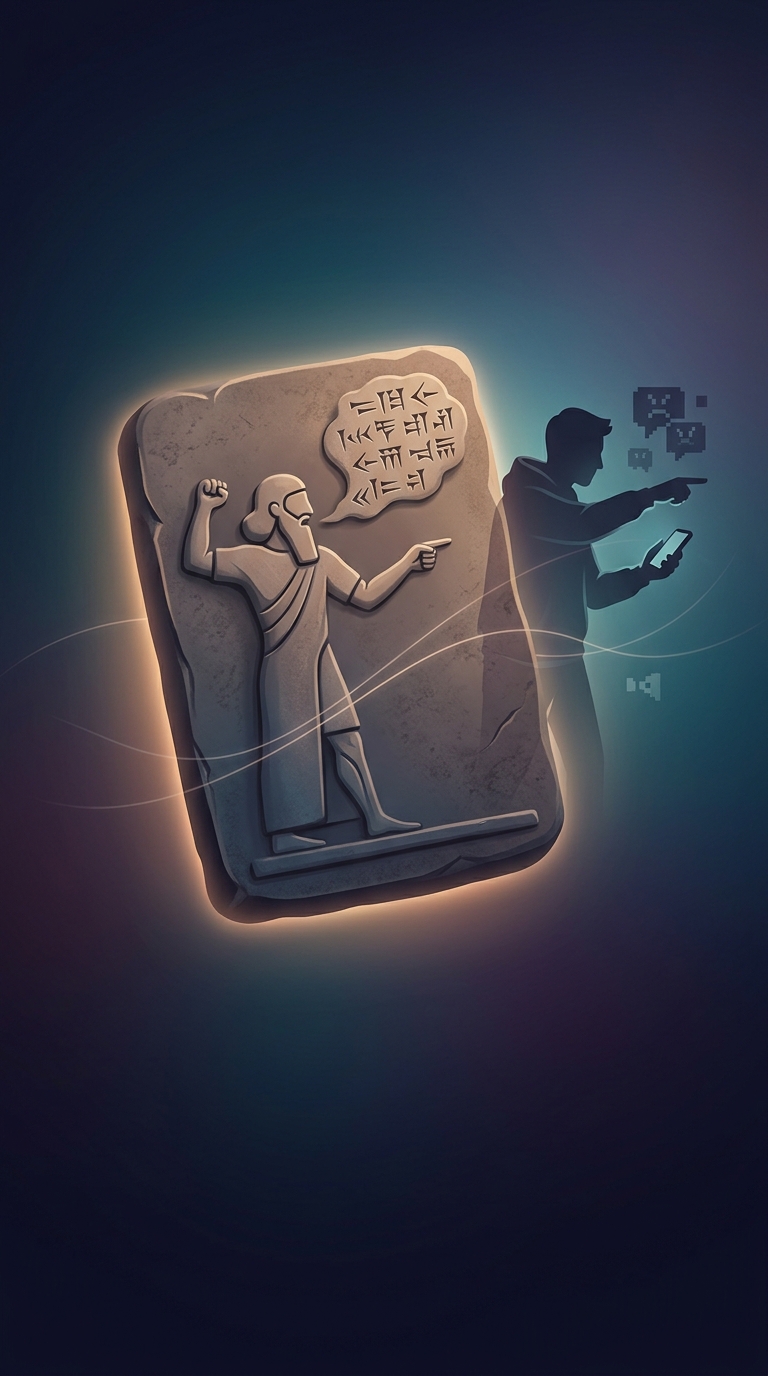
A bad batch of copper became a clay-tablet dispute
The complaint was addressed to Ea-nasir, a merchant in the Mesopotamian city of Ur, by a customer named Nanni. Its central grievance was practical: copper ingots supplied in a trade deal were not of acceptable quality. Nanni had expected usable metal and felt he had received a poor substitute—and that his attempts to resolve the problem had been brushed aside.
Copper mattered because it was a valuable material for making tools and other goods. A buyer who paid for metal that failed to meet expectations faced more than an annoyance: the shipment could be difficult to use, resell, or turn into finished products. The tablet shows a commercial relationship breaking down over the gap between what was promised and what arrived.
The complaint was also about how Nanni was treated
Nanni describes sending a messenger to deal with the problem and objects to Ea-nasir’s response. He presents himself as a customer who had paid and acted in good faith, while portraying the merchant as dismissive. The grievance was therefore about both the copper and the refusal to handle the dispute respectfully.
The message was pressed into wet clay in cuneiform, the wedge-shaped writing system used in Mesopotamia. Once dried, the tablet could endure for millennia—unlike most everyday conversations or business arguments, which vanished as soon as they were spoken. That accidental survival turns a private quarrel into evidence of ordinary life: even in an ancient trading city, a customer could be furious about bad goods and poor service, and decide the seller needed to hear about it in writing.