
A closer look
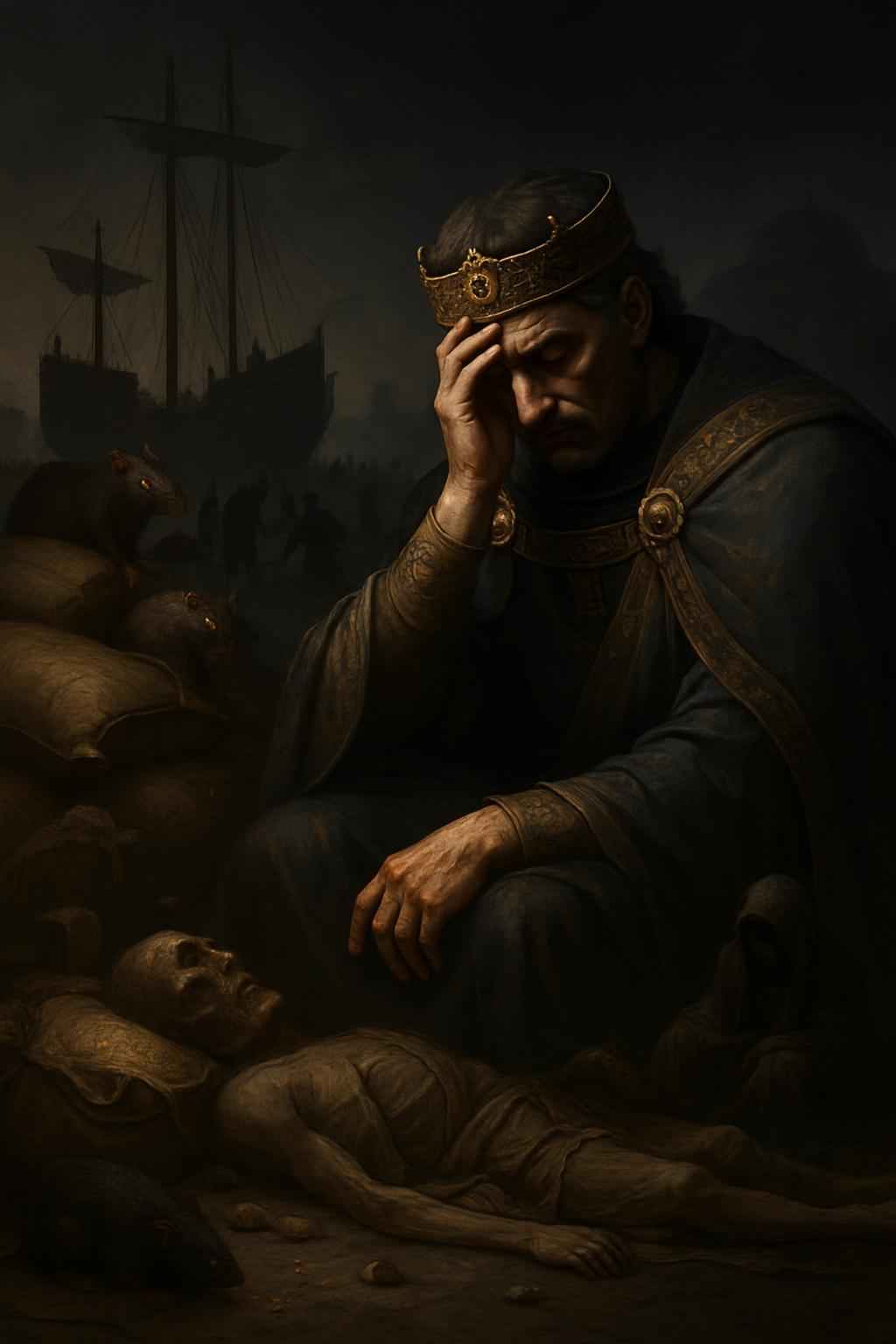
In 541 CE, whispers of a mysterious sickness rolled across the Byzantine Empire, carried by trade ships heavy with grain and hidden death. The Plague of Justinian killed millions long before medieval Europe met its black successor, yet its fingerprints linger in tax systems, city rebuilding, and even Christian theology. The emperor himself fell ill yet survived, haunted by dreams of divine warning. Rats infested granaries near the port of Pelusium, where dockworkers carried fleas from ship to shore—commerce and contagion tangled forever. As populations collapsed, soldiers deserted, farmers vanished, and labor gained unexpected value; the economic jolt indirectly seeded shifts toward more merit-based bureaucracies. Studying those centuries-old ledgers gives eerie context to our modern pandemic math. What repeats isn’t just disease—it’s the fragile balance between mobility, trade, and the confidence that tomorrow will still function.