Tomb defenses were built to waste an intruder’s time
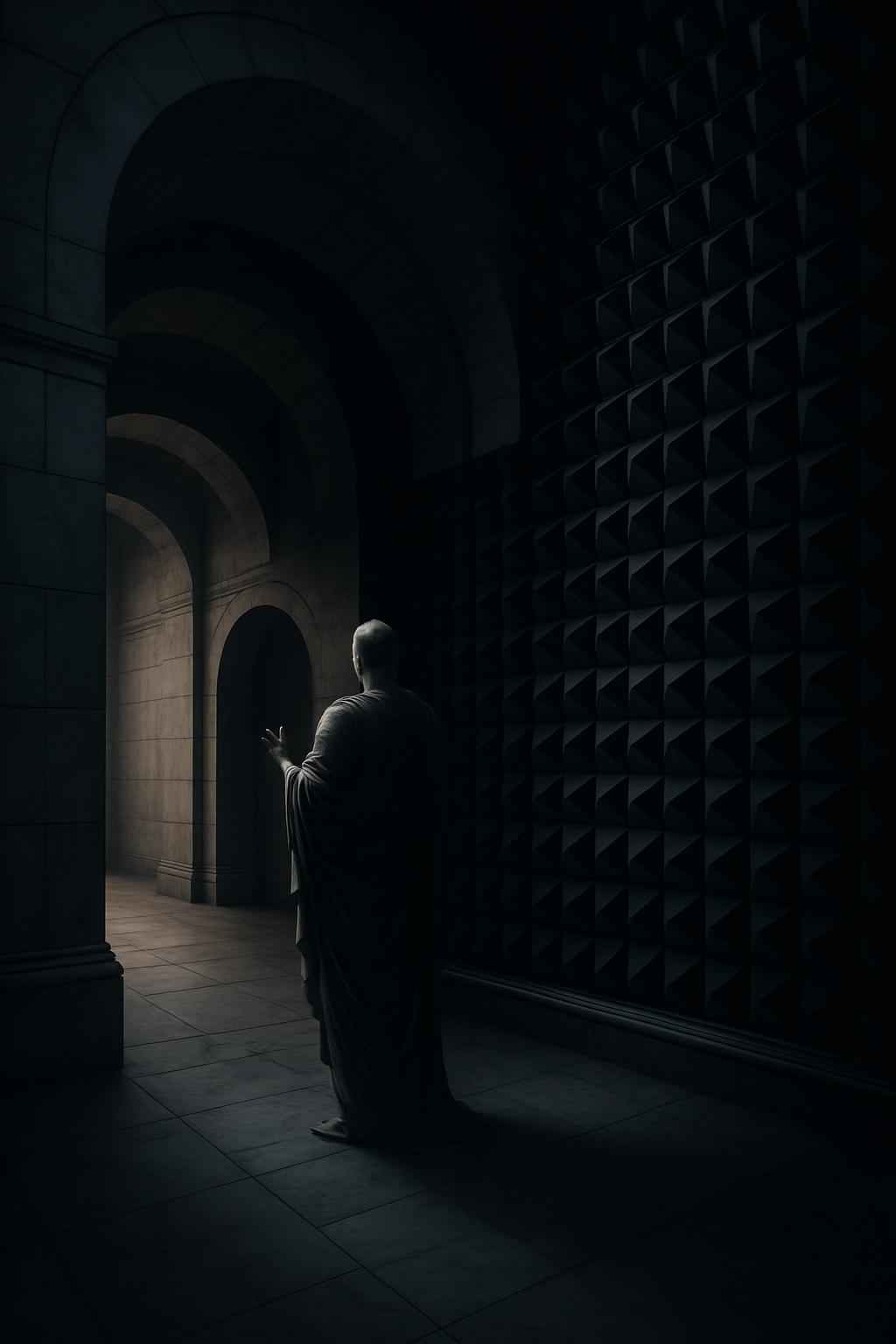
A false corridor or dead-end shaft did not need to be dangerous to be useful. Its purpose was to make a tomb’s layout hard to read: a raider who chose the wrong passage could spend hours digging or searching while gaining nothing. In a maze of cut stone, even a short delay could make the burial chamber harder to locate.
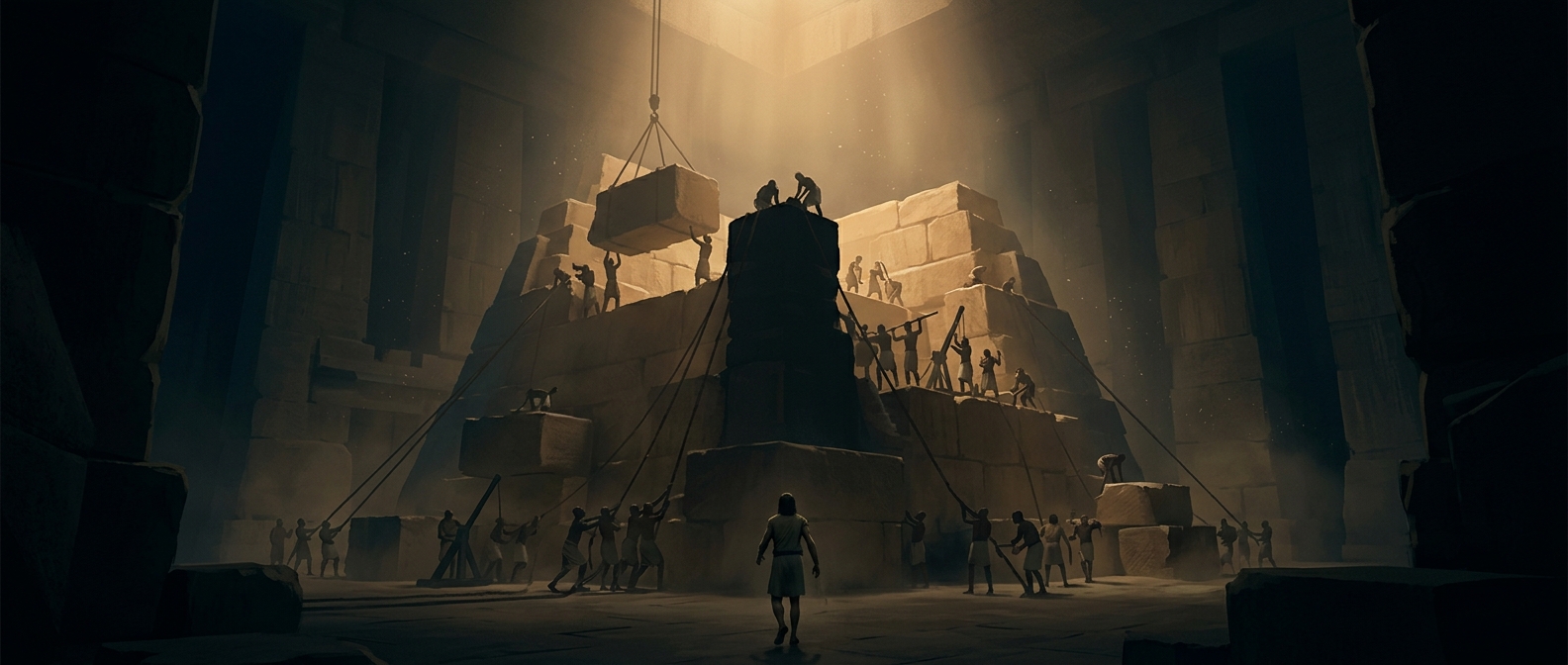
Granite plugs offered a more physical obstacle. These heavy blocks could be fitted into a passage to seal it after the burial. Unlike a door, they could not simply be opened from the outside; getting past them meant shifting stone or breaking through it. That required effort, made noise, and left evidence of the intrusion.
A barrier could delay a raid, not erase the knowledge
The defenses worked best against someone who did not know where to go and hoped for an easy prize. They were less effective against raiders prepared to spend time forcing a route. A dead end could be excavated, and a plug could be bypassed if intruders knew—or discovered—what lay beyond it.
That exposed a basic weakness in tomb security: the builders could hide the entrance and obstruct the path, but the tomb’s location and contents were not necessarily secret forever. People familiar with the burial, its construction, or the surrounding site could have an advantage over a stranger. Once a route was known, stone obstacles became problems of labor rather than puzzles.
Monumental protection had a practical limit
The elaborate architecture was therefore a form of delay and concealment, not an impenetrable vault. It could confuse opportunistic thieves and make entry costly, but it could not guarantee that treasure would remain untouched. The striking consequence is that some of the tomb’s strongest defenses could also advertise the importance of what lay behind them: a sealed passage was an obstacle, but a determined raider had reason to keep digging.