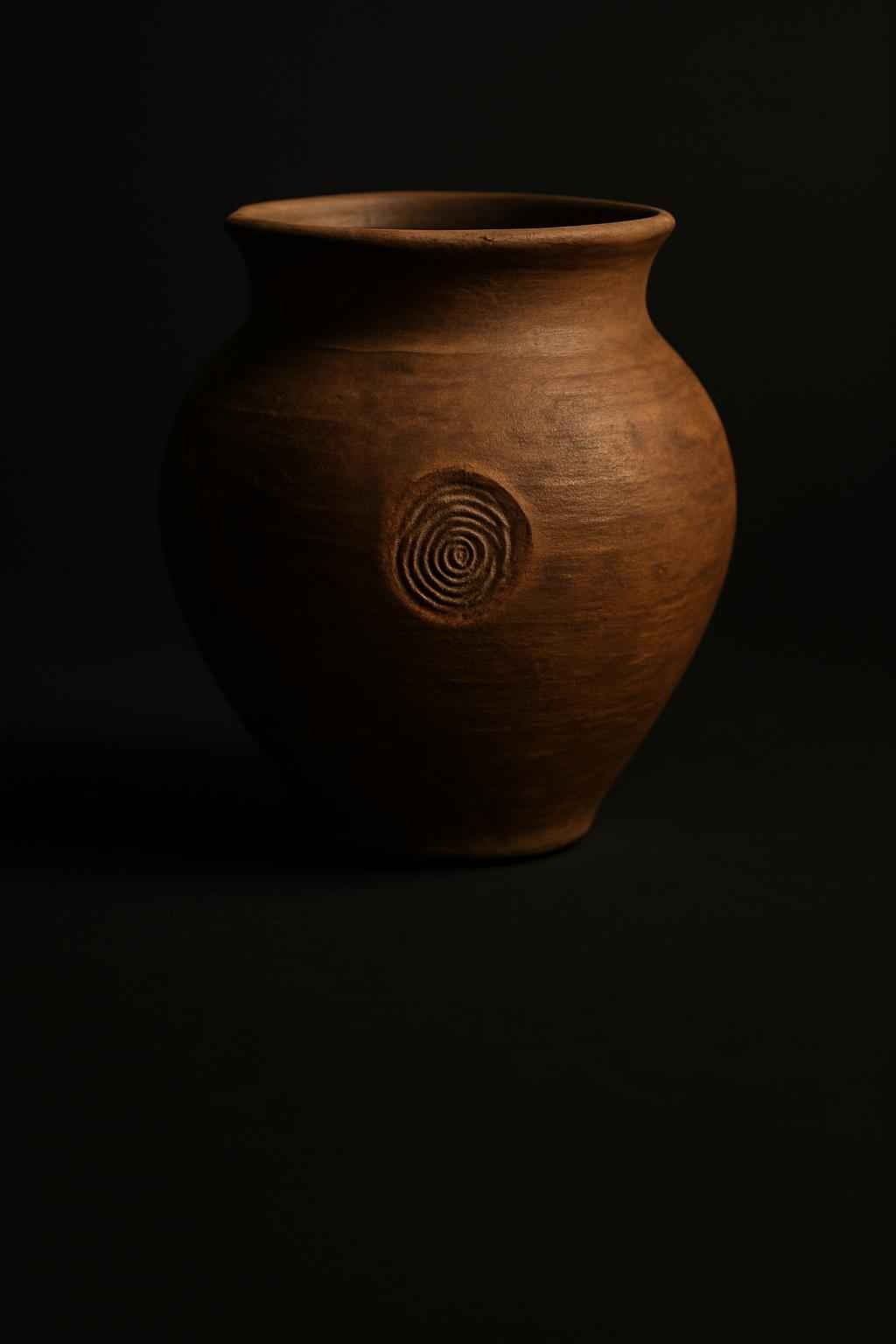
What Plant Ash Added to a Gladiator’s Drink
Burning a plant leaves behind its mineral content in a concentrated, powdery form. Depending on the plant and how it was burned, ash can contain minerals such as calcium and potassium. Mixed into a drink, it offered a rough way to consume substances that were otherwise part of the plant—though the dose and composition would have been hard to control.
For a fighter enduring repeated training and injuries, the idea had an intuitive appeal: take something mineral-rich, and perhaps the body would recover more quickly. The drink was not a modern sports formula, carefully measured for a specific purpose. It was a practical remedy built from materials people could recognize and prepare.
Why the Remedy Seemed Plausible
Bones do need minerals, and the body uses them to maintain and repair bone tissue. But swallowing minerals does not make soreness vanish or mend an injury on command. Recovery also depends on the damage itself and on the body’s broader healing processes. Plant ash could vary greatly, so its mineral content—and what a drinker actually received—would not have been predictable.
That gap between a plausible ingredient and a proven treatment is part of the drink’s significance. Gladiators were not simply seeking comfort: their ability to return to training and combat had immediate value. Ash offered a tangible intervention, even when its effects were uncertain. The striking detail is how familiar the logic remains: when the body is under strain, people look for something concrete to put back into it.