A store of wealth that could be carried—or buried
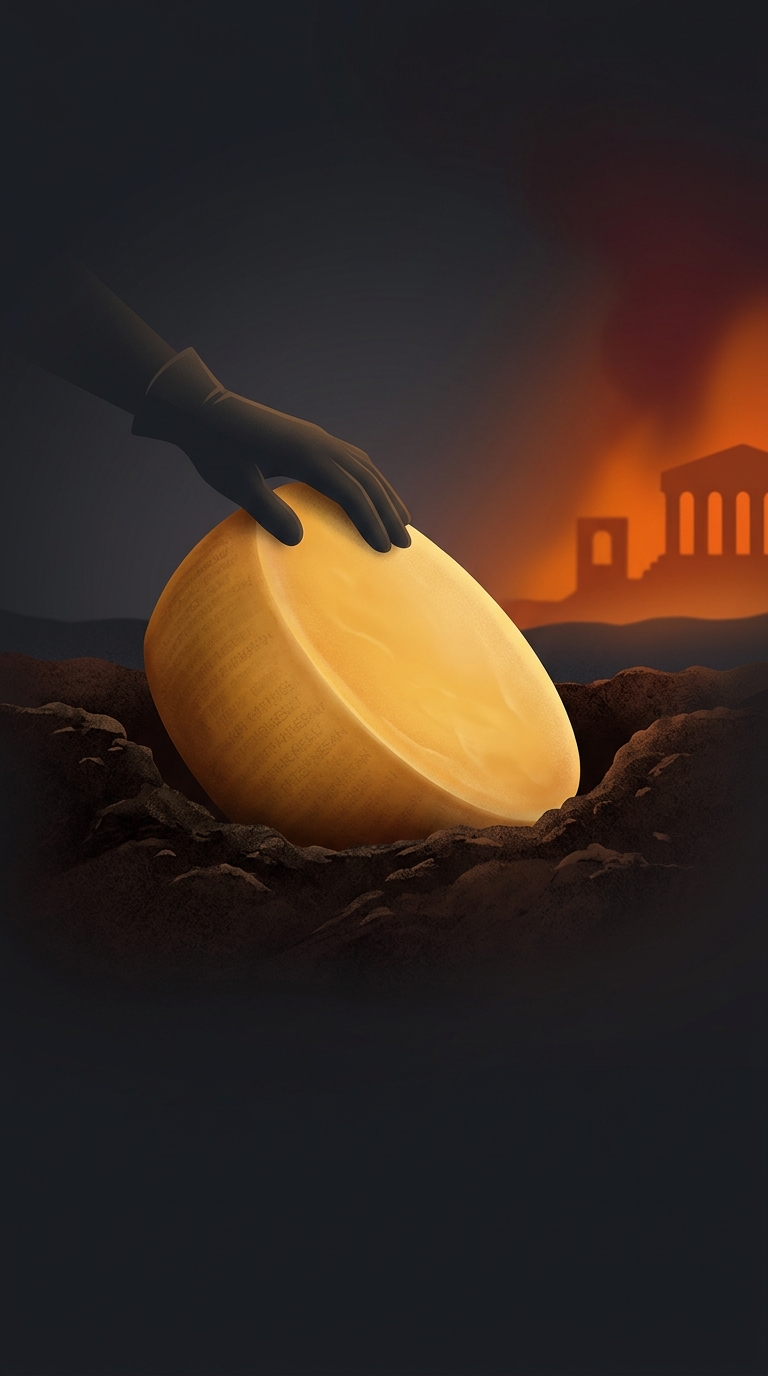
In 1666, Parmesan was more than a convenient food. It was an imported, aged cheese: costly, durable, and valuable enough that losing a large piece could feel like losing a household asset. Its firmness also made it easier to preserve than fresh food in a city suddenly short on safe storage. When the Great Fire threatened Pepys’s home, burying it was a way to protect something worth saving without having to carry it through crowded, smoke-filled streets.
A practical response to a spreading fire
Pepys’s diary records a day of hurried decisions as the flames advanced: moving possessions away from danger, assessing whether his house would survive, and trying to safeguard what he could. The cheese was one item in that larger scramble, not a carefully engineered vault. A hole in the garden put it below the reach of flying embers and falling sparks—at least in principle—while keeping it close enough to recover if the house remained standing.
That choice reveals how a disaster changes the meaning of ordinary objects. Under normal circumstances, a wheel of cheese belonged in a pantry. With London burning, its price, durability, and portability made it a form of stored value, and the garden became an improvised safe-deposit box. The image is memorable because it reduces a vast urban catastrophe to one household calculation: what can still be saved, and where can it be hidden before the fire arrives?