A Fruit from the Nightshade Family
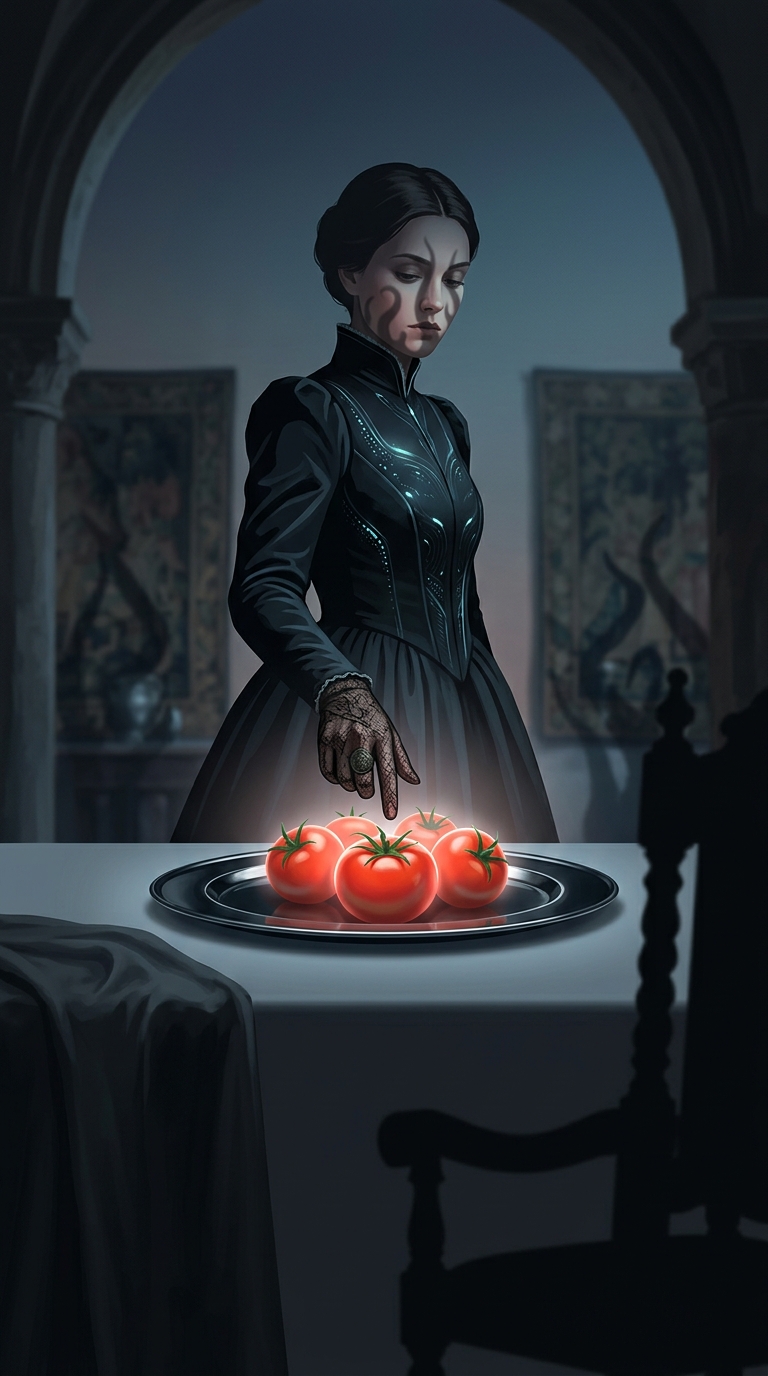
When tomatoes reached Europe from the Americas in the 16th century, they arrived with an unsettling botanical identity: Europeans grouped them with plants in the nightshade family, some of which are poisonous. That resemblance did not prove tomatoes were dangerous, but it made suspicion easier to sustain. The edible fruit was unfamiliar, and early European writers sometimes treated it as an ornamental plant rather than food.
The fear was not uniform across Europe or permanent. Tomatoes became part of some southern European cooking well before they were widely accepted farther north. Their gradual adoption reflects changing food customs as much as any single discovery that they were safe.
The Plate Story—and Its Limits
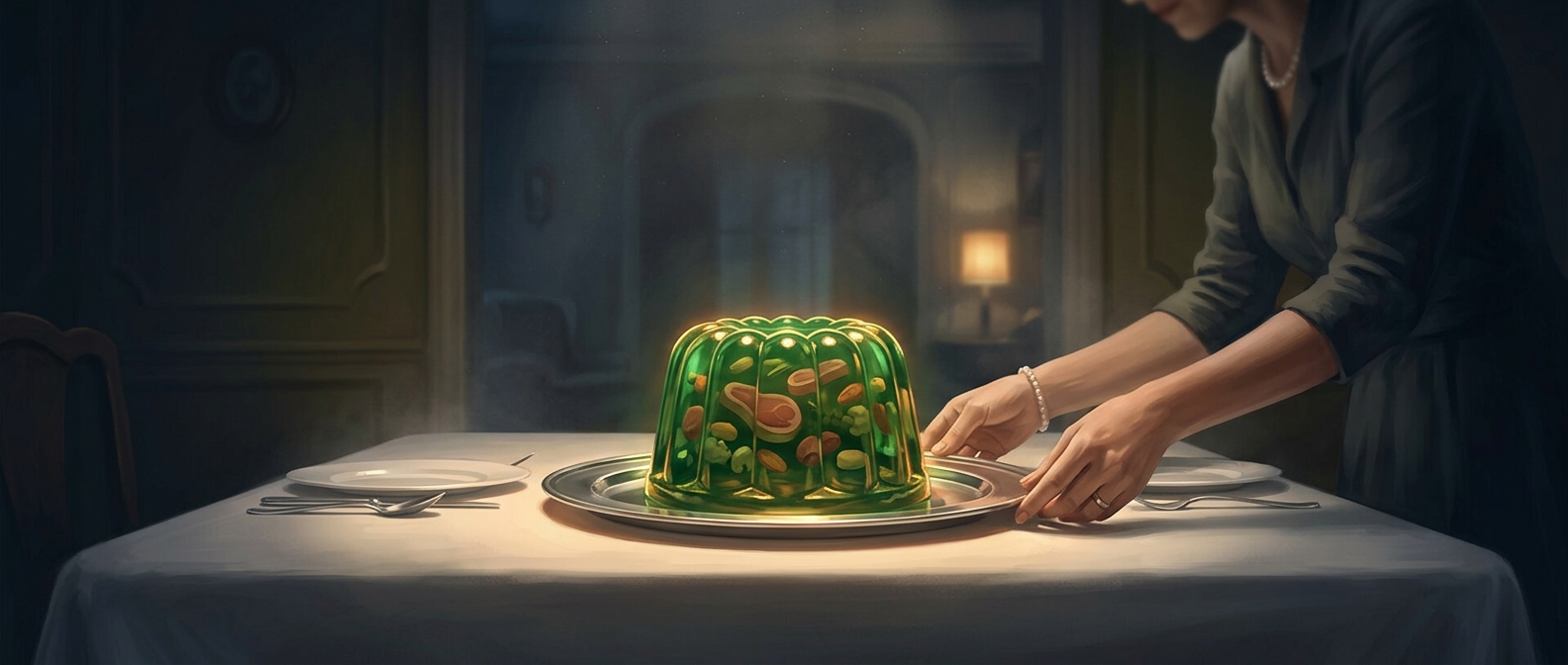
A popular explanation says wealthy diners were poisoned because acidic tomato juice drew lead from their pewter plates. Lead poisoning was real, and some pewter contained lead, so the mechanism is chemically plausible. But there is no solid evidence that this episode explains the broader European suspicion of tomatoes. It is best treated as a possible source of confusion, not the established cause of a centuries-long panic.
The plant itself also offers a more direct reason for caution: tomato leaves and stems contain compounds that can be harmful in sufficient amounts, while ripe fruit is generally safe to eat. The danger attached to the unfamiliar plant was real enough to sound credible, even though the ripe tomato was not the poison people feared.