stackyFACTS
History

A Swedish king used twins to test whether coffee was deadly

HERE’S THE INTERESTING PART

Desperate to prove coffee was poison, the Swedish king forced identical twins to drink massive amounts of tea and coffee daily until they died. The king was assassinated before he got his results.
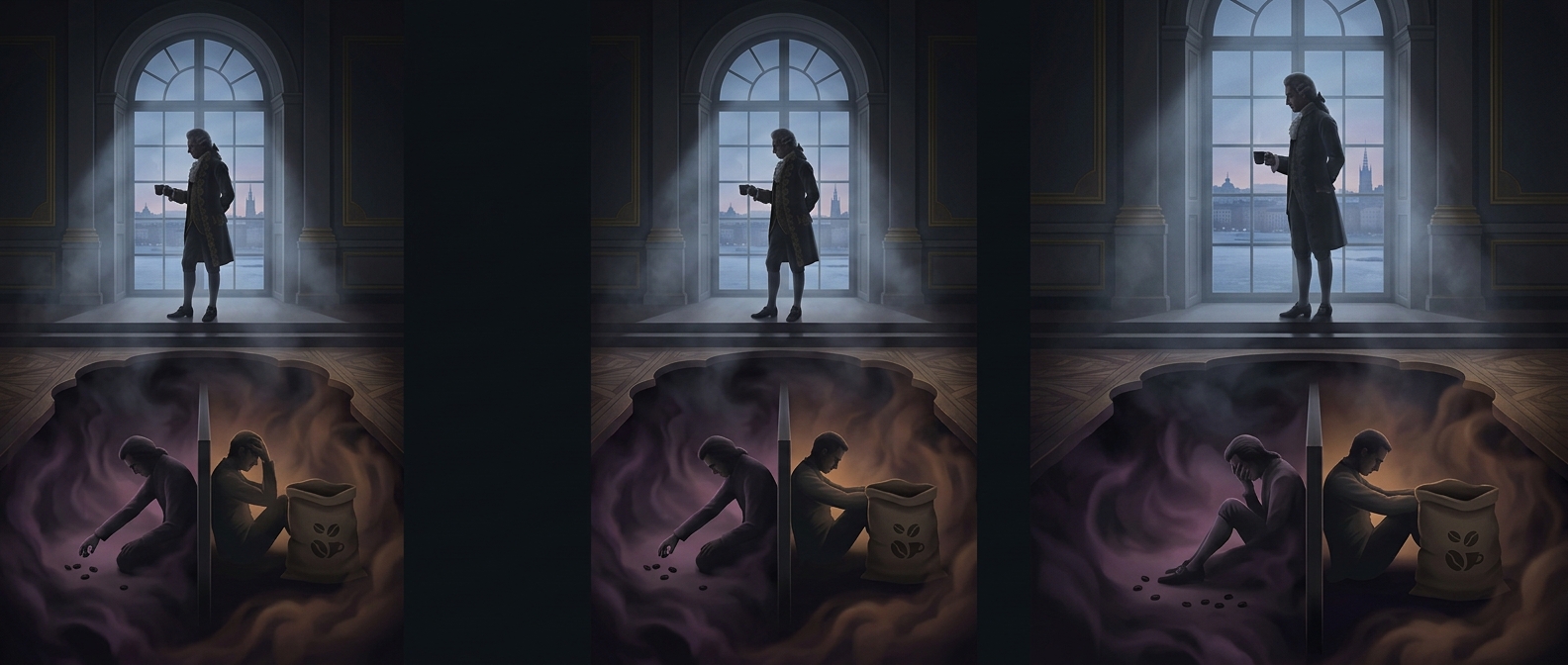
A Swedish king used twins to test whether coffee was deadly
STACKY / History
One discovery leads to another.

Keep exploring facts in this topic.

History →

STACKY FOR IPHONE

A bigger world.
One discovery
at a time.

Keep discovering with Stacky. Interesting facts in an app that is always within reach.

Download on the App Store
ONE MORE DISCOVERY?

Keep exploring

All in this topic →
The bizarre ancient treatment for blindness
History

The bizarre ancient treatment for blindness

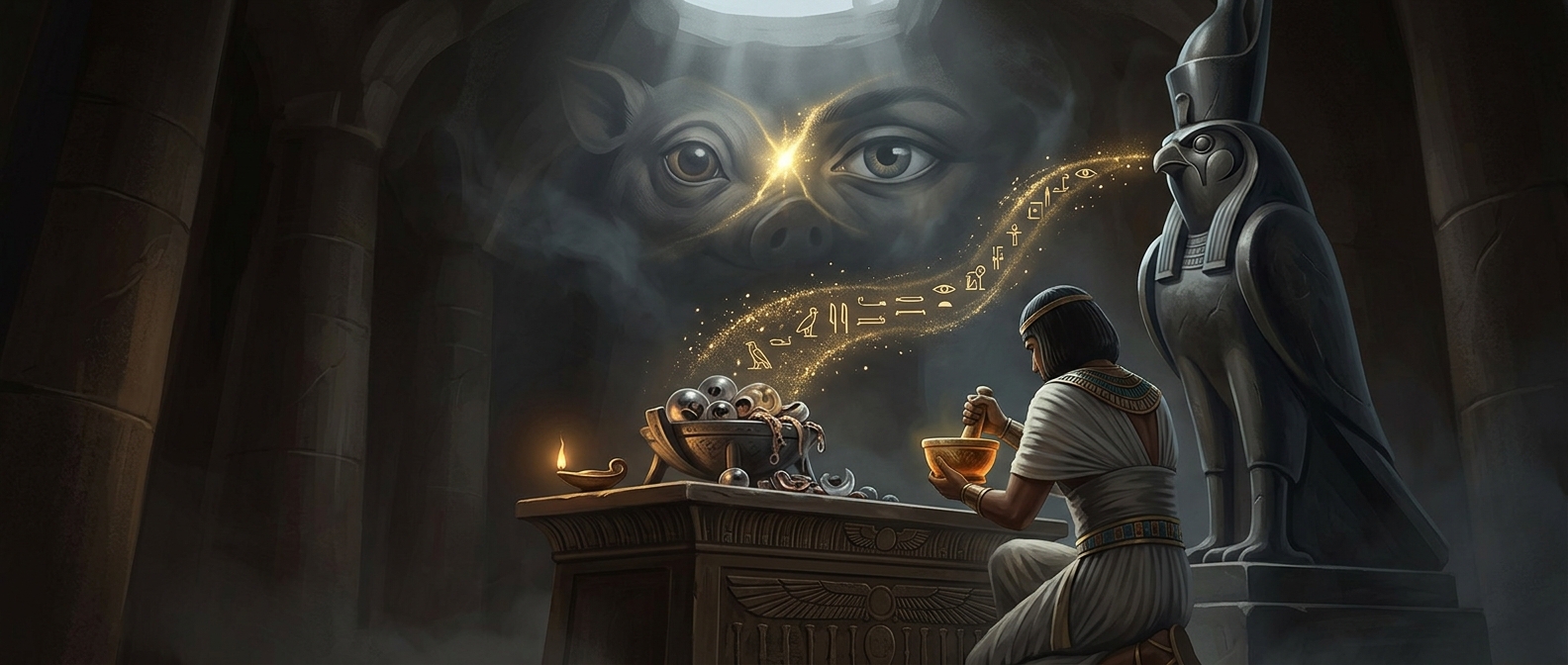
Ancient anatomy was basically guesswork. To cure blindness, they squashed a pig's eye and poured the gooey remains directly into the patient's ear, expecting…

Discover more
Why ancient Greeks ate cabbage after drinking
History

Why ancient Greeks ate cabbage after drinking

Ancient Greeks completely convinced themselves that staring at or vigorously eating raw cabbage was a flawless cure for a brutal hangover. They literally…

Discover more
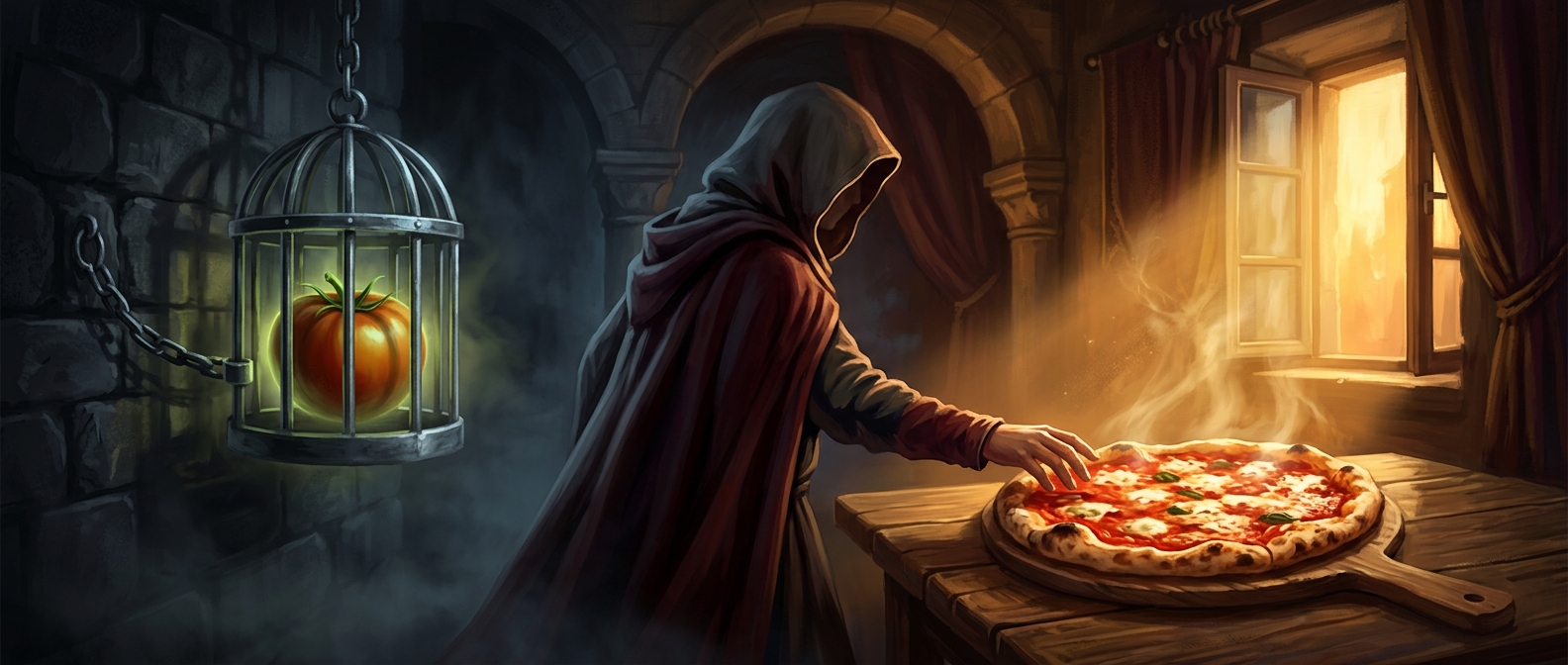
When Europeans thought tomatoes were poisonous
History

When Europeans thought tomatoes were poisonous

The bright, juicy tomato we celebrate today once sat like a sinister stranger on Europe’s tables. Nicknamed the ‘poison apple,’ it was accused of killing…

Discover more
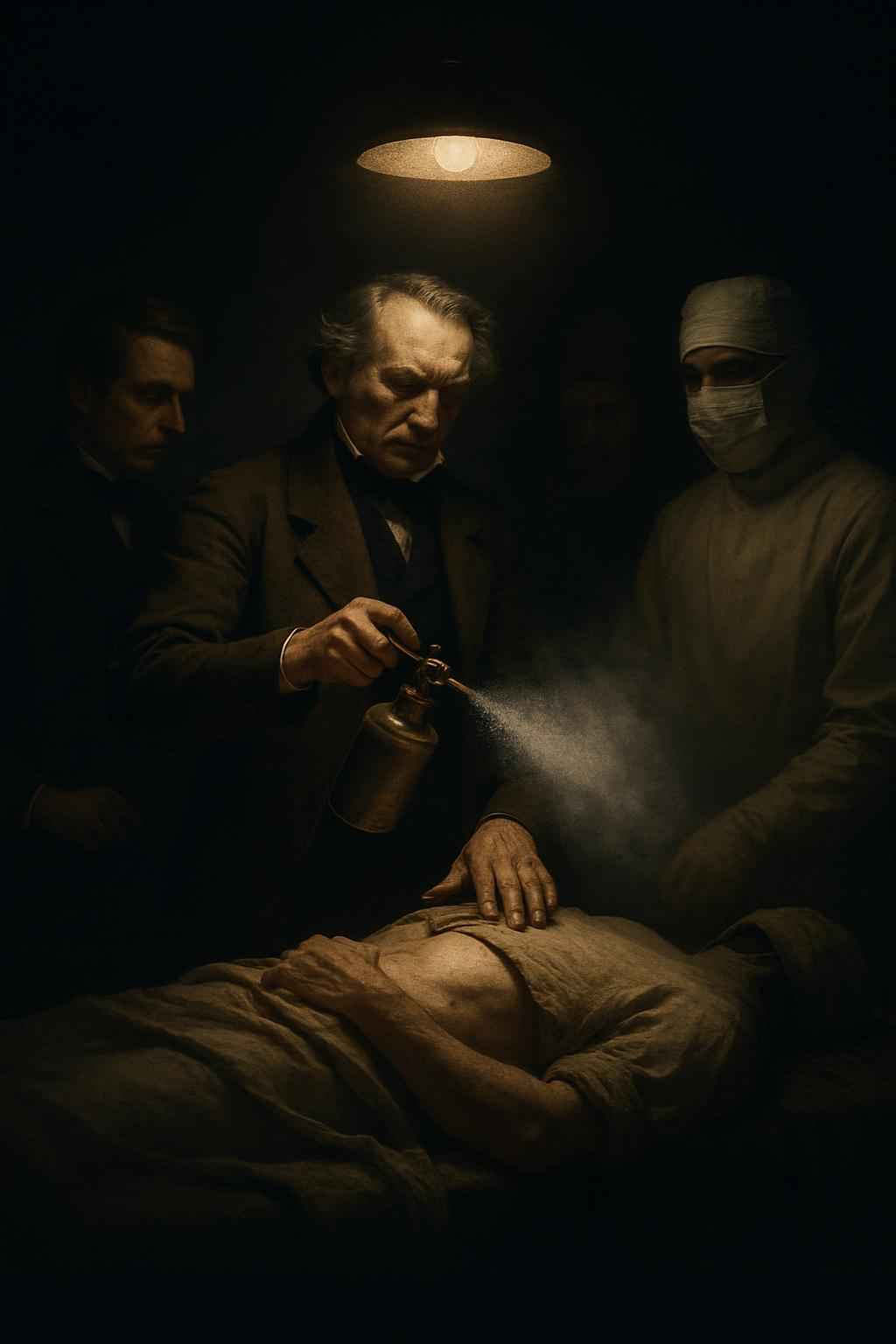
In the 19th century, surgeons operated in street clothes, sometimes after horse rides, with no gloves.
History

In the 19th century, surgeons operated in street clothes, sometimes after horse rides, with no gloves.

In the 19th century, surgeons operated in street clothes, sometimes after horse rides, with no gloves. When Dr. Joseph Lister proposed carbolic acid for…

Discover more
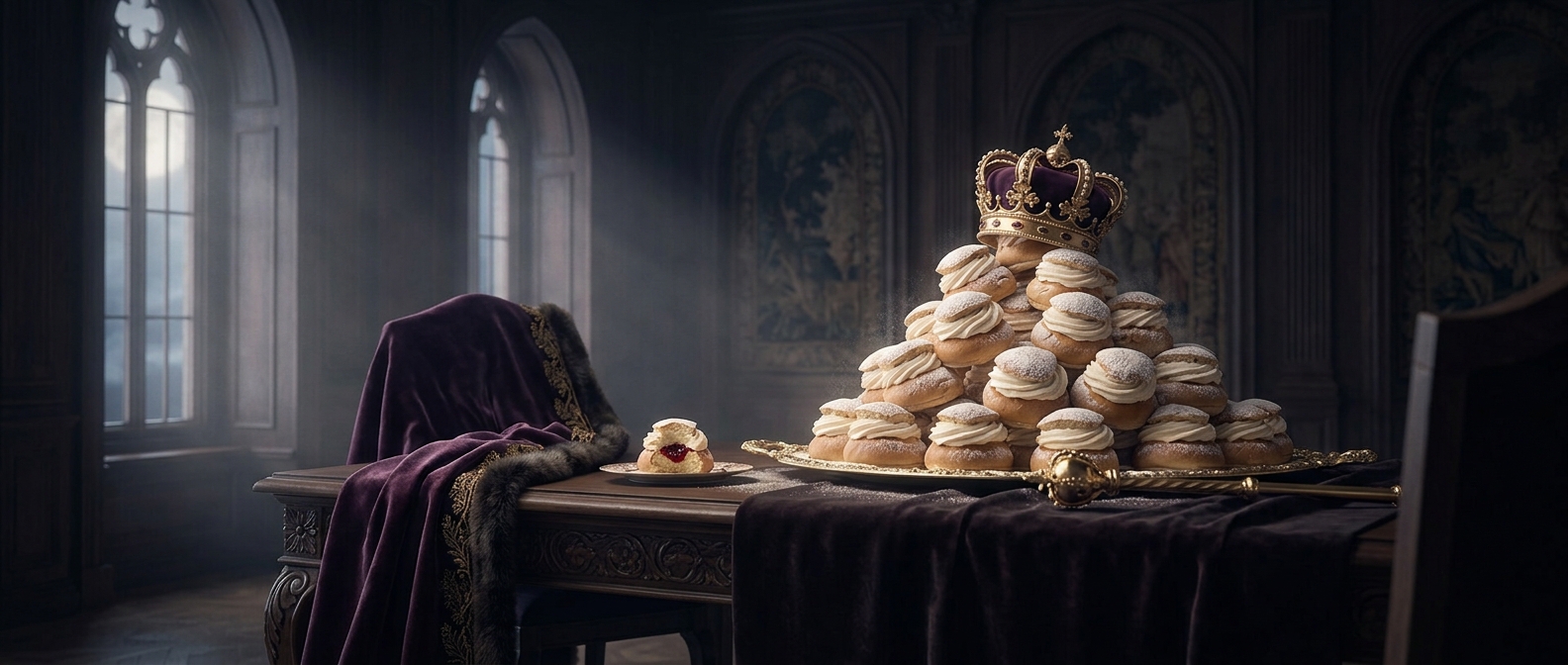
The king who died after 14 semlas
History

The king who died after 14 semlas

King Adolf Frederick of Sweden enjoyed a modest dinner of lobster, caviar, and champagne, followed by exactly fourteen massive servings of his favorite…

Discover more
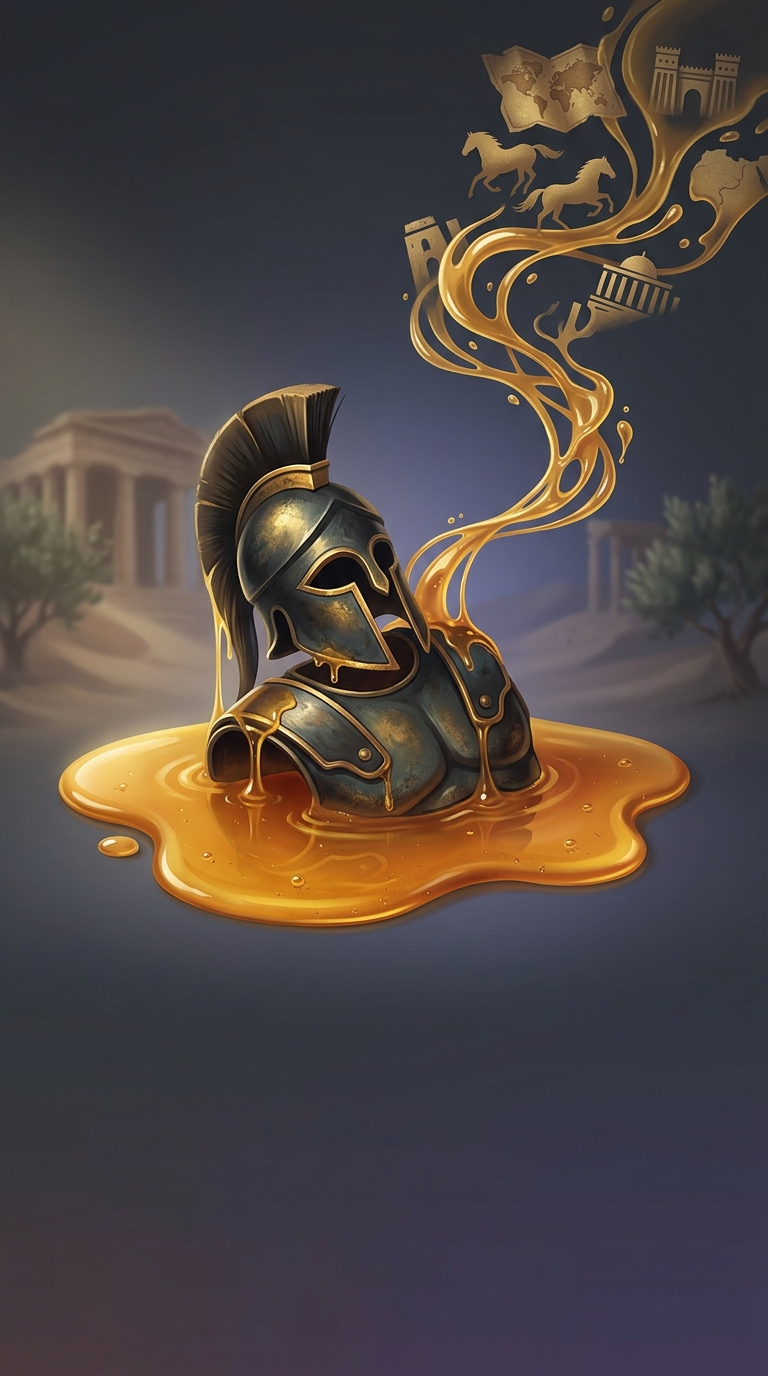
Alexander the Great was preserved in a giant vat of natural honey after he suddenly died from a mysterious illness in Babylon at the remarkably young age of thirty-two.
History

Alexander the Great was preserved in a giant vat of natural honey after he suddenly died from a mysterious illness in Babylon at the remarkably young age of thirty-two.

Alexander the Great was preserved in a giant vat of natural honey after he suddenly died from a mysterious illness in Babylon at the remarkably young age of…

Discover more
StackyMore discoveries in the app
Download on the App Store