The carriage made strangers impossible to ignore
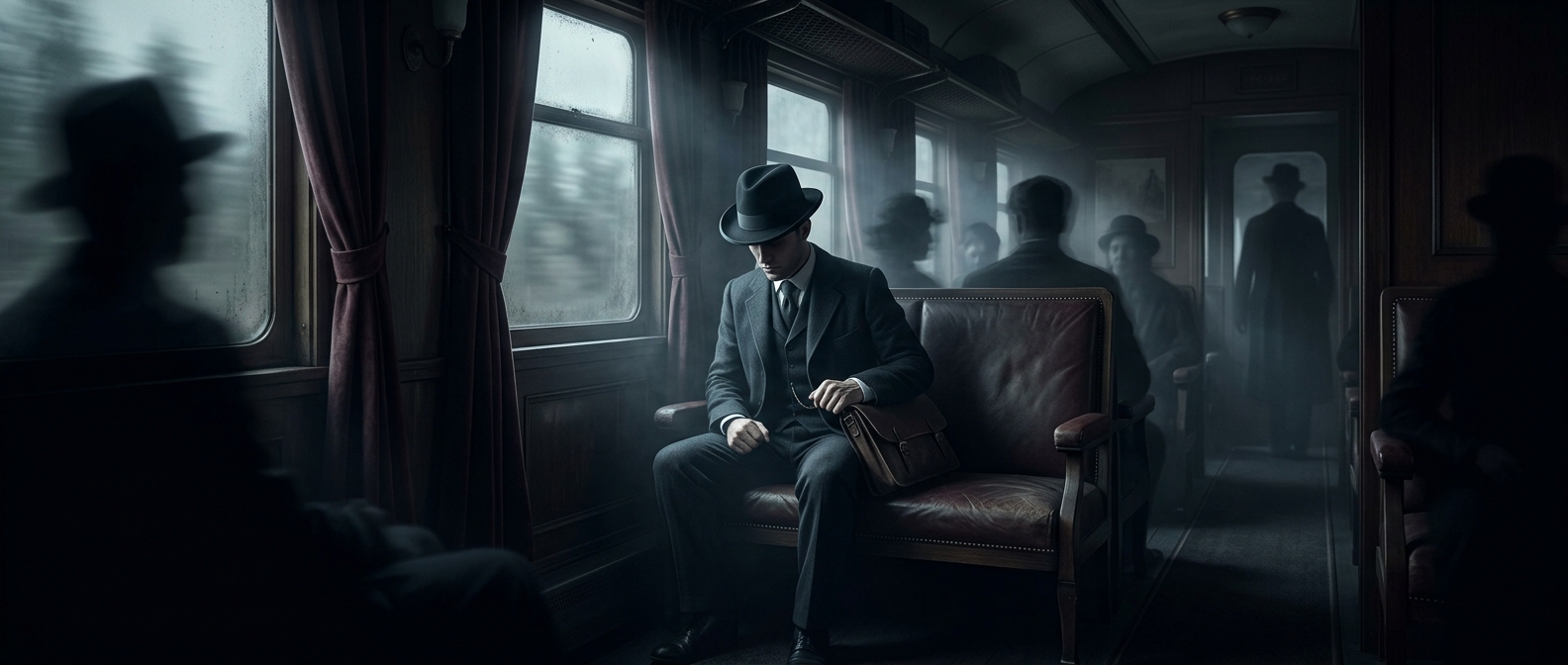
Before railways, many well-off travelers could make a journey in a private carriage, sharing it only with people they knew or had chosen to bring. A train changed that arrangement. Its enclosed compartments placed unrelated passengers close together, often for hours, with little room to move away and no easy way to end an awkward encounter.
The discomfort was not simply fear of crime. A stranger could be difficult to read, and the close quarters made ordinary social choices—whether to speak, where to look, how much space to claim—suddenly conspicuous. For passengers used to privacy, sharing a small space with people outside their own household or social circle could feel like an unwelcome loss of control.
Silence became a kind of boundary
Passengers developed ways to manage that forced closeness. Avoiding eye contact or conversation could signal that they wanted to be left alone without creating an open confrontation. It was an invisible wall: not a physical barrier, but a piece of etiquette that let people coexist in a space they could not easily escape.
The railway’s lasting social change was not only that it carried people farther or faster. It made strangers into temporary seatmates—and turned the question of how to behave around them into part of the journey.