History
Discover facts about history. Small discoveries that change the way you see familiar things.
History
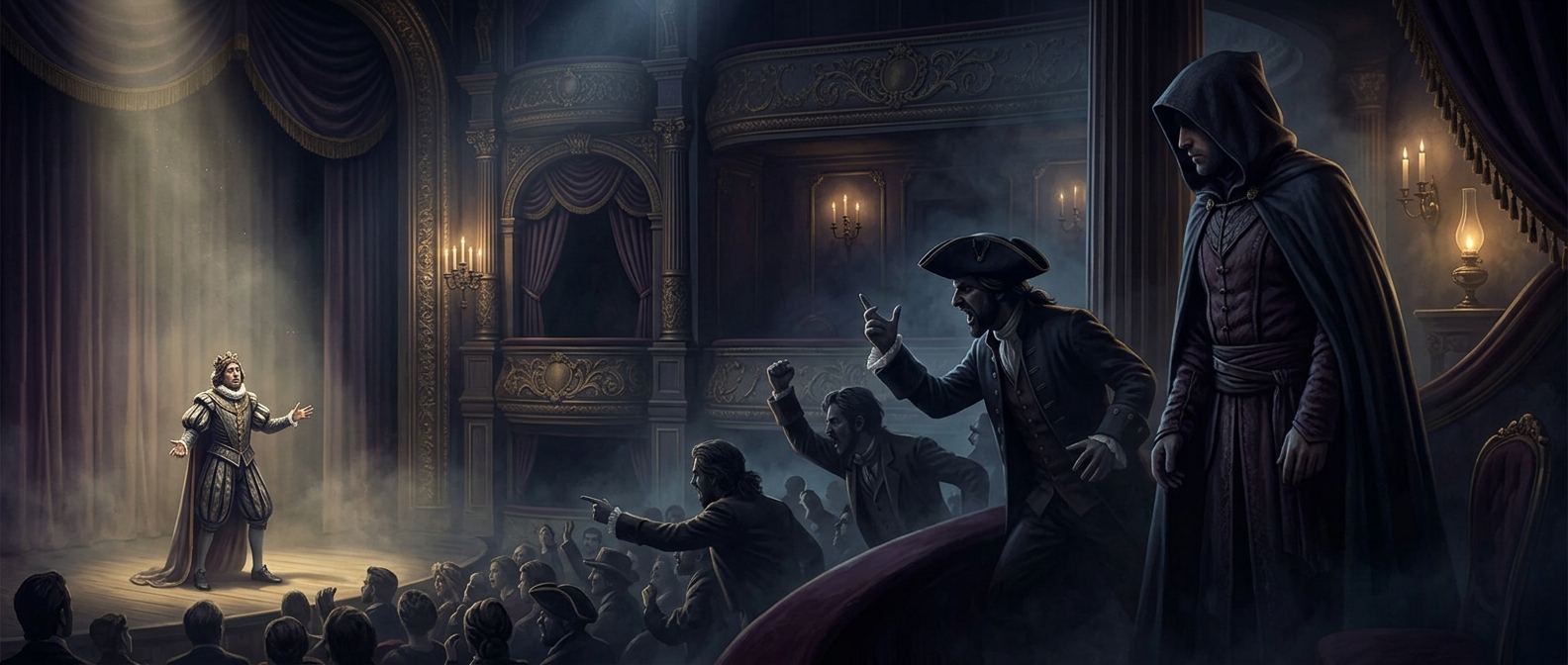
Theater applause used to be a paid job
A claque was a group hired to applaud performers. Its members supplied the reaction a production wanted the rest of the audience to join. Before online likes…
Discover more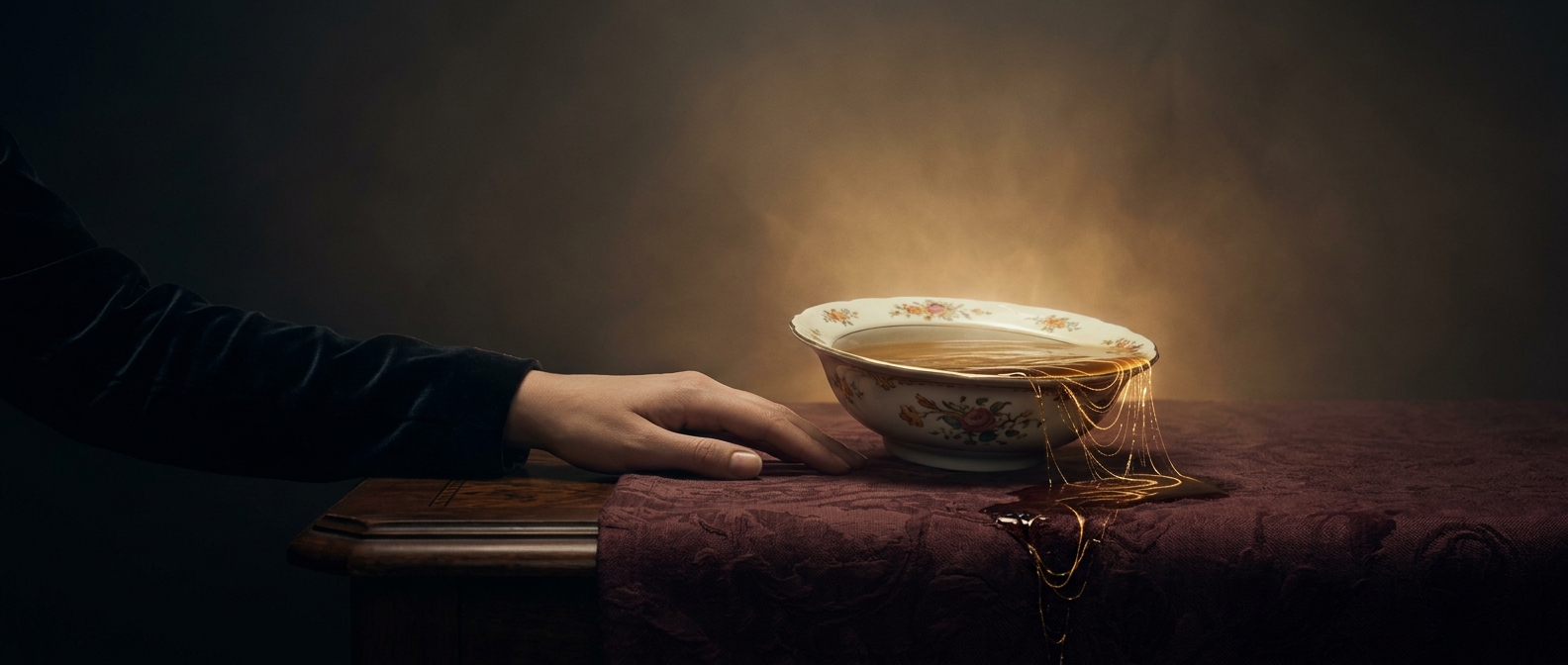
Why diners once tilted bowls away from themselves
Etiquette guides treated pulling a bowl toward yourself as uncivilized, so diners were told to tilt it away—even if that made spilling more likely. Good…
Discover more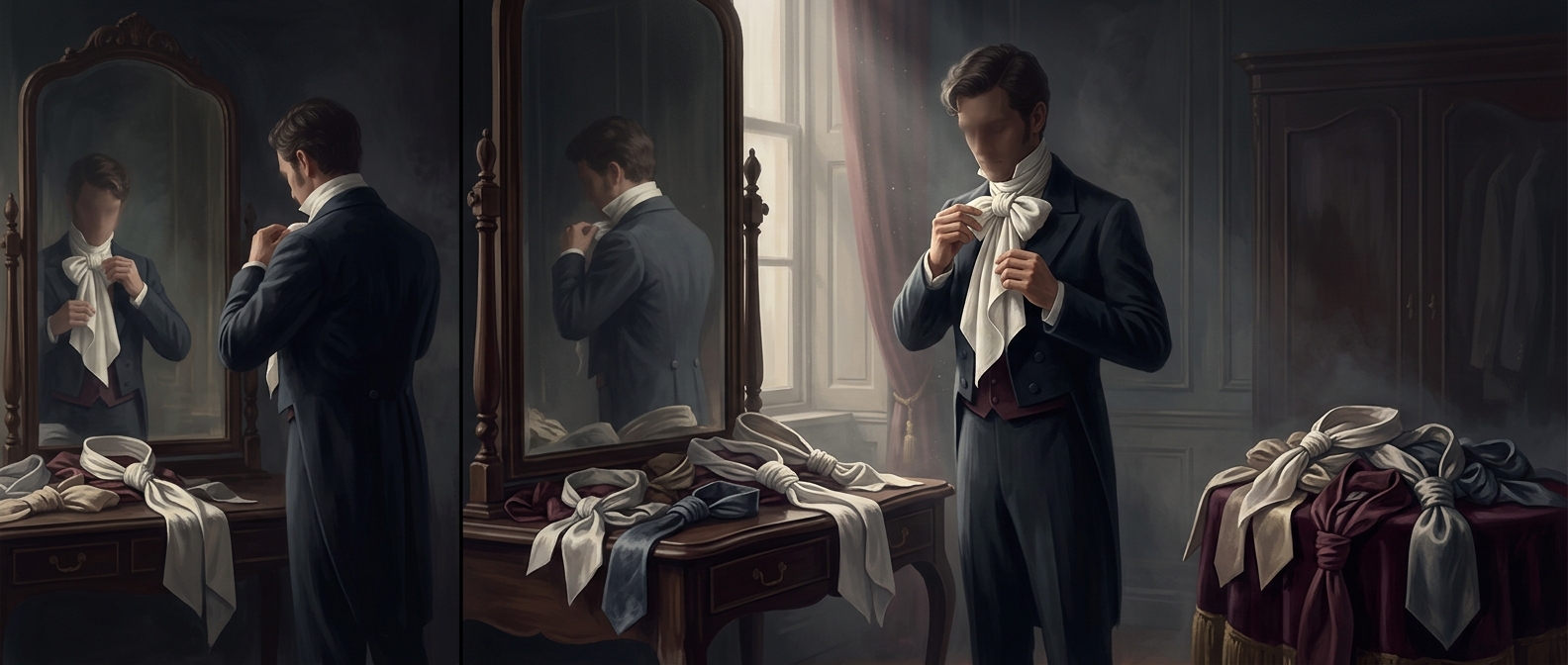
Intricate neckcloth knots took hours to properly assemble
The predecessor to the modern tie was a large piece of starched fabric that could take an entire morning to wrap, fold, and knot. A coffeehouse visit began…
Discover more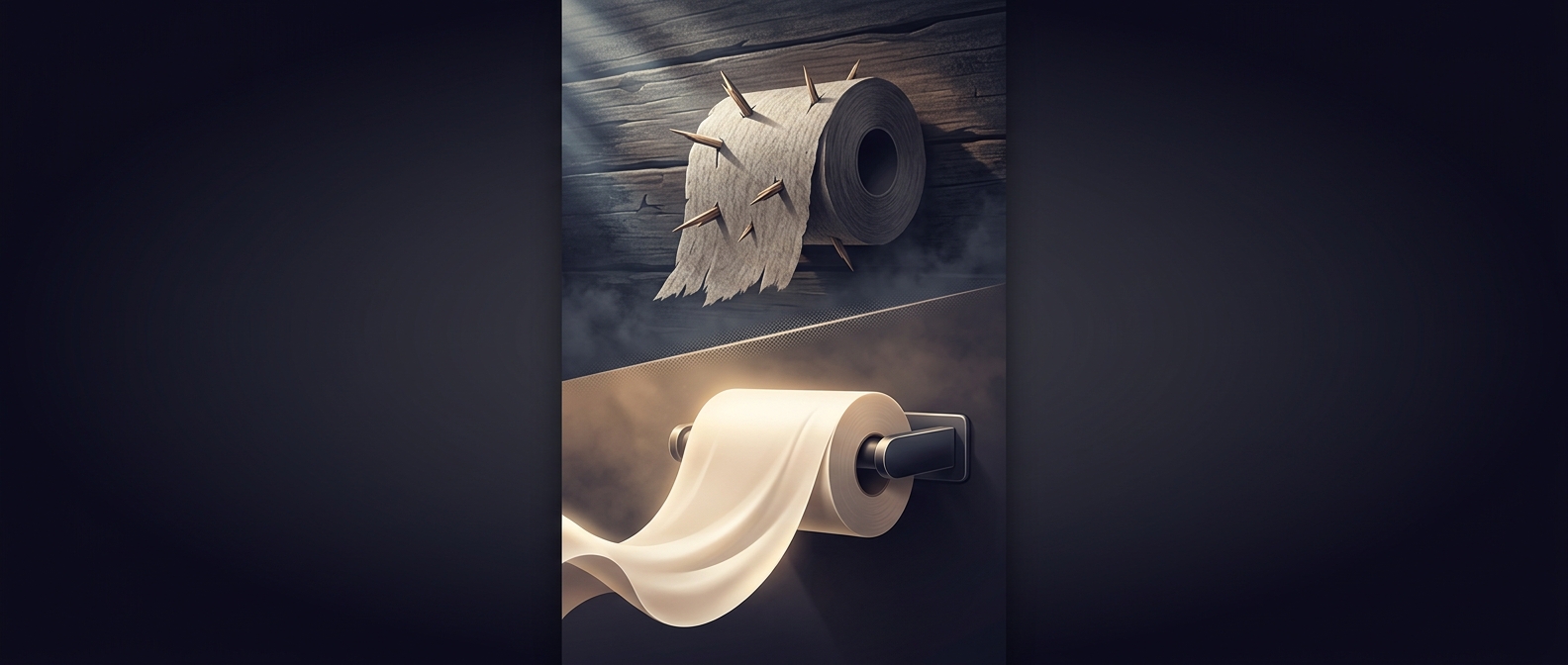
Toilet paper once came with splinters
Late-19th-century toilet paper could contain wood splinters. In 1935, Northern Tissue advertised “splinter-free” tissue—a selling point that tells you what…
Discover more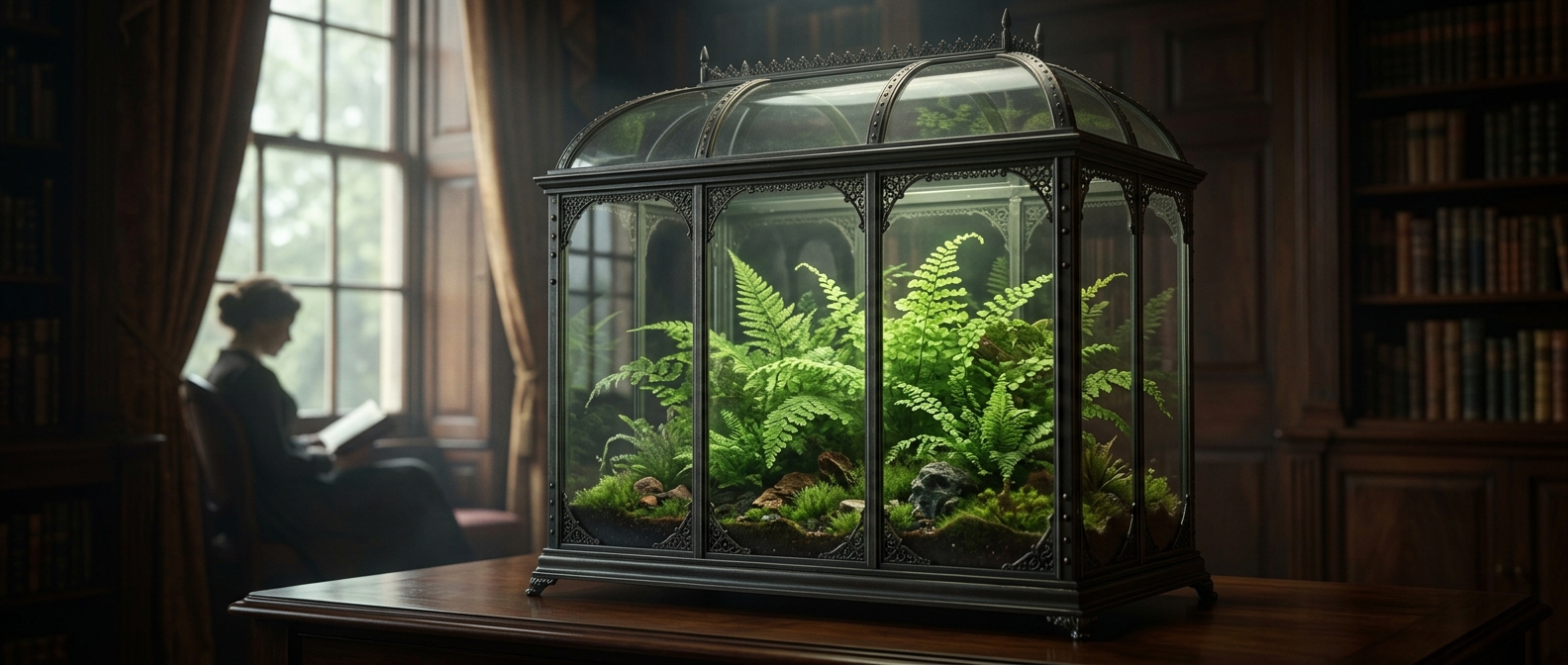
A sealed glass case helped living plants cross oceans
Nathaniel Ward noticed a fern thriving in an enclosed container and developed the Wardian case. Moisture could circulate inside while the glass protected…
Discover more
Ice-cream cones had competing origin stories
The 1904 St. Louis World's Fair helped make edible cones famous, with vendors said to have paired rolled waffles and ice cream. But Italo Marchiony had…
Discover more STACKY FOR IPHONE
A bigger world.
One discovery
at a time.
Keep discovering with Stacky. Interesting facts in an app that is always within reach.

Badminton began as India's game of Poona
British players brought the Indian game of Poona back to England, then renamed it after Badminton House and recast it as a genteel lawn game. The sport…
Discover more
Why corgis are so low to the ground
Corgis were bred to stay low so they could nip at livestock’s heels and dodge kicks from cattle.
Discover more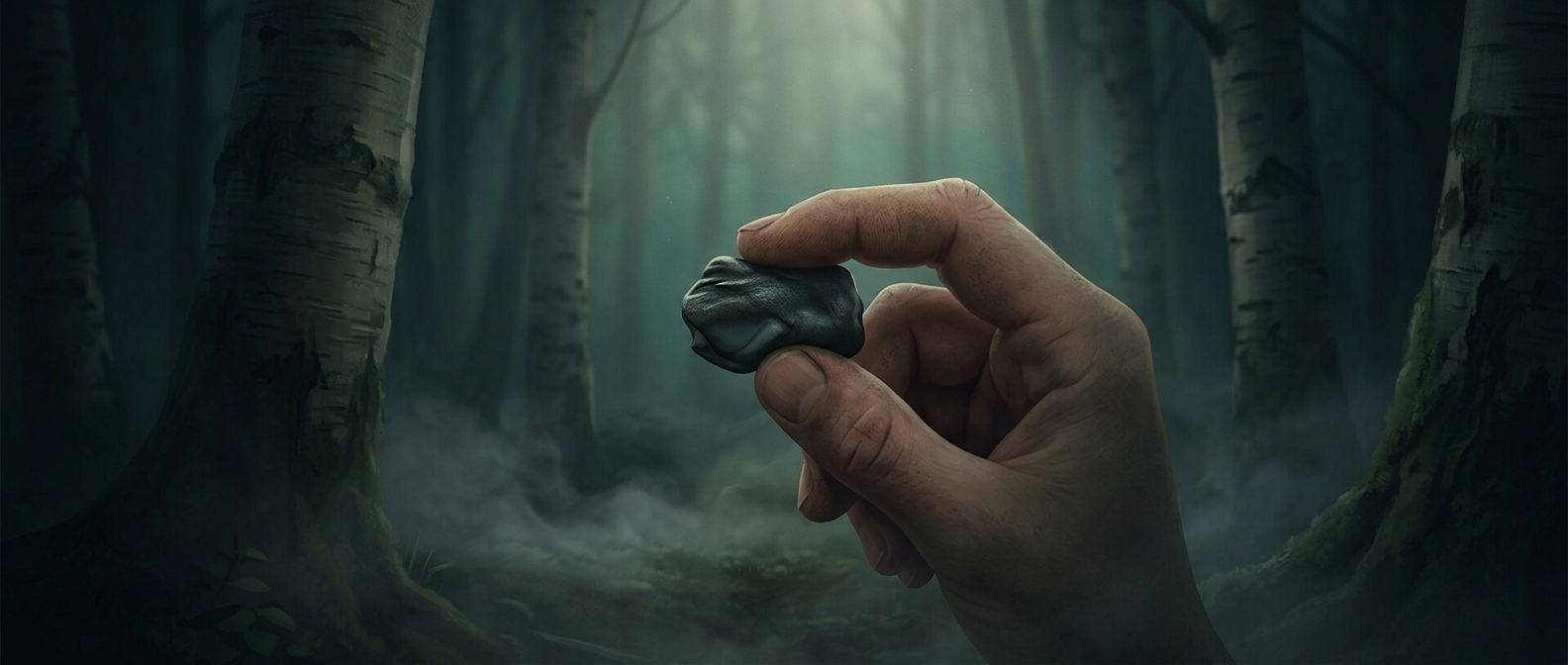
Ancient Europeans chewed birch tar like gum
Tooth-marked lumps of birch-bark tar show that ancient Europeans chewed it like gum, though it was a far cry from minty breath freshener.
Discover more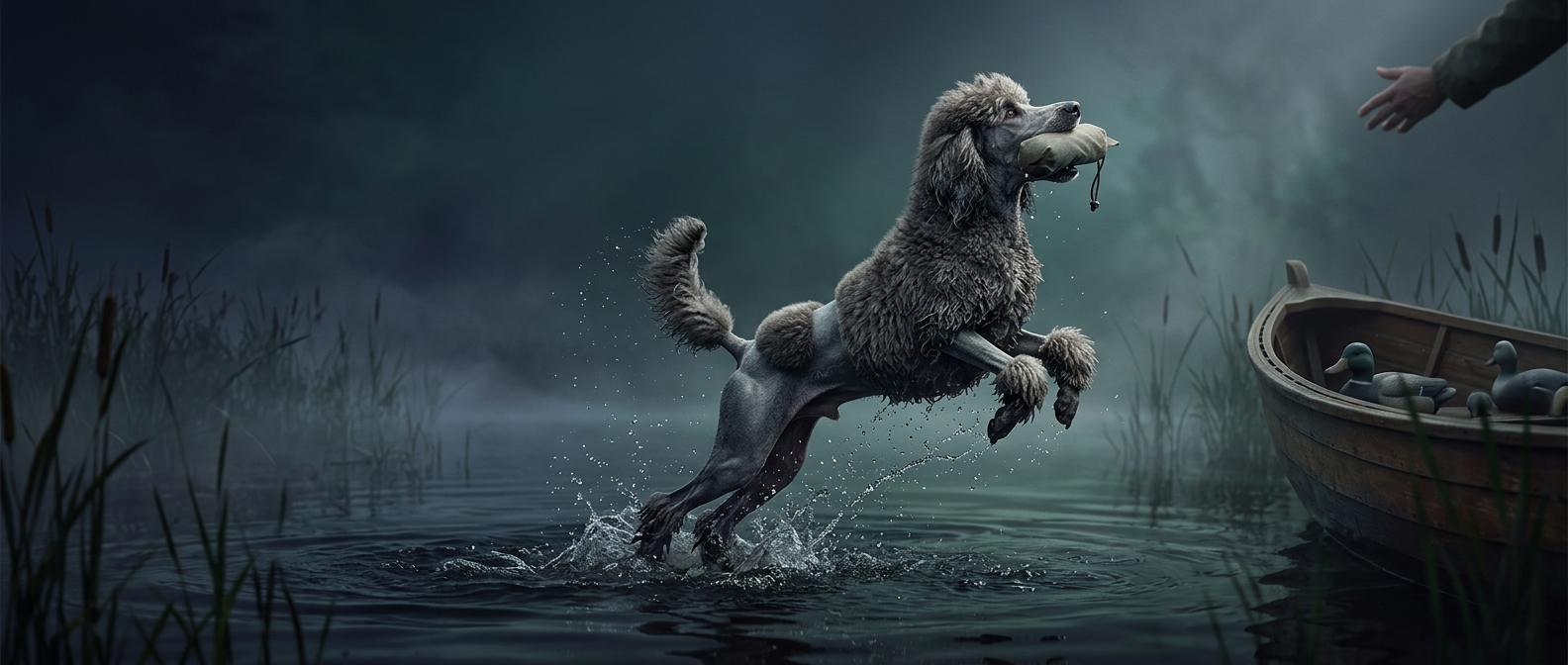
Why poodles have those strange haircuts
The clips were working gear, not just decoration: hunters shaved much of a poodle’s coat to help it move through water, leaving fur around its joints and…
Discover more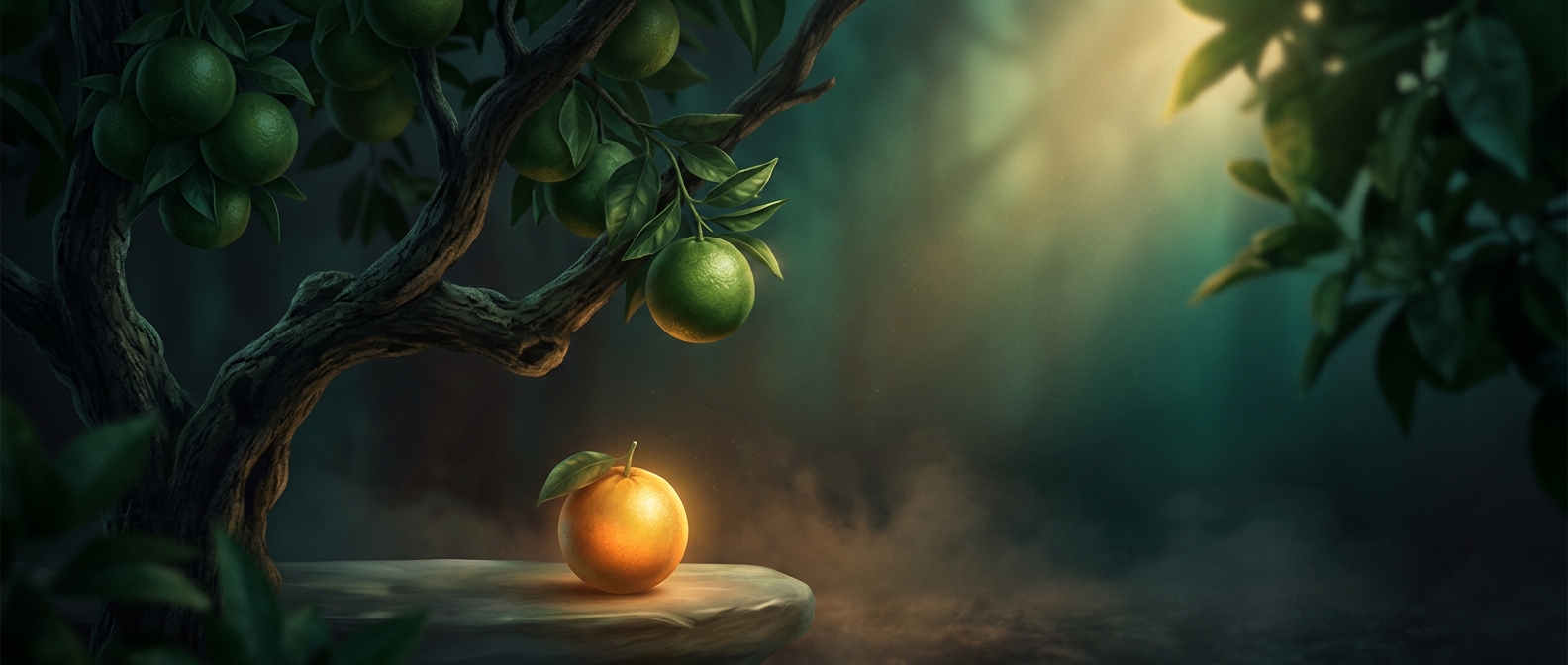
Why ripe tropical oranges can stay green
In warm climates, ripe oranges can stay green because the peel’s chlorophyll doesn’t break down. Some growers use ethylene to remove the green color, since…
Discover more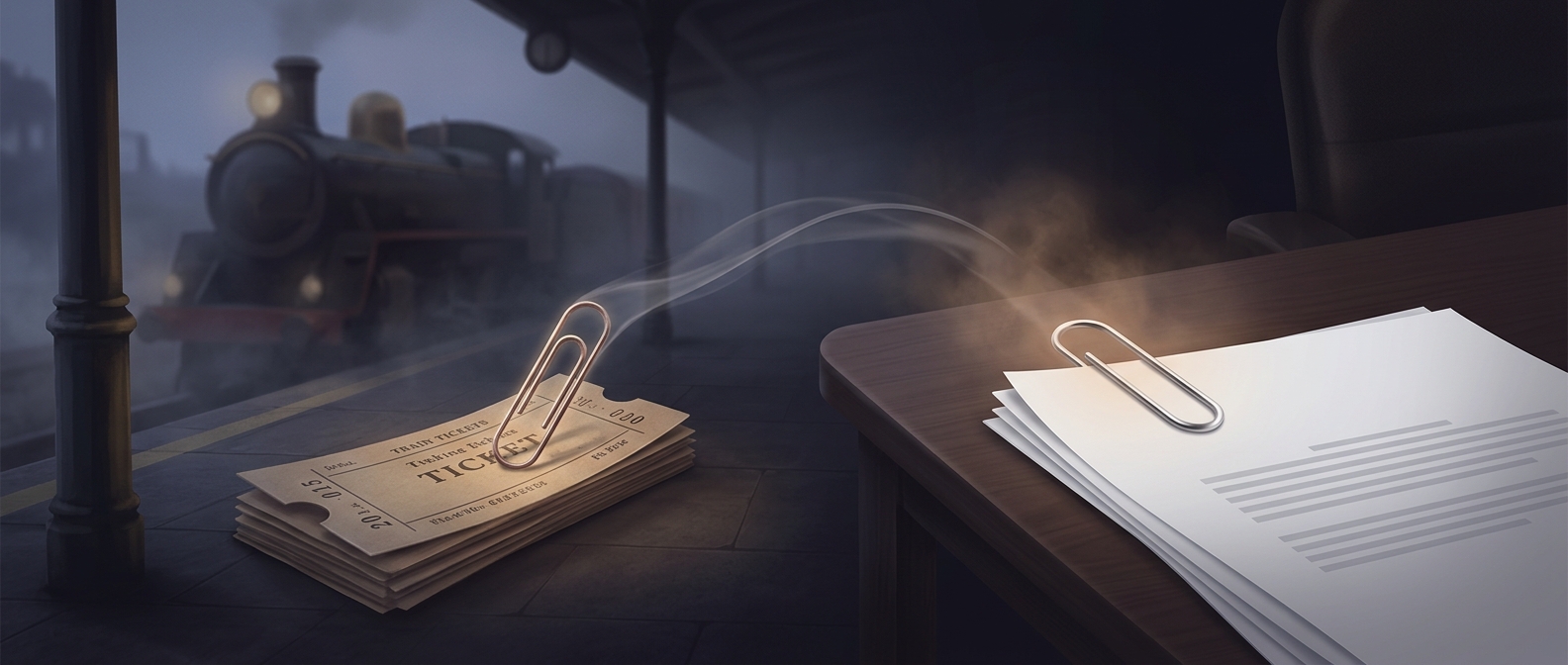
An early paperclip was patented to attach tickets without piercing cloth
Samuel B. Fay's 1867 design gripped a ticket to fine fabric in place of a pin. The patent also recognized a use for fastening papers together. The useful idea…
Discover more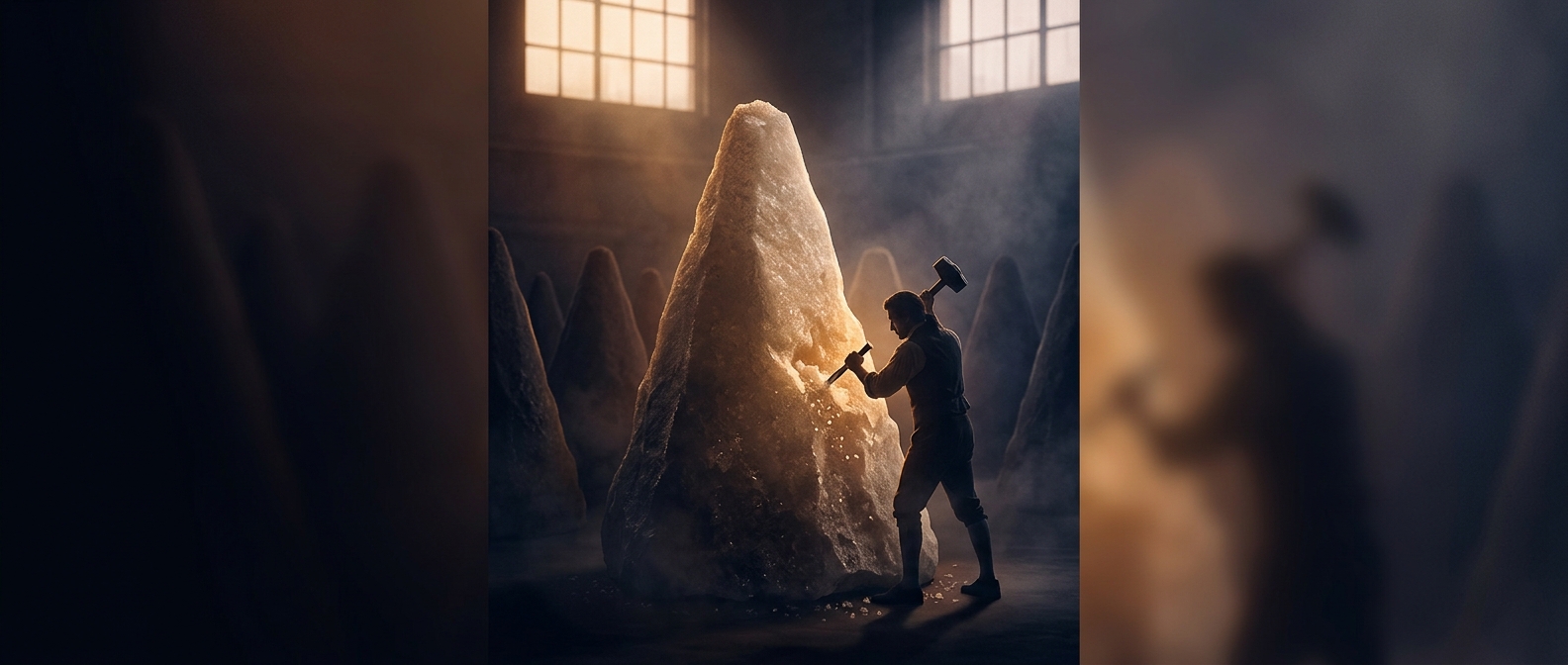
When sugar came in giant rock-hard cones
Before granulated sugar was common, refined sugar came in hard cones. People used metal nippers to break off a chunk for tea—sweetness, but not on demand.
Discover more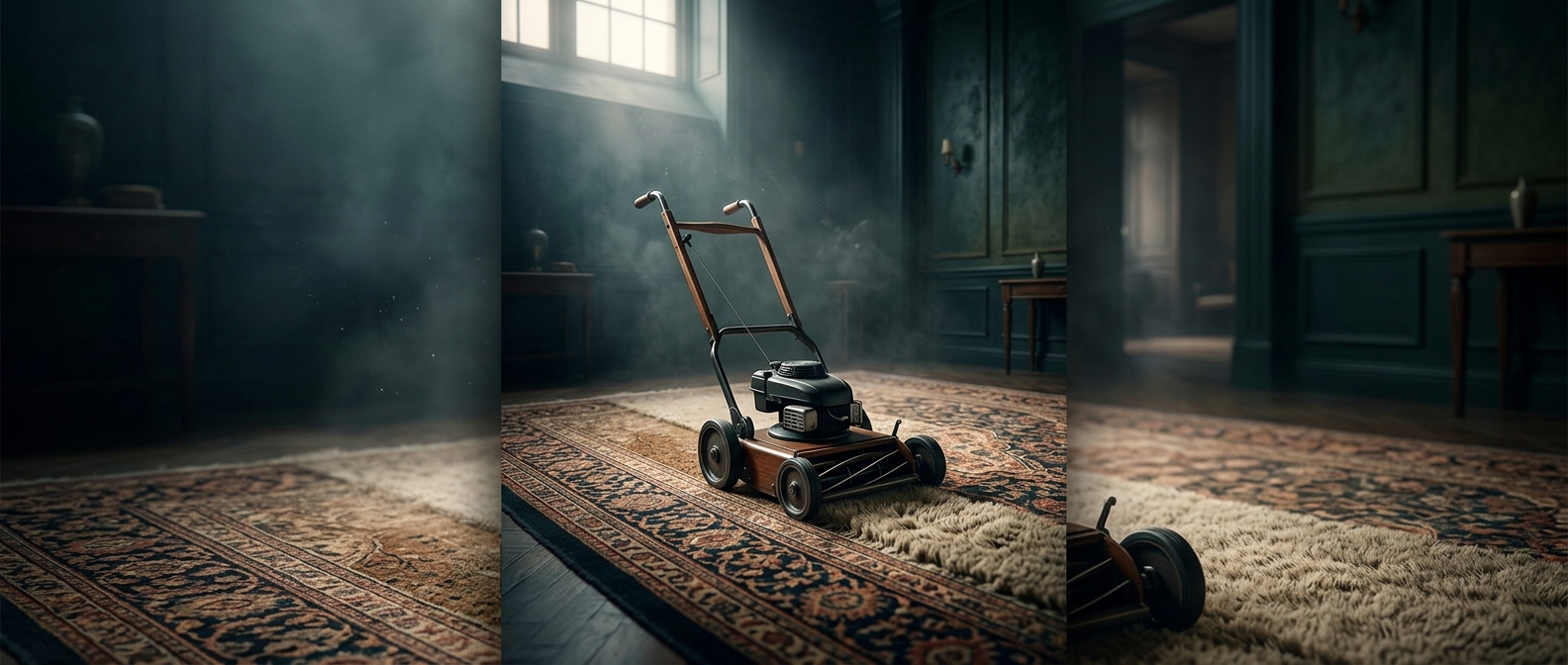
The lawn mower borrowed an idea from cloth finishing
Edwin Budding adapted a rotating cutting mechanism used to trim the surface of woolen cloth. His 1830 mower patent brought that controlled, even cut to grass.…
Discover more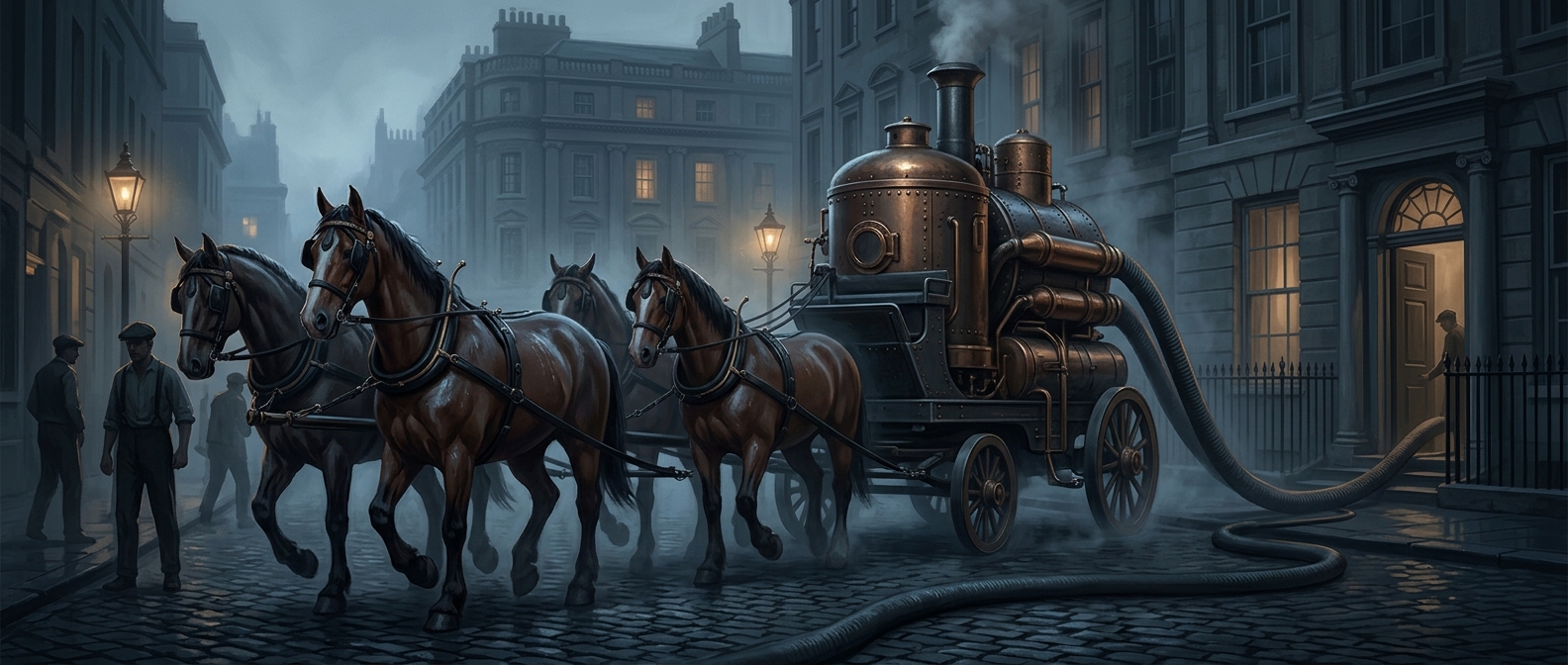
An early vacuum cleaner had to park outside your house
Hubert Cecil Booth's early powered cleaner was too bulky to carry from room to room. His business brought the machine to a building and ran long suction hoses…
Discover more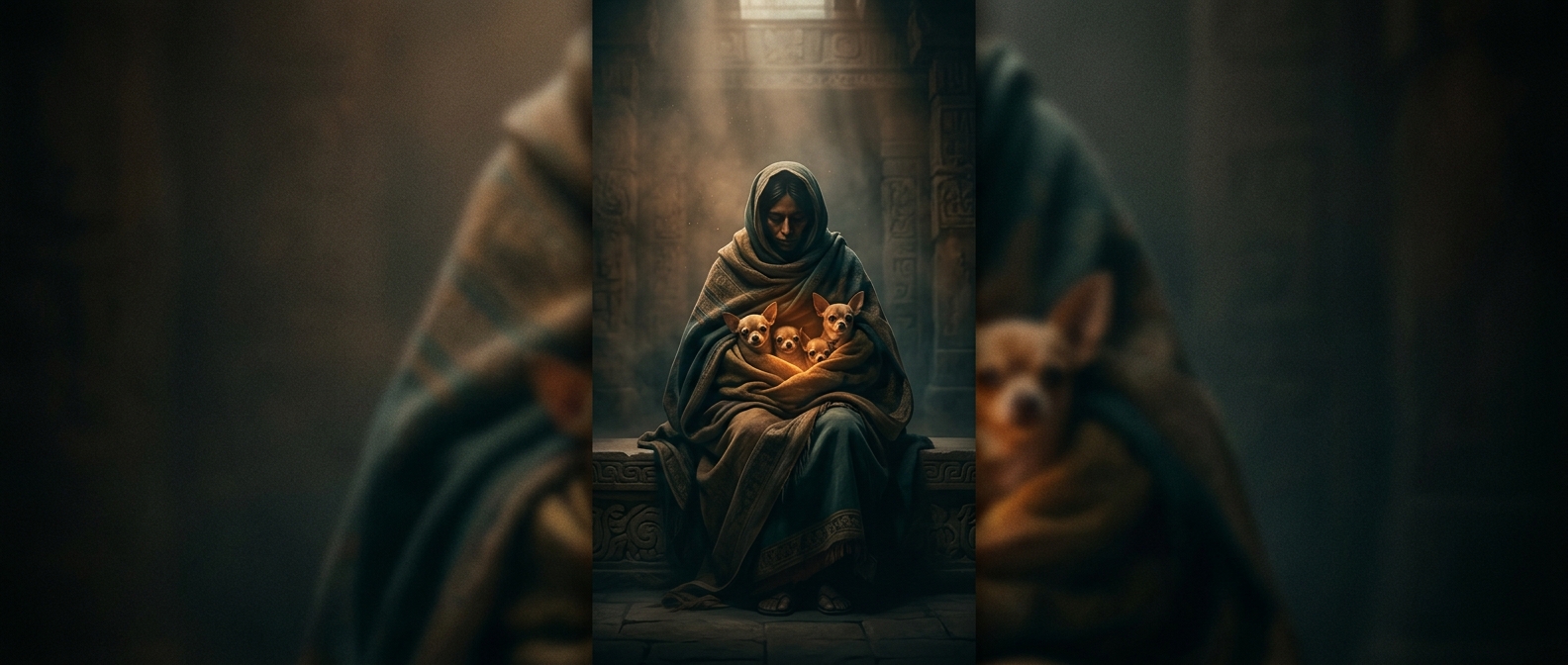
The Chihuahua's story reaches back to older Mexican dogs
The breed is associated with the small Techichi kept in pre-Hispanic Mexico, although its ancestry is not a complete paper trail. The modern breed later…
Discover more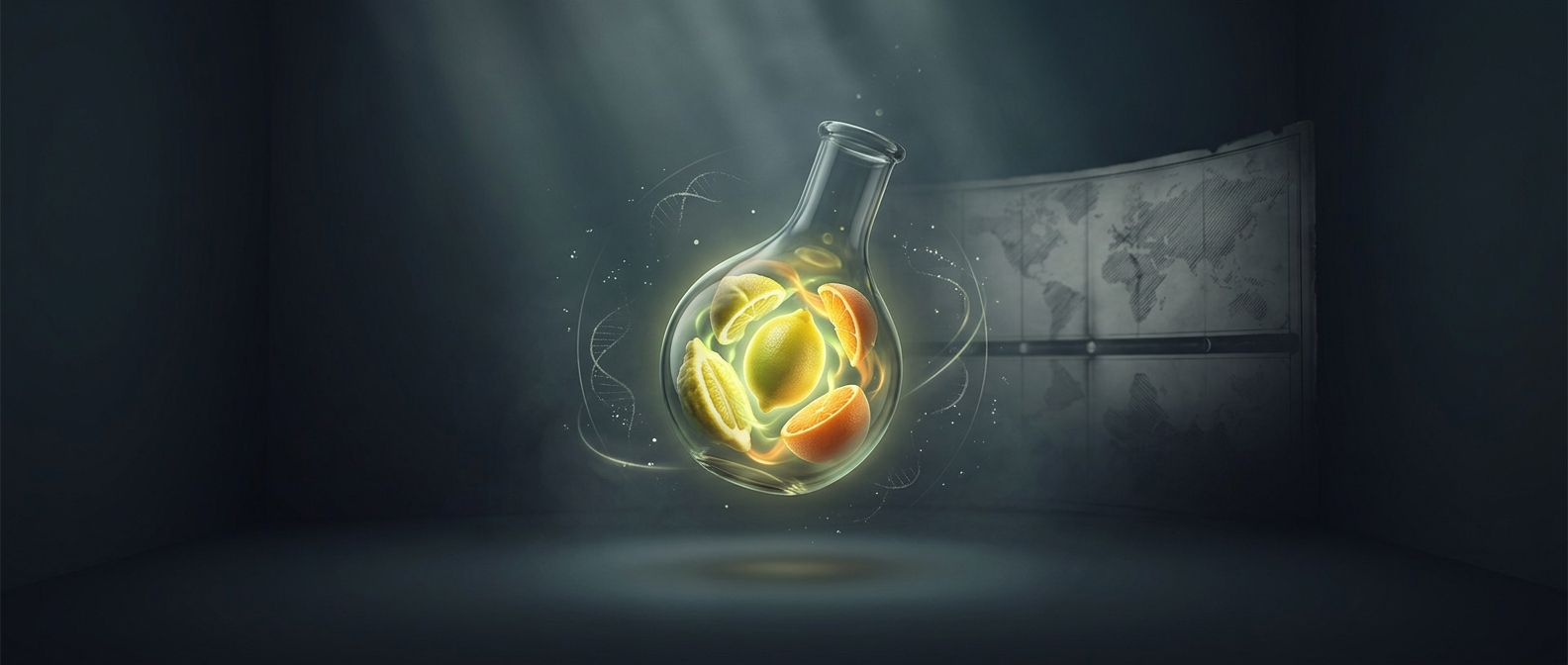
A lemon has an orange in its family tree
Genome research identifies lemons as hybrids of citron and sour orange. Sour orange itself has mandarin and pomelo ancestry, making the familiar yellow fruit…
Discover more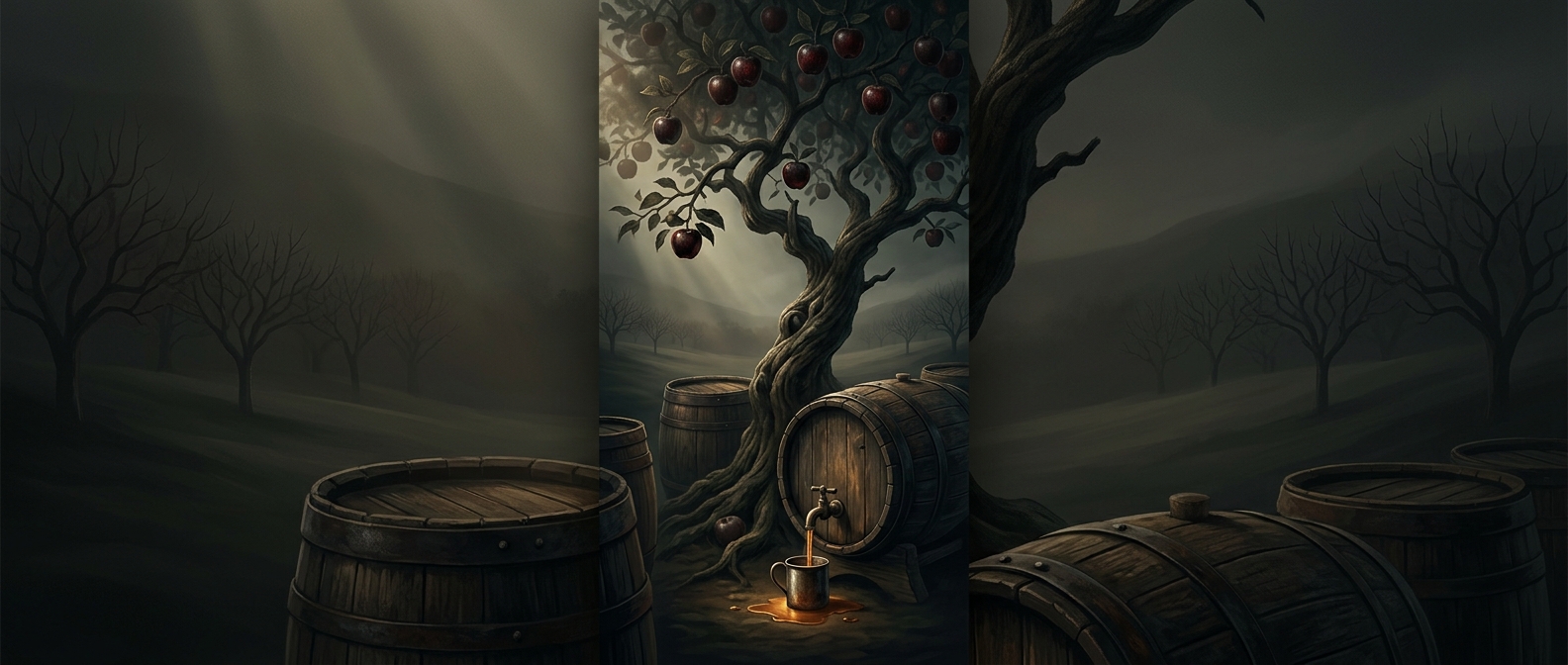
Johnny Appleseed's orchards were useful for making alcohol
Trees grown from apple seeds do not reliably reproduce the sweet fruit they came from. Many of the resulting apples were better suited to pressing and…
Discover more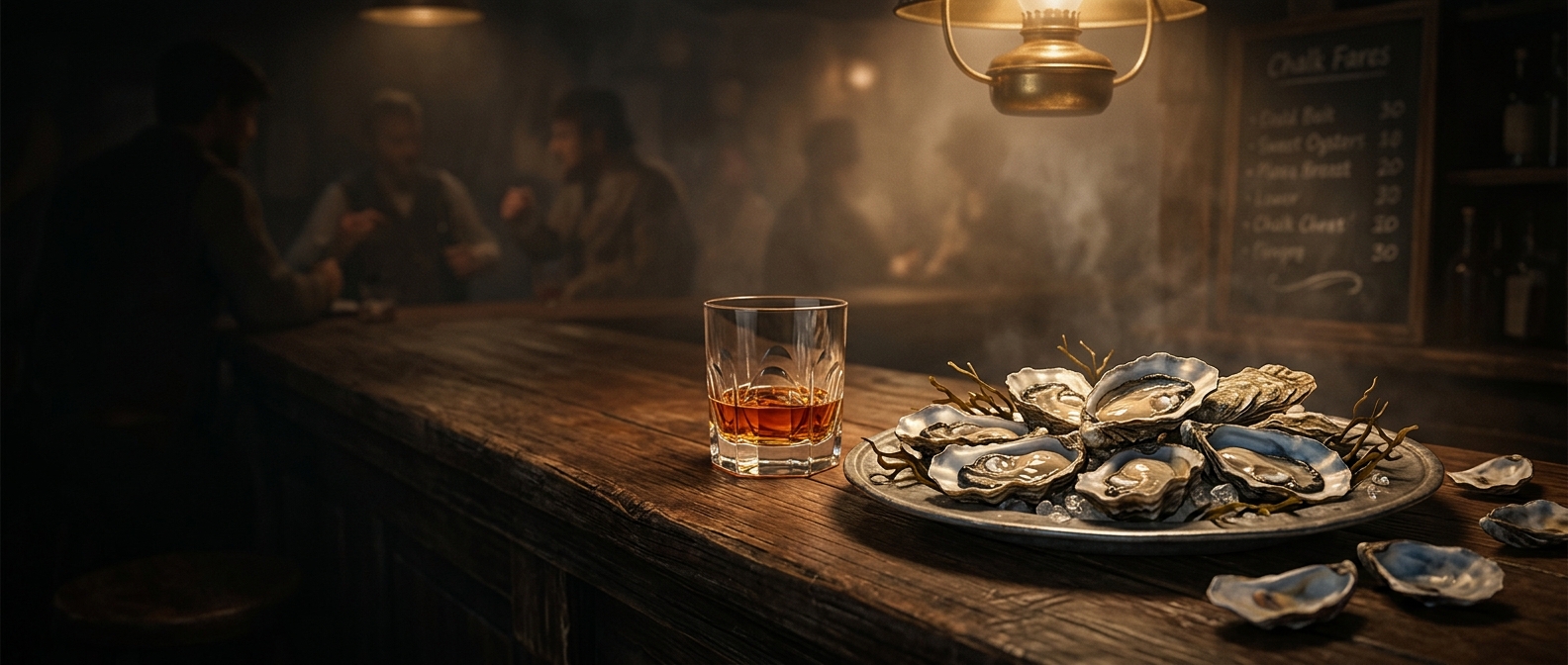
Why taverns gave away oysters with beer
Oysters were cheap and plentiful in 19th-century taverns, so bars gave them away with beer. The salty snack made customers thirstier, turning a giveaway into…
Discover more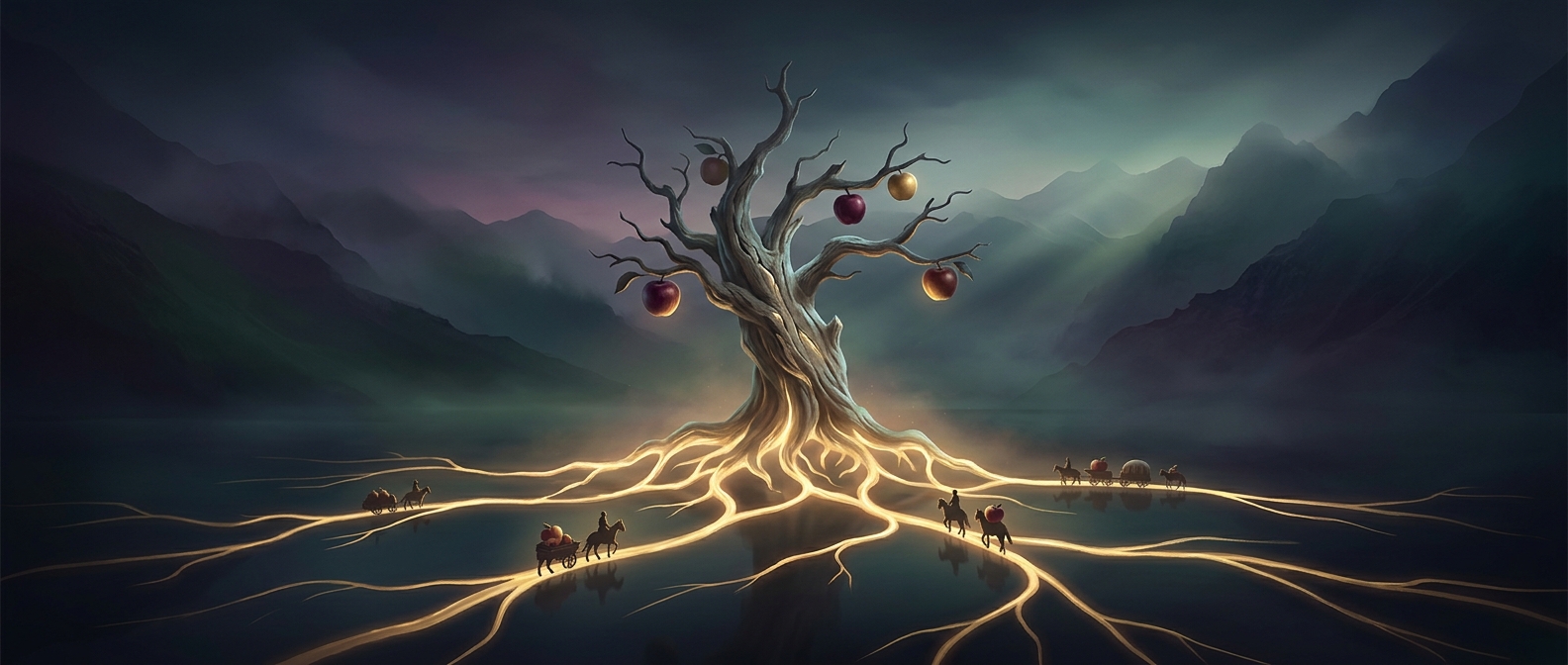
The supermarket apple has wild relatives in Kazakhstan's forests
Malus sieversii, a major ancestor of cultivated apples, still grows in Central Asian mountain forests. Its fruit varies widely, giving breeders a reservoir of…
Discover more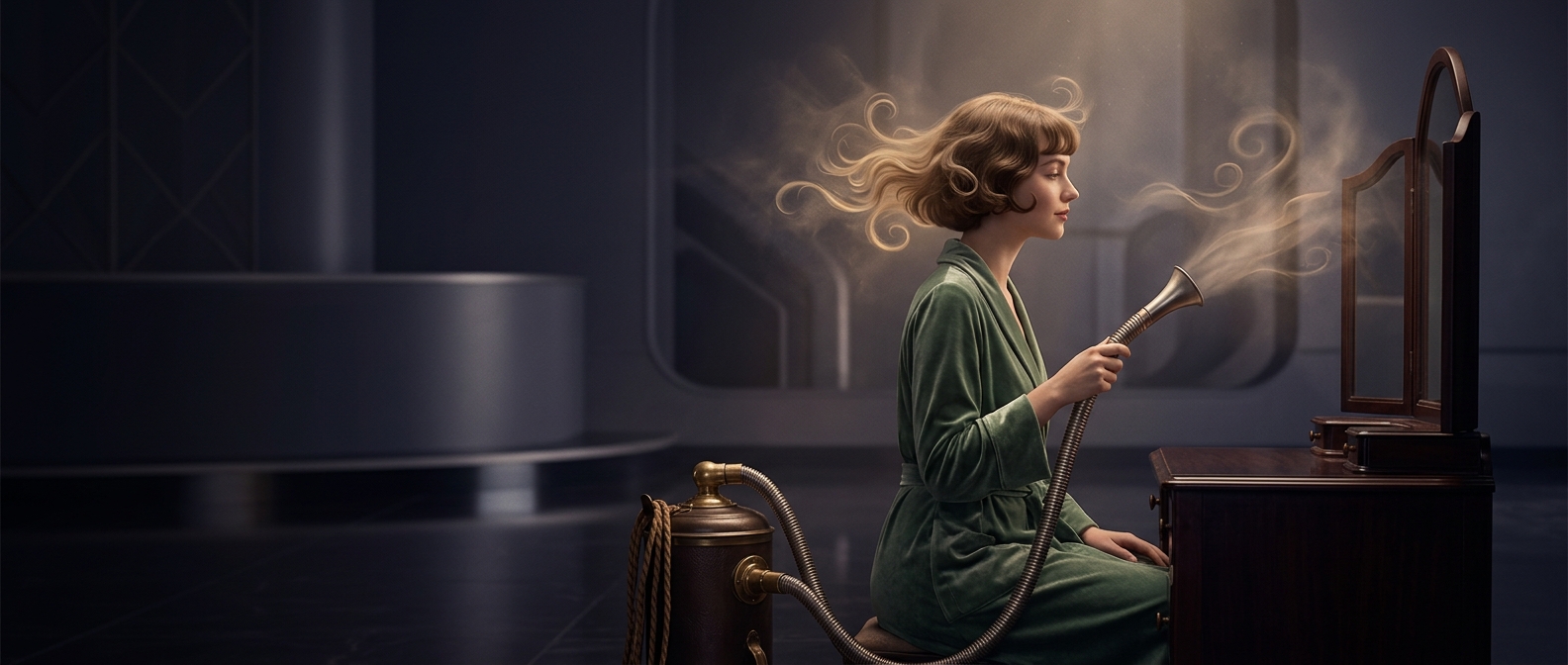
When hair dryers were vacuum cleaner attachments
Before handheld dryers were practical, a vacuum cleaner could double as one: attach a hose to its exhaust and motor-warmed air blew over your hair. It solved…
Discover more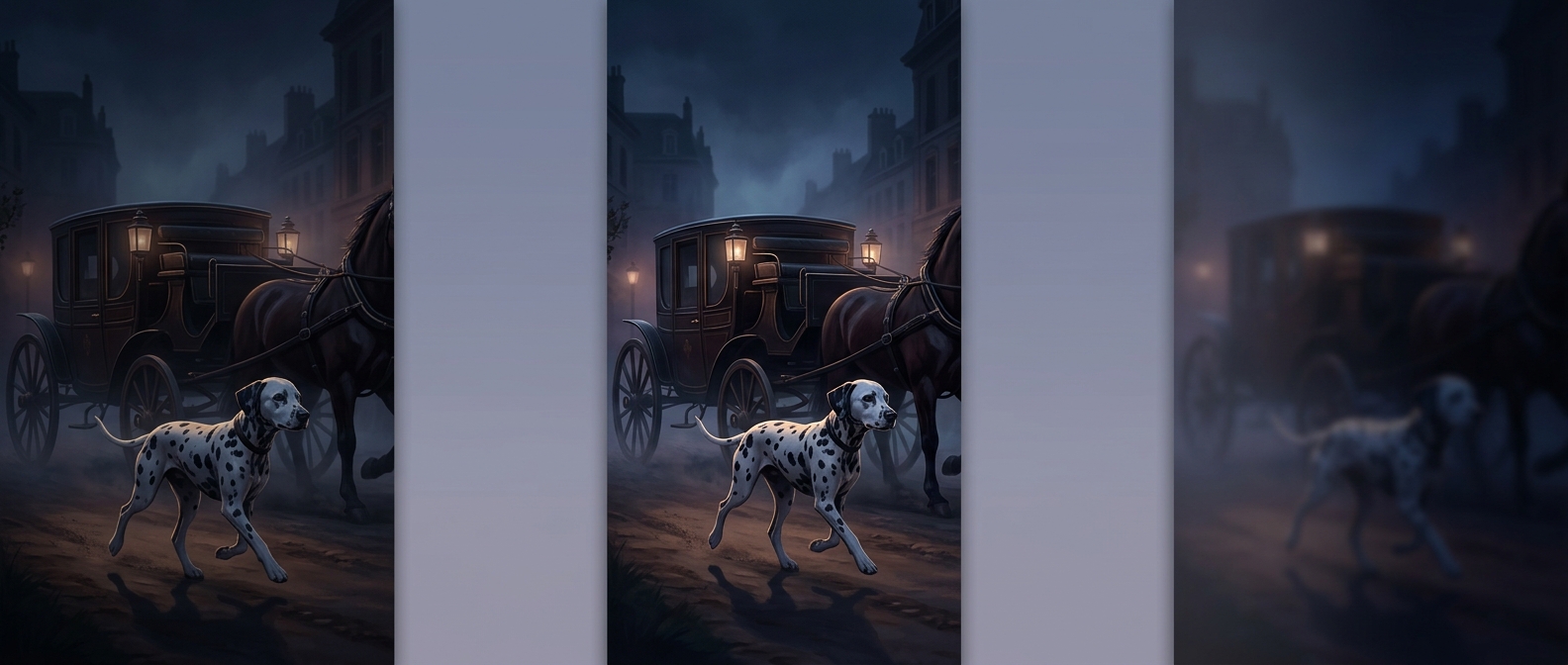
Why Dalmatians once ran beside horse carriages
Dalmatians had the stamina to keep pace with horse-drawn carriages. They barked to clear the road and guarded the horses from predators, making them working…
Discover more
Twinkies were once filled with banana cream
The original 1930s recipe used whipped banana cream, but a banana shortage prompted the company to switch to vanilla filling.
Discover more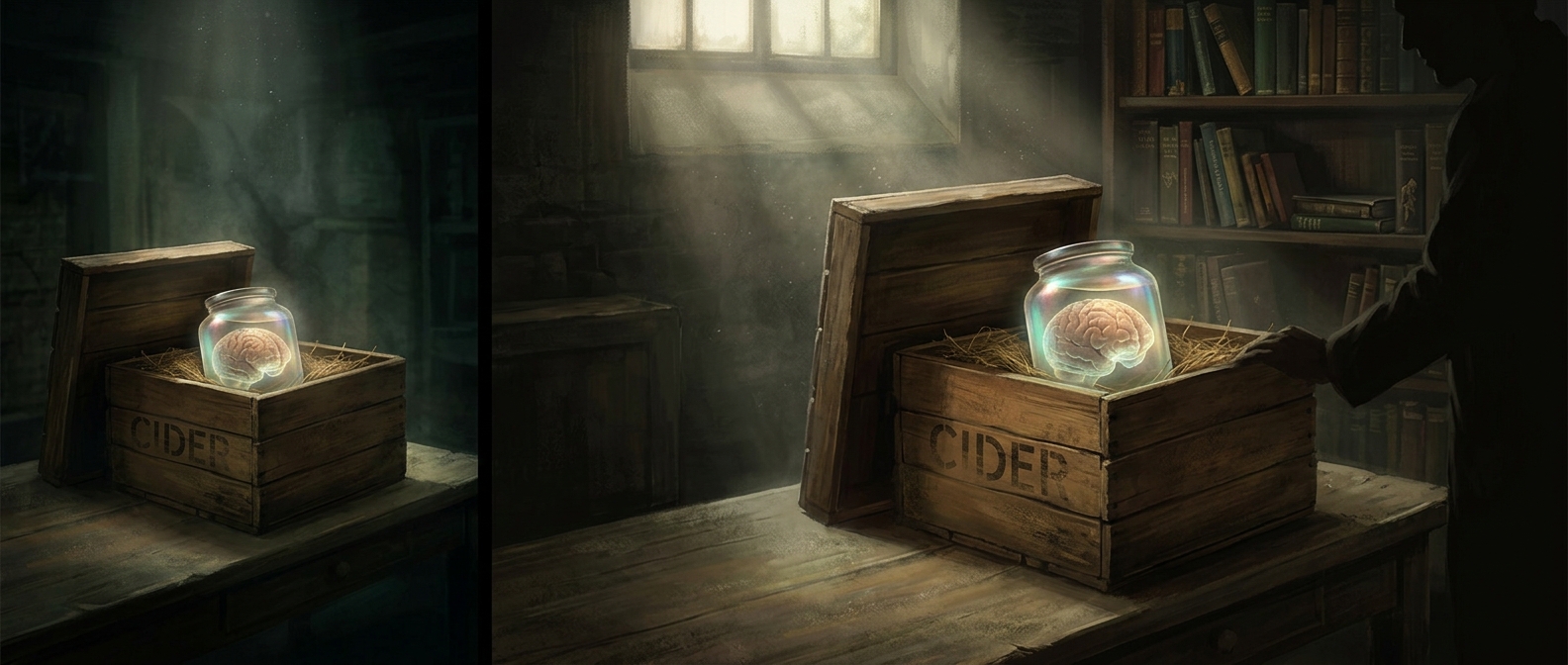
Einstein's brain spent decades in jars
The pathologist who performed Einstein's autopsy removed his brain without his family's permission, then kept it in jars for decades and sometimes mailed…
Discover more