History
Discover facts about history. Small discoveries that change the way you see familiar things.
History
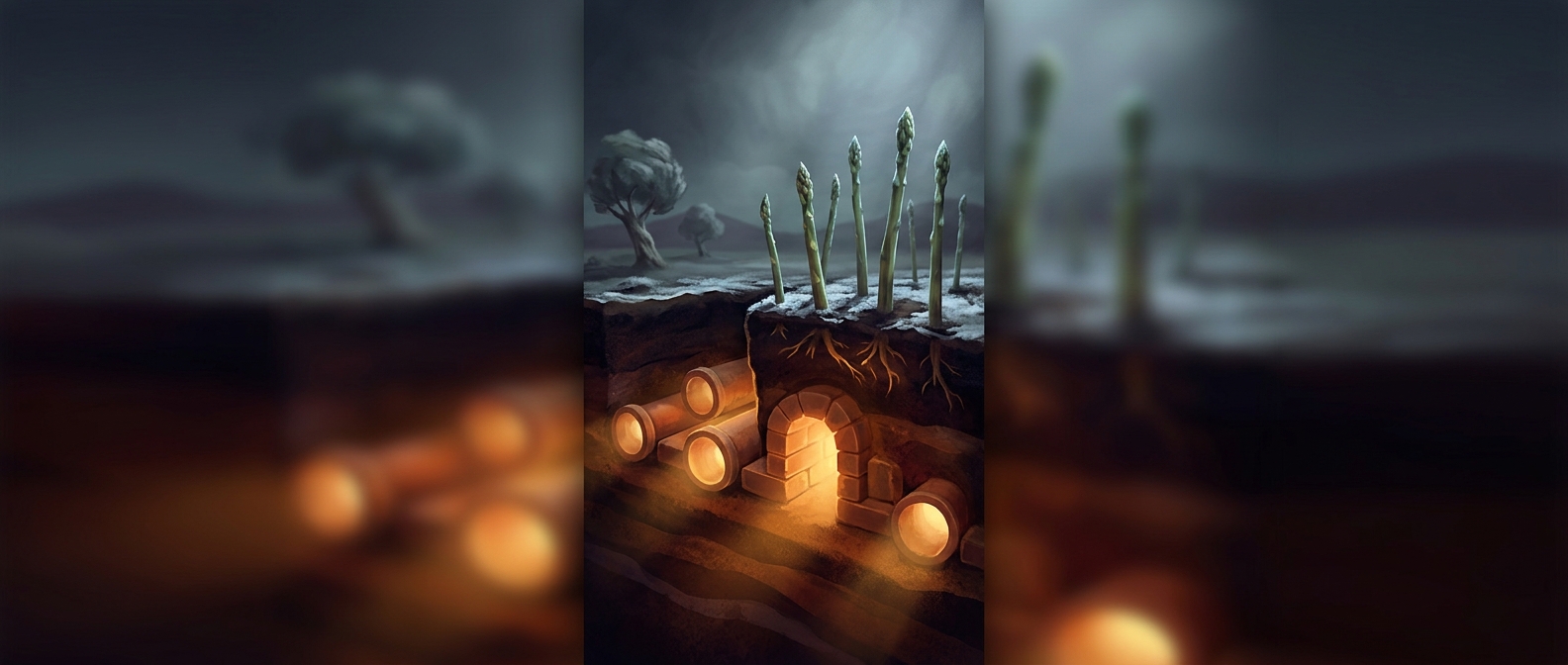
How manure helped aristocrats grow asparagus early
Gardeners buried asparagus in steaming manure to coax it up before spring. The aristocratic shortcut was to turn a farmyard heap into an early-season hotbed.
Discover more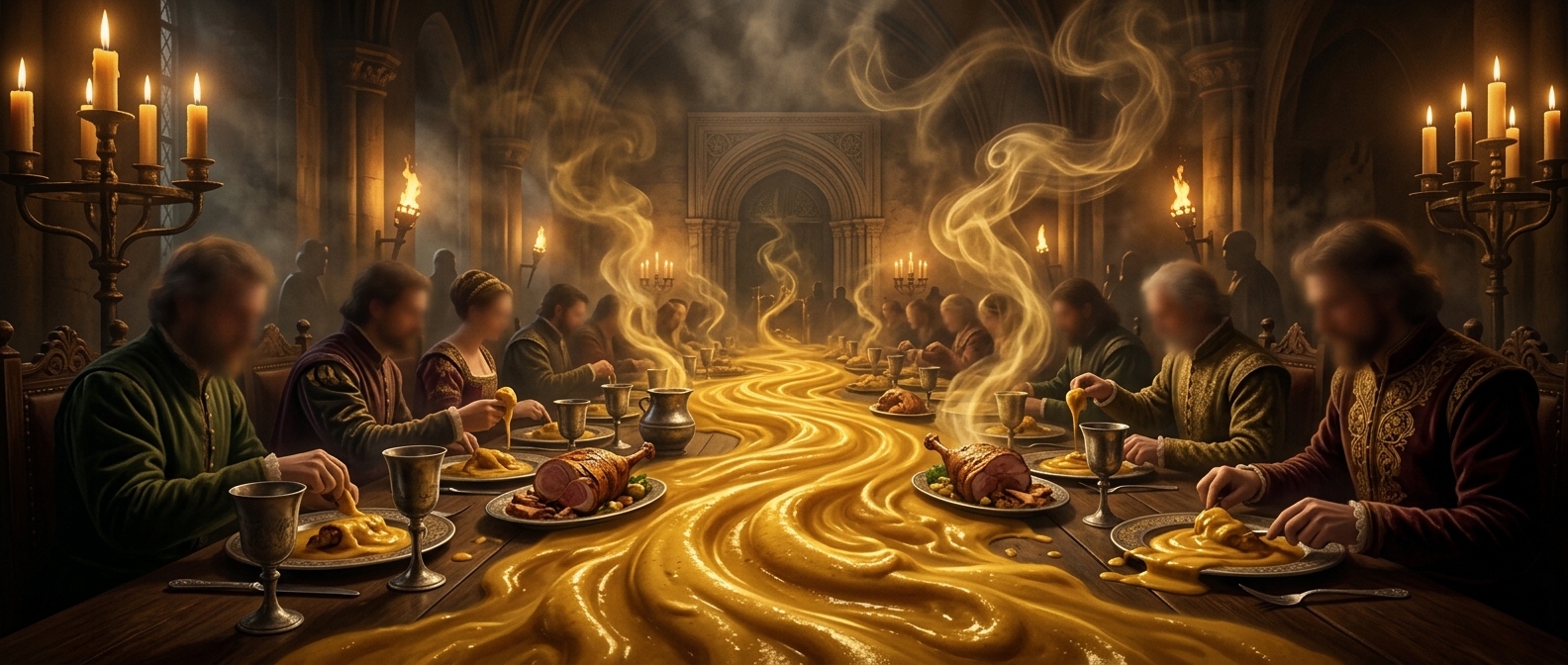
Mustard paste dominated heavily spiced European banquets
Cooks ground mustard seeds with acidic fruit juices into a sharp paste—a cheap, powerful seasoning that could mask the off flavors of meat.
Discover more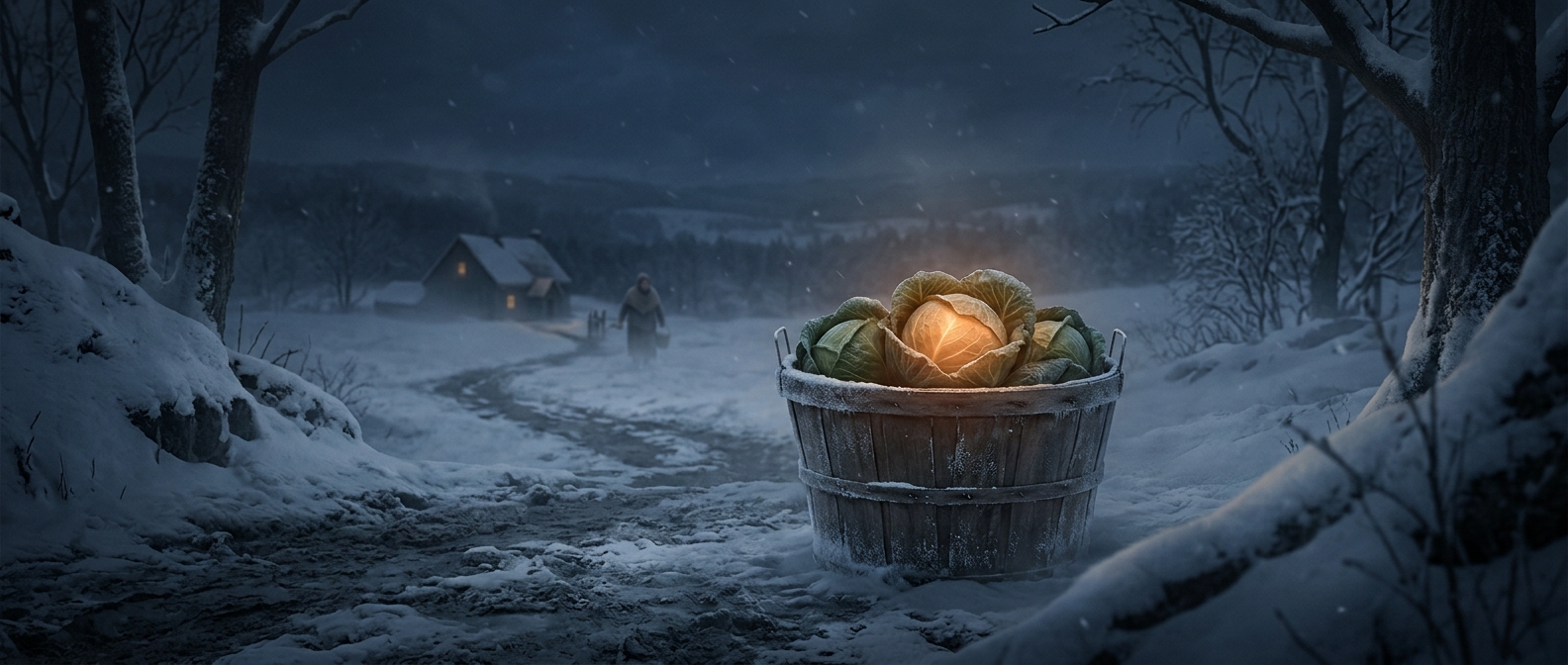
Cabbage sustained rural populations over freezing winters
Cabbage could survive frost, and fermentation turned the harvest into sauerkraut that lasted through winter. A crop that could take the cold also helped rural…
Discover more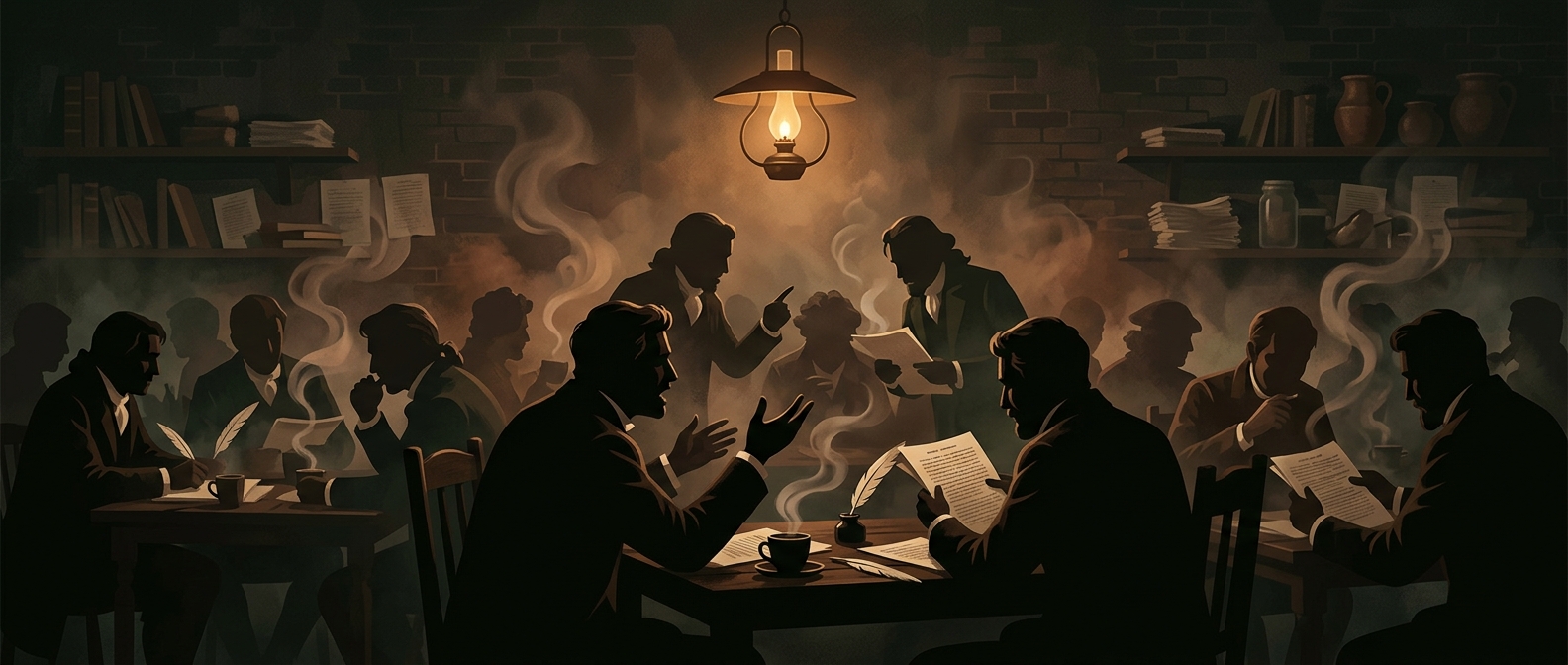
A penny at a coffeehouse bought access to the room
In early London coffeehouses, reading, argument, news, and business mixed around the tables. A customer could encounter information through the other people…
Discover more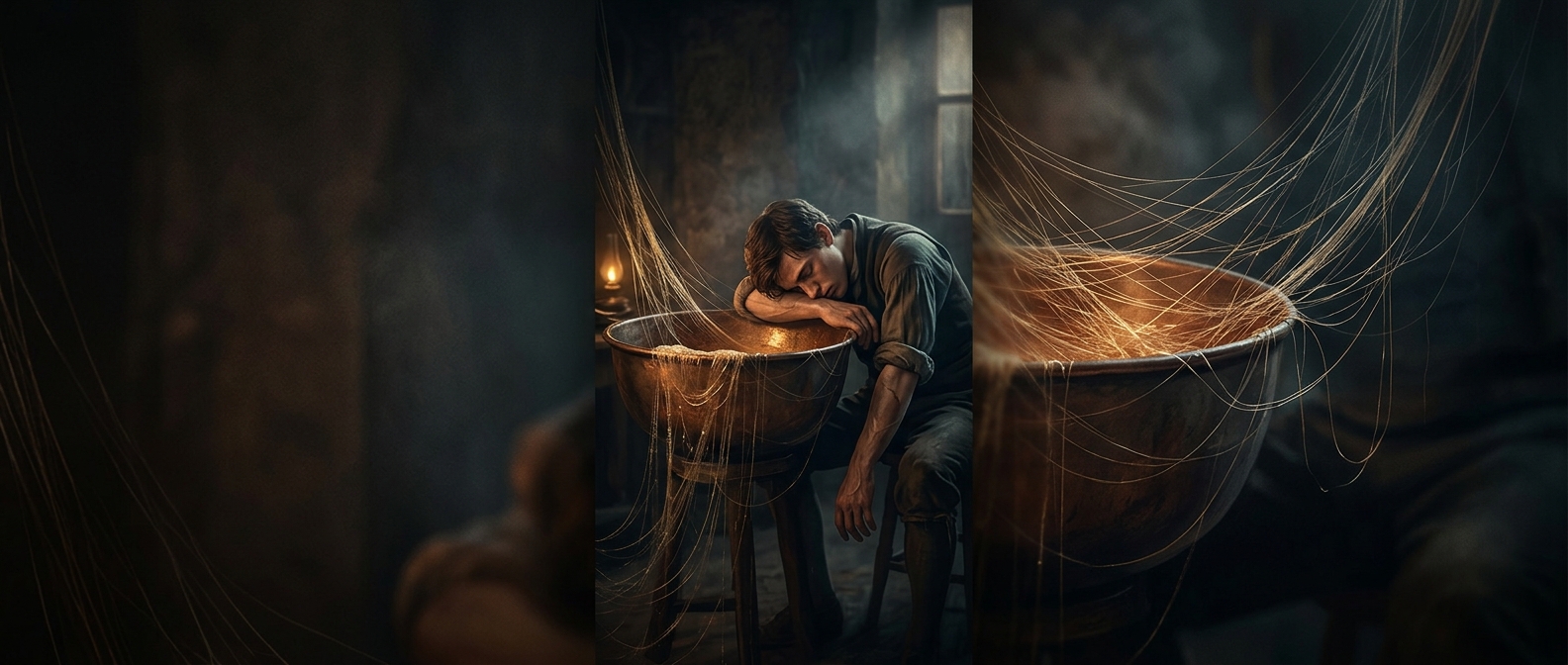
Spun sugar required intense exhausting manual labor
Before machines did the spinning, cooks had to draw hot syrup into fine strands by hand, repeating the motion until enough airy sugar collected. The result…
Discover more
Why Europeans once feared tomatoes
Tomatoes were acidic enough to draw lead from pewter plates, poisoning some aristocrats. Because the danger sat in the tableware, not the fruit, they blamed…
Discover more STACKY FOR IPHONE
A bigger world.
One discovery
at a time.
Keep discovering with Stacky. Interesting facts in an app that is always within reach.
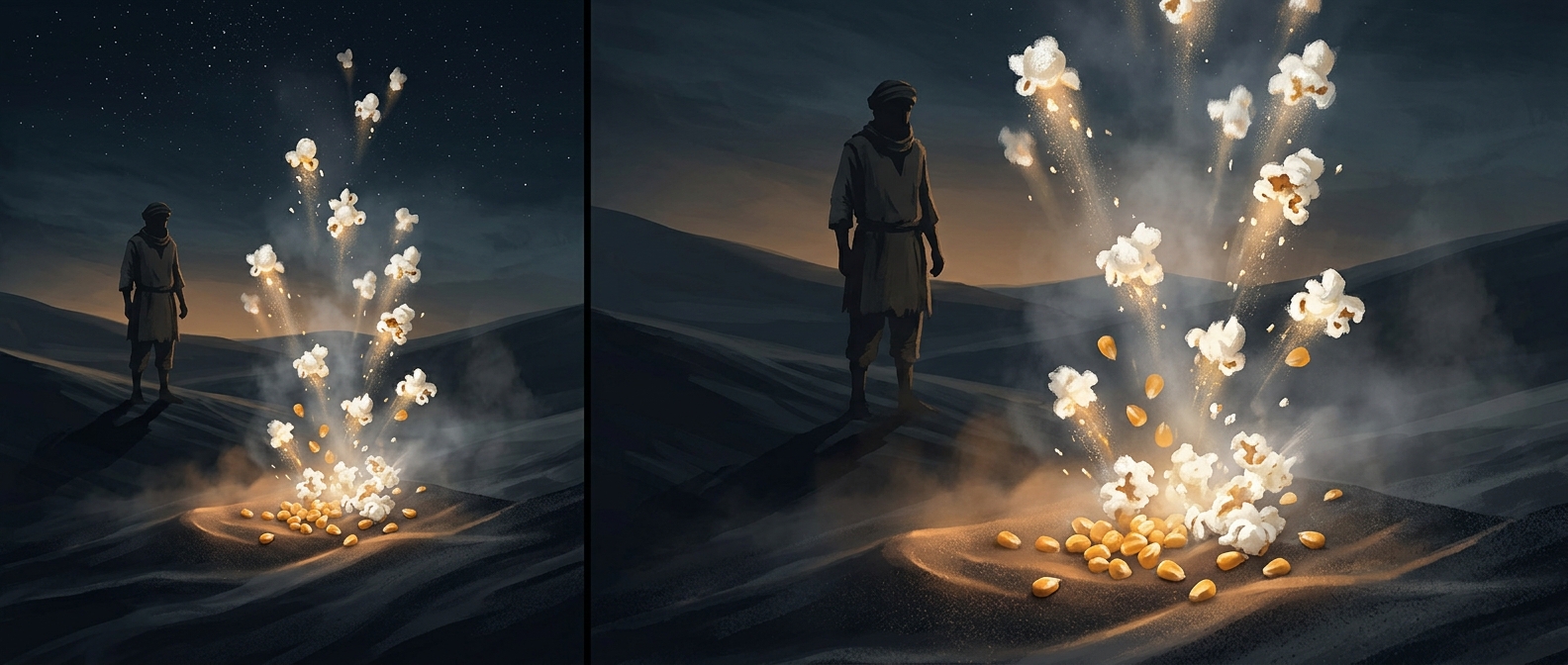
Popcorn was once popped in hot sand
Before microwaves, some people popped dried kernels in hot sand, then sifted the fluffy popcorn out of the grit.
Discover more
Macaroni referred strictly to any generic pasta shape
The word once covered a whole family of extruded pastas, not just the elbow noodles Americans now call macaroni. The label used to describe a kind of pasta,…
Discover more
Olympic events included professional racewalking
Racewalking makes speed a test of strict form: one foot must stay on the ground, and the supporting leg must remain straight. The fastest walker still has to…
Discover more
Chocolate was a drink long before it was a candy bar
Mesoamerican cacao drinks could be bitter, frothy, and flavored with ingredients such as chili. Later sweetened versions transformed how other societies…
Discover more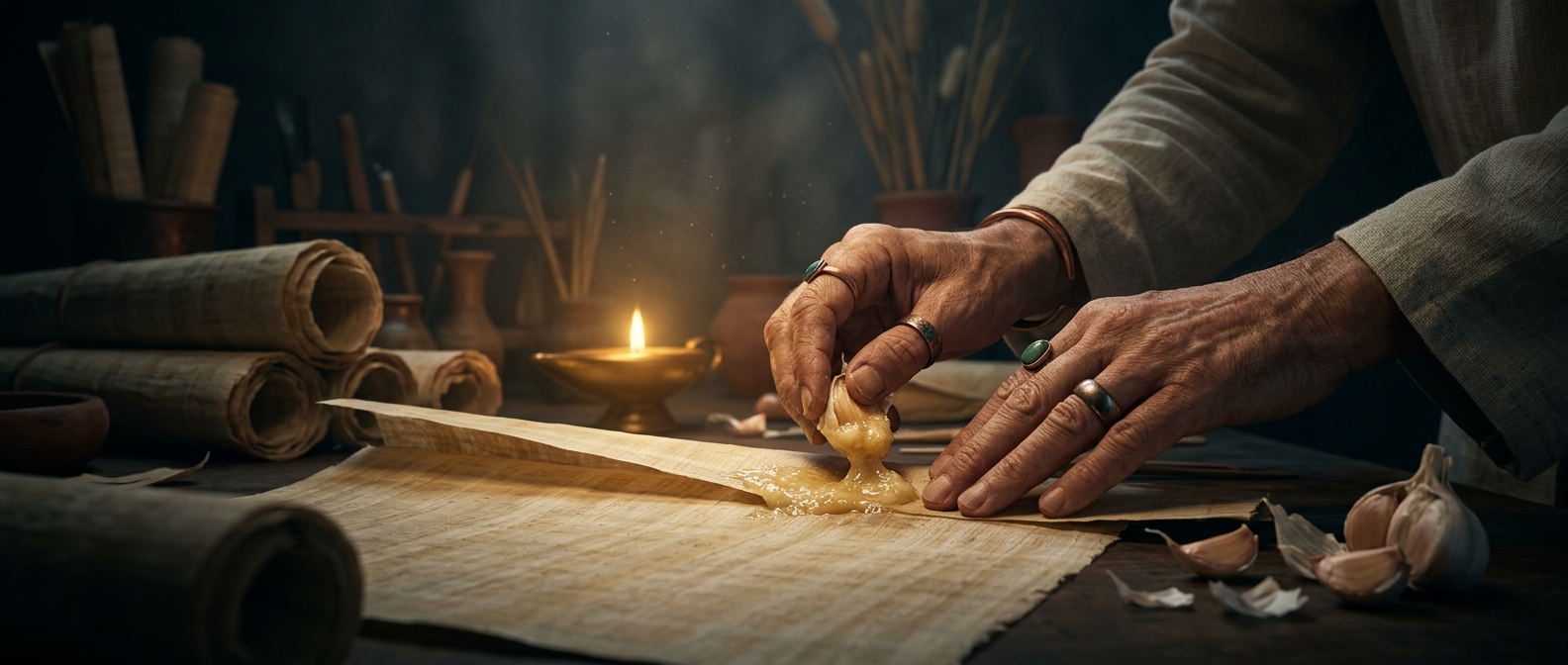
Garlic once doubled as glue
Its sticky juice could bind glass and mend delicate ceramics, though the repairs came with a strong garlic smell.
Discover more
Mushrooms were grown in dark abandoned underground tunnels
Rather than build new farms, growers repurposed dark, damp catacombs and railway tunnels. They piled horse manure inside as growing medium—a mushroom farm…
Discover more
Irish bogs preserved butter that people buried centuries ago
Butter deposits have been found in bogs, sometimes inside wooden containers. Cool, oxygen-poor conditions helped them survive, but the reasons for burial may…
Discover more
Japan's famous square watermelons are often bought to look at
The ornamental fruit shipped from Zentsuji is grown inside rigid containers that impose its shape. These melons have little sweetness and are sold as…
Discover more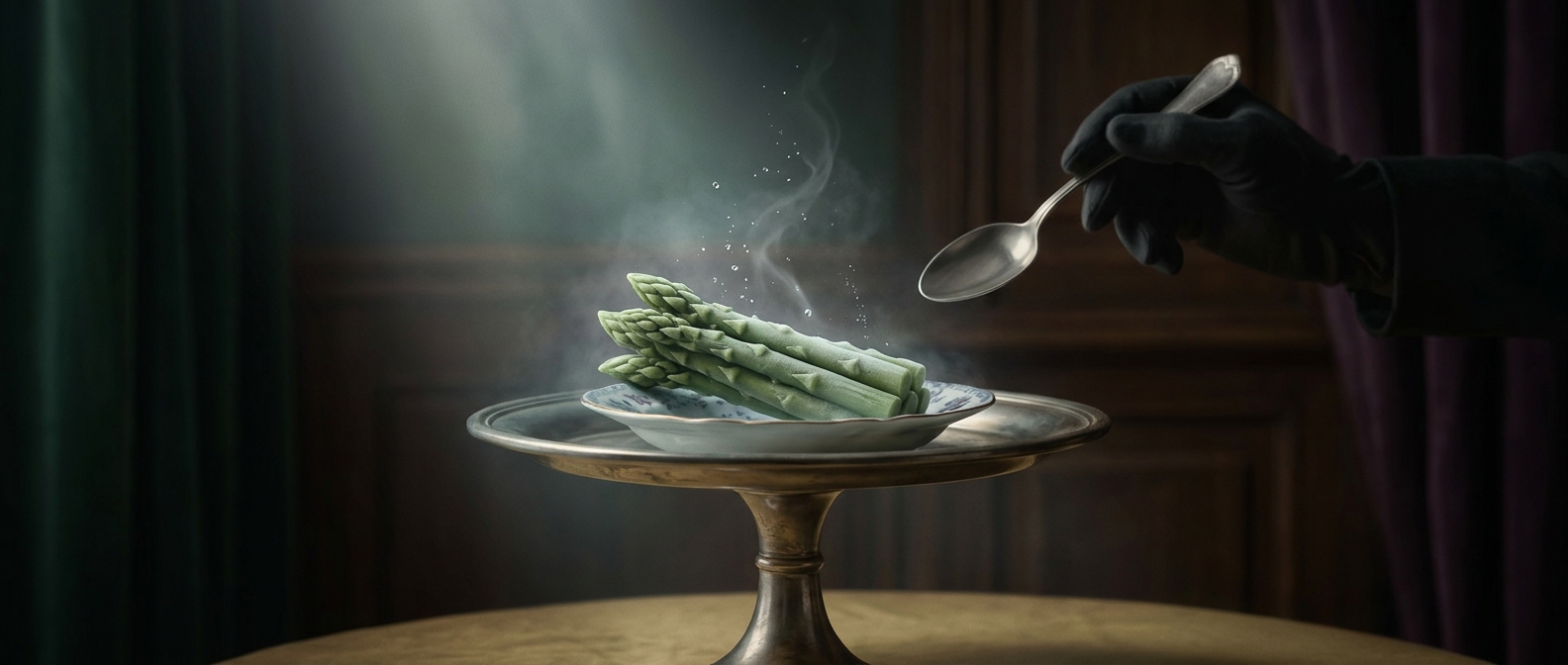
When ice cream looked like vegetables
When ice cream was a rare luxury, hosts served it in molds shaped like asparagus, truffles, or baked potatoes. The joke was in the reveal: dinner looked like…
Discover more
Vanilla is anything but a basic flavor
Vanilla orchids bloom briefly, and each flower must be pollinated by hand within about 24 hours. That makes every crop unusually labor-intensive: a lot of…
Discover more
Pretzels were baked entirely without dairy or eggs
Because fasting rules barred animal products, a basic pretzel made with flour, water, and salt fit the menu. The dough needed no dairy or eggs to make it…
Discover more
Above the salt once meant social status
A salt cellar divided the table: favored guests sat near the host, while lower-status diners sat farther away. Your place relative to the salt told everyone…
Discover more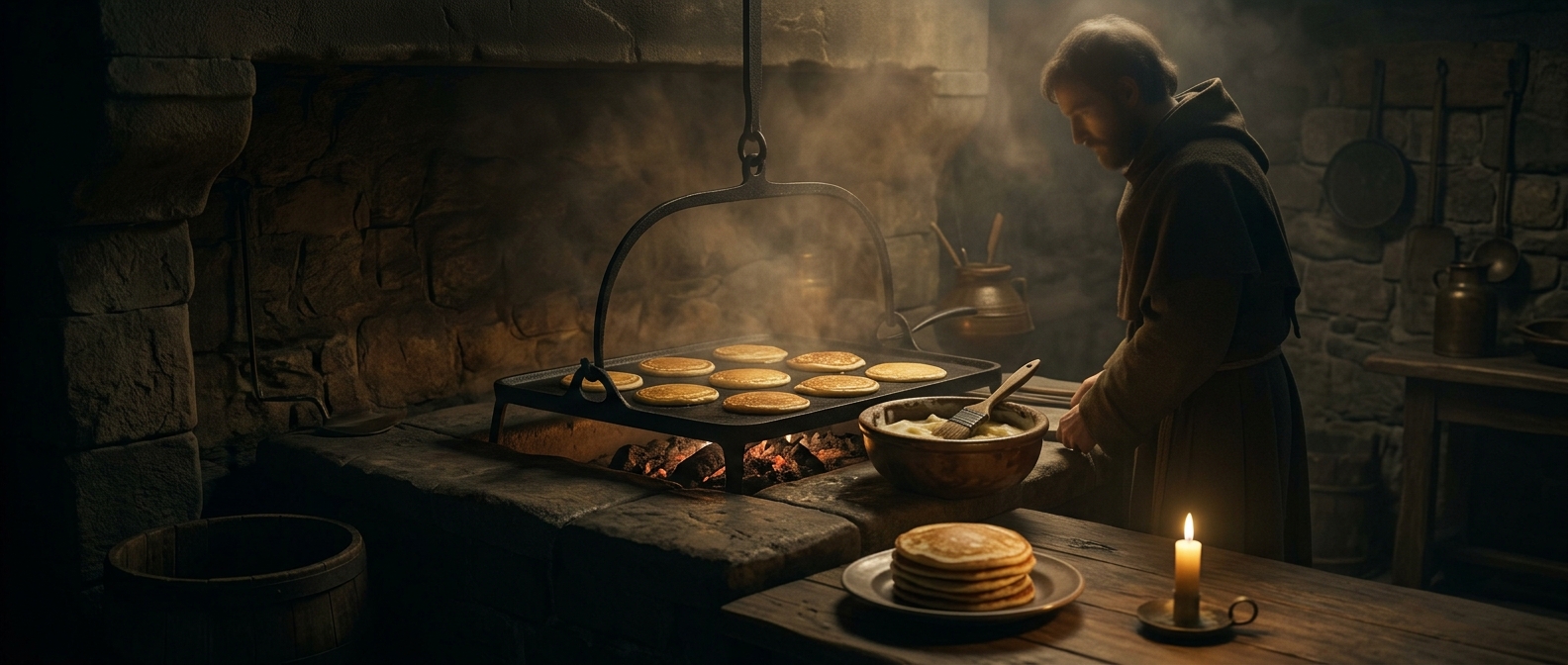
Why pancakes were once a pre-fast kitchen purge
Before a period of fasting, households made pancakes to use up perishable fats, eggs, and dairy they would otherwise avoid.
Discover more
Pomegranates required intense labor to extract tiny seeds
Each leathery fruit packs hundreds of juicy sacs around hard seeds, making them fiddly to separate. The juice can stain your hands, and the crunchy seed…
Discover more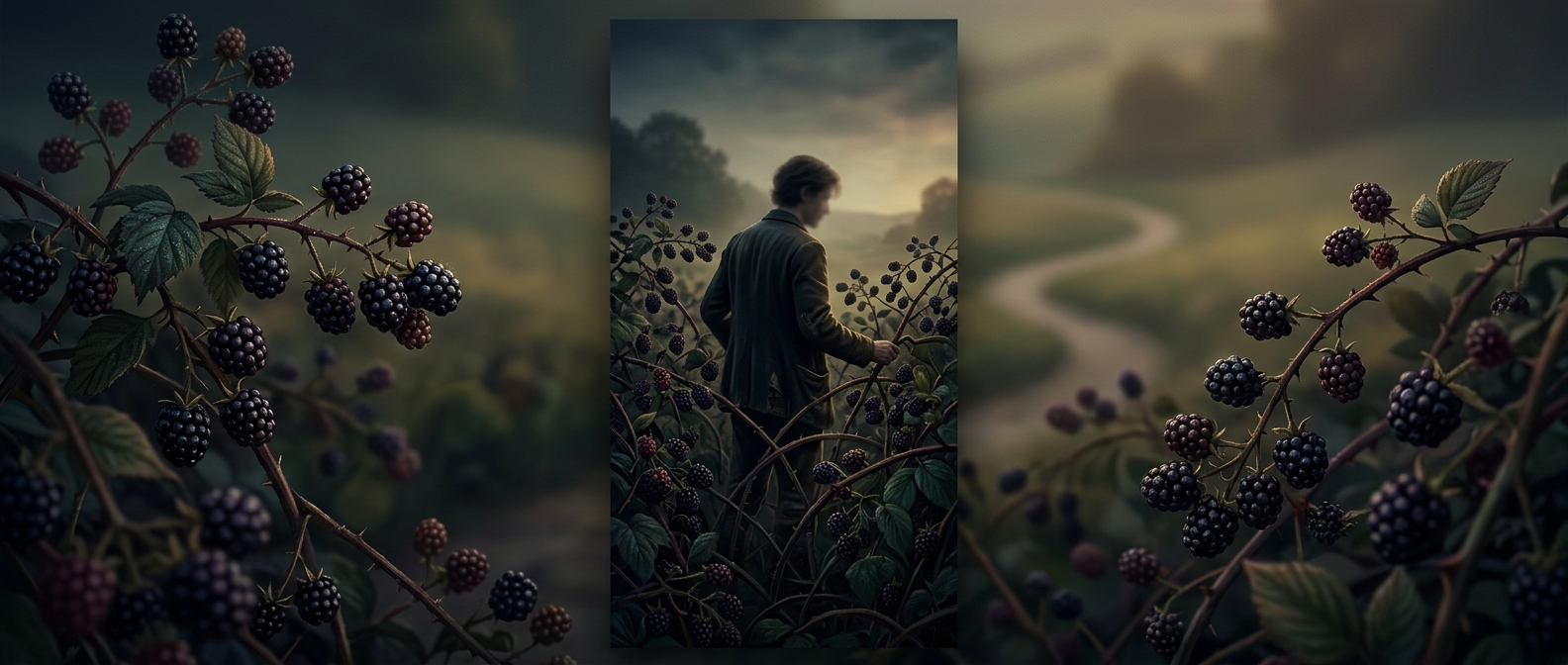
When blackberries were considered weeds
Farmers once tried to eradicate blackberries because their thorny brambles spread quickly and took over land. Picking the fruit meant braving the thorns.
Discover more
There was a time guests brought their own spoons
Wealthy diners carried elaborate folding silver spoons in custom leather cases.
Discover more
A stomach enzyme explains an old cheese-making story
Rennet contains enzymes that make milk proteins coagulate, separating curds from liquid whey. That chemistry inspired the traditional story of milk turning…
Discover more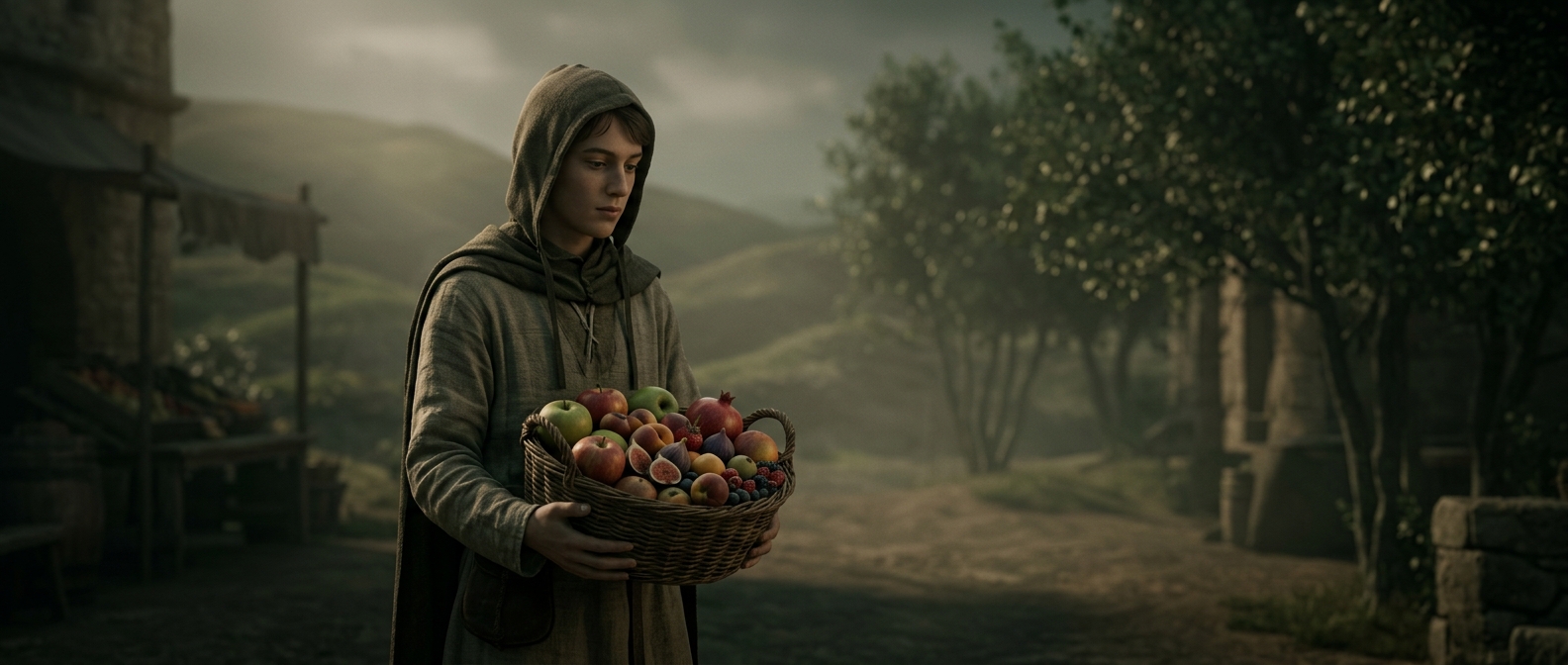
Why apple once meant almost any tree fruit
In Old English, “apple” could mean almost any tree fruit or nut, except berries.
Discover more