How Racewalking Became an Olympic Contest
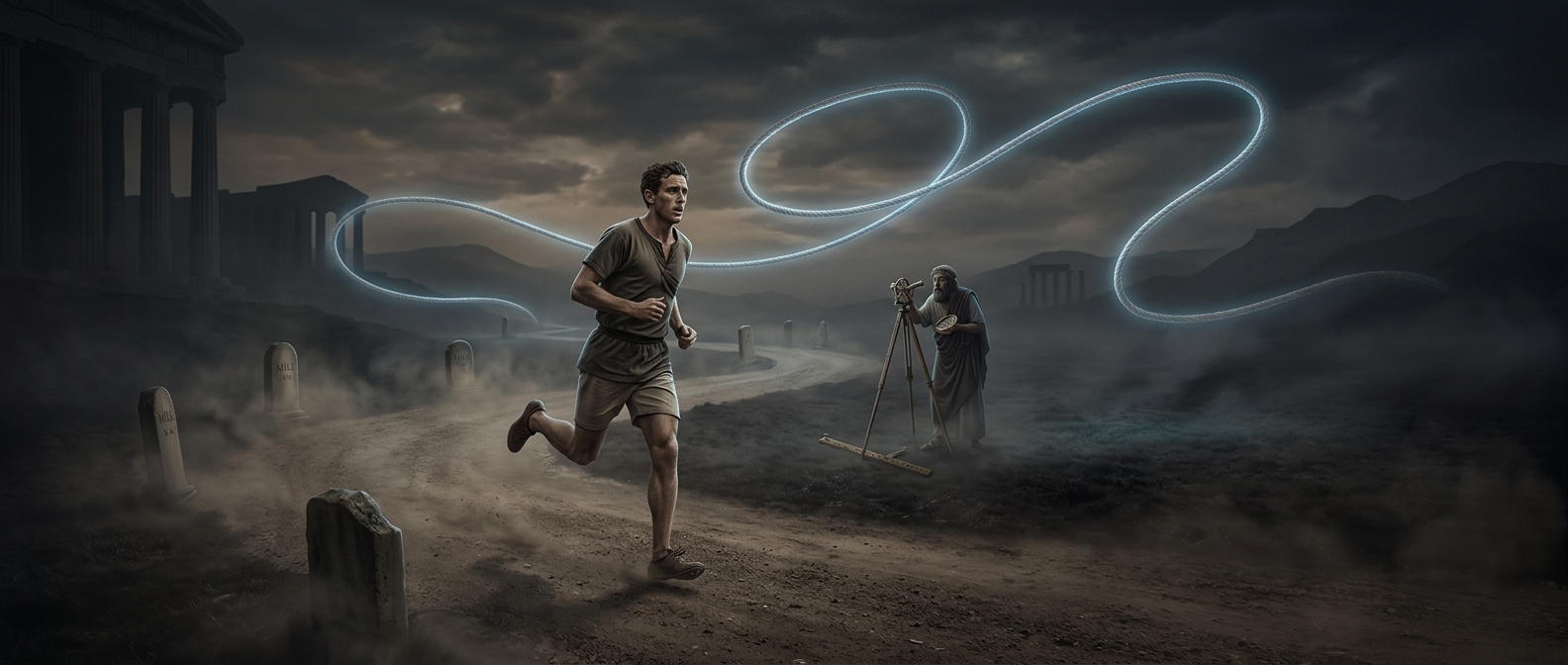
Racewalking grew out of competitive pedestrianism, a popular form of organized foot racing in Britain during the 18th and 19th centuries. Pedestrian contests drew crowds and wagers, and some events became endurance spectacles lasting many hours or even days. As the sport took shape, organizers needed a way to distinguish walking from running without slowing the competition to a crawl. Rules requiring continuous ground contact and a straight supporting leg gave judges a visible standard.
From Popular Pedestrianism to Olympic Sport
Racewalking appeared at the 1904 Olympics as part of the all-around competition, then entered the Olympic program as a standalone event in 1908. Its presence reflected a broader shift: sports once organized through local contests and professional performers were becoming governed international competitions.
Professional racewalkers had competed for money and public attention before the event became firmly associated with amateur Olympic sport. The distinction mattered in an era when Olympic rules restricted who could compete, but the walking technique itself crossed that boundary. The same challenge—moving quickly while satisfying the rules—could attract both paid professionals and Olympic athletes.
Speed Under Judgment
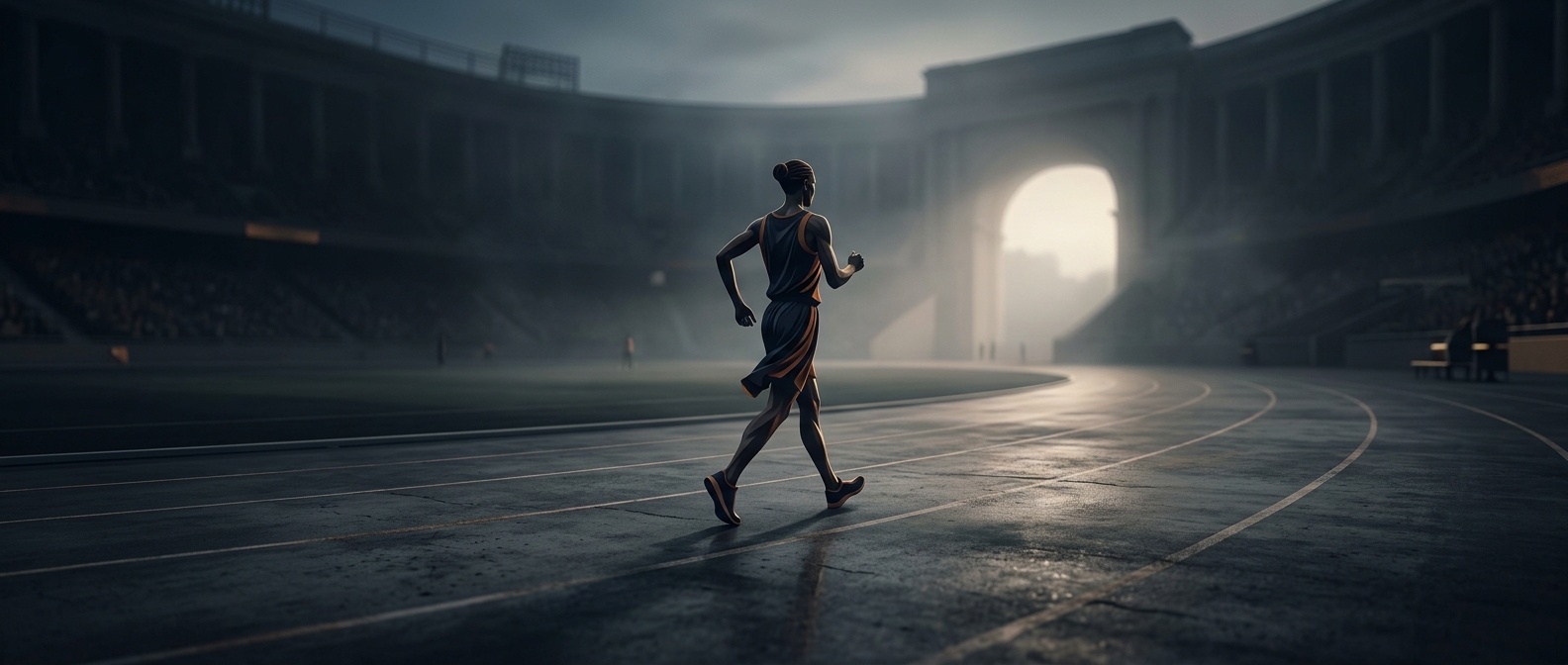
Racewalking is unusual among track-and-field events because judges assess not just where an athlete finishes but how the athlete moves. A walker can be penalized for visibly losing ground contact or failing to keep the supporting leg straight from first contact until it passes beneath the body. That makes the event a contest of speed and control: athletes must push the pace while avoiding a form violation that can undo the effort.
The result is a race in which the fastest motion is deliberately constrained. Competitors are not simply trying to cover the course as quickly as possible; they are trying to make every stride fast enough to matter and clear enough to count.