A tiny barrier made vanilla a hand-pollinated crop
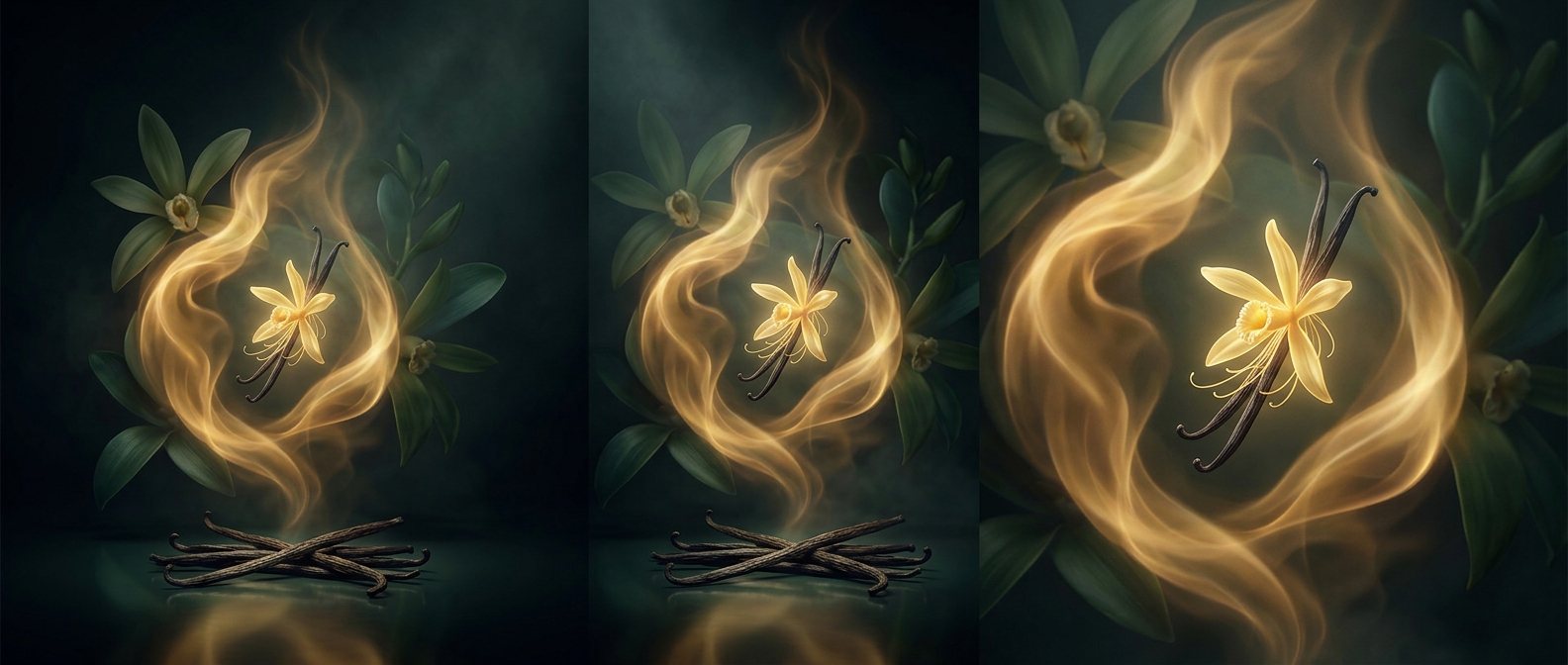
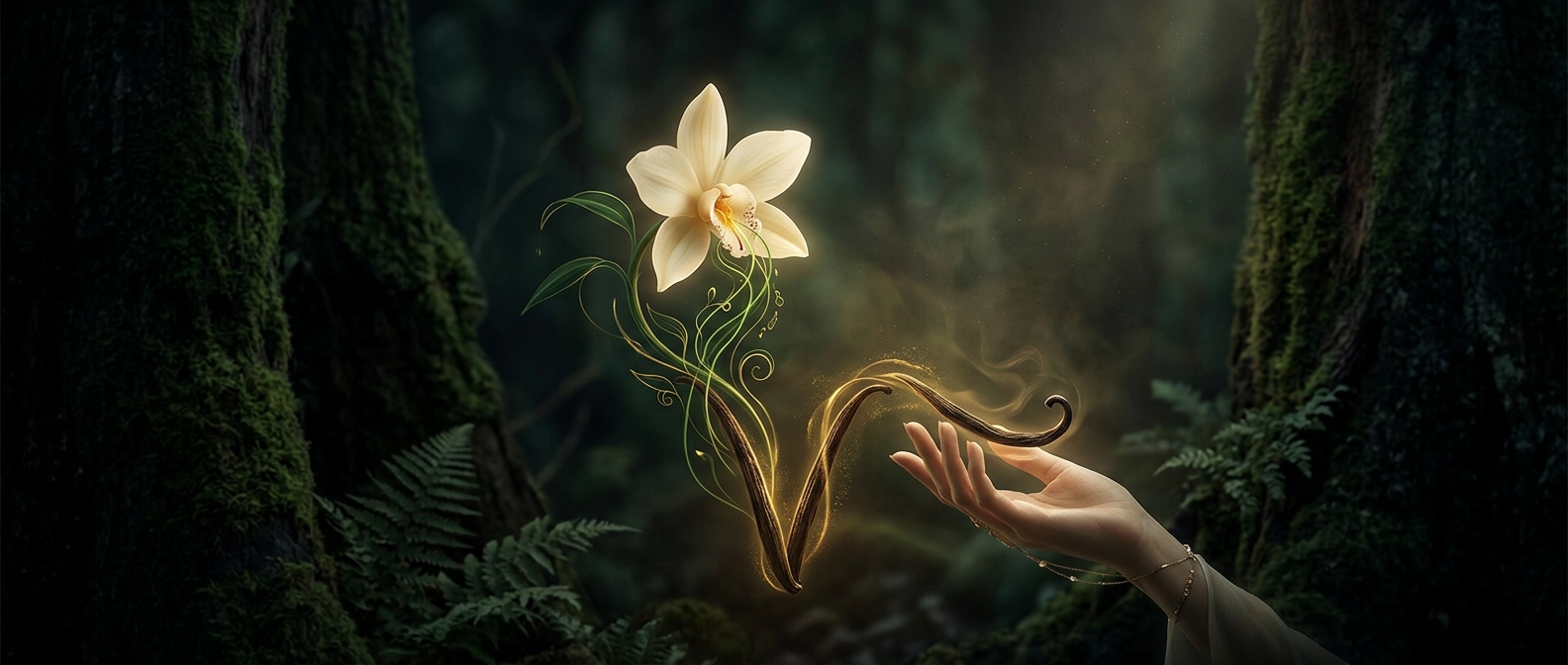
A vanilla flower has both pollen-producing and pollen-receiving parts, but a thin flap keeps them apart. To make a pod, a pollinator must move that flap and bring the parts together. Growers do this with a small stick or fingertip, carefully handling one flower at a time. If pollination succeeds, the flower develops into the long fruit commonly called a vanilla bean; without it, there is no crop to cure into vanilla spice.
The technique that carried vanilla beyond Mexico
Vanilla originated in Mexico, where its natural pollination could occur. When growers tried to raise it elsewhere, the plants flowered but did not reliably produce pods. The crucial workaround came in 1841 on Réunion, an island in the Indian Ocean. Edmond Albius, an enslaved boy, developed a practical way to lift the separating flap and press the flower’s pollen-bearing part against the receptive surface.
That simple gesture made cultivation possible in places where the necessary natural pollinators were absent. It helped vanilla spread through Indian Ocean growing regions, including Madagascar, now a major producer.
Why the flavor carries so much labor
Hand pollination turns a brief bloom into a narrow window of work: flowers must be checked and pollinated individually while they are open. The harvest is only the start. The green pods then need careful curing to develop the familiar aroma, so the flavor depends on labor at both ends of production. Vanilla’s “basic” reputation hides a crop built from thousands of small, time-sensitive acts.