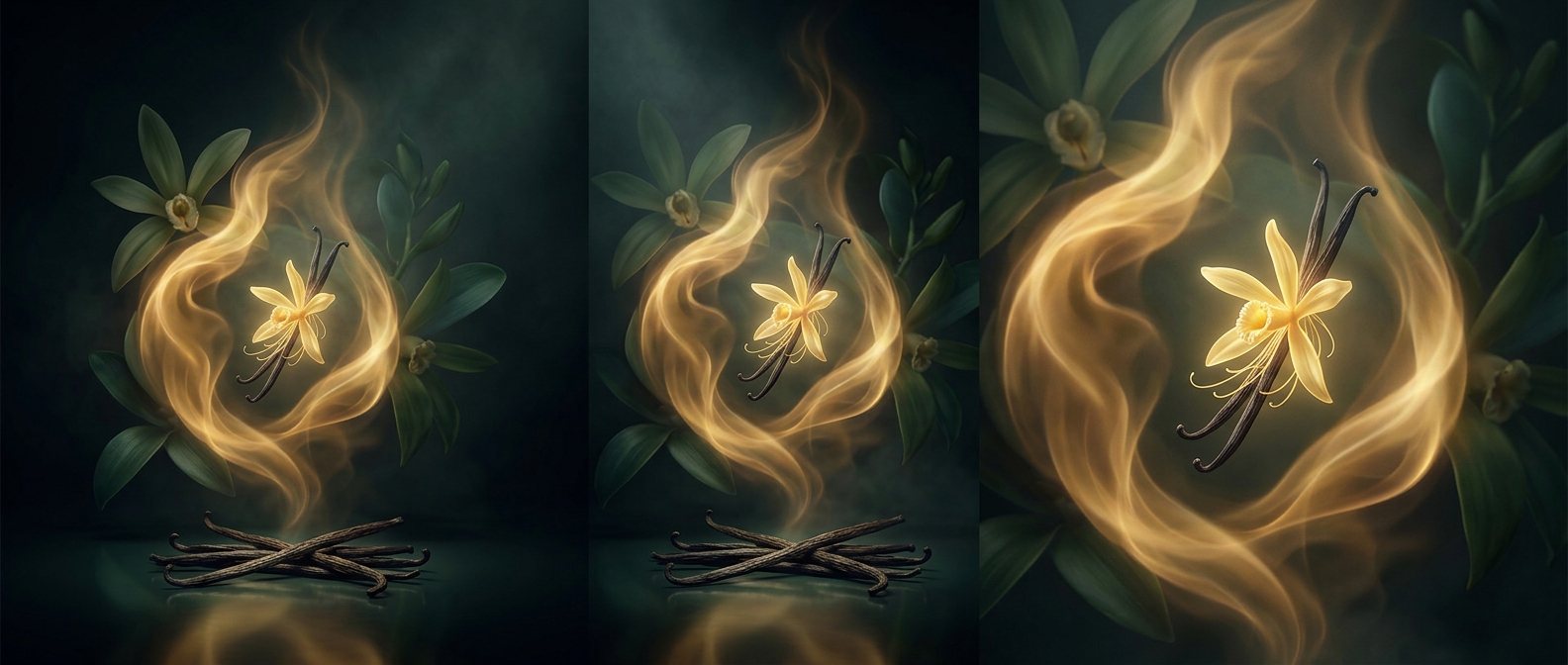
A sheath, made smaller
The Spanish word vainilla is a diminutive of vaina, meaning a sheath or scabbard. That word traces back to Latin vagina, which also meant “sheath.” The anatomical meaning familiar in English came later from the same Latin root, so the name’s risqué echo is linguistic, not a reference to the plant’s biology.
Why the comparison fit
Vanilla comes from an orchid, and its fruit is a long, narrow capsule containing many tiny seeds. To someone naming it by its visible shape, the capsule could suggest a little sheath enclosing what is inside. The name turned an everyday object into a botanical label—and carried that old meaning into English, where the shared root makes the word sound more suggestive than its original comparison was.