History
Discover facts about history. Small discoveries that change the way you see familiar things.
History
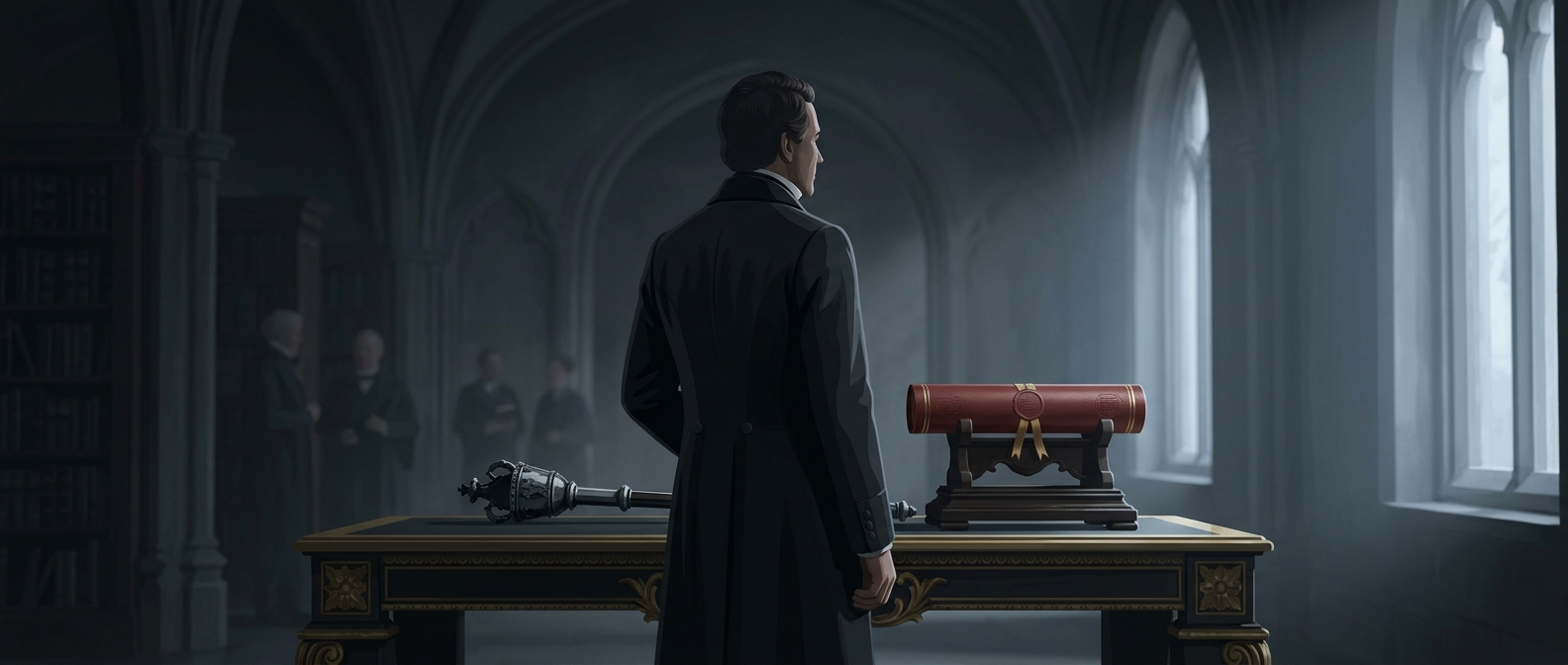
Millard Fillmore refused an honorary Oxford degree
Fillmore declined the honor because the degree was written in Latin, which he couldn’t read. He wasn’t willing to accept a document he couldn’t decipher—even…
Discover more
Queen Christina of Sweden gave up her crown, converted to Catholicism, and moved to Rome
In Rome, she spent the rest of her life among cardinals and staging lavish theatrical parties.
Discover more
Why a pope grew a beard after Rome was sacked
The sack of Rome prompted Clement VII to stop shaving in mourning, despite church rules against clergy facial hair. His beard caught on: popes kept the look…
Discover more
Olympic track cycling once put two riders on one racing bike
The men's tandem sprint had two cyclists sharing a long frame and one race strategy. The event remained on the Olympic program through Munich in 1972. The…
Discover more
The Olympics once awarded a medal for floating the farthest
At the 1904 Games, plunge-for-distance competitors dived in, then coasted without swimming. Distance was measured when the head surfaced or the time limit…
Discover more
Paris's 1900 sporting exhibitions included kite contests
Alongside the Exposition's ballooning events, competitors entered kites in categories judged by performance. These sit in the sprawling borderland around the…
Discover more STACKY FOR IPHONE
A bigger world.
One discovery
at a time.
Keep discovering with Stacky. Interesting facts in an app that is always within reach.

An Olympic champion was still winning club-swinging titles at 71
Ed Hennig won Olympic gold in 1904 by swinging wooden clubs through a judged routine. Competitors had five minutes with three-pound clubs: coordination and…
Discover more
Russian government implemented a dedicated tax on matches
The Russian Empire took a cut each time people bought matchsticks to light their stoves. Even a small household necessity became a source of state revenue;…
Discover more
Only two climbers reached the top at the 1896 Olympics
The rope-climbing event used a rope 14 meters high. Both Greek competitors reached the top, and Nikolaos Andriakopoulos won on time; the other three stopped…
Discover more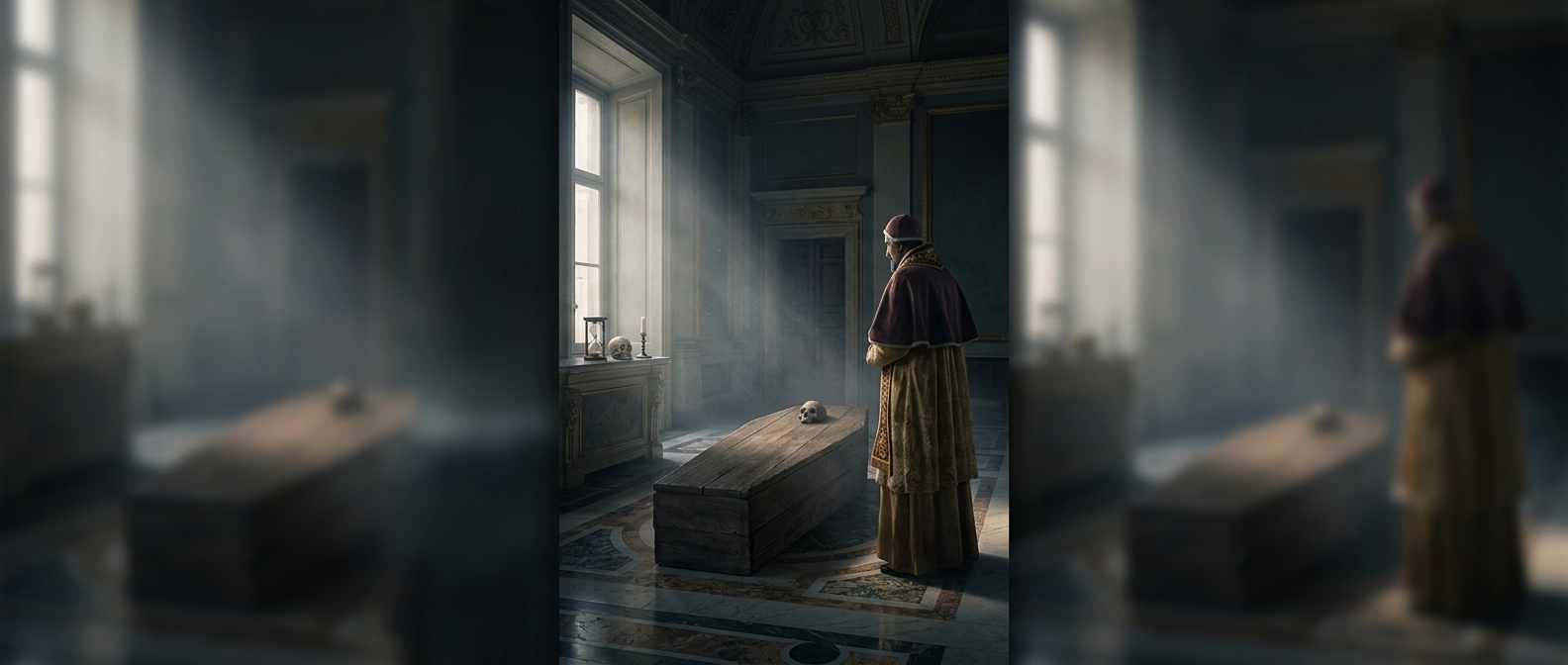
Pope Alexander VII kept a coffin beside his daily life
After becoming pope in 1655, Alexander VII had a coffin placed in his bedroom as a reminder of mortality. A skull carved by Bernini served the same purpose on…
Discover more
Gregorian calendar completely lacks a designated year zero
The calendar moves directly from 1 BC to 1 AD, with no year zero in between.
Discover more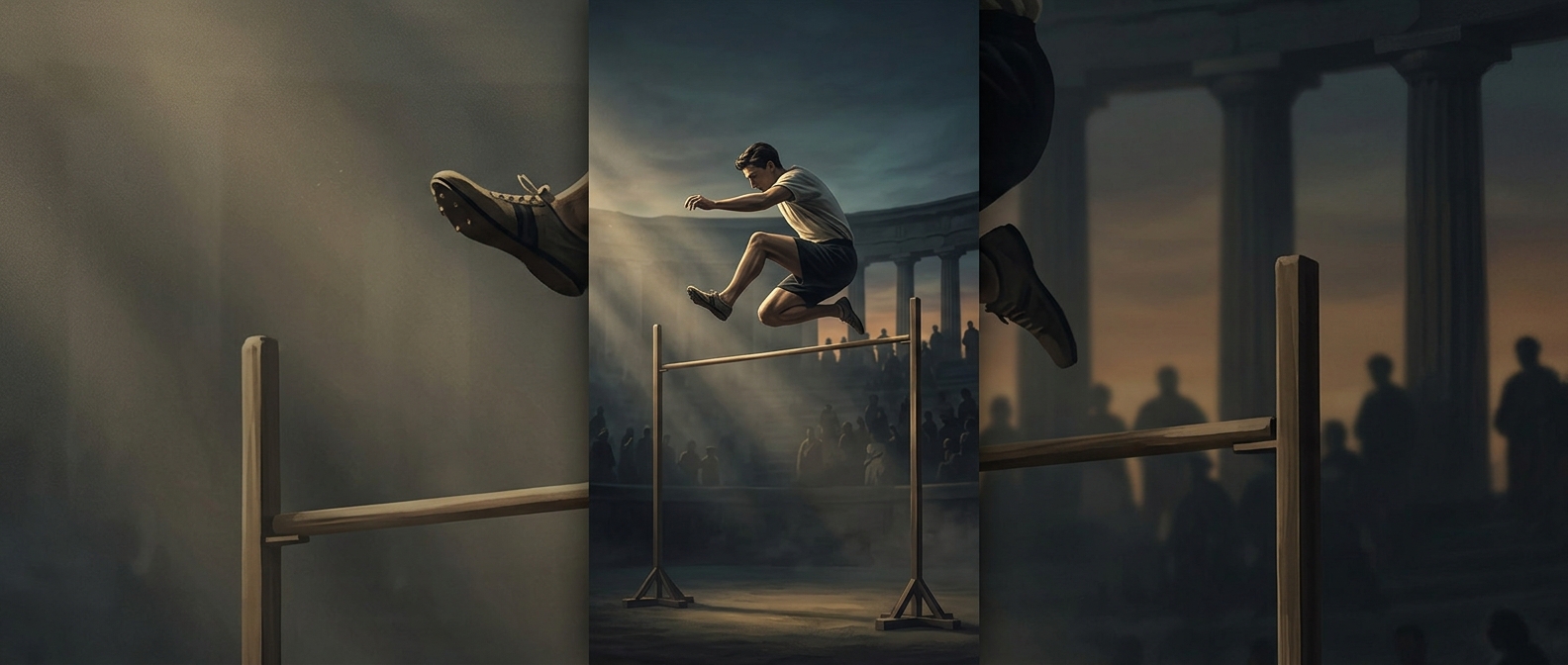
An Olympic champion cleared five feet without a run-up
Ray Ewry set a standing high-jump record of 1.65 meters in 1900. The event allowed no running approach: the height had to come from the jump itself. Standing…
Discover more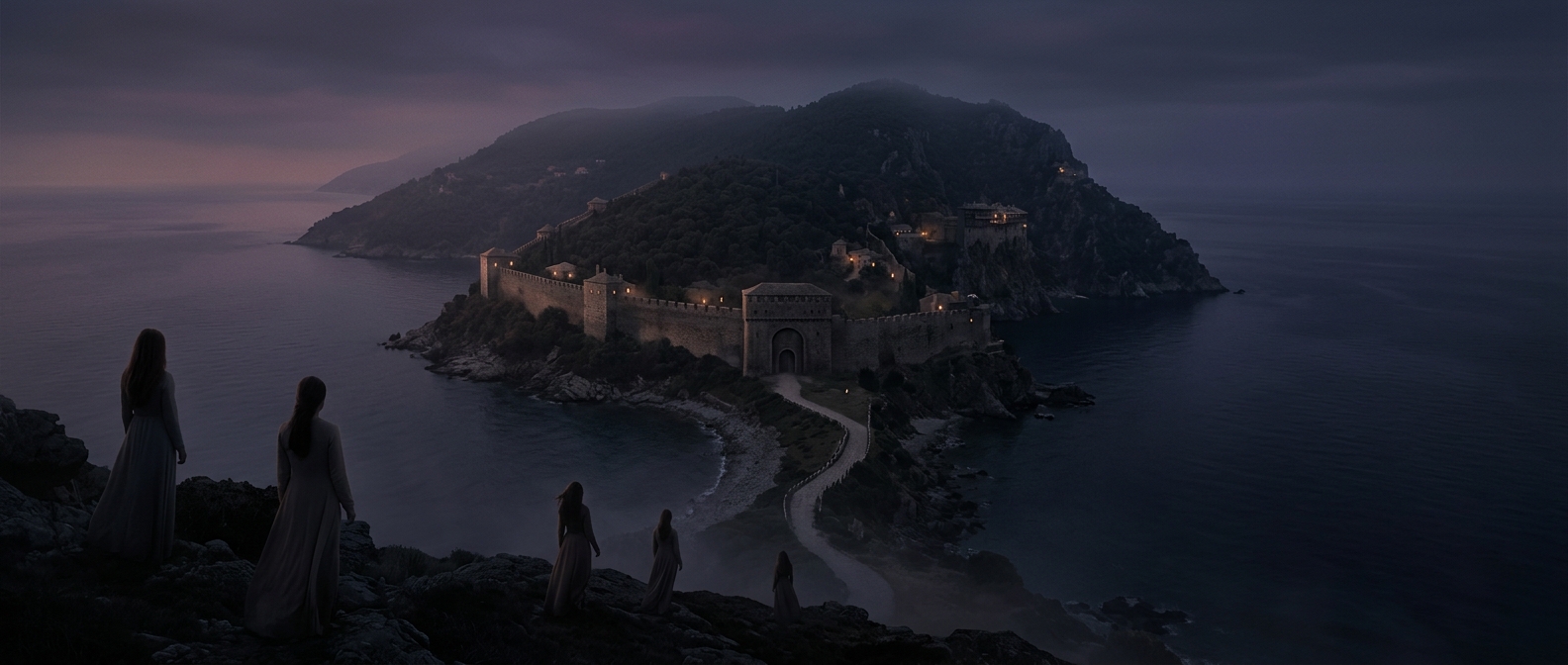
Mount Athos keeps a centuries-old ban on women visitors
The monastic peninsula in Greece restricts entry to men, preserving a religious rule known as the avaton. Restrictions on female domestic animals have…
Discover more
How San Marino stayed independent for centuries
According to its founding story, San Marino began in 301 when a stonemason took refuge on a mountain. The tiny republic endured as larger empires rose and…
Discover more
The pope who died three days after his election
He suffered a stroke before his consecration ceremony could take place.
Discover more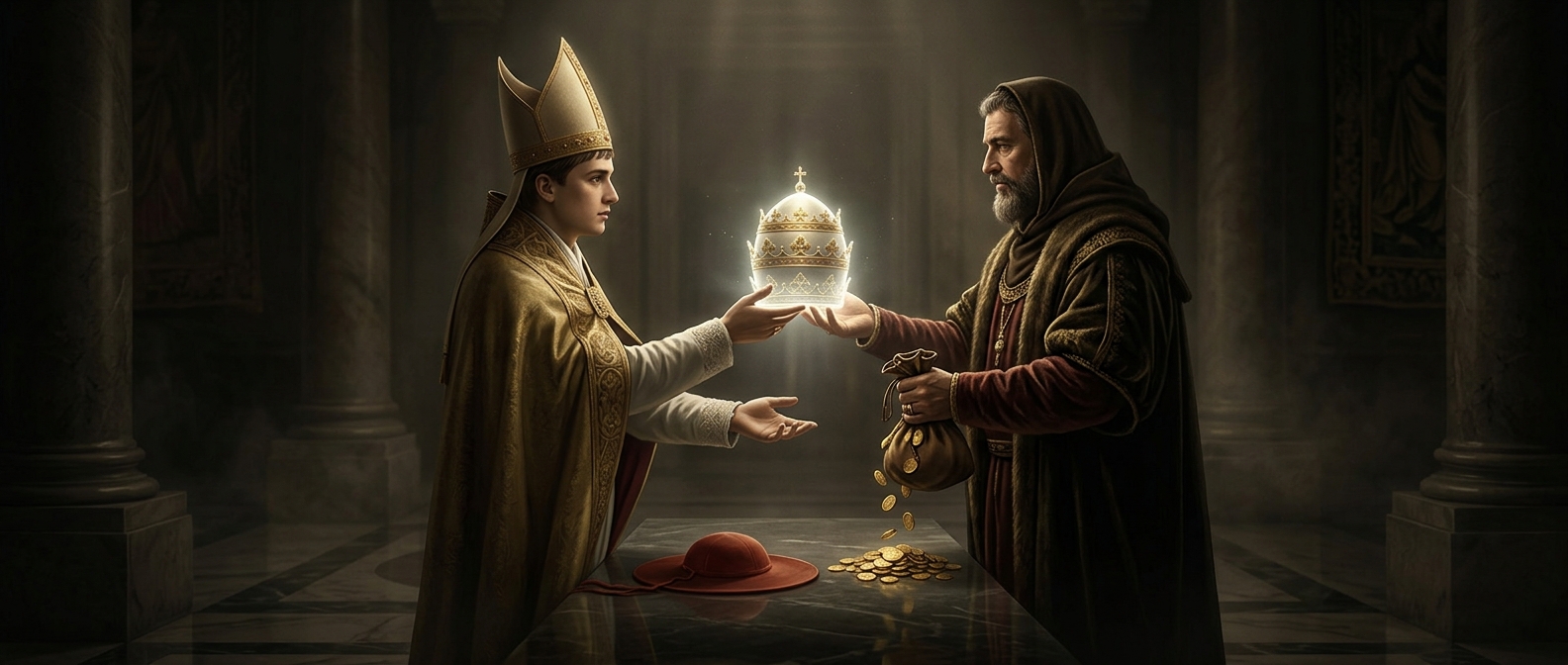
Benedict IX gave up the papacy in a financial deal
In 1045, Benedict IX relinquished the office in an arrangement involving payment, and John Gratian became Pope Gregory VI. The controversy became part of a…
Discover more
France elects a president—and gives Andorra a co-prince
Andorra's shared rule began with a 1278 agreement involving the bishop of Urgell and the count of Foix. The count's rights passed through later rulers to the…
Discover more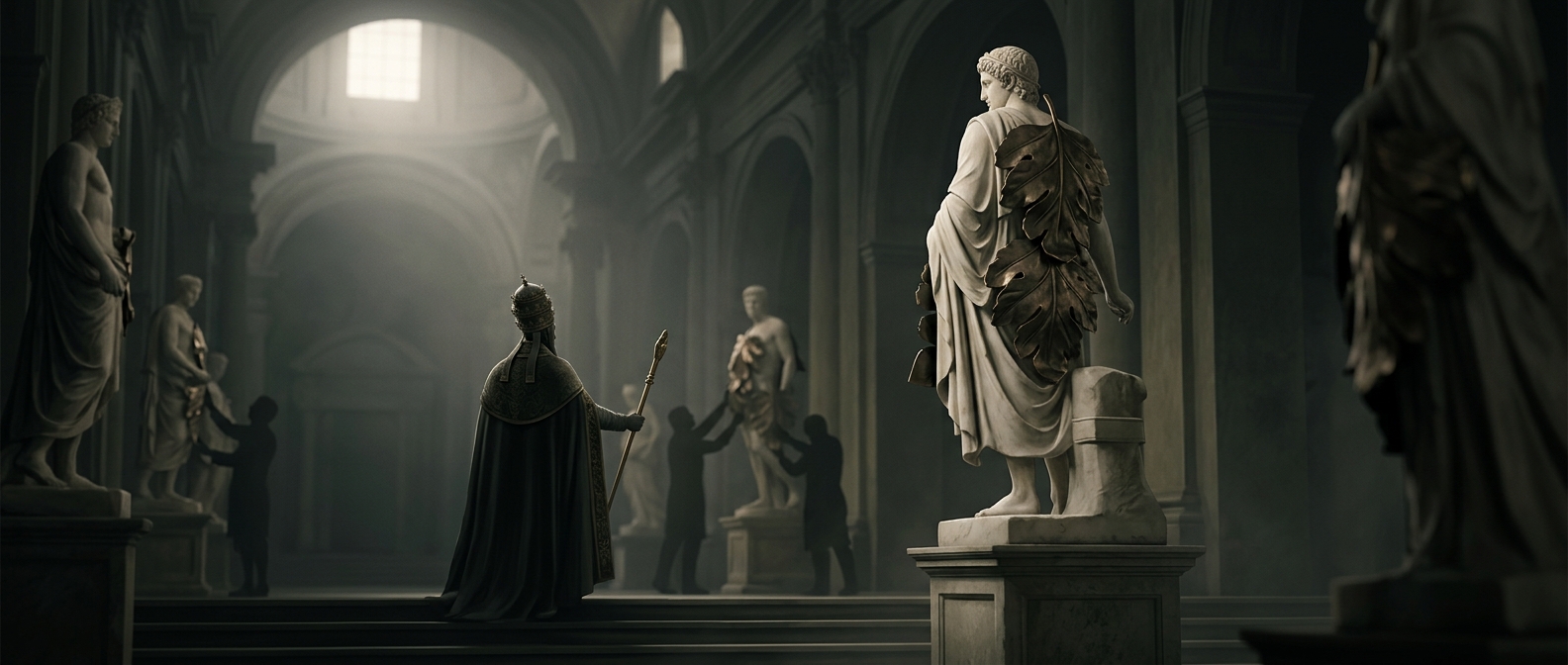
The V&A kept a fig leaf ready for royal visits
Its full-size cast of Michelangelo's David arrived in 1857. A removable leaf could be hung from hooks to cover the figure when distinguished visitors came.…
Discover more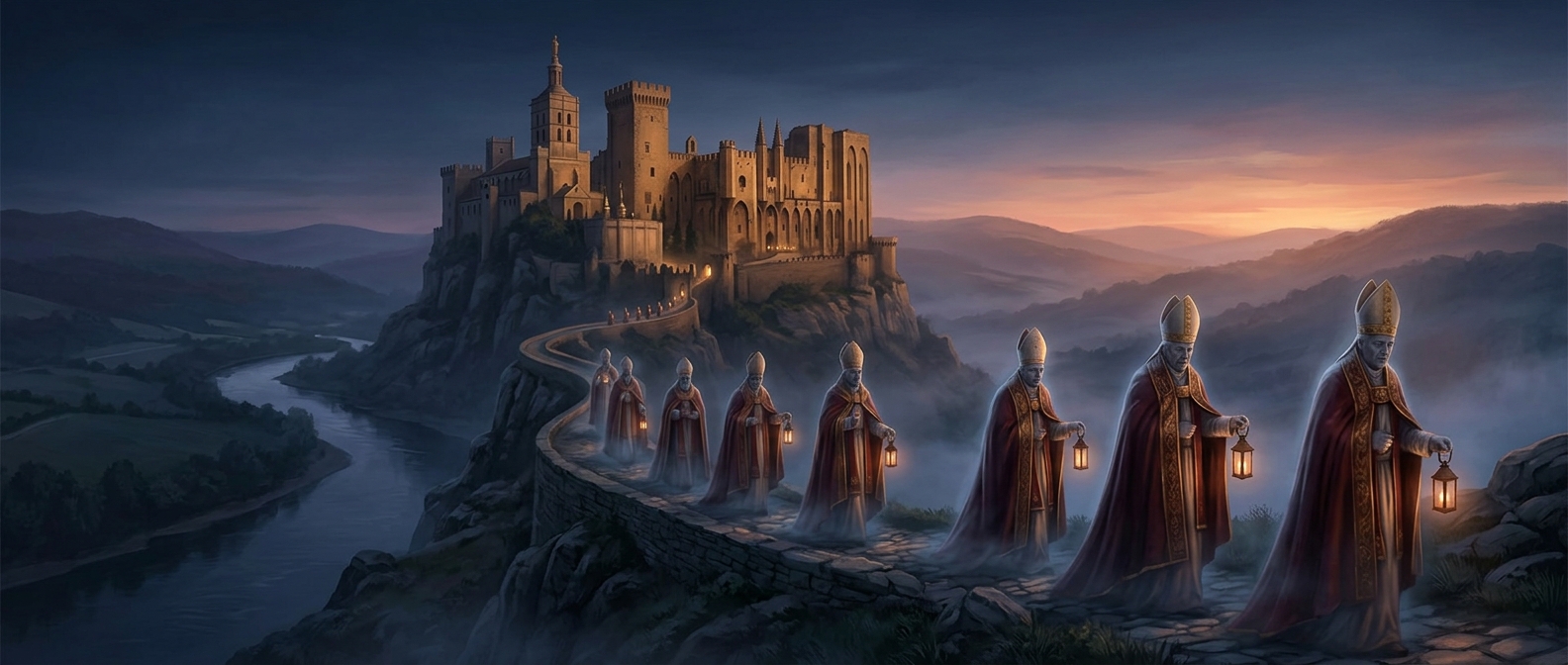
Seven popes moved the papacy to France
Rome's political turmoil made it difficult to govern from the city, so the papal court settled in Avignon. The refuge lasted nearly 70 years and seven…
Discover more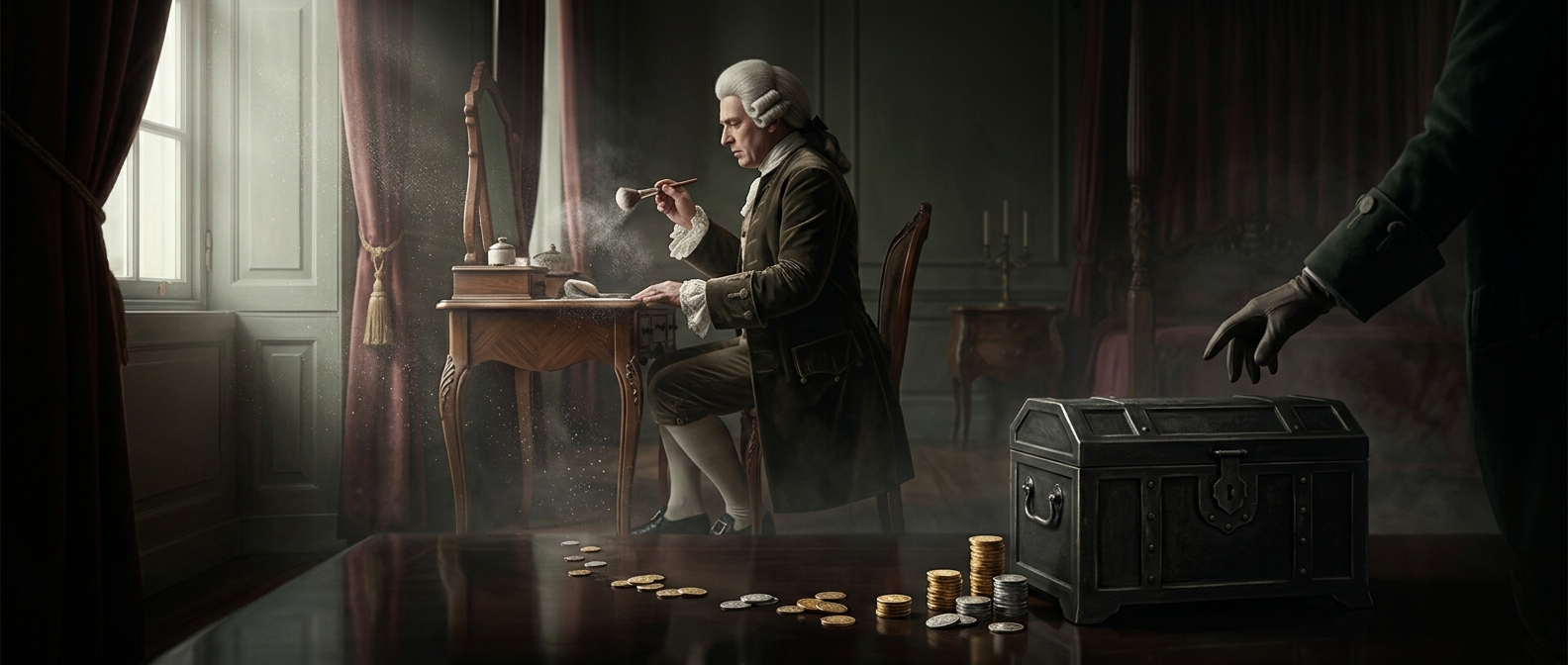
Britain made fashionable hair require a tax certificate
In 1795, people using hair powder generally had to buy an annual certificate costing one guinea, with exemptions for specified groups. The tax turned part of…
Discover more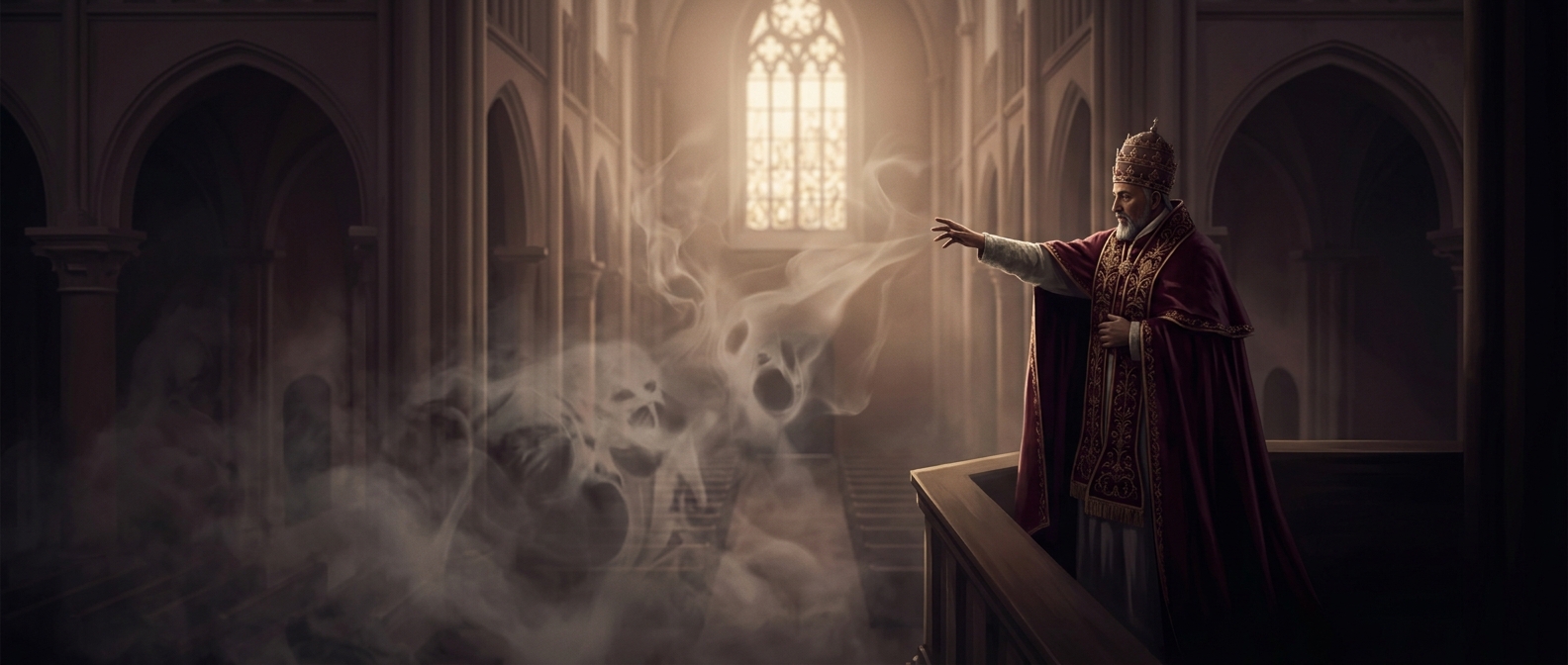
A pope's tobacco ban targeted churches in Seville
A 1642 order from Urban VIII prohibited tobacco use in churches of the diocese, with severe religious penalties attached. The rule belonged to disputes about…
Discover more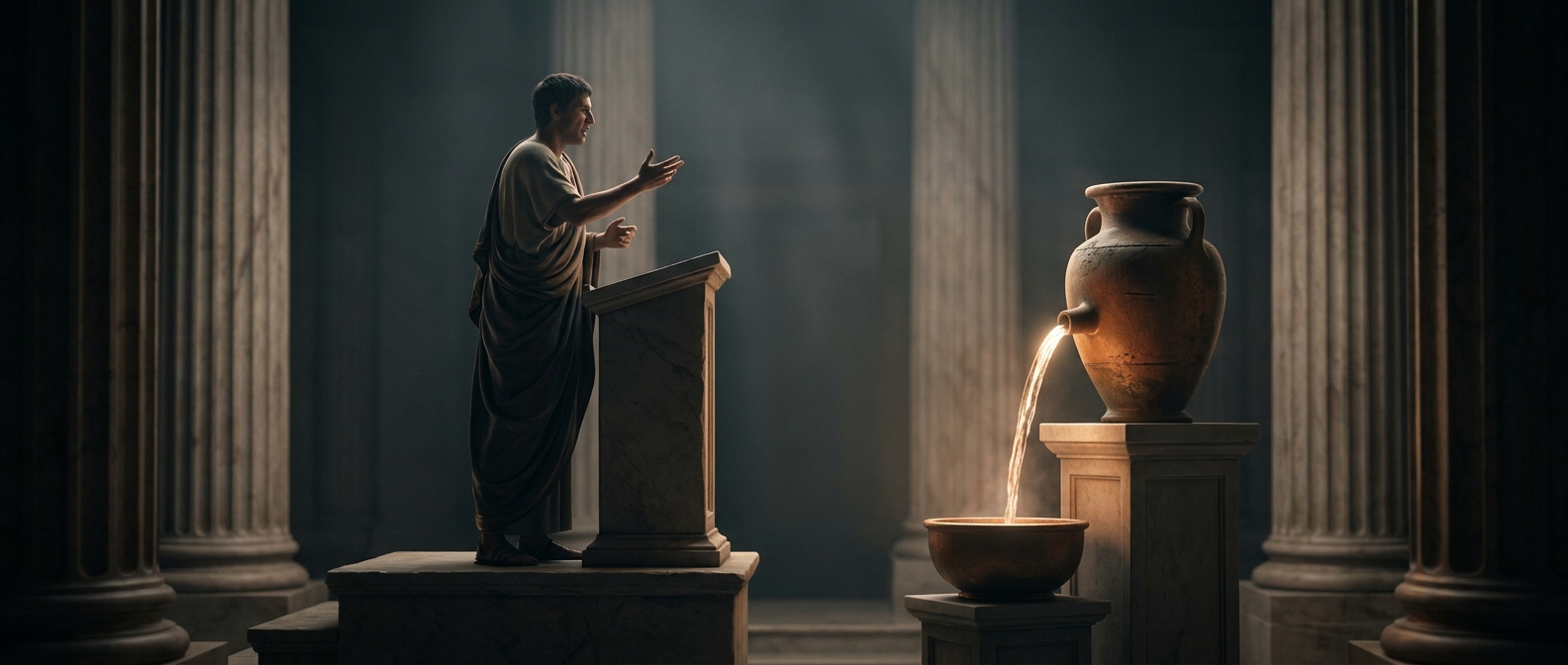
An Athenian courtroom could measure a speech in water
A clepsydra drained through a small opening, giving speakers a limited supply of time they could literally watch running out. Filling the vessel to a fixed…
Discover more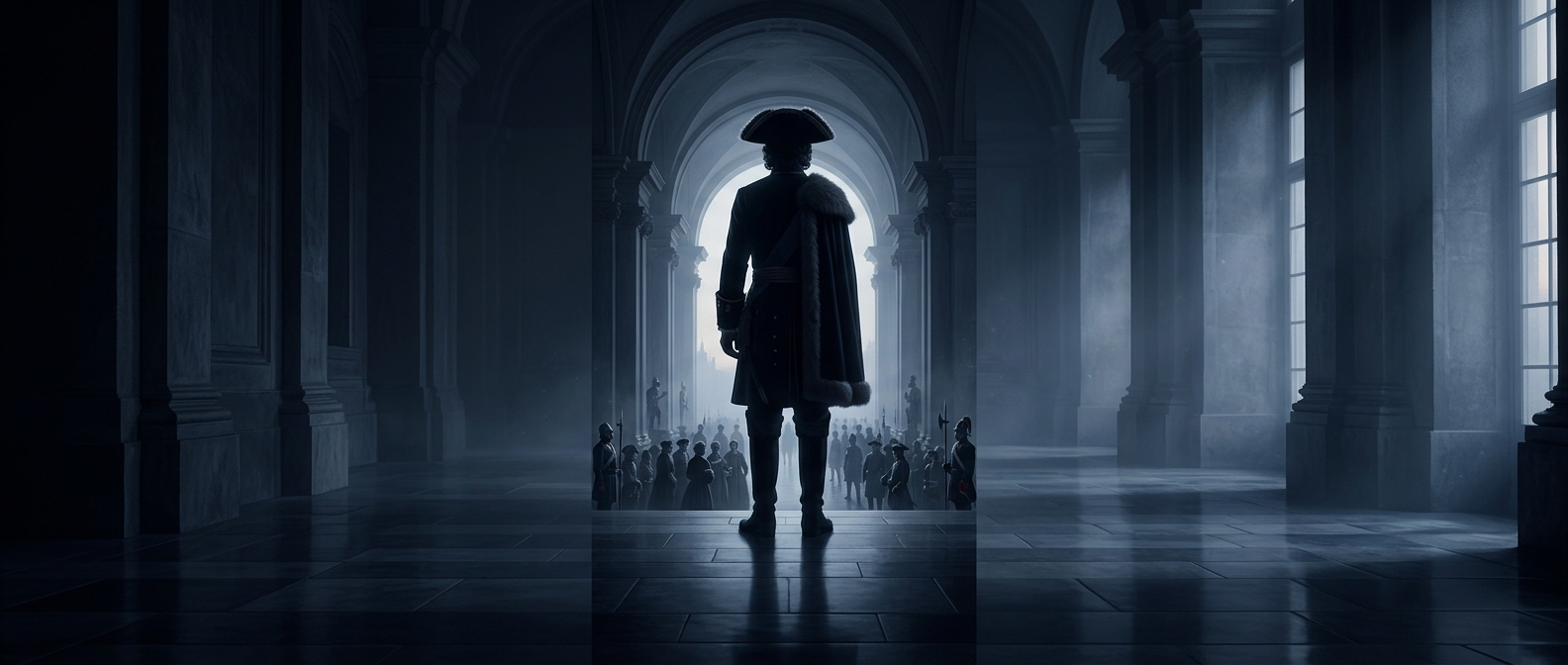
Peter the Great's incognito trip had a conspicuous problem
The Russian ruler traveled through Europe to learn skills including shipbuilding, but his exceptional height made anonymity difficult. The trip put a monarch…
Discover more
A Spanish town is stranded inside France
When a treaty handed nearby villages to France, Llívia’s residents argued their town was not a village and should remain Spanish. The argument stuck: today,…
Discover more