A Beard Born in a City’s Ruins
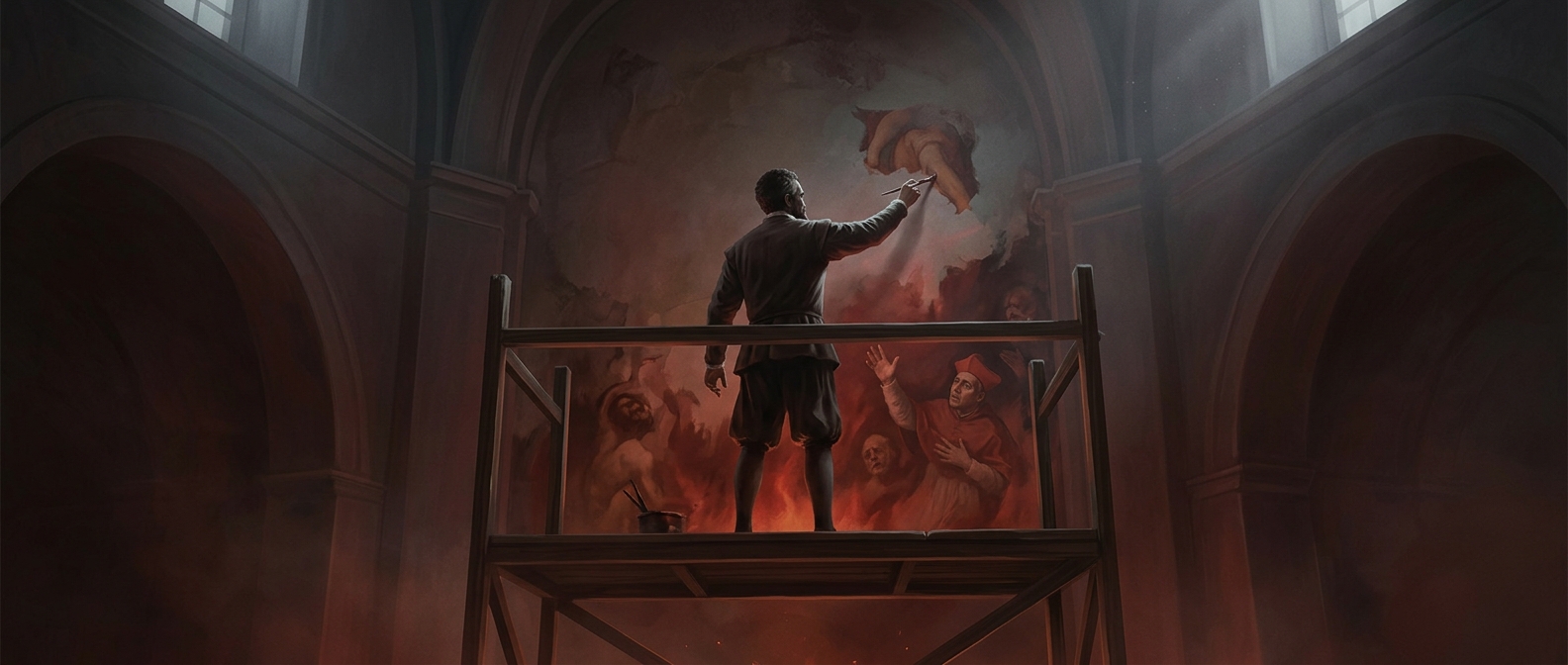
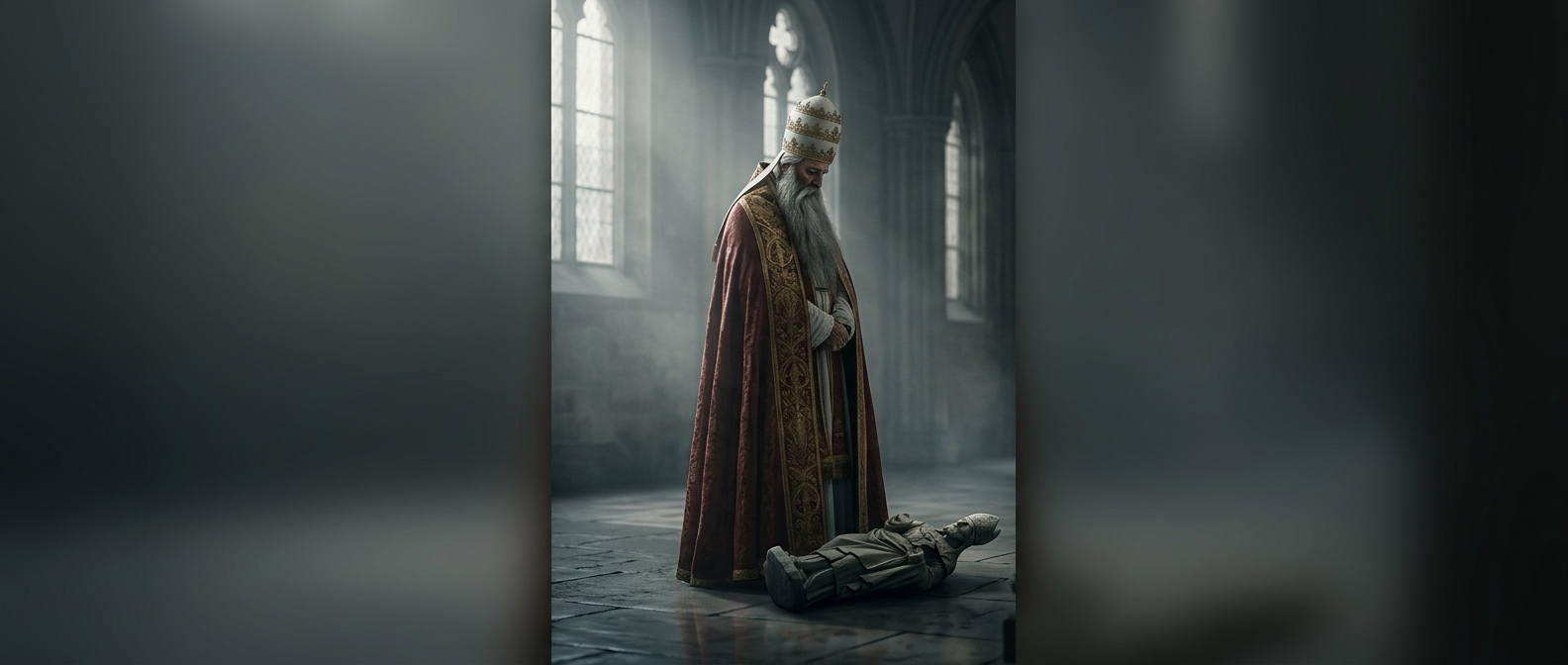
When imperial troops stormed Rome in 1527, Pope Clement VII was driven into the fortified Castel Sant’Angelo. The sack brought looting, violence, and a crisis that shook the papacy. In its aftermath, Clement stopped shaving, reportedly as a sign of mourning for the city and its suffering.
A beard was an unusual public choice for a pope. Clerical convention favored a clean-shaven face, so Clement’s appearance stood out against the image of disciplined, orderly church leadership. His beard made grief visible: instead of presenting a freshly groomed face, the pope carried a reminder of the disaster with him.
From Personal Mourning to Papal Fashion
Clement kept the beard until his death in 1534. Later popes adopted the look, turning what began as a striking departure from convention into a recurring feature of papal appearance for roughly a century. Their beards did not necessarily express the same private sorrow; once several popes wore them, the style could also signal continuity with predecessors and fit the fashions of the era.
That shift is what made the look memorable. A city’s catastrophe altered one pope’s daily routine, and the pope’s public image helped make that personal response a tradition. For generations, a beard on the papal face recalled how the sack of Rome reached beyond the city’s streets and into the symbols of church authority.