A fee for wearing powdered hair
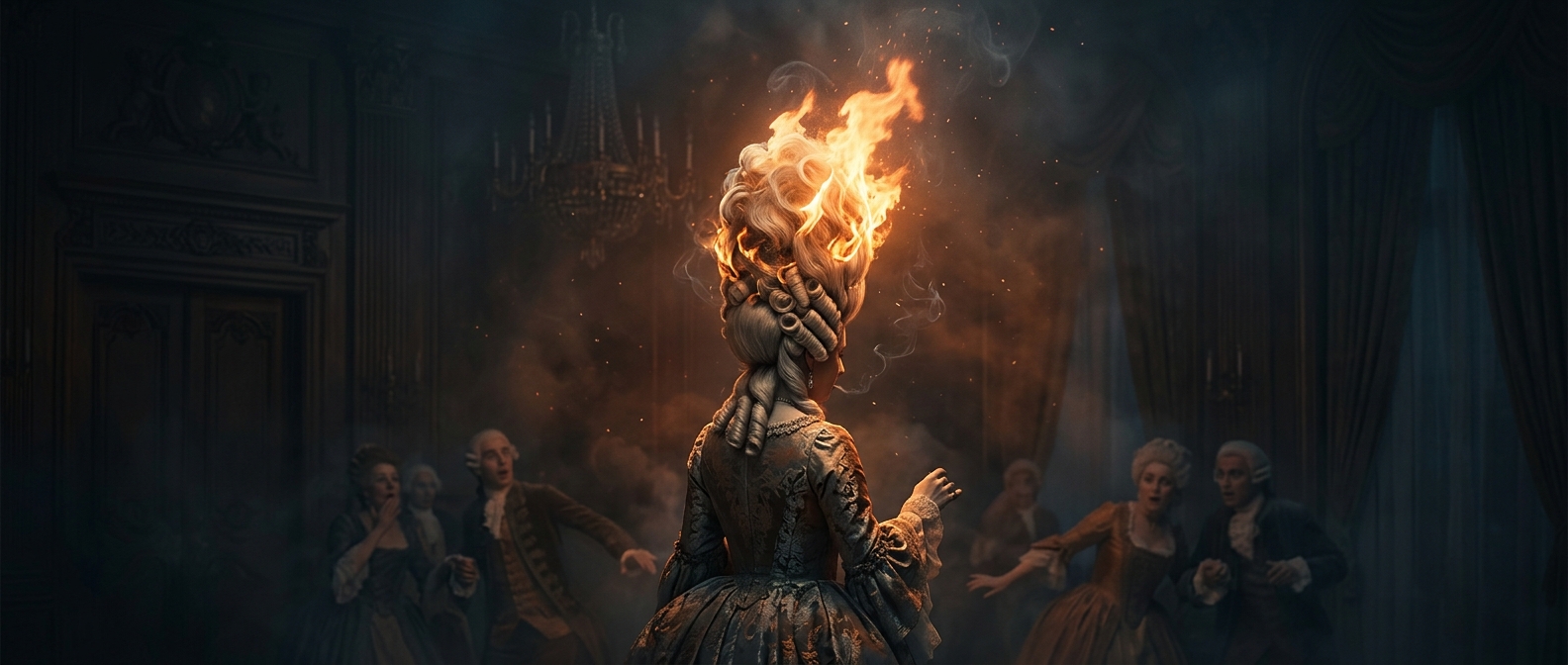
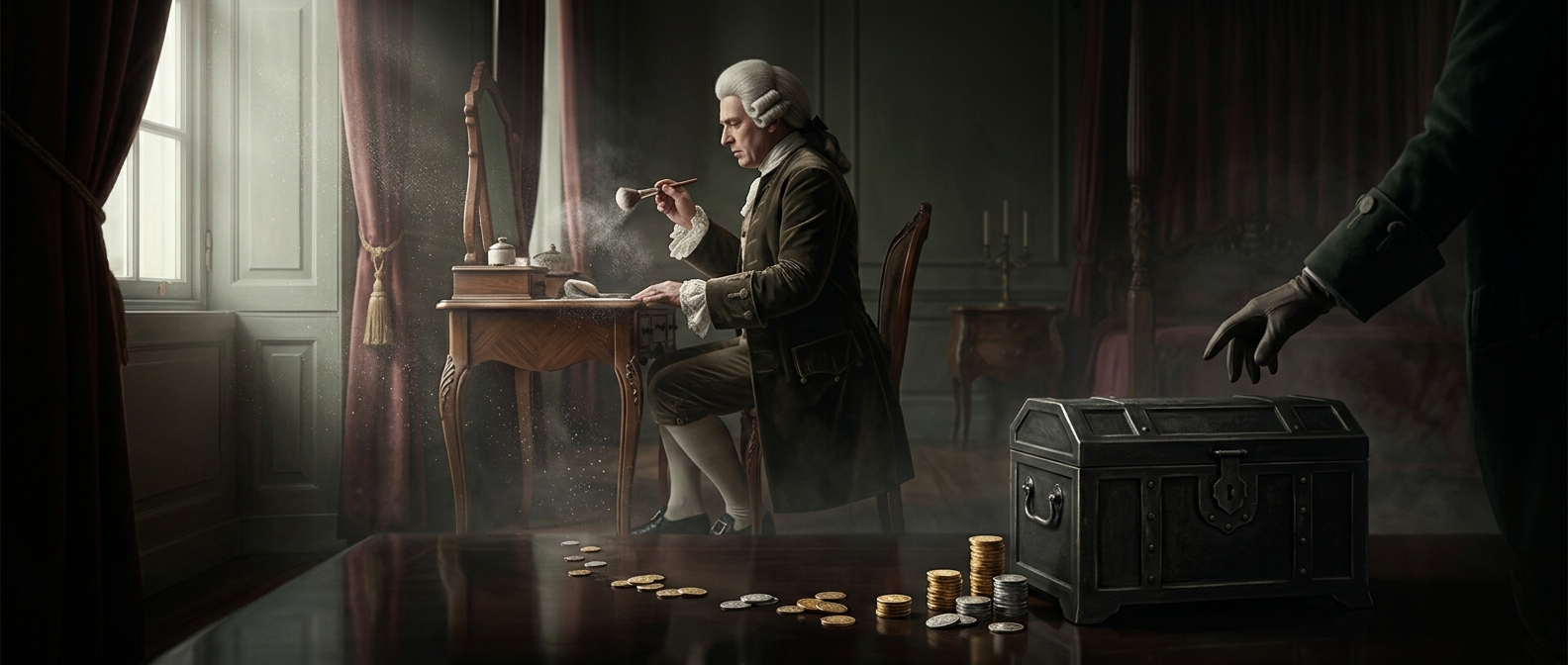
In 1795, Britain made the use of hair powder subject to an annual certificate costing one guinea—a guinea was 21 shillings. The powder, usually made from starch, was dusted over wigs and natural hair to give them a pale, formal finish. The certificate turned a fashionable grooming habit into a visible tax obligation: anyone who wanted to keep using the powder had to pay for permission.
The levy came as the government needed revenue during its war against revolutionary France. Rather than tax every hairstyle, it targeted a particular luxury practice, making the cost fall most directly on people who still wanted the powdered look.
Why the fashion lost ground
The fee did not create changing tastes from scratch. Powdered hair was already becoming less fashionable, as simpler, shorter styles gained appeal. The tax made that shift easier to act on: people could abandon the powder and avoid paying, rather than renew a certificate for a look they no longer considered essential.
That is how the tax helped hasten the fashion’s decline—not by banning wigs or instantly changing everyone’s appearance, but by adding a recurring cost to a style whose social appeal was weakening. A guinea could be a meaningful expense, especially when the alternative was simply to wear unpowdered hair. The tax turned a change in taste into a practical choice at the dressing table.