When Sleeves Announced Rank
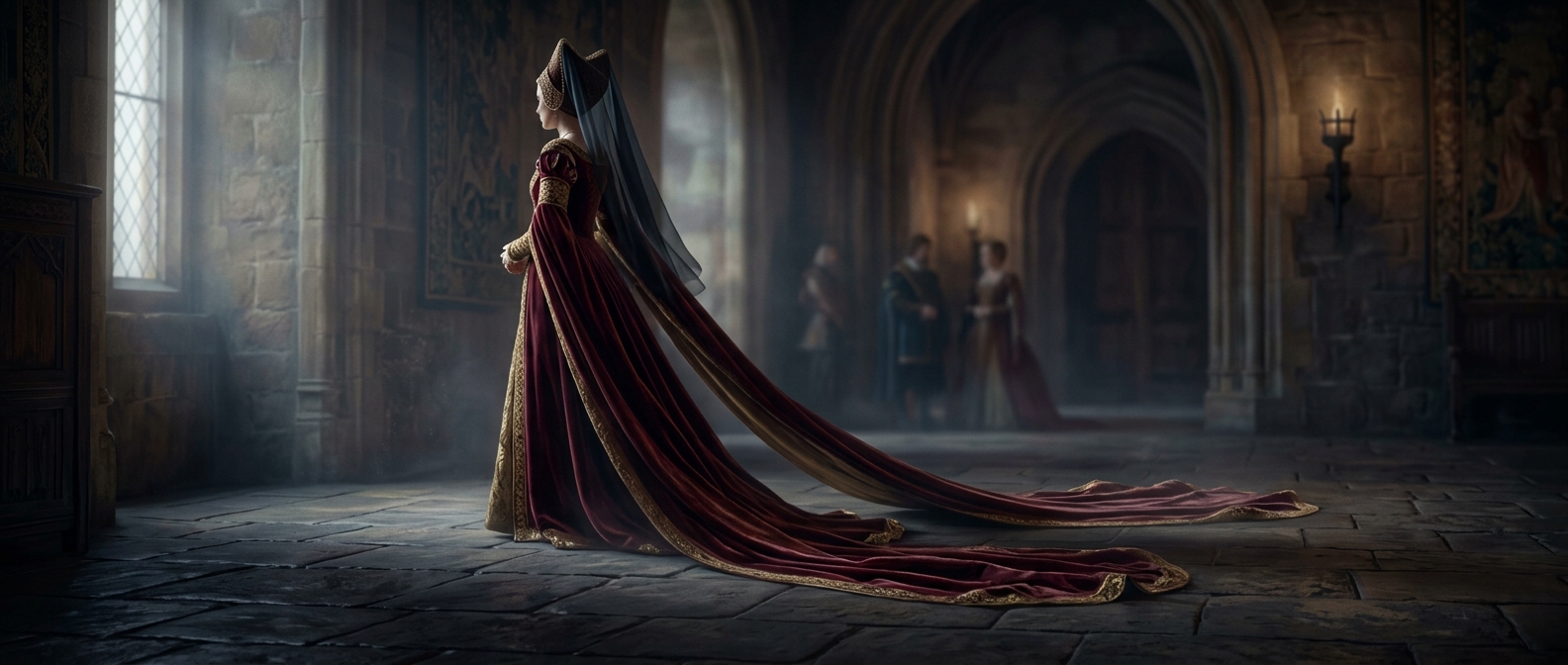
In medieval dress, long, trailing sleeves made a person’s clothing conspicuously impractical. A cuff that brushed the ground could catch dirt, snag on objects, or get in the way of ordinary tasks. That inconvenience helped distinguish the wearer from someone whose clothes had to stand up to daily labor.
The Cost Was Part of the Signal
Clothing communicates status most clearly when it shows that its wearer can afford something other than utility. Extra fabric required resources to make and maintain; sleeves that dragged or needed to be gathered also demanded attention. Their length made a visible claim: the wearer did not need to dress for work.
That did not mean every noble wore floor-length sleeves all the time, or that the style had one fixed meaning everywhere. Medieval fashions varied by place and period. But when sleeves were deliberately extended beyond practical reach, their awkwardness could reinforce the display. The garment’s inconvenience was not merely a flaw—it helped make rank visible.
A Status Display You Could See in Motion
The message was especially plain when the wearer moved: lifting an arm, navigating a crowded room, or crossing muddy ground brought the trailing cloth into view. A practical garment disappears into its task; these sleeves called attention to the body and the resources surrounding it. Even the possibility of dirt on the fabric underscored the contrast between conspicuous dress and clothes made for getting work done.