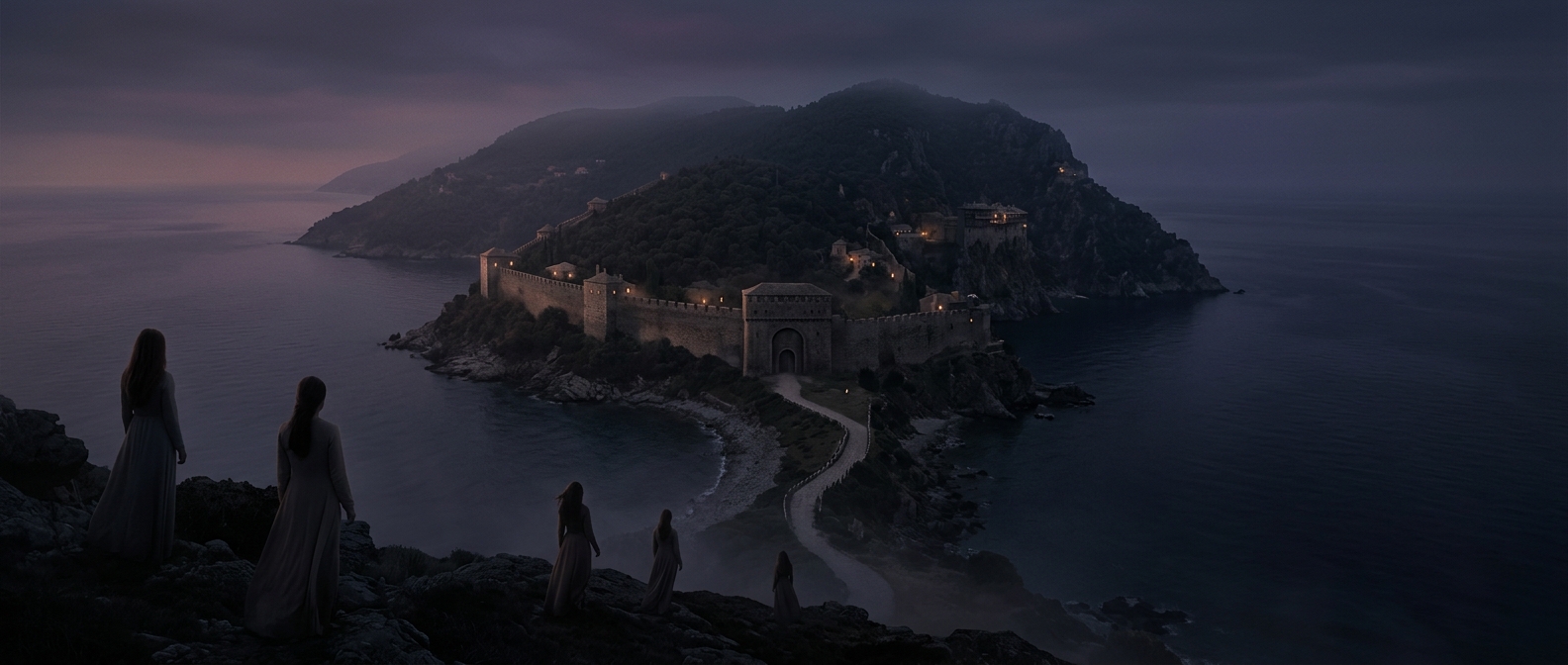
A medieval bargain created two rulers
Andorra’s unusual co-principality began as a practical settlement in the Pyrenees. In 1278, the Bishop of Urgell and the Count of Foix agreed to share authority over the small mountain territory, whose control had been contested. The agreement, known as a paréage, set out rights and obligations for both sides rather than giving either one exclusive rule.
The arrangement endured through changes in the surrounding states. The Count of Foix’s rights eventually passed to the French crown, so France’s head of state became the other co-prince alongside the Bishop of Urgell. When France became a republic, the role attached to the office of president: a new president takes the title automatically, without being elected in Andorra.
A title is not day-to-day government
“Co-prince” sounds like a claim to personal rule, but Andorra’s modern system sharply limits what that means. The two co-princes are its heads of state, while the country’s elected institutions govern its daily affairs. Andorra adopted a constitution in 1993 that established it as a parliamentary co-principality, preserving the historic partnership within a modern democracy.
The arrangement is a reminder that political titles can outlast the systems that first created them. France’s president holds a medieval office not because France governs Andorra, but because a chain of inherited rights carried one side of the old agreement into the present. A change of president in Paris therefore changes one of Andorra’s heads of state—without changing Andorra’s government.