A nightcap built around the hairstyle
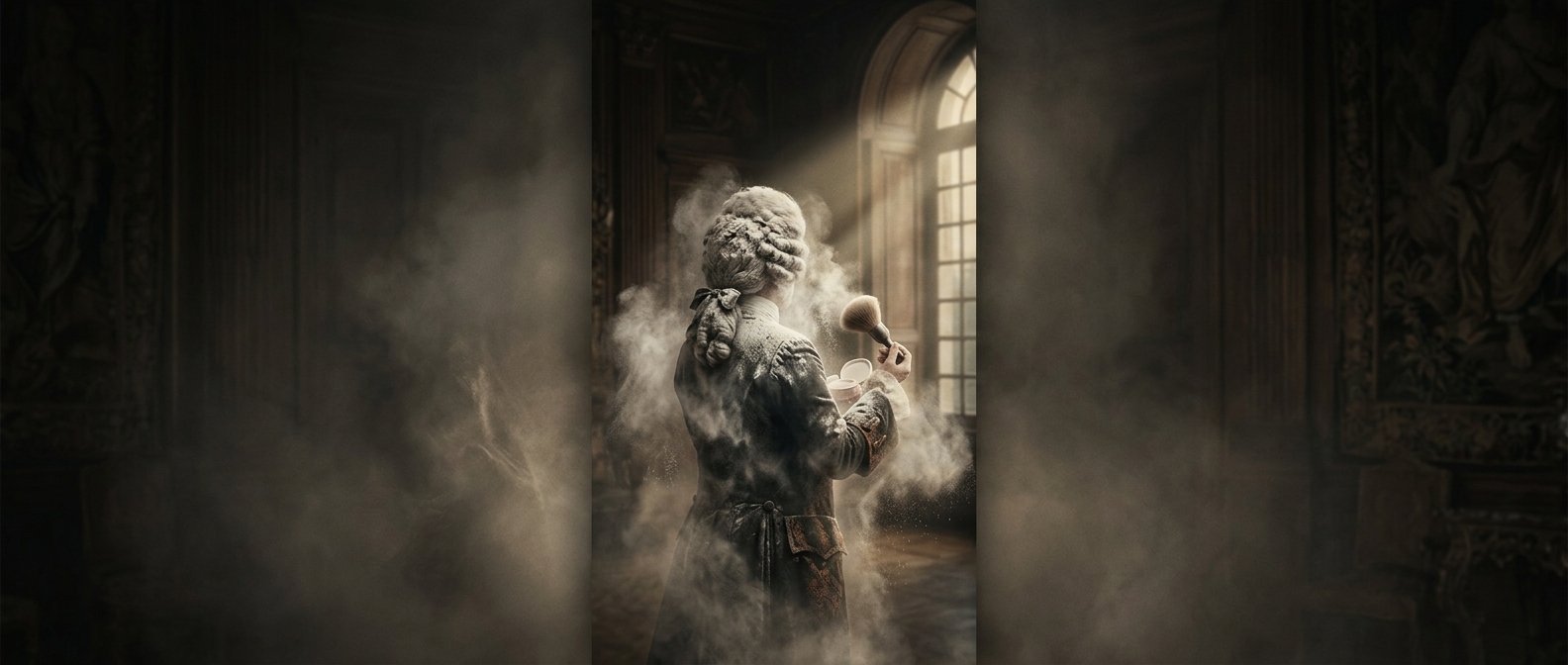
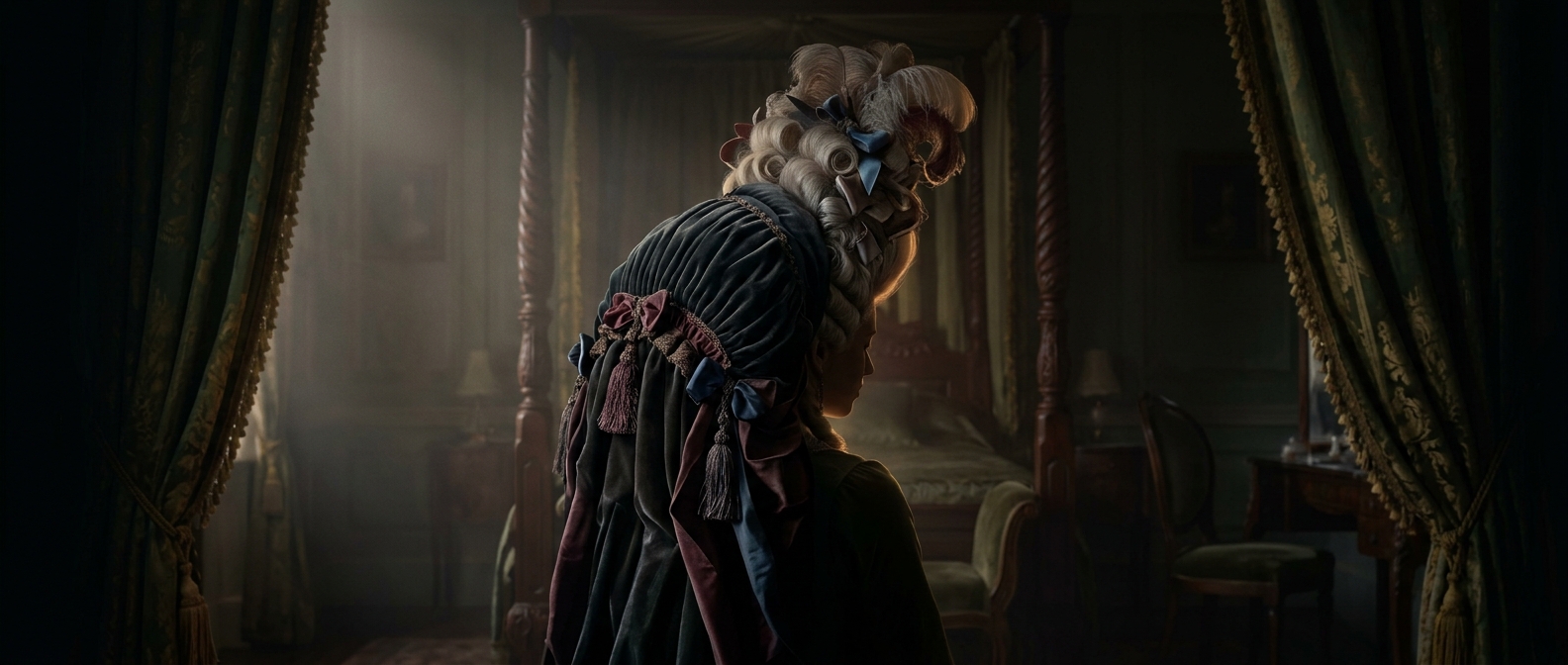
When fashionable hairstyles rose high above the head, bedtime created a practical problem: a pillow could flatten the carefully arranged structure. A tall sleeping hat provided room over the hair instead of pressing directly on it. Its height was functional—the hat had to accommodate the hairstyle that was already there.
The styles could involve substantial arranging and powdering, so crushing them meant losing more than a neat appearance. It could undo time, materials, and skilled work. Protecting the style overnight helped preserve that investment until it could be worn again.
Why the hat had to stay put
A roomy cap would be little help if it slid down or collapsed onto the hair. Securing it kept its protective space in place while the wearer slept. In effect, the hat acted as a loose outer shell: it covered the elaborate arrangement while leaving clearance around it.
That makes the tall sleeping hat a small record of fashion’s practical consequences. When a hairstyle took up space and effort, even bedtime clothing had to be designed around it.