When the Chin Was Bare but the Cheeks Were Not
The style was more than simply growing a beard and trimming it back. Hair was left thick along the cheeks and sides of the face, while the chin was shaved clean. That sharp boundary made the whiskers—the old name for facial hair at the sides of the face—the feature to notice. In its broadest forms, the look is now commonly called mutton chops.
The contrast took deliberate upkeep. A wearer had to let the cheek hair grow while regularly shaving the chin and shaping the edges. The result could look exuberant and even unruly, but its outline depended on a controlled division between hair and bare skin.
A Fashion Statement You Could See From Across the Room
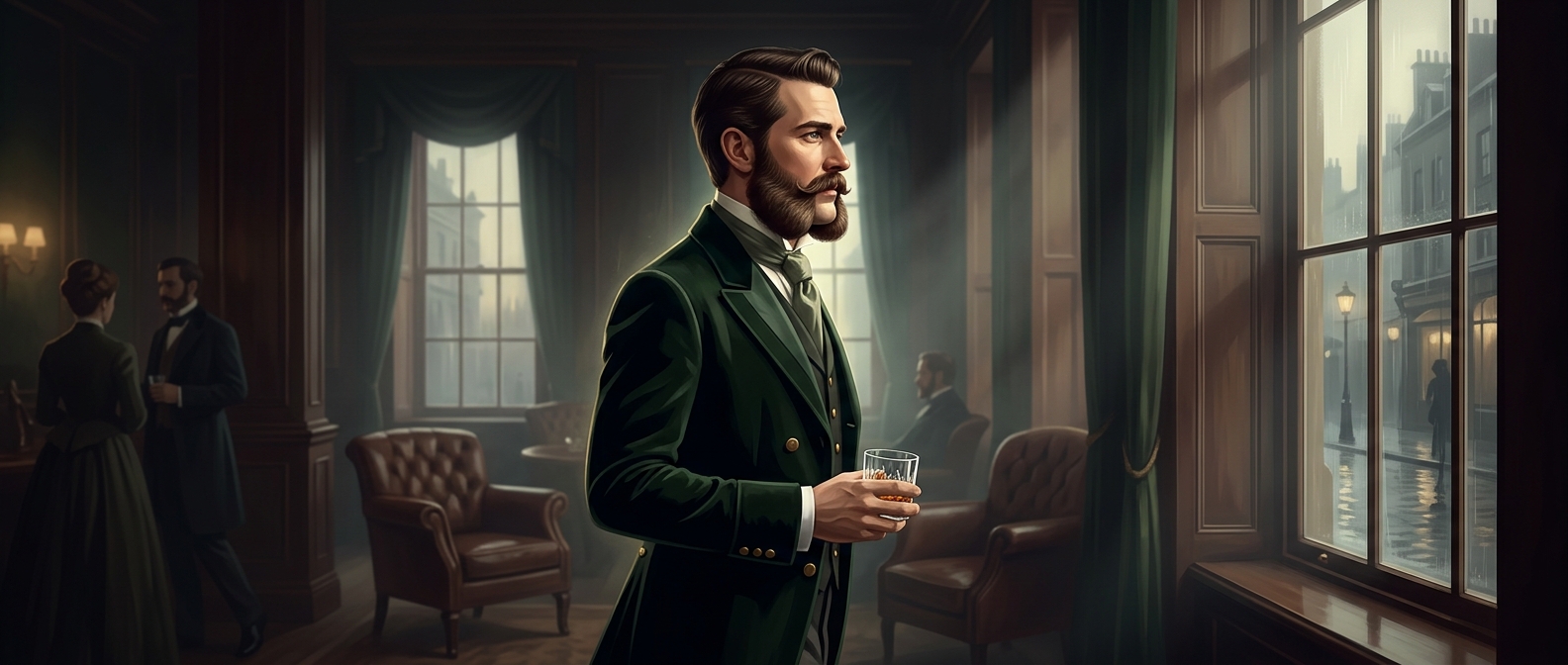
In the nineteenth century, facial hair became an especially visible part of men’s fashion. Styles ranged from modest side-whiskers to large, sweeping patches, and the shape of a man’s face could be altered dramatically by where he chose to keep hair. Cheek-heavy whiskers emphasized the sides of the face; shaving the chin kept the style distinct from a full beard.
The look’s appeal lay partly in that conspicuousness: it turned grooming into a recognizable silhouette rather than a subtle detail. Fashion changed, and the enormous cheek patches did not remain the standard. But their outline still carries the unmistakable impression of an era when a man could make his face look boldly bearded without growing a beard on his chin.