When staying upright became the competition
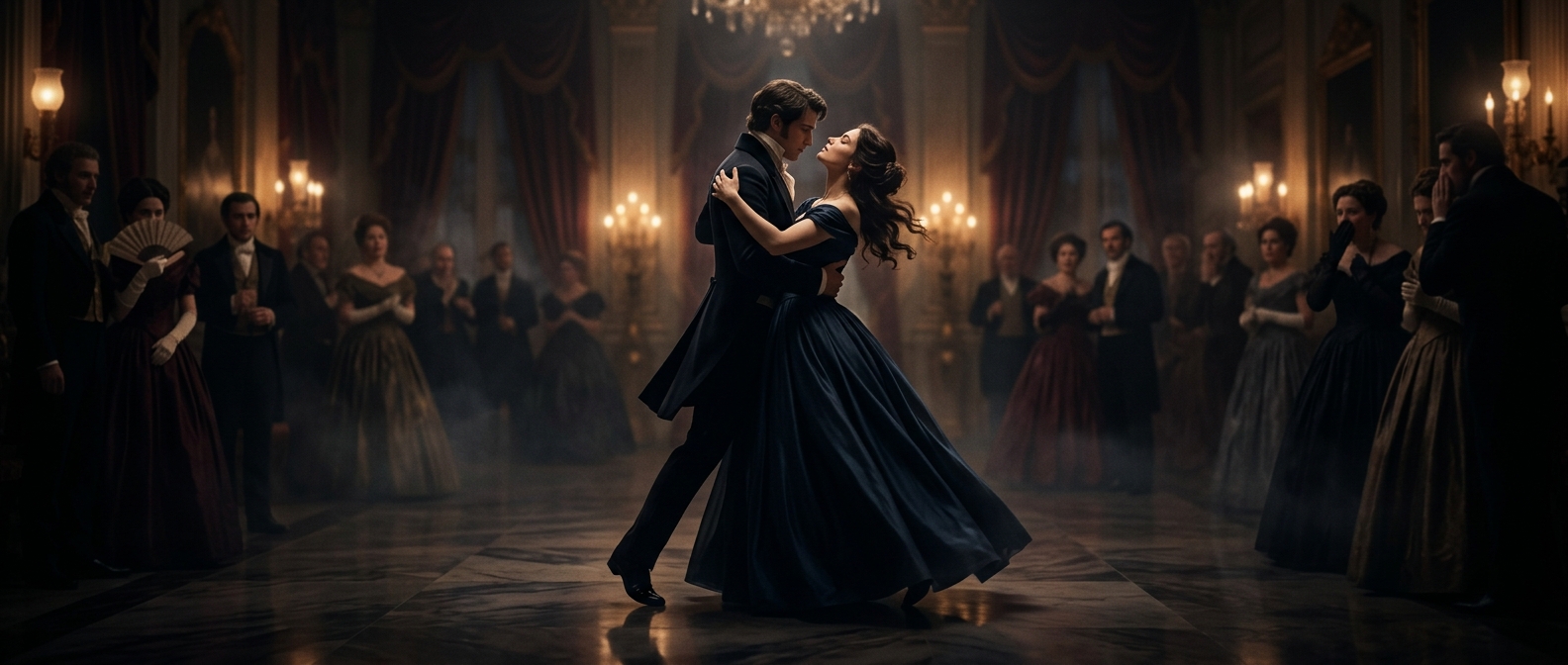
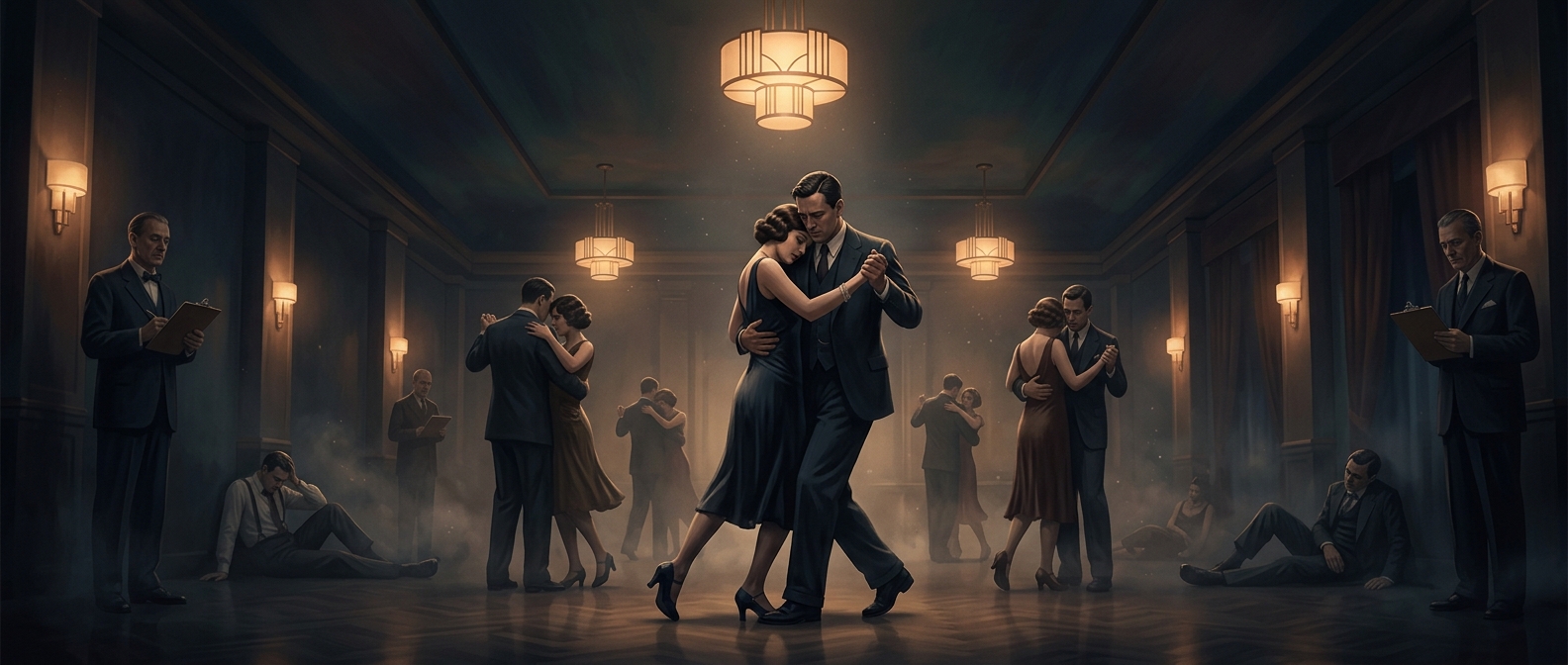
Dance marathons turned endurance into a public contest. Couples kept moving for hours at a time, and in some events the test stretched across days. The point was no longer to show polished steps: it was to outlast the other teams while meeting the contest’s rules for remaining on the floor.
Those rules mattered because “still dancing” could be a technical threshold, not a graceful performance. If one partner weakened or collapsed, the other might support or pull them along so the pair stayed in motion. A teammate’s body became part of the team’s strategy. The precise rules differed from contest to contest, but the basic pressure was the same: stop moving, and risk losing.
Why couples kept going
The format made exhaustion visible. Spectators could watch a team’s strength fade, while organizers had a spectacle that could hold attention far longer than a conventional dance. For contestants, the chance to win a prize—and, for some, simply the prospect of earning something during hard times—could make quitting difficult. In the Depression years, that bargain could be especially stark: endure an ordeal in public for a chance at money.
The contests blurred the line between performance and physical strain. A partner being dragged forward might technically keep a team in the competition, but the scene also showed how little room the rules left for ordinary fatigue. The marathon’s most memorable image was not an elegant dance step; it was one exhausted person keeping another from being the reason the team stopped.