History
Discover facts about history. Small discoveries that change the way you see familiar things.
History
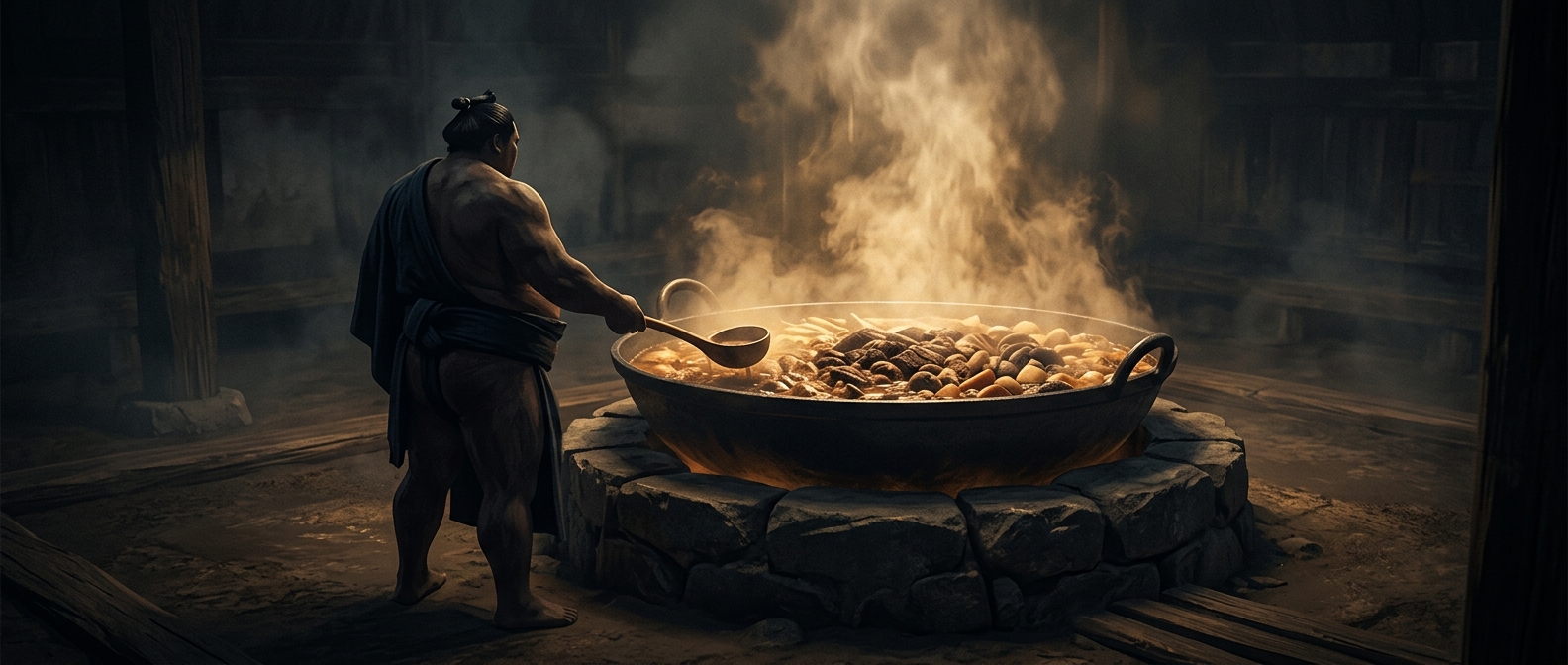
Sumo wrestlers lived on massive high protein stews
The stew combines meat, tofu, and vegetables in calorie-dense portions, and wrestlers often sleep after eating.
Discover more
A wedding veil was once an outfit for the whole bridal party
V&A fashion records show bridesmaids and guests wearing veils in the 1830s too. Matching clothing could emphasize the group surrounding and protecting the…
Discover more
Aristotle's school shared space with a gymnasium
The Lyceum was a place for exercise as well as intellectual activity. Aristotle and his followers taught there, and the school became associated with walking…
Discover more
The peaches ancient Chinese gods ate for immortality
In the myth, the gods' peaches ripened only once every few thousand years, and eating one granted immortality.
Discover more
Chess played as a peaceful proxy for royal conflicts
Chaturanga let rulers test battlefield strategy on a board instead of raising an army for a real fight. The pieces could simulate a campaign without requiring…
Discover more
Why bridesmaids originally dressed alike
Matching dresses were meant to confuse evil spirits looking to curse the bride. The bridesmaids became supernatural decoys, dressed alike so the spirits…
Discover more STACKY FOR IPHONE
A bigger world.
One discovery
at a time.
Keep discovering with Stacky. Interesting facts in an app that is always within reach.

The court jesters who could insult kings
A jester’s joke could carry criticism that a courtier could not safely say outright. Humor gave unwelcome news a little cover—and the king a chance to hear it.
Discover more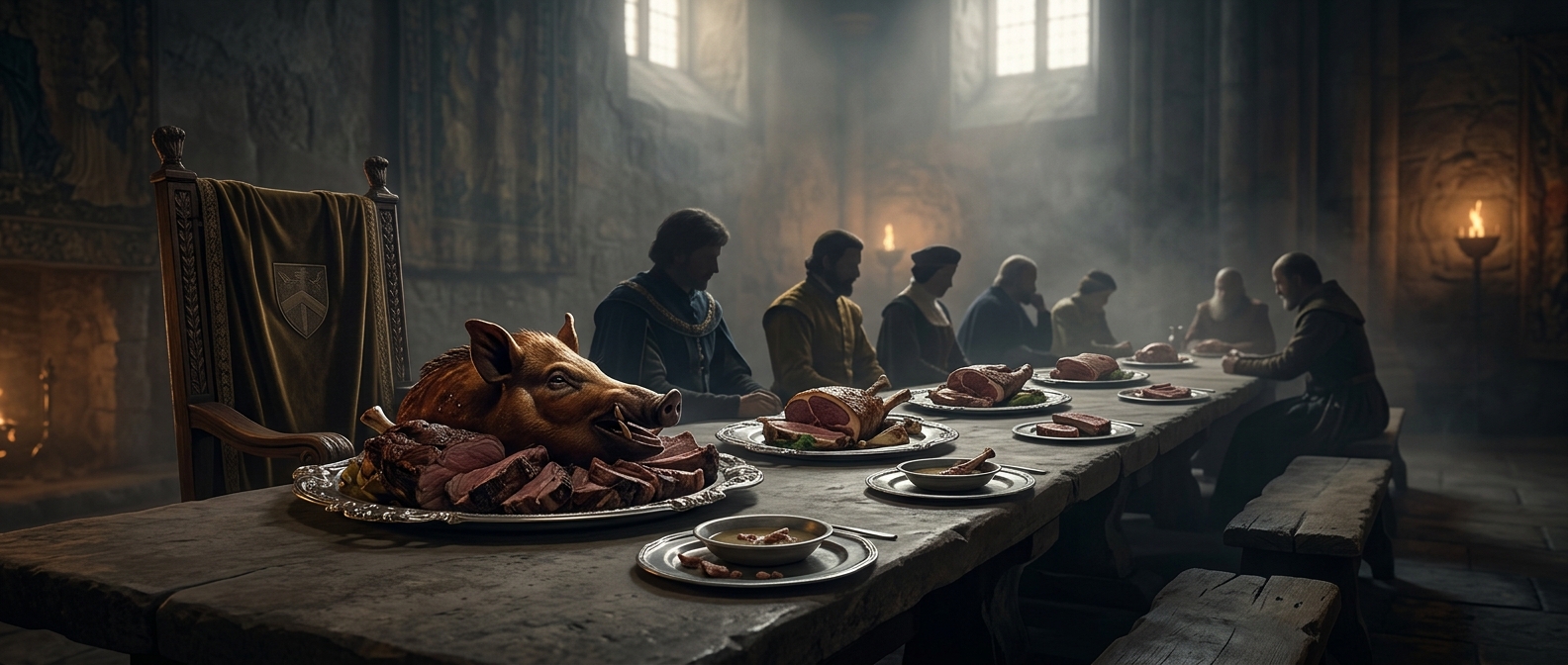
In Homer's Iliad, a hero's reward arrives on his dinner plate
After Ajax fights Hector, Agamemnon honors him at a feast with a choice cut of beef. The meal makes status visible without a speech: everyone eats, but the…
Discover more
The original sushi was a fish-preserving trick
Salted rice fermented around fish to preserve it for longer storage. The rice was discarded before eating, so the original sushi was the preserved fish—not…
Discover more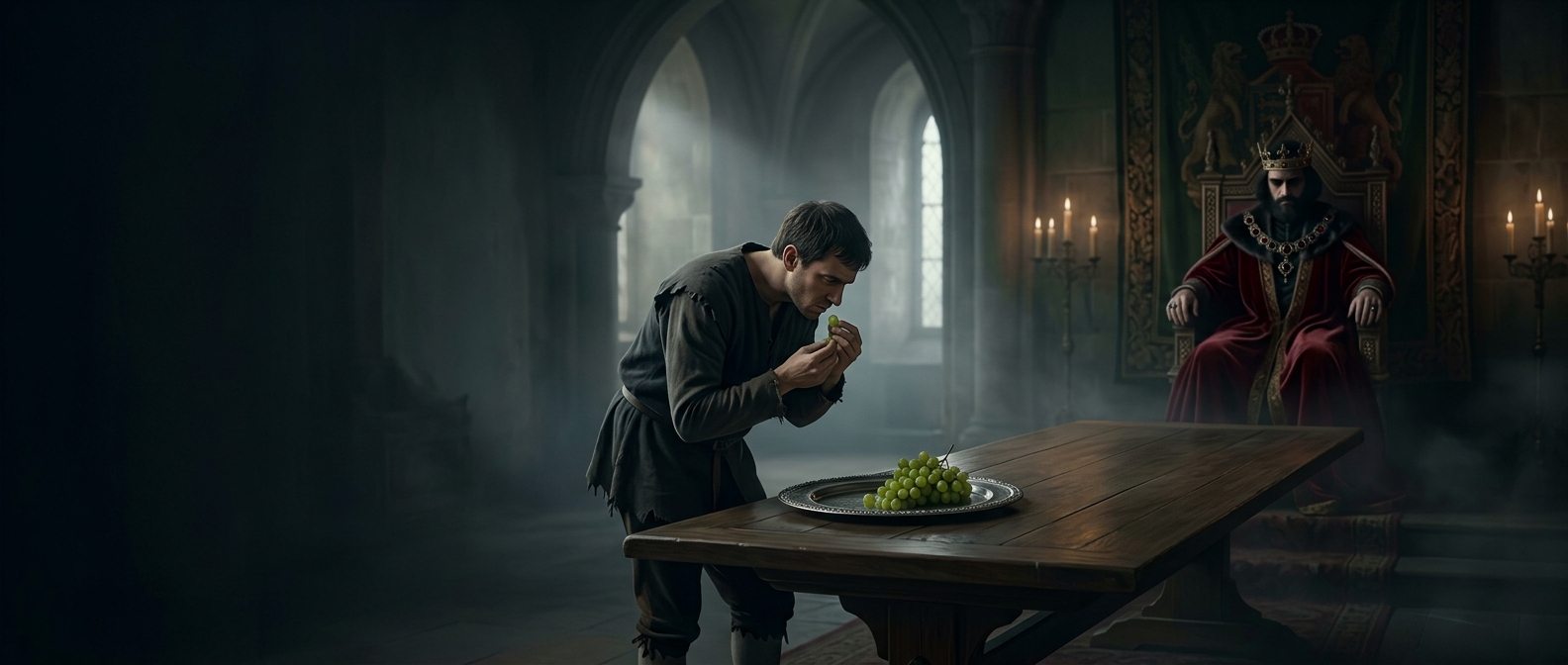
The royal job where every meal could be your last
A royal taster ate before the king, serving as the first line of defense against poison. The king got reassurance; the taster got the uncertainty first.
Discover more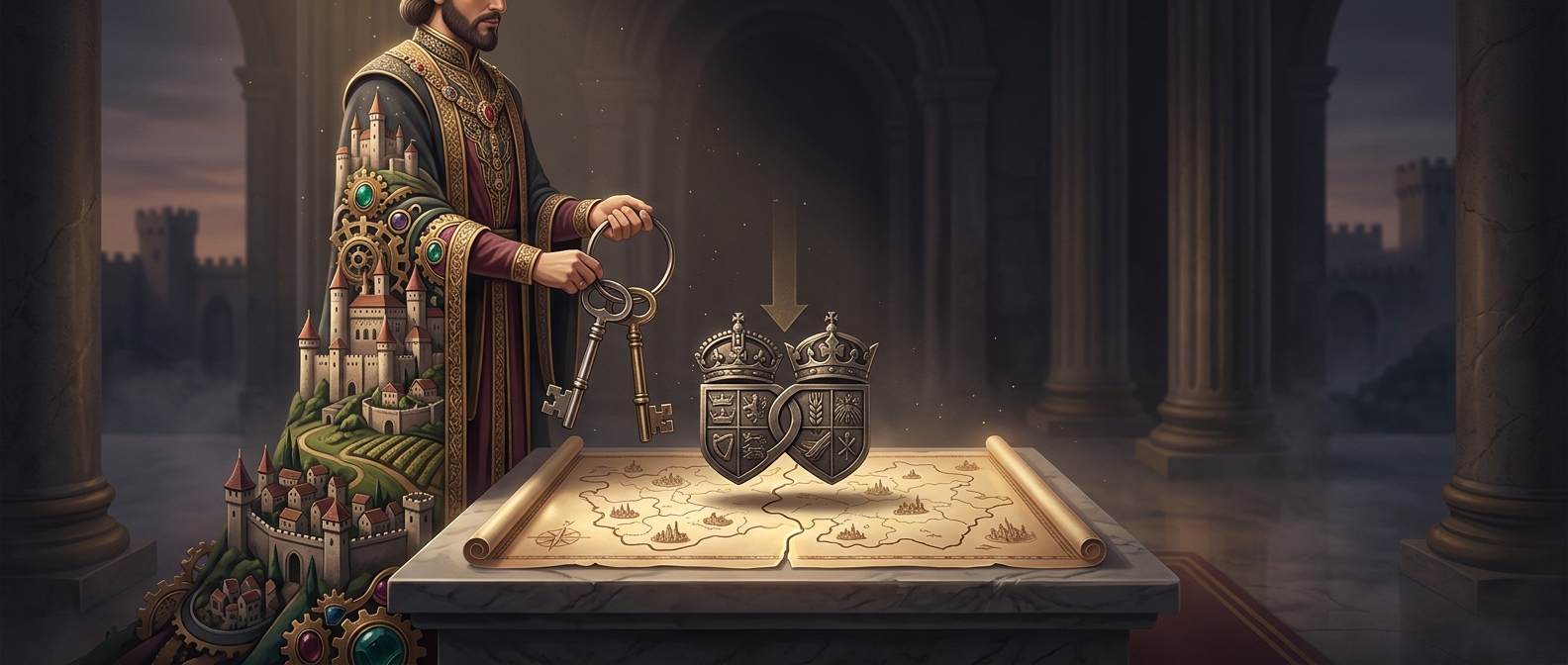
Royal marriages treated as massive property mergers
A royal wedding could transfer dowries, territory, and border guarantees between dynasties, so romance was rarely the main negotiating term. Some couples were…
Discover more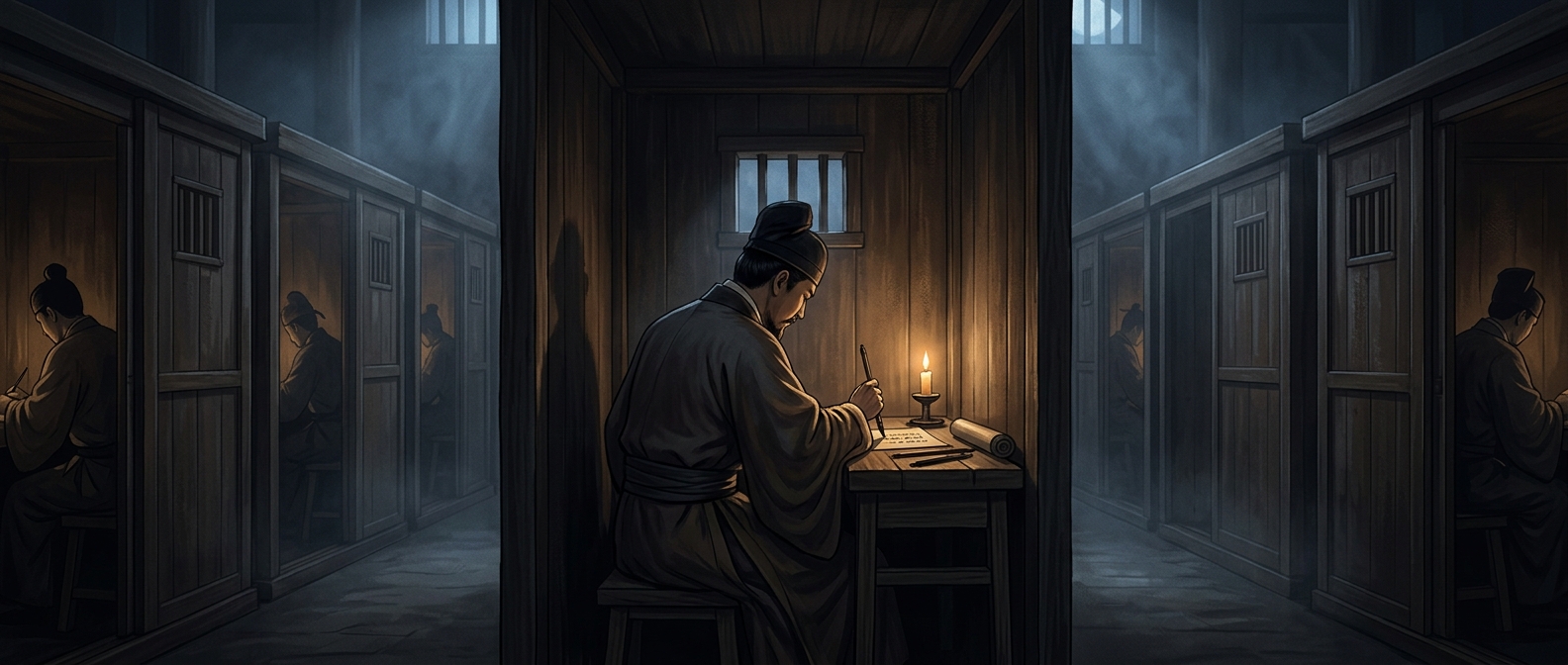
A government job in imperial China began with days in an exam cell
To compete for government posts, candidates sat written exams under close conditions meant to prevent cheating. They spent days alone in closet-sized cells,…
Discover more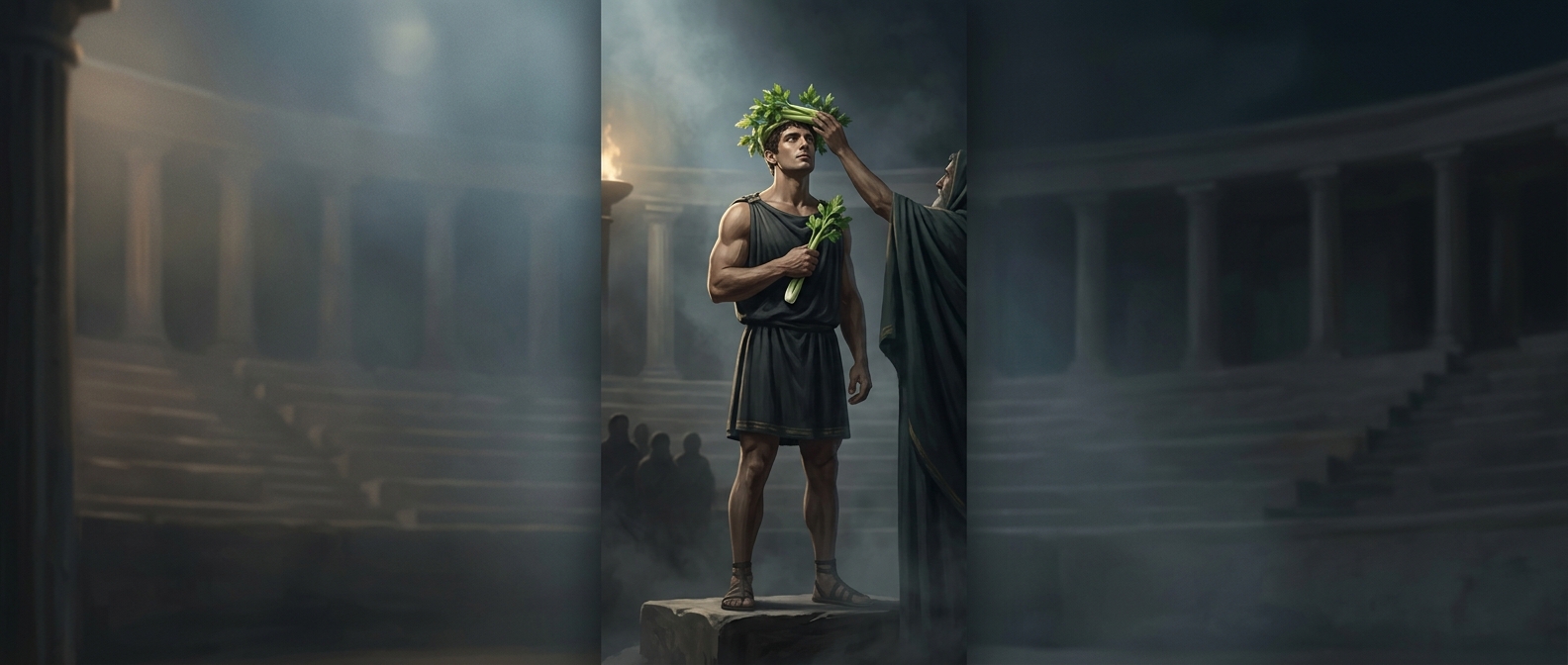
Ancient Olympic winners received leaves, not gold medals
At Olympia, the prize was a wreath of wild olive. Other Greek festivals used different prizes, including celery or pine wreaths. The plant itself was…
Discover more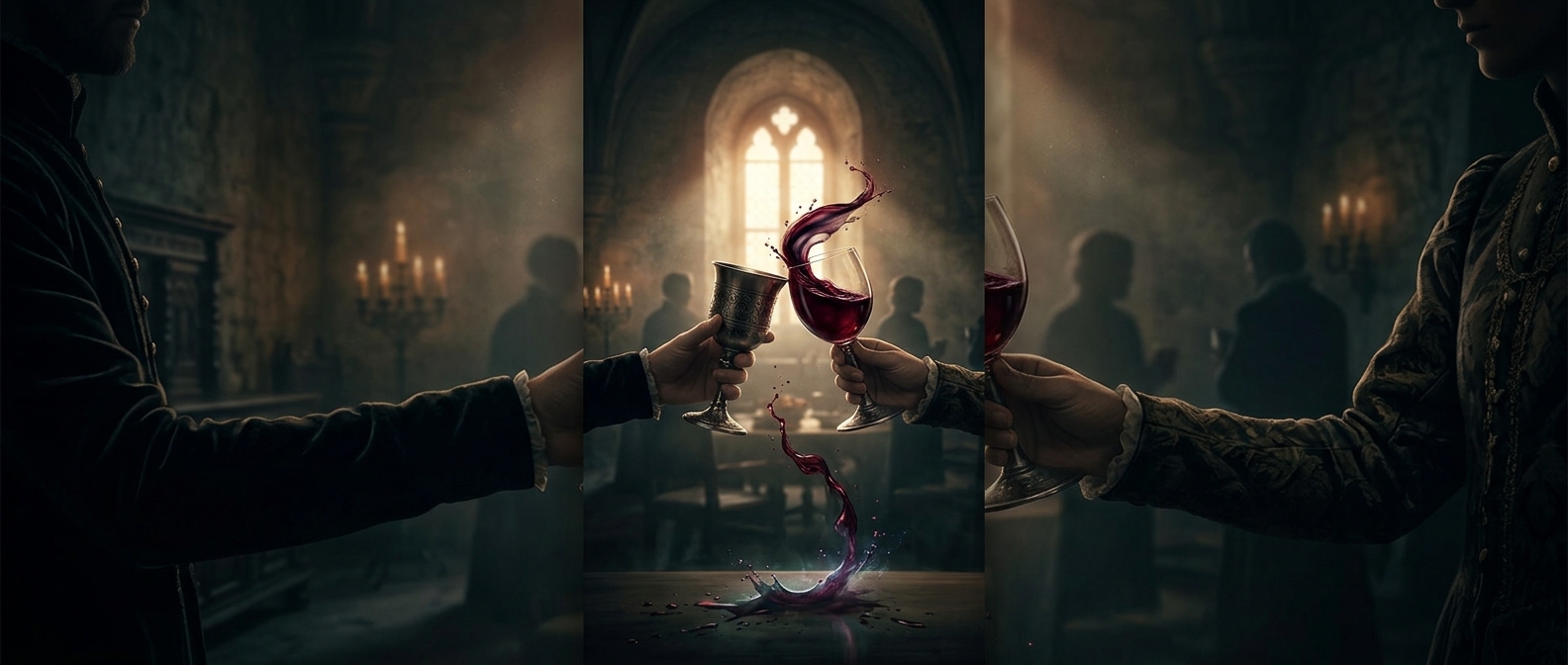
A drinking toast once involved actual toast
The expression is linked to a historical practice of putting toasted bread into wine, sometimes with flavorings. A word for the food then became attached to…
Discover more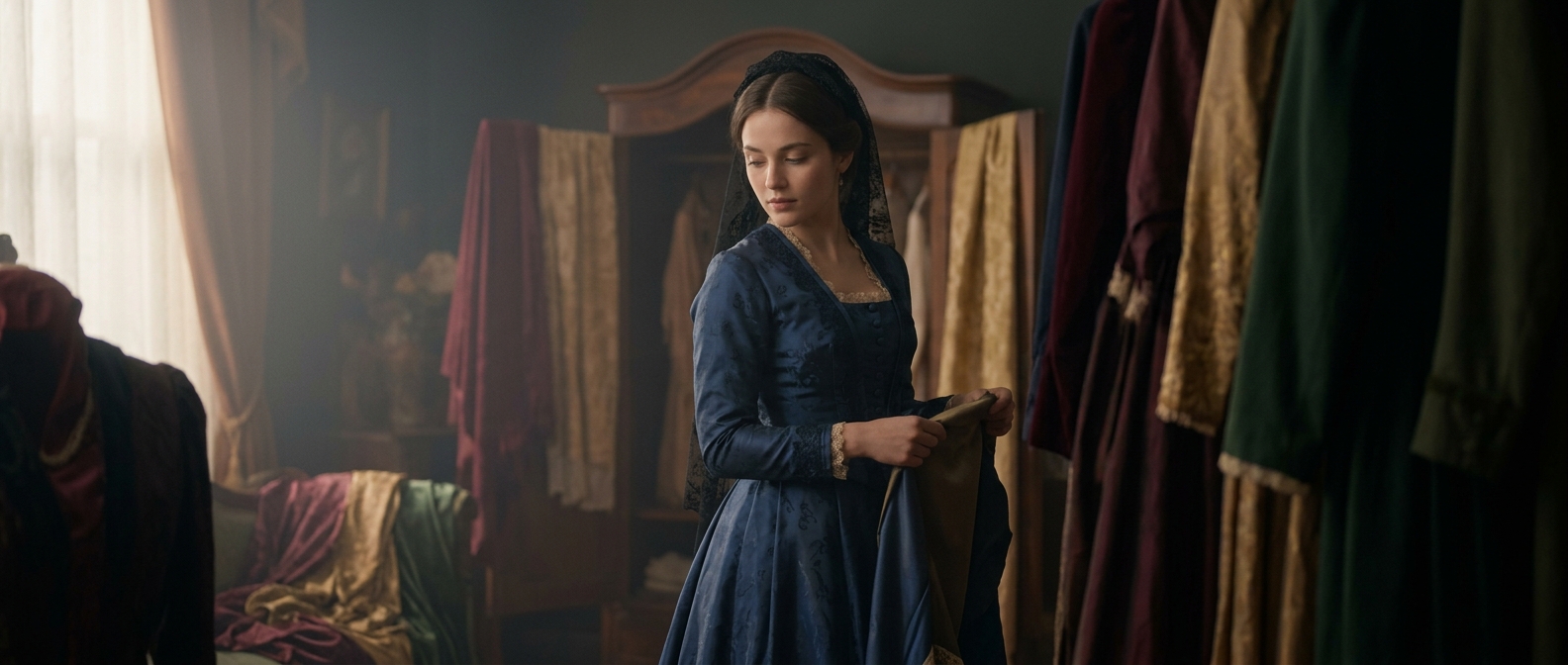
Wedding dresses were simply standard nice dresses
For many women, the wedding outfit was simply their best dress—not a special white gown, and it could be dark brown or itchy.
Discover more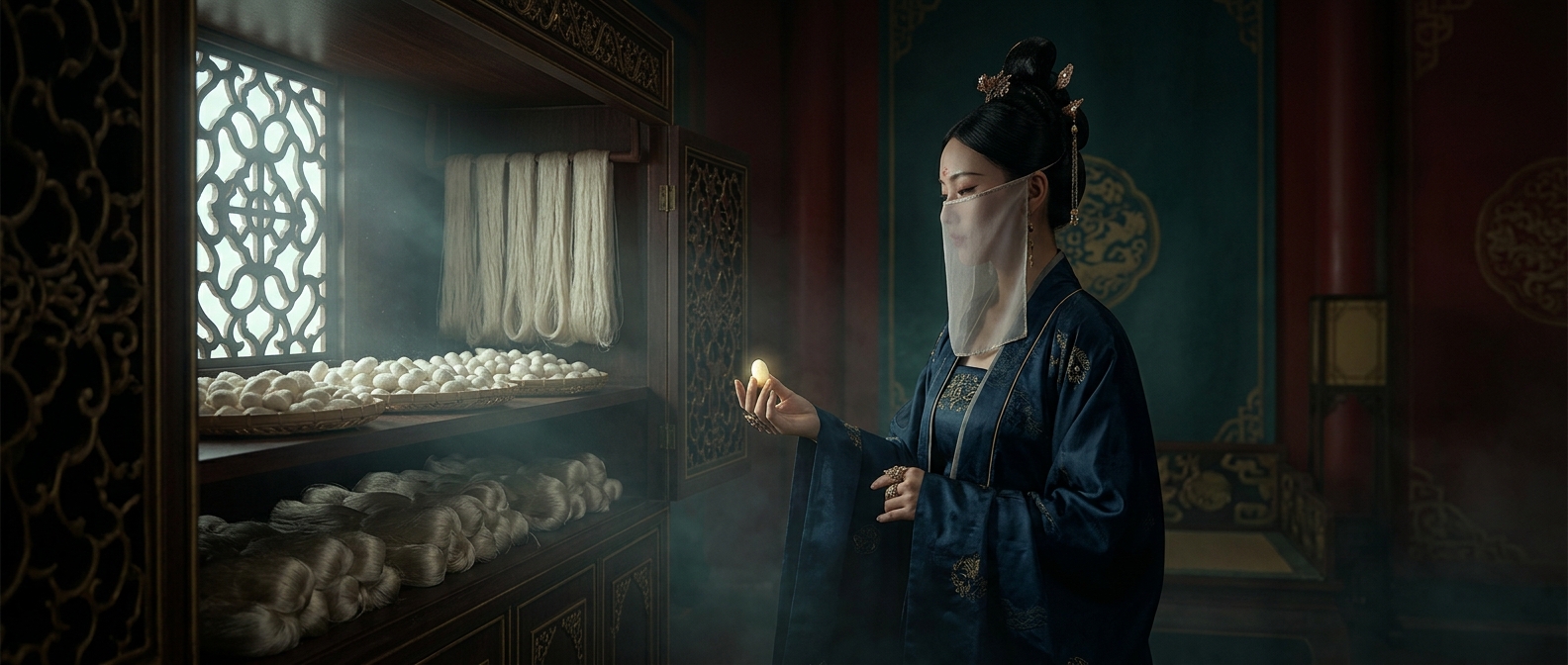
Silk production kept as a strict imperial state secret
Silk was valuable enough that China guarded the know-how behind it as a state secret. Anyone caught smuggling silkworms or mulberry seeds out of the empire…
Discover more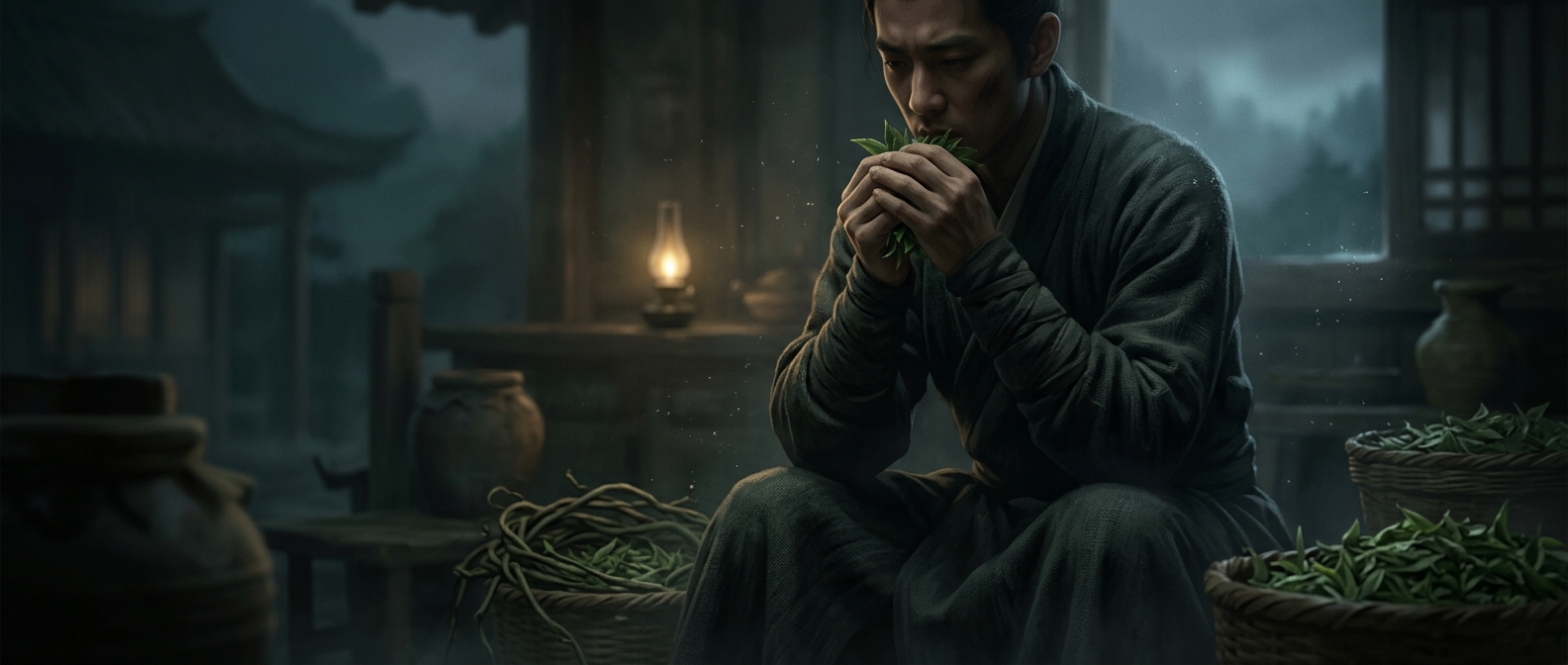
People once chewed tea leaves for caffeine
Some people got tea's caffeine by chewing the leaves instead of brewing them. It was tea in its most direct form: leaves first, hot water optional.
Discover more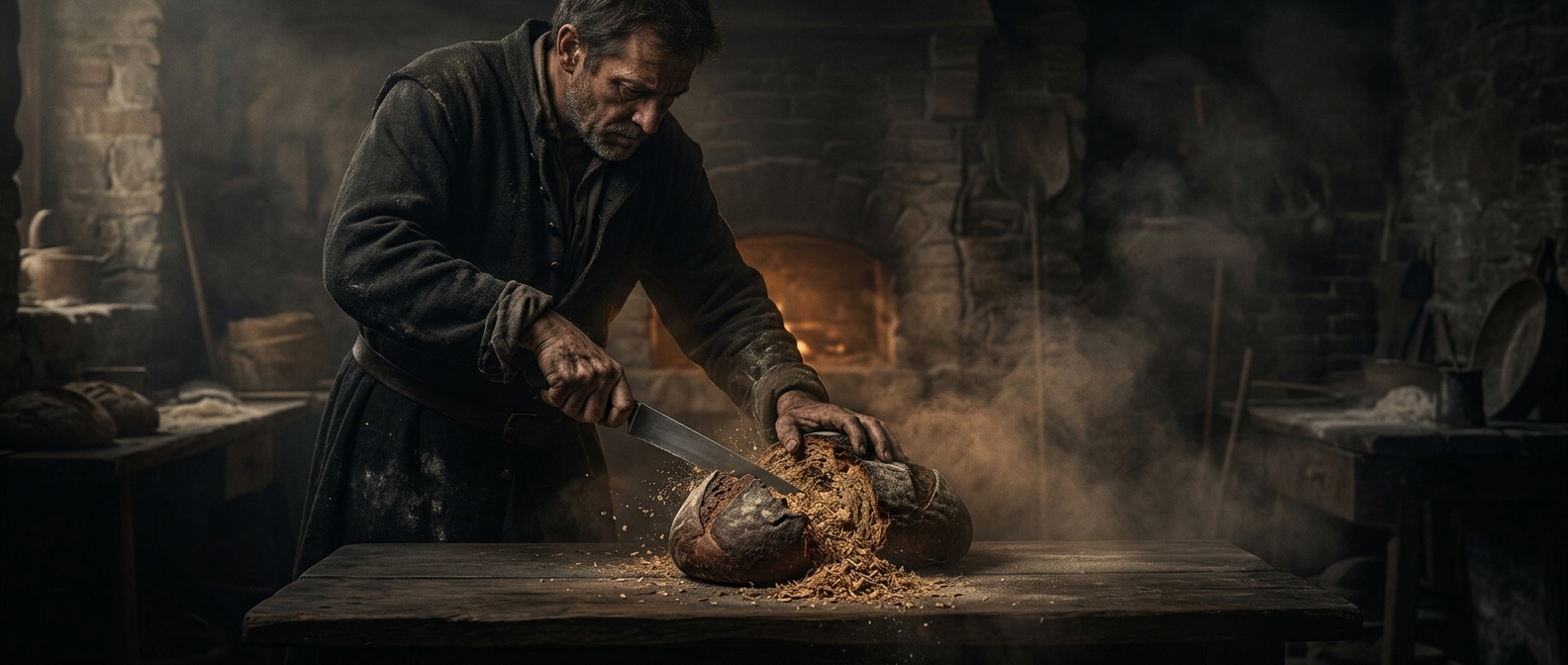
Finnish famine bread could contain the inner bark of trees
During shortages, people used processed inner bark as an emergency substitute for part of their grain flour. The National Museum of Finland preserves evidence…
Discover more
Monks put their fasting calories in a beer mug
Paulaner's brewing tradition traces Salvator to monks who made a substantial beer for periods when their rules restricted solid food. The drink supplied…
Discover more
How eunuchs came to dominate imperial courts
Rulers hoped castration would prevent court advisers from founding rival dynasties. But eunuchs could still build alliances, control access to the ruler, and…
Discover more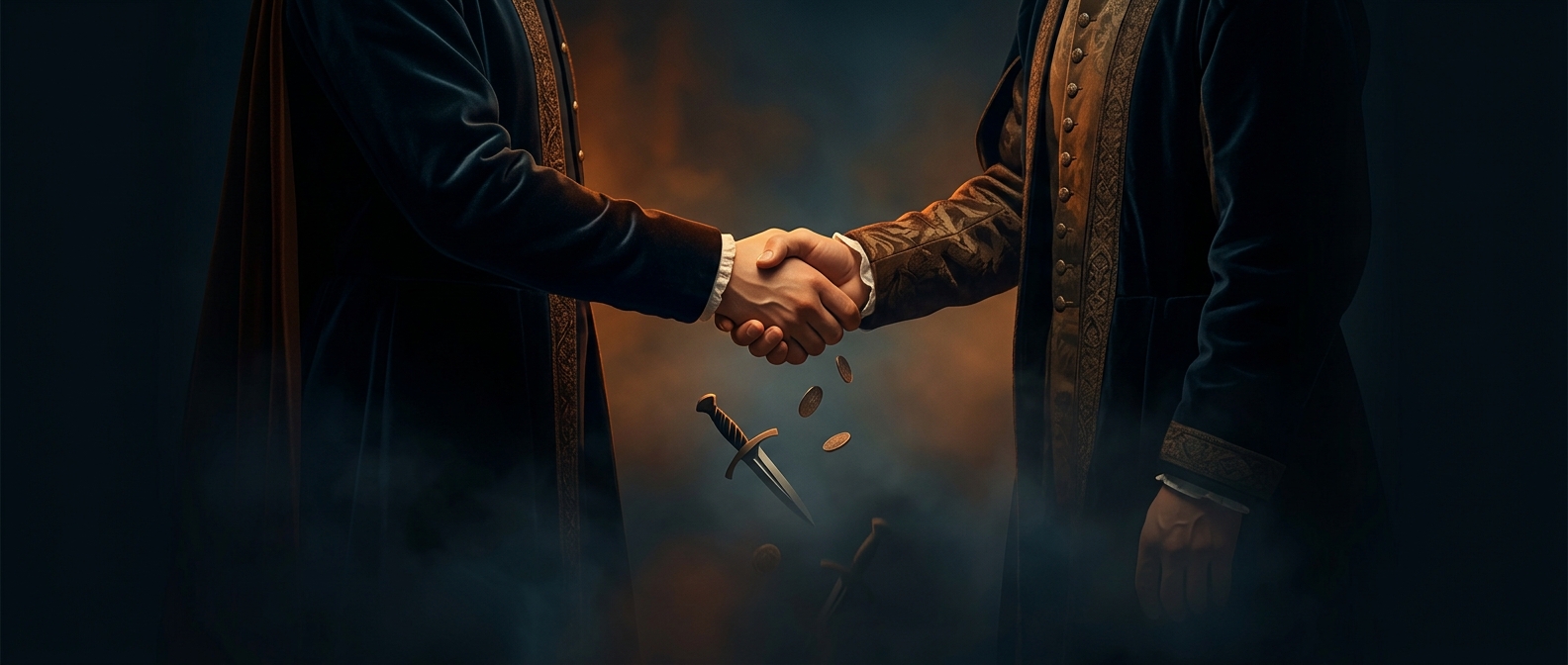
Ancient rulers already used handshakes as diplomacy
A ninth-century BCE relief shows the Assyrian king Shalmaneser III clasping hands with the Babylonian king Marduk-zakir-shumi I. The gesture displays an…
Discover more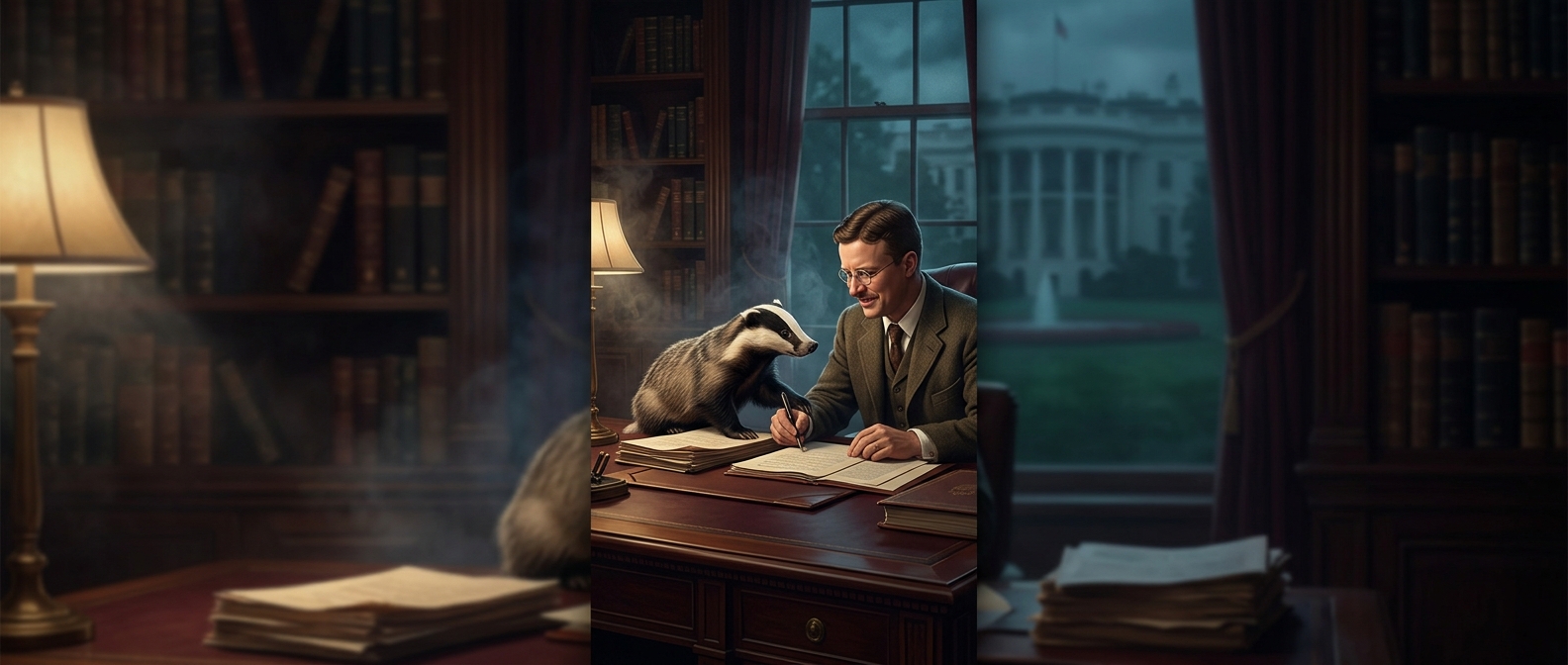
Theodore Roosevelt brought a badger home from a train trip
Josiah was given to Roosevelt during his 1903 western tour and became part of the family's unusual animal collection. Photographs show son Archie holding him.…
Discover more
Abigail Adams expected visitors to love her dog too
Writing about Juno, Abigail told her granddaughter that loving her meant loving her dog. She described an aging companion who still wagged her tail and…
Discover more
George Washington gave his dogs bizarre names
Among George Washington’s hunting hounds were Drunkard, Tipler, and Sweet Lips—names that sound more like a tavern’s regulars than an elite pack.
Discover more