A Wedding Dress Was Often Just the Best Dress
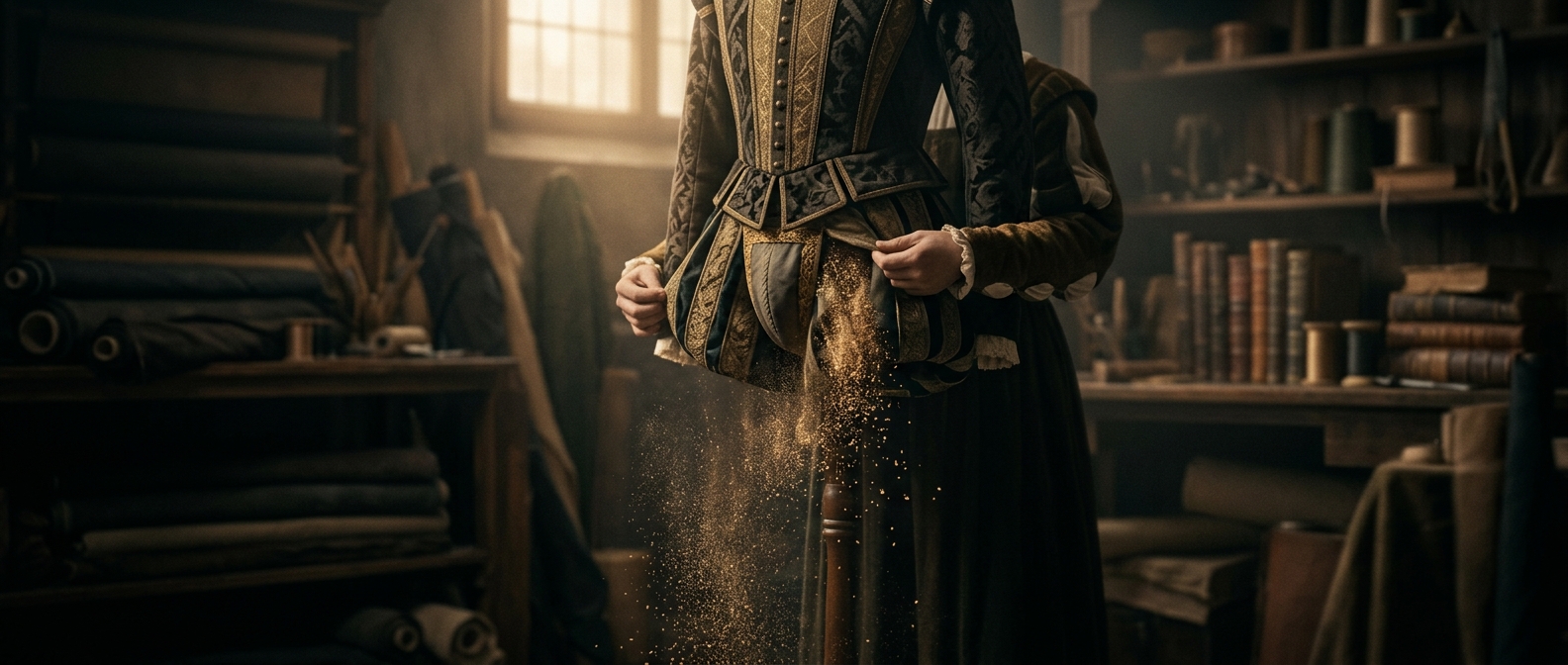
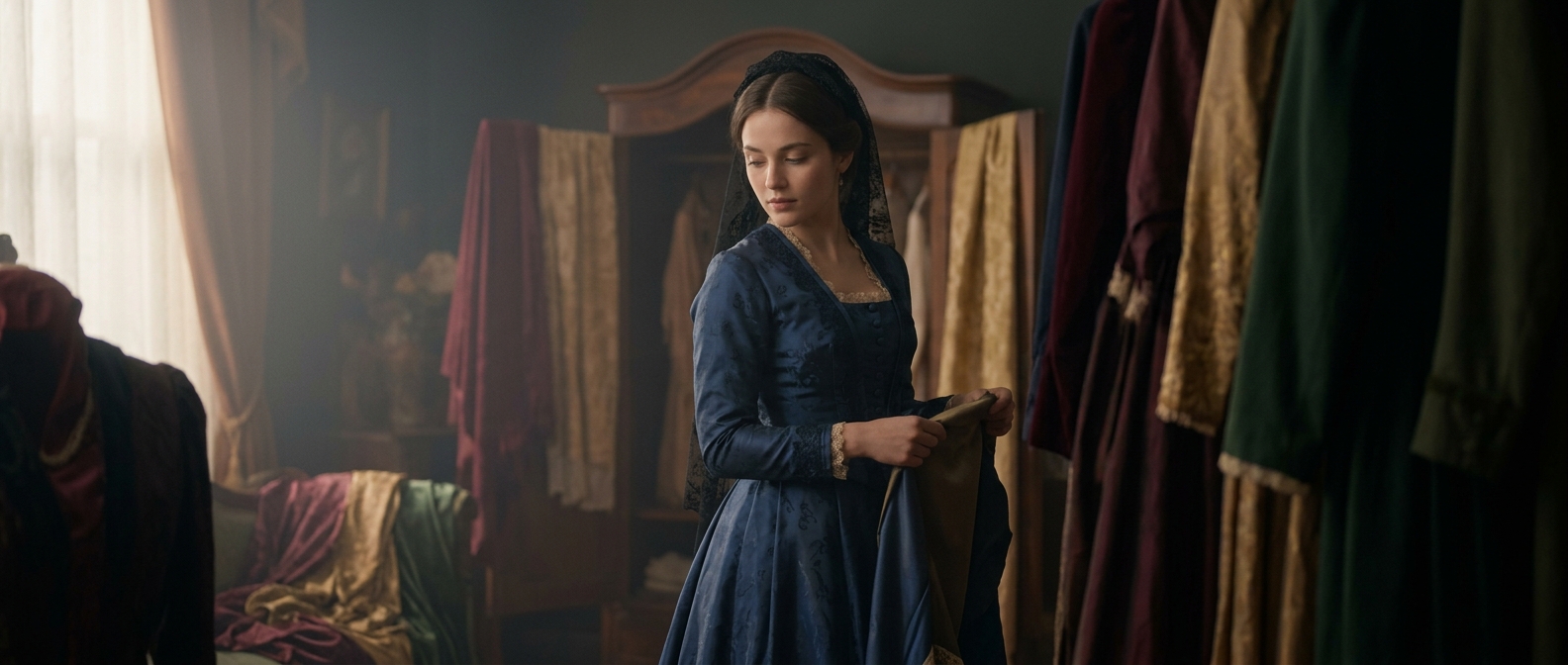
For much of history, a bride’s outfit was chosen from the clothes she could afford, not from a separate category of “bridal wear.” Her best dress might be dark, patterned, or made from sturdy fabric. It could be uncomfortable, too: looking respectable and wearing a garment that would last mattered more than matching a modern idea of bridal style.
A special gown was a major expense for a household. A good dress could be worn again to church, visits, or other important occasions, and then altered or passed along. White fabric, meanwhile, showed dirt readily and could be difficult to clean. Choosing a darker color was practical as well as respectable.
How White Became the Wedding Ideal
White wedding gowns existed before Queen Victoria’s marriage to Prince Albert in 1840, but her choice of white helped make the look fashionable. It did not instantly replace other colors: customs changed unevenly, and many brides continued to marry in their best existing dress.
Over time, more families could afford clothing made for a single occasion, and shops and wedding customs increasingly treated the bridal gown as its own kind of purchase. The white dress became a powerful convention, not an age-old requirement. For many brides in earlier generations, the memorable thing was not a pristine gown reserved for one day—it was wearing their finest dress, whatever its color, and expecting to wear it again.