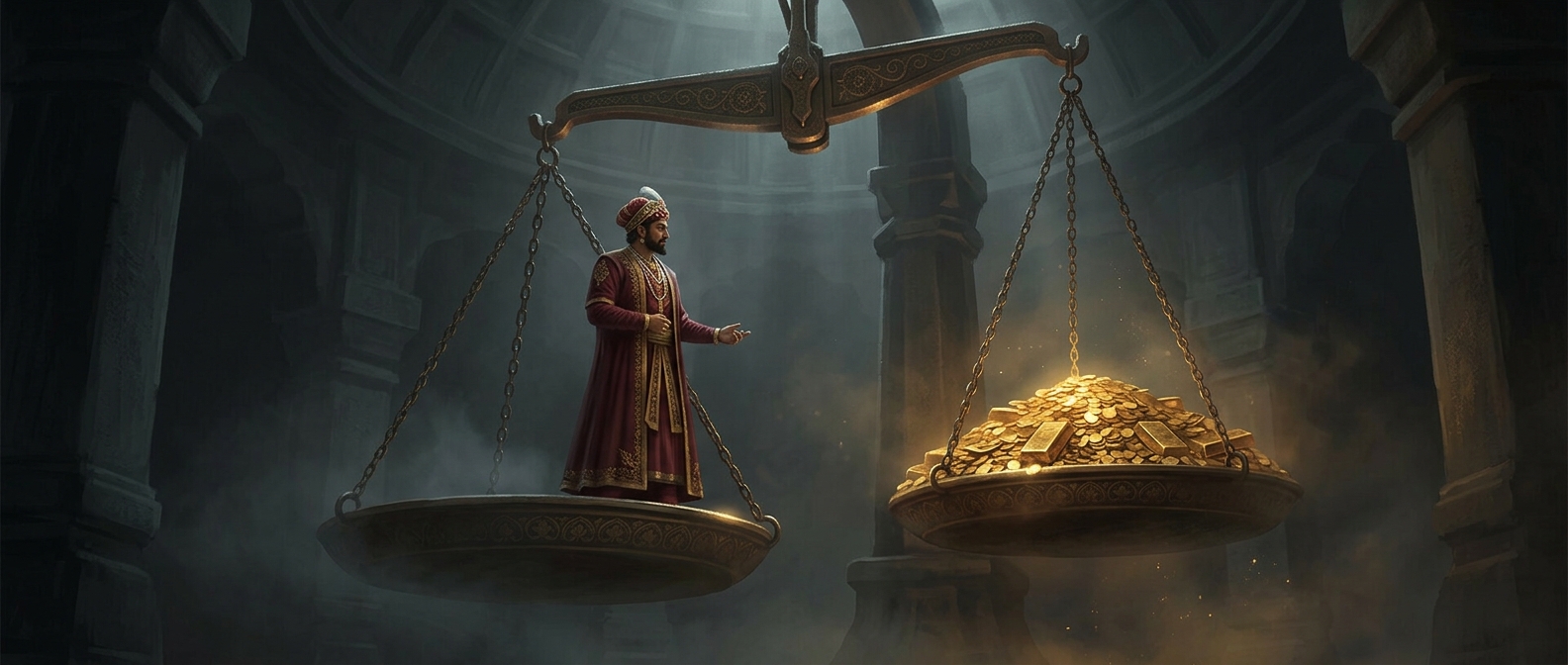
Why a joke could say what a courtier could not
A courtier depended on the king’s favor for position, income, and access. A blunt complaint could therefore sound like disloyalty—or a challenge to authority. A jester spoke from a different role: his job was to entertain, and the audience expected him to exaggerate, tease, and make a spectacle of himself. That comic framing could soften criticism enough for it to be heard.
The joke did not make criticism harmless. It gave the king room to treat a pointed remark as play, rather than forcing an immediate confrontation. A ruler could laugh, ignore the barb, or recognize the problem beneath it without publicly conceding that a courtier had corrected him.
Permission, not immunity
A jester’s freedom depended on the particular ruler and court. The role created some latitude, but it was not a guaranteed right to speak without consequences. Timing, tone, and the king’s mood mattered; a joke that exposed a real grievance could still anger the person who held power.
That precarious position was part of the function. The jester could turn an unwelcome observation into a performance, making it easier for the court to absorb than a direct accusation. Humor offered a narrow channel for truth—not because the king had surrendered control, but because laughter could let him hear criticism without having to answer it as an insult.