Why Chanko Nabe Became a Sumo Staple
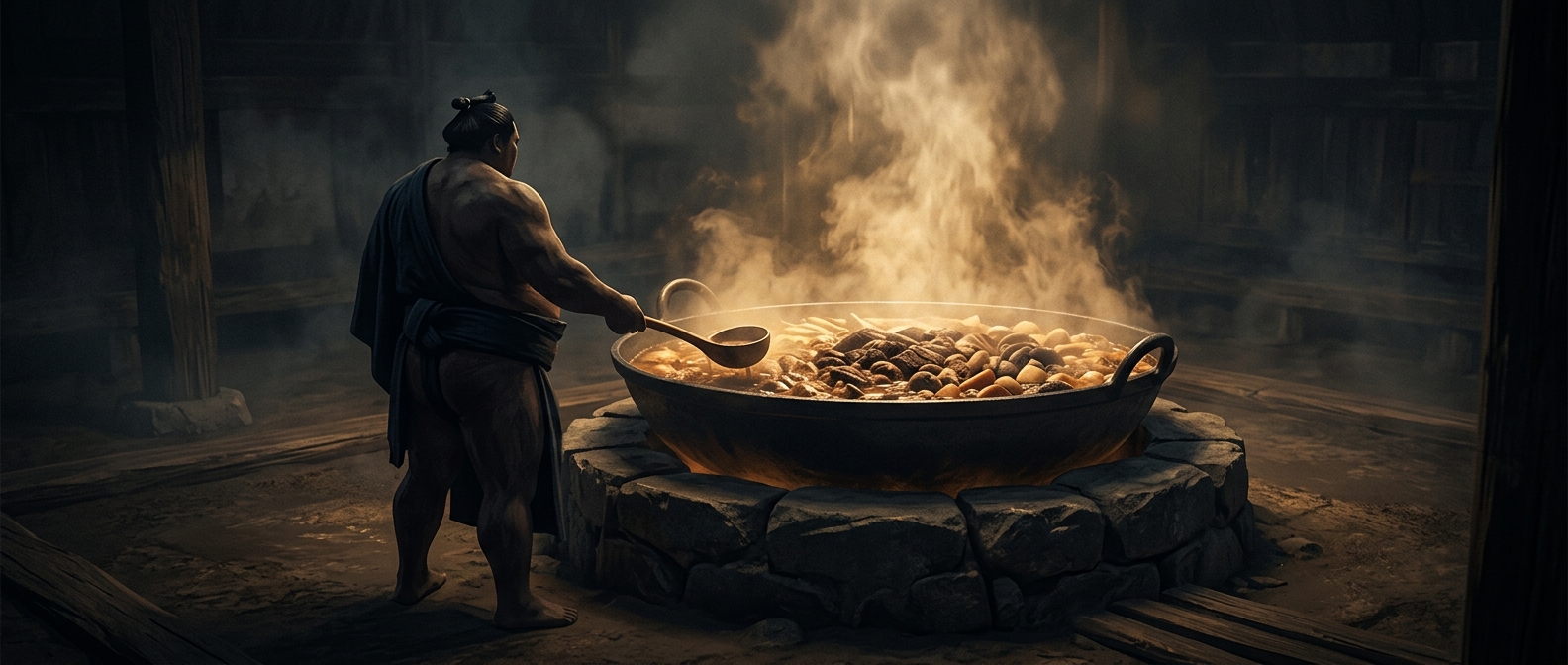
Chanko is the food of sumo wrestlers, and chanko nabe—a hot pot cooked with broth, meat, tofu, and vegetables—is its best-known form. The ingredients can vary, but the format suits life in a sumo stable: a large pot can feed many people at once, and its contents can be changed to use what is available.
The meal’s importance comes less from any special ingredient than from how it fits a wrestler’s daily routine. Building a larger body requires taking in more energy than the body uses. A hearty pot meal, served in generous portions and often accompanied by rice, makes that easier than relying on small, separate meals. Meat and tofu provide protein, while the other ingredients add variety and make the meal substantial.
The Meal Is Only One Part of the Routine
Eating a lot does not automatically create a sumo physique. Wrestlers also train intensely, and their size reflects the combination of food, exercise, and individual bodies. Rest after a large meal may extend the period of recovery, but the stew itself is not a shortcut to strength or weight gain.
Chanko nabe also has a practical social role: wrestlers eat together, sharing food prepared for the stable. Its flexibility matters as much as its reputation—one pot can be adapted to different ingredients while still serving a crowded table. That combination of abundance, convenience, and communal eating helps explain why the dish became so closely associated with sumo.