A home run turned a raised hand into a team ritual
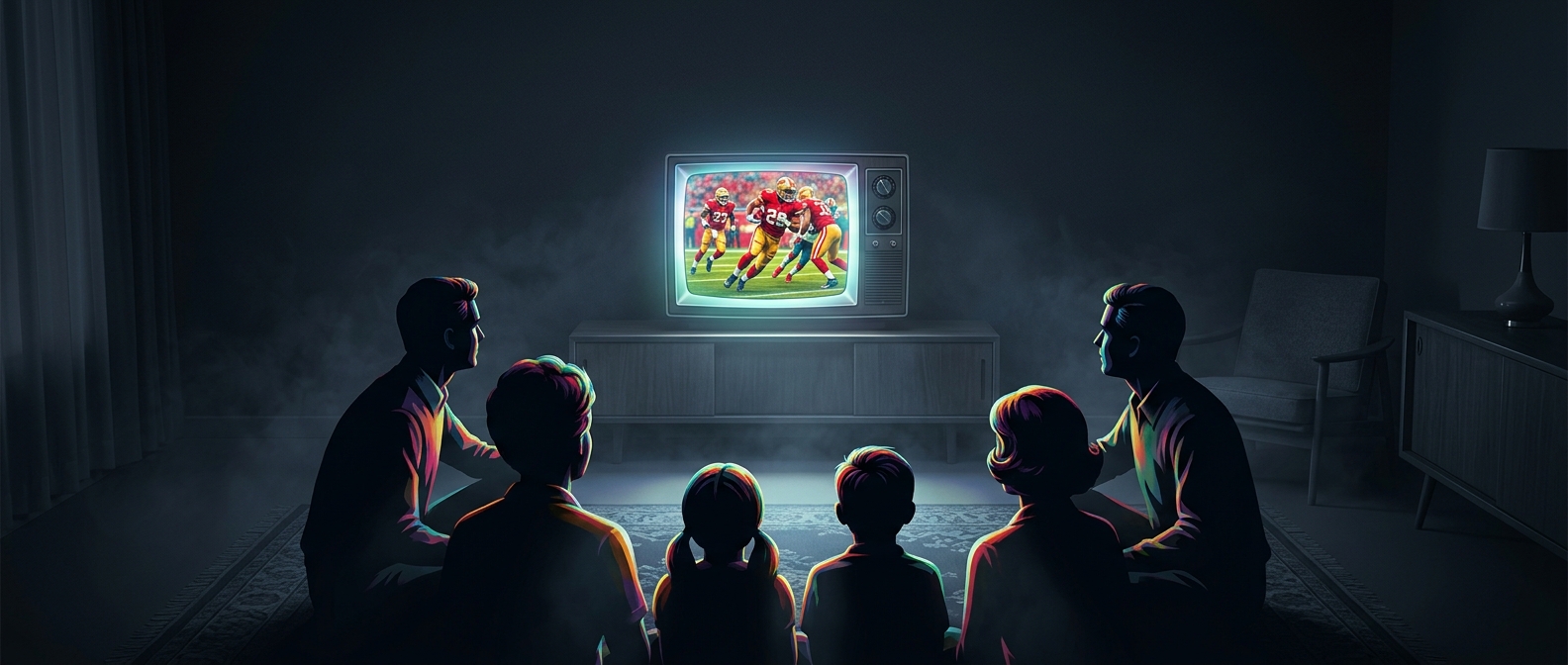
On October 2, 1977, Los Angeles Dodgers outfielder Dusty Baker hit his 30th home run of the season. At home plate, teammate Glenn Burke raised a hand, and Baker slapped it. The gesture was simple, but it was not yet a familiar way to celebrate: the two players’ slightly awkward exchange is part of why the moment is remembered.
The story is often told as the high five’s breakthrough, rather than proof that no one had ever touched raised hands before. Burke’s gesture gave Baker a clear cue—hand up, hand met—and made a celebration that could be seen across a ballpark.
Why the gesture traveled
A handshake takes time and a hug requires closeness. A high five needs only a raised palm and a quick slap, so it works in motion, amid teammates, noise, and excitement. In a dugout, one player could offer the gesture and another could answer without stopping to explain it.
That ease helped the exchange move beyond the two Dodgers. As the gesture spread through sports and everyday life, it became a compact signal of shared success: not just “I did it,” but “we’re celebrating this together.” The home-run moment mattered because it made that idea visible—and easy to copy.