A carved surface could carry several kinds of meaning
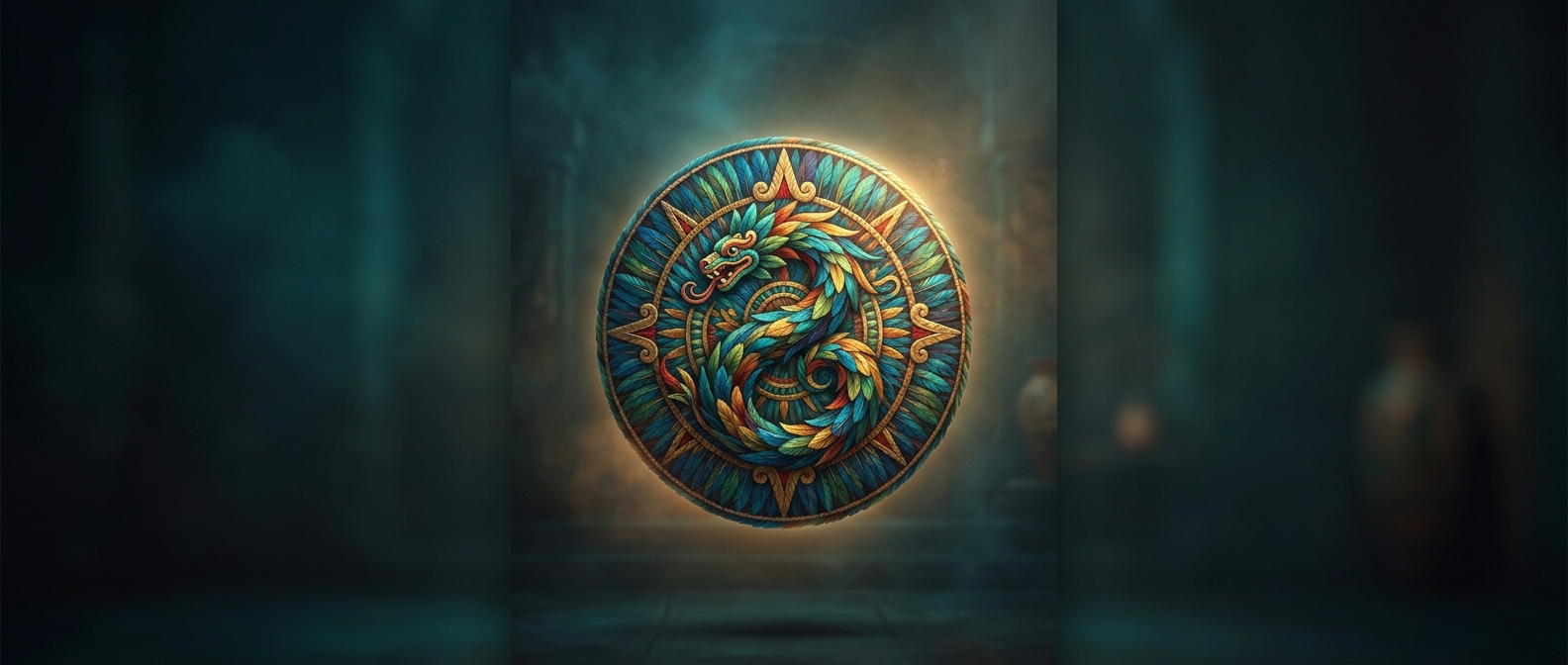
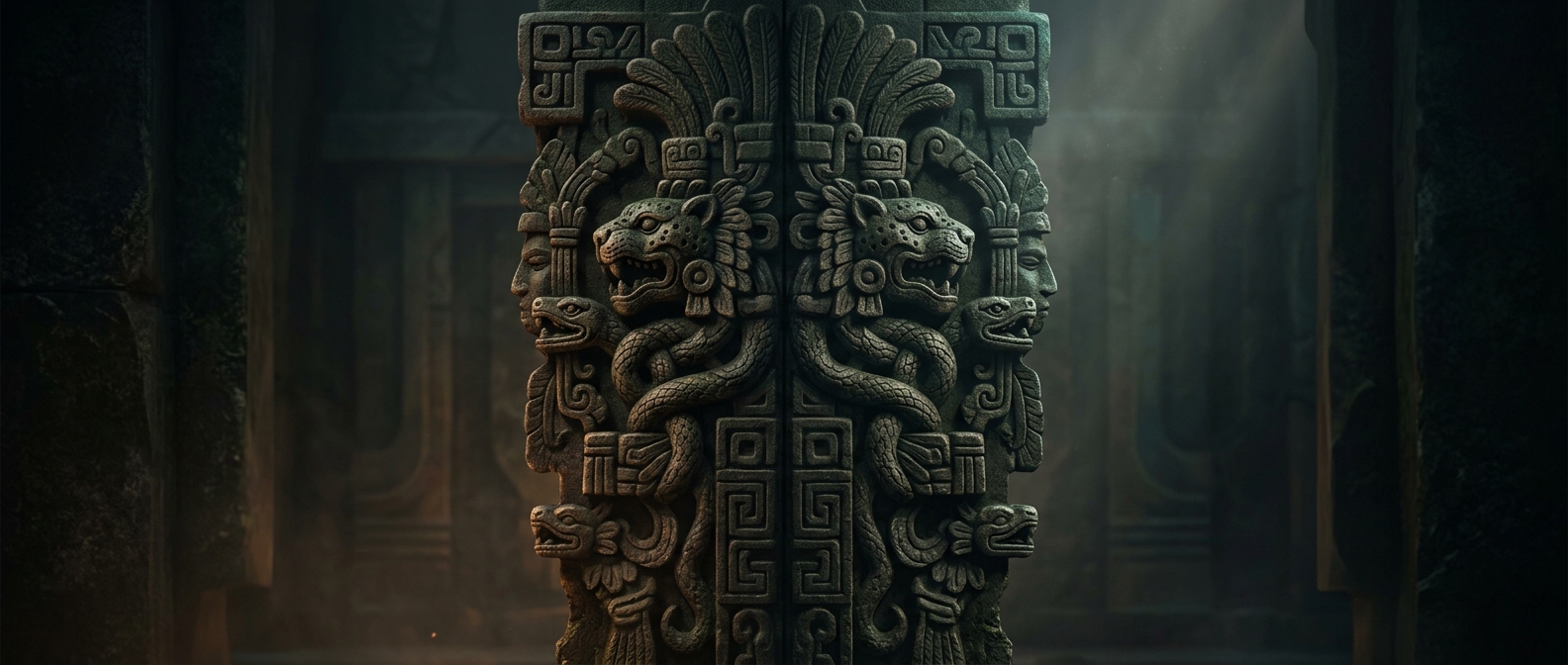
Aztec stone carving often treats the whole face of an object as a designed field, rather than setting one image inside a large, empty border. Figures, signs, and repeating patterns can sit close together because they do different jobs: a figure identifies a being or person, while surrounding motifs can add associations or organize the image. What looks like a mass of detail is often a system of parts.
A familiar example is the Sun Stone, whose central face is encircled by bands of carved signs and patterns. The rings create order across a crowded surface: the eye can move from the center outward, taking in the image in stages. Blank stone is not needed to separate every element when borders, repeated shapes, and changes in direction do that work.
Density was a design choice, not a lack of skill
Stone is a fixed, precious surface: once material is removed, it cannot simply be put back. Carvers therefore had to plan how forms would fit and remain distinct. Close packing could make the composition feel continuous while still using outlines and repeated motifs to keep its pieces recognizable. It also allowed one object to present multiple signs and figures together, rather than reducing its message to a single image.
The result is not that every Aztec carving follows one rule—objects and subjects vary—but that empty space was only one way to make an image readable. In many works, meaning comes from how the carved elements connect, so the stone between them becomes part of a tightly organized whole.