A knot can mark whether an occasion should happen again
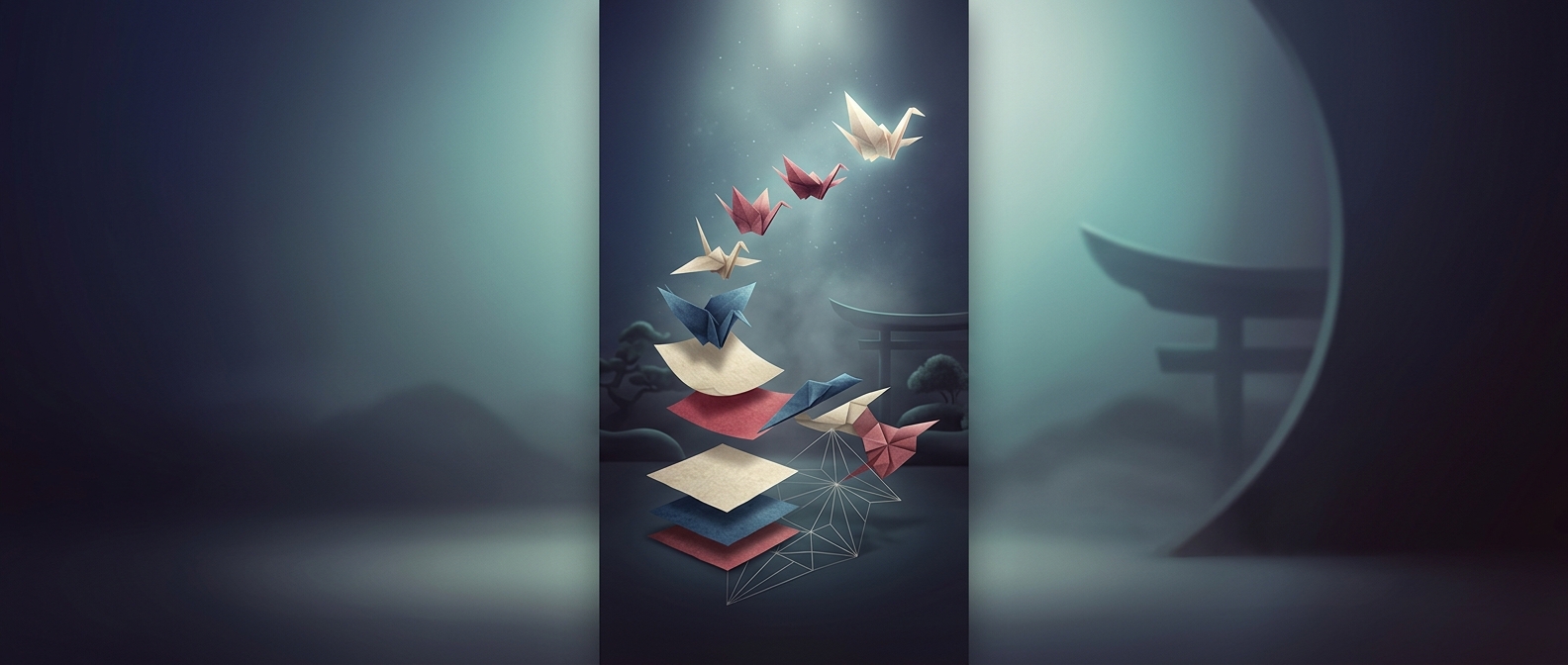
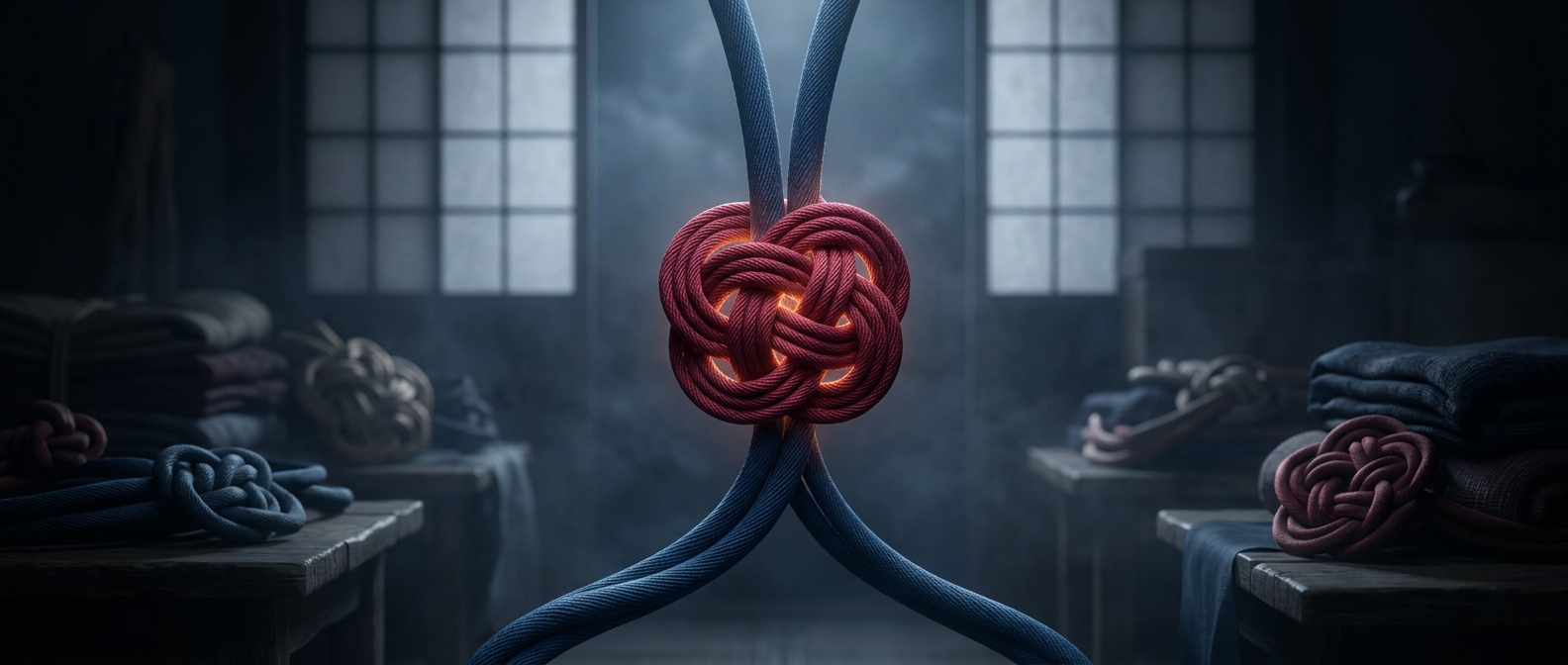
Mizuhiki are decorative cords made from twisted paper, traditionally used to finish Japanese gift wrapping. Their shape is part of the message: a knot can express a wish about the event, not just hold the package closed.
One common distinction is whether the knot can be untied and tied again. A chō-musubi, or “butterfly knot,” loosens easily, so it is used for occasions people may celebrate repeatedly, such as a birth or a housewarming. A musubi-kiri is pulled tight and difficult to undo; it is chosen for occasions meant to happen only once, such as a wedding. The knot’s permanence conveys a wish that the event will not need to be repeated.
The wrapping does part of the speaking
Mizuhiki cords are shaped and arranged in colors and patterns over the paper wrapping. A recipient can read those choices before opening the gift: the knot identifies the kind of occasion, while the finished arrangement signals care and formality. The custom turns a practical act—securing a package—into a small, visible expression of what the giver hopes for the recipient.
That is why choosing the wrong knot can feel more than decorative: a re-tieable knot on a once-in-a-lifetime occasion may suggest the opposite of the intended wish. With mizuhiki, the gift’s message begins before the contents are revealed.