History
Discover facts about history. Small discoveries that change the way you see familiar things.
History
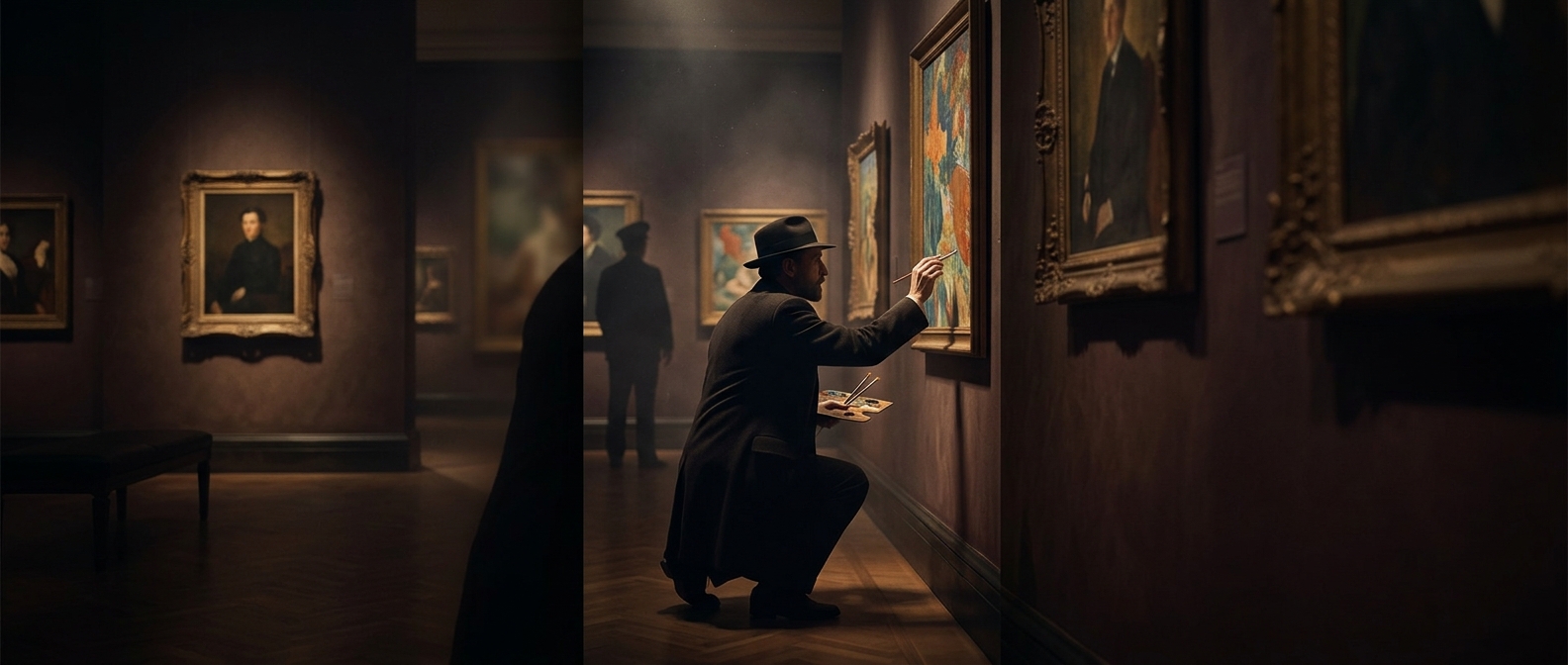
Bonnard was famous for paintings he could not leave finished
Accounts of the painter describe him retouching works even after they had left his studio, including an anecdote about altering a painting in a museum. For…
Discover more
Brancusi's journey to Paris became part of his artistic legend
In 1904, the Romanian sculptor headed west through Europe, traveling much of the route on foot. The journey became a powerful origin story for an artist who…
Discover more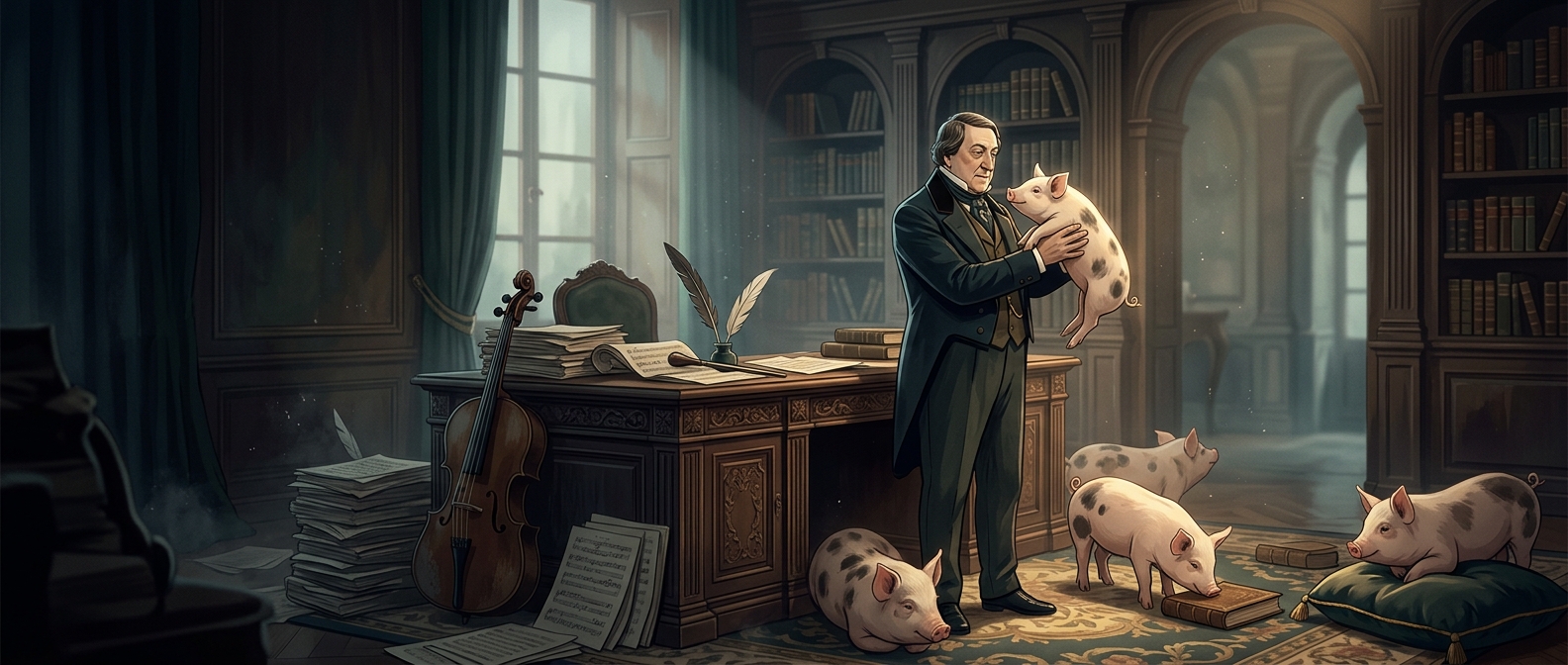
Rossini finished his last opera at thirty-seven
After producing 39 operas in nineteen years, he stopped writing them following William Tell in 1829. He lived for nearly four more decades and continued…
Discover more
A model of the Mediterranean's refill puts most of the flood within two years
Researchers studying an eroded channel near Gibraltar proposed that Atlantic water rapidly refilled the depleted basin about 5.33 million years ago. Their…
Discover more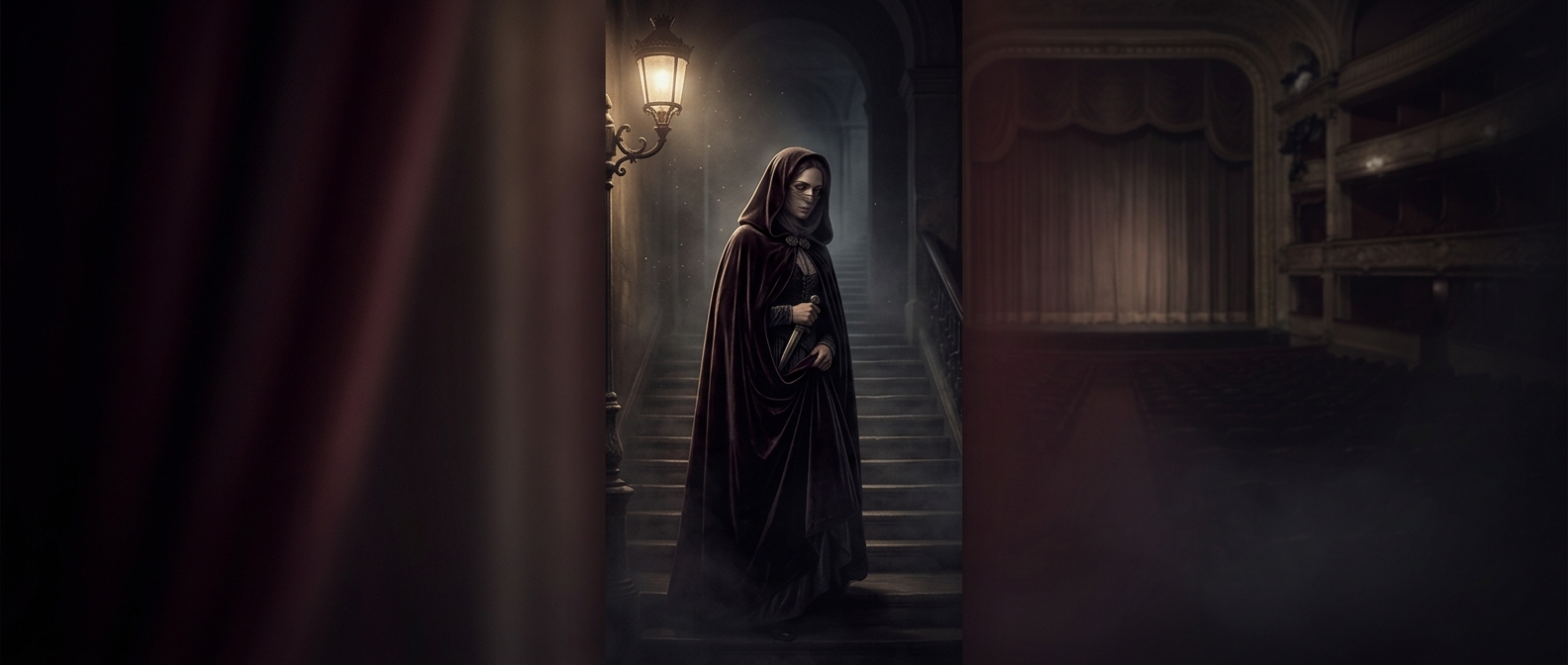
Berlioz abandoned a murder plot and wrote an overture
In his memoirs, the composer describes setting out to kill his former fiancée and others, complete with pistols, poison, and a servant's disguise. He gave up…
Discover more
Boxing gloves were introduced to protect hands
The padding protected fighters’ hands, but it also let them punch harder without breaking their fingers on an opponent’s skull. Protection for the puncher…
Discover more STACKY FOR IPHONE
A bigger world.
One discovery
at a time.
Keep discovering with Stacky. Interesting facts in an app that is always within reach.
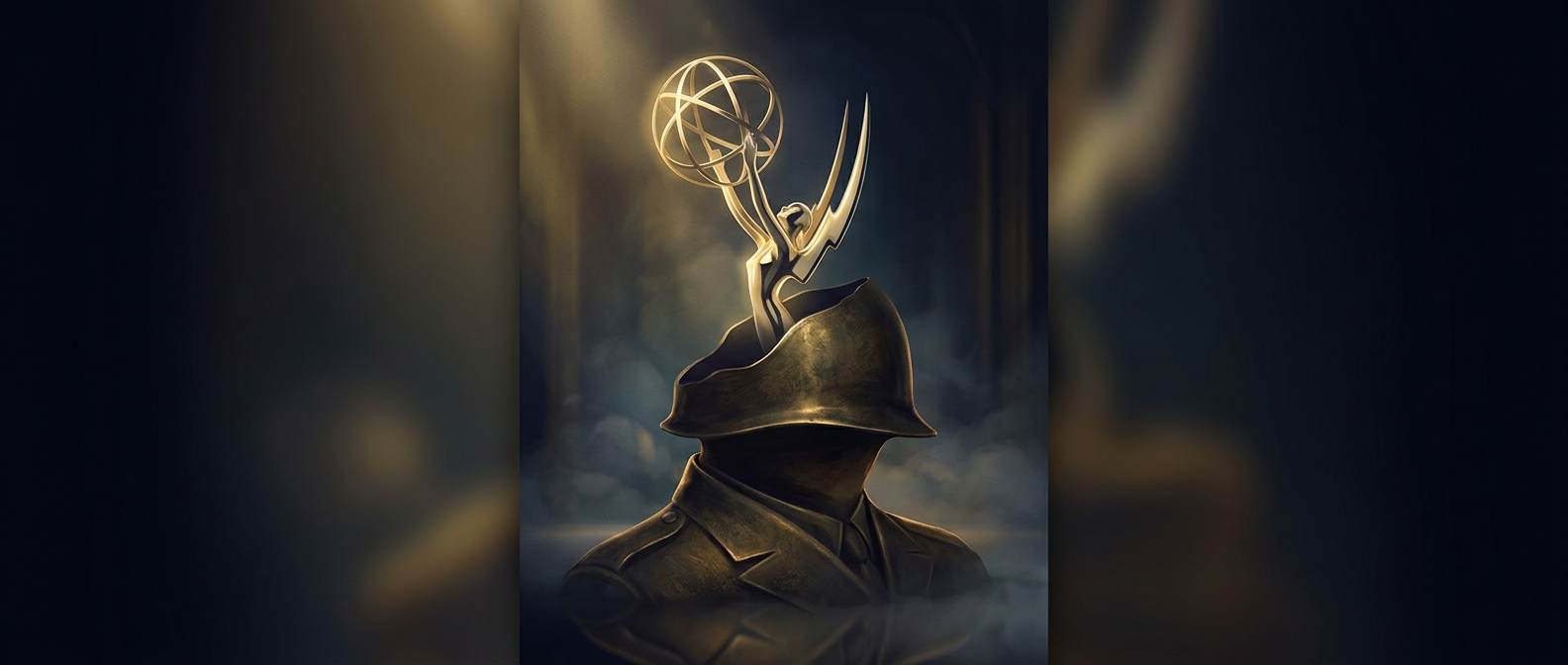
The Emmys were almost called the Ikes
The award’s name started with “Ike,” after the iconoscope tube in early cameras. It shifted to “Immy,” then “Emmy”—a technical origin with a much better name…
Discover more
Ugg boots started as surfers' beach shoes
After cold-water sessions, surfers pulled on sheepskin boots to warm their feet. Practical beach gear eventually became a winter fashion staple—an unlikely…
Discover more
Why I Love Lucy changed sitcoms forever
Ball wanted to stay in Los Angeles with her husband, Desi Arnaz, rather than move the production to New York. Three cameras let them film before a live…
Discover more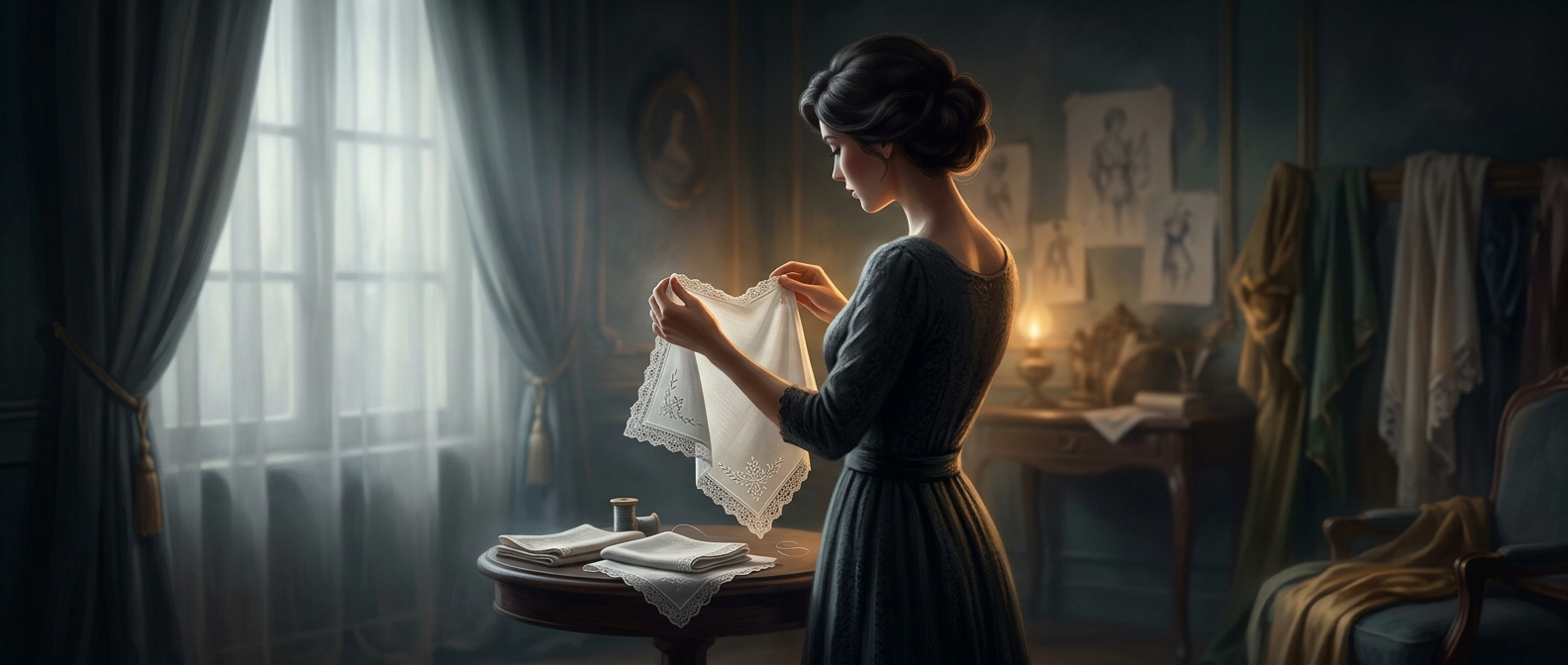
Two handkerchiefs helped inspire a patented alternative to the corset
Mary Phelps Jacob wanted support that would not show beneath her evening dress, so she improvised with handkerchiefs and ribbon. Her brassiere patent followed…
Discover more
The shirt-button divide has outlasted its uncertain origin
Men's and women's shirts often fasten on opposite sides. One common explanation links women's left-side buttons with servants dressing wealthy wearers, but…
Discover more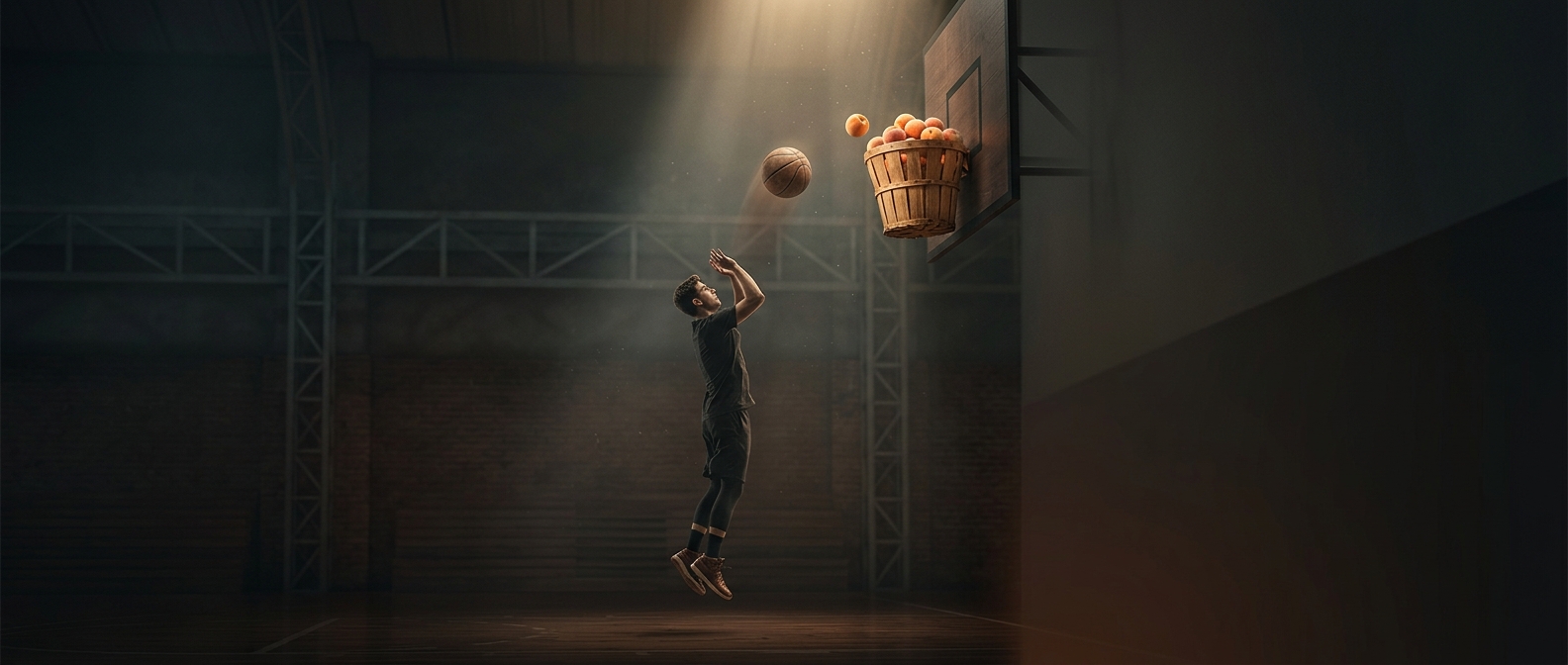
Basketball once used peach baskets with bottoms
Naismith nailed the baskets to gym balconies, and their bottoms were still attached, so someone had to climb up and retrieve the ball after every score. The…
Discover more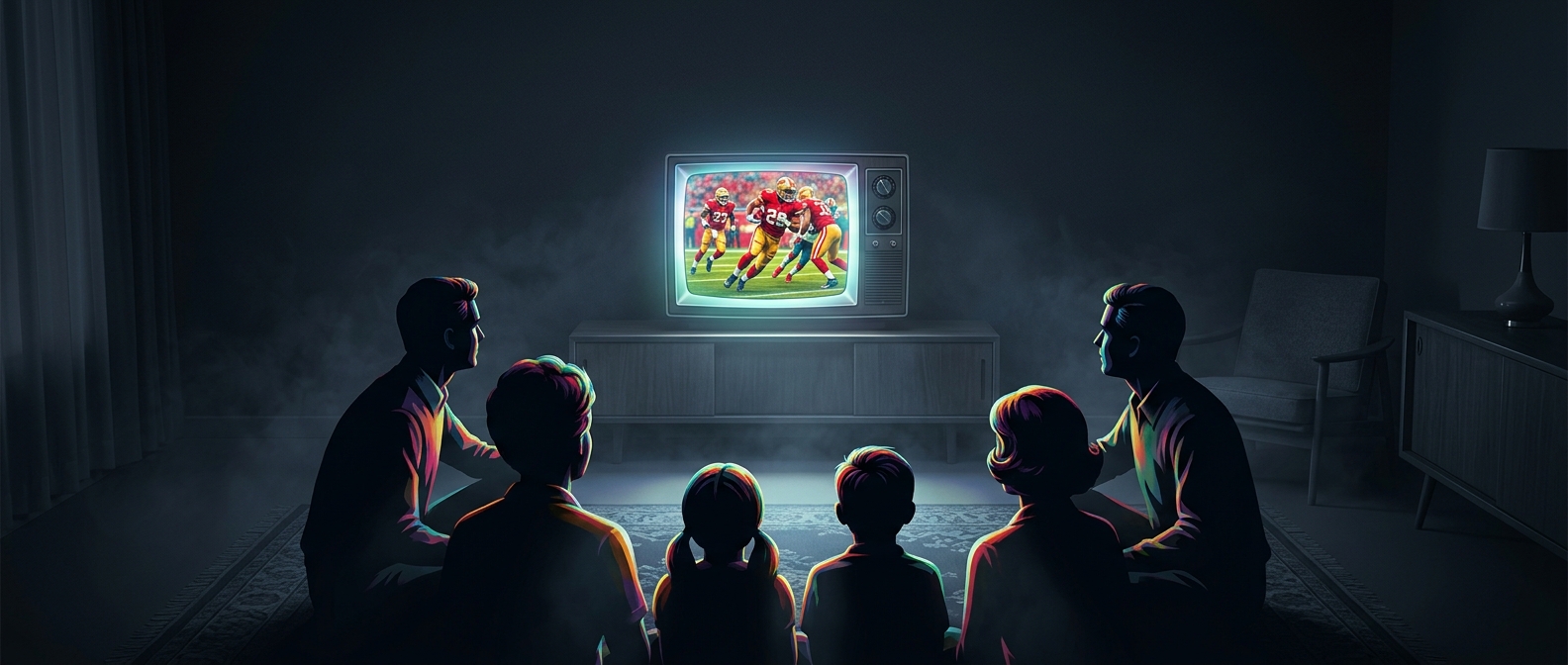
Color television had to give viewers a reason to replace a working set
NBC's Bonanza and Walt Disney's Wonderful World of Color made colorful scenery and spectacle part of the attraction. The programs could still be watched in…
Discover more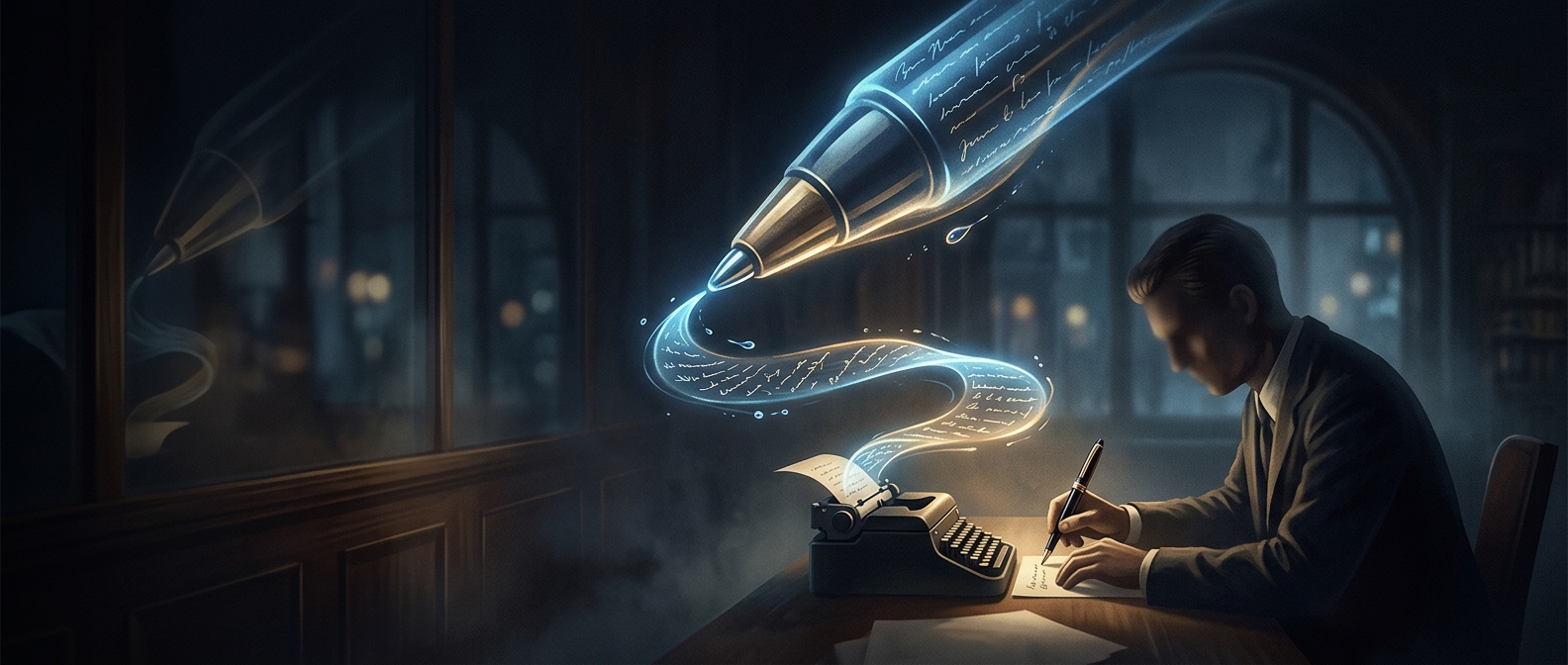
The journalist who invented the ballpoint pen
László Bíró’s fountain-pen ink smudged, while printing-press ink dried quickly. He paired that faster-drying ink with a tiny metal ball at the pen’s tip,…
Discover more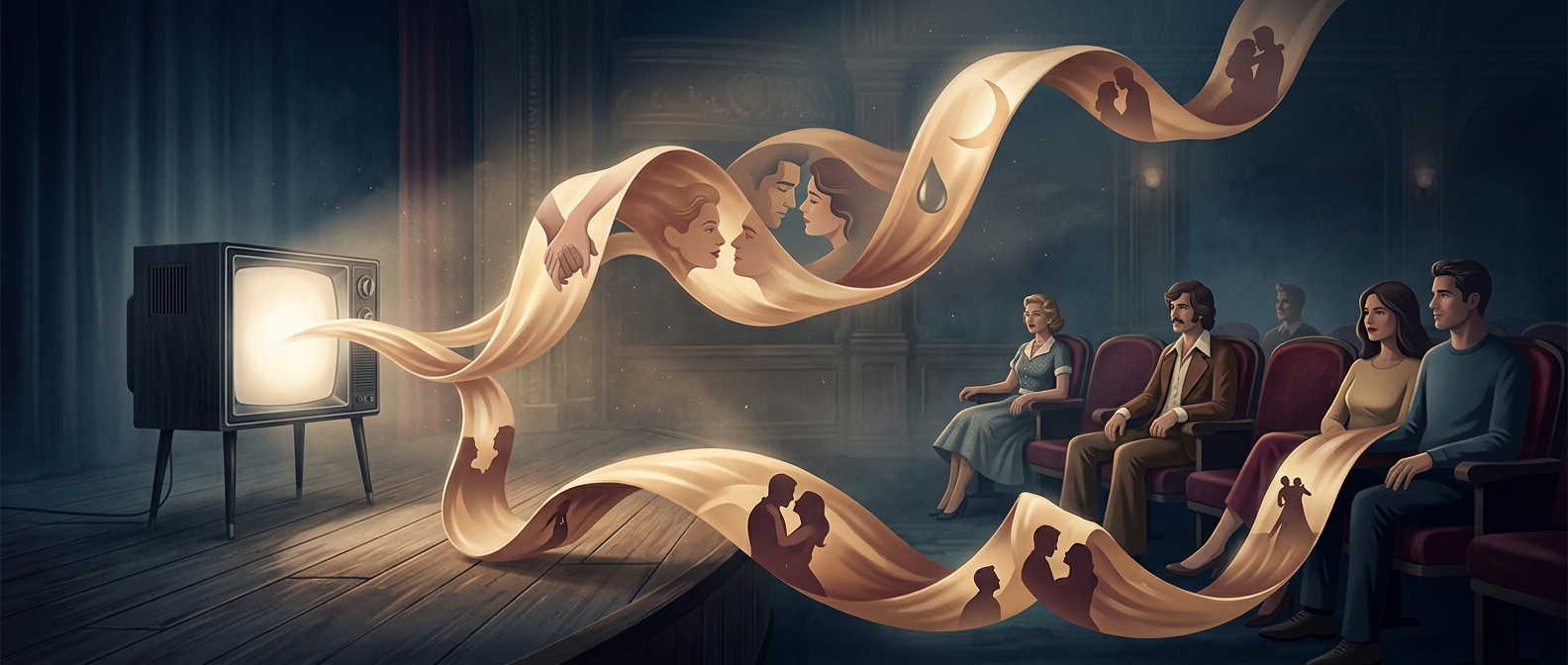
Longest running television show is a soap opera
The soap opera began on radio in 1937, then moved to television and kept going for 72 years, producing more than 15,000 episodes. Changing formats didn’t end…
Discover more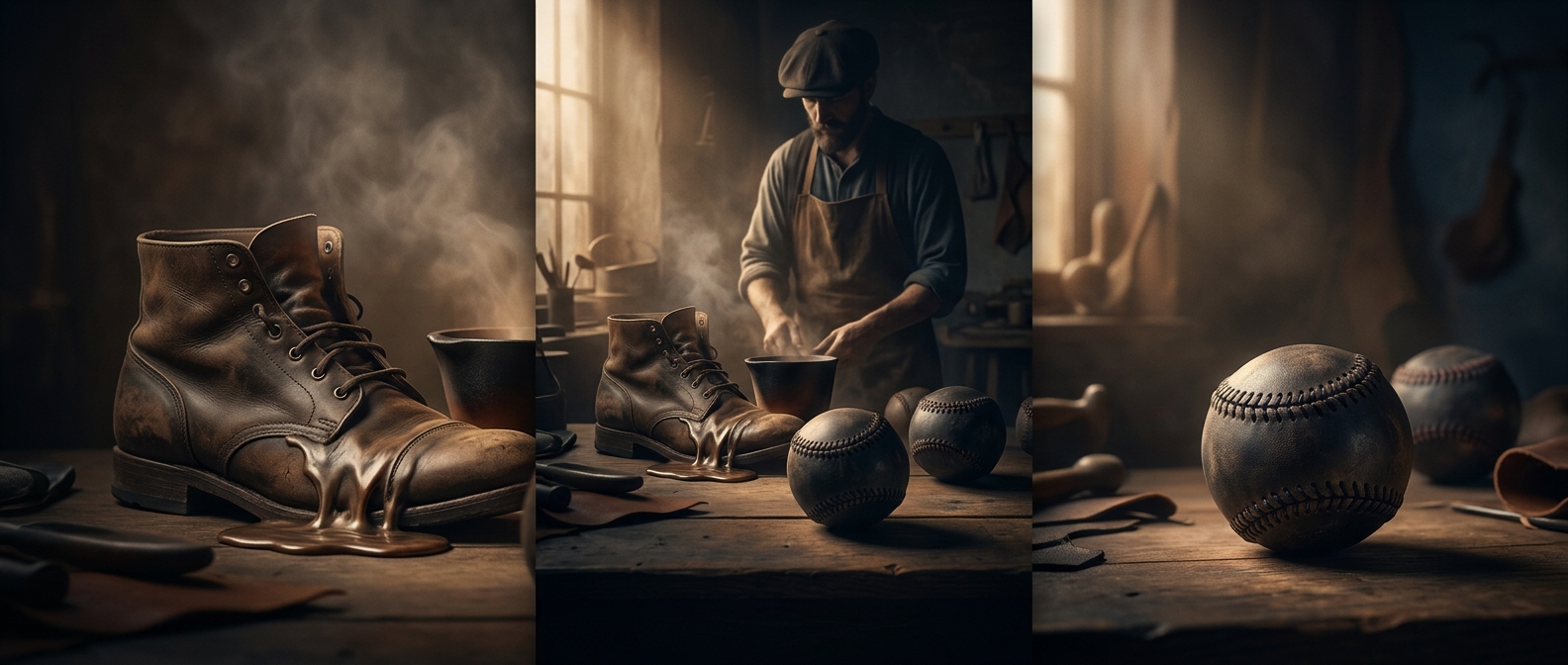
Early baseballs were made with melted galoshes
Makers melted discarded rubber galoshes into dense cores, wrapped them in yarn, and covered them with scraps. The more worn the boots, the more the ball’s…
Discover more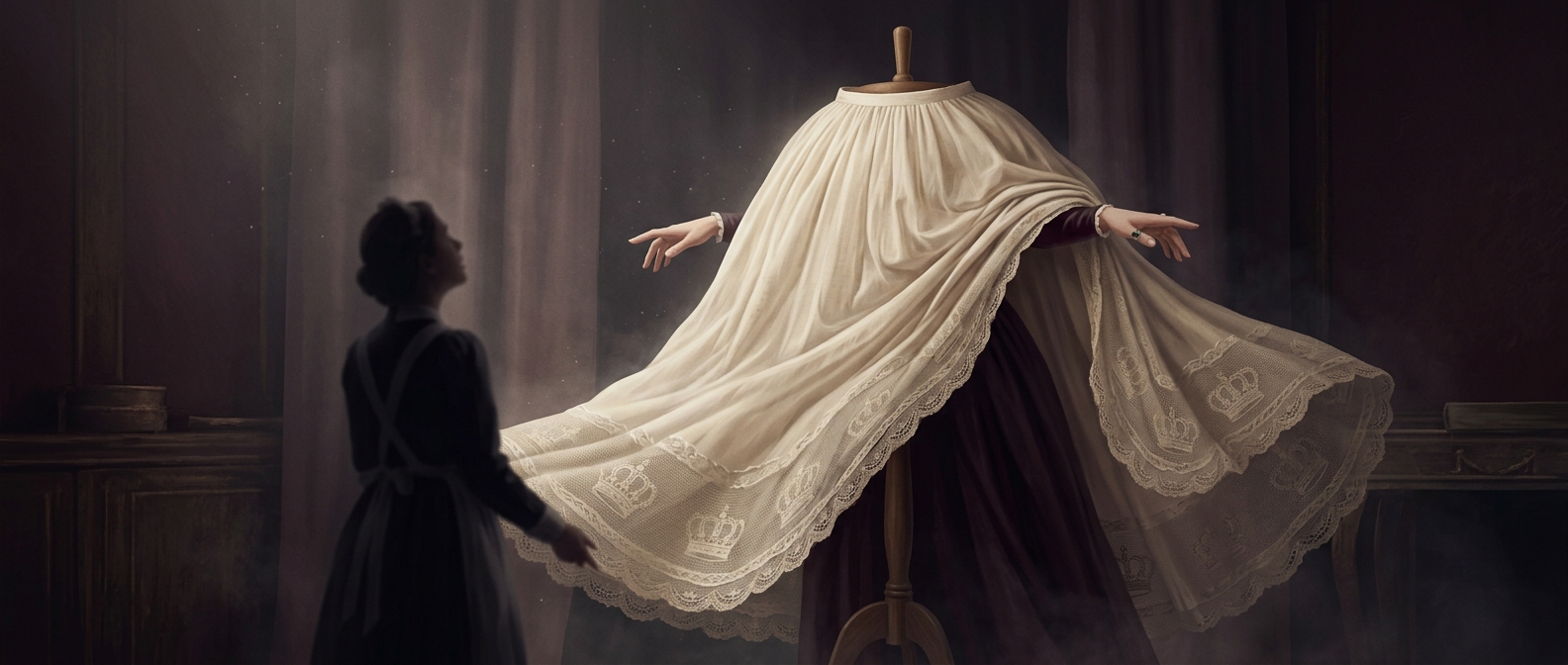
Queen Victoria gave away enormous underwear
Near the end of her reign, Queen Victoria's waist reportedly measured 50 inches, and she gave monogrammed bloomers to loyal servants as parting gifts. Royal…
Discover more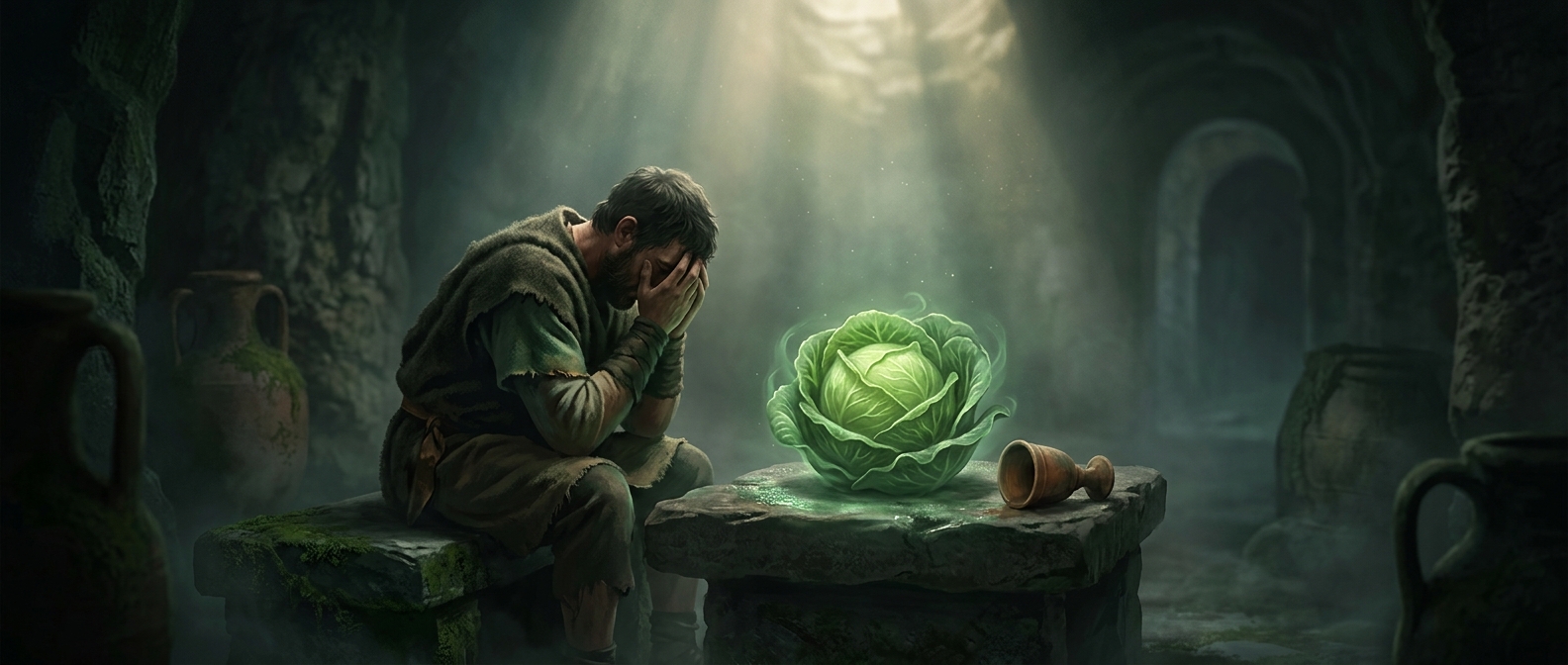
Why ancient Greeks ate cabbage after drinking
They believed cabbage was hostile to wine and could drive alcohol out of the body—a supposed hangover cure, not a proven one.
Discover more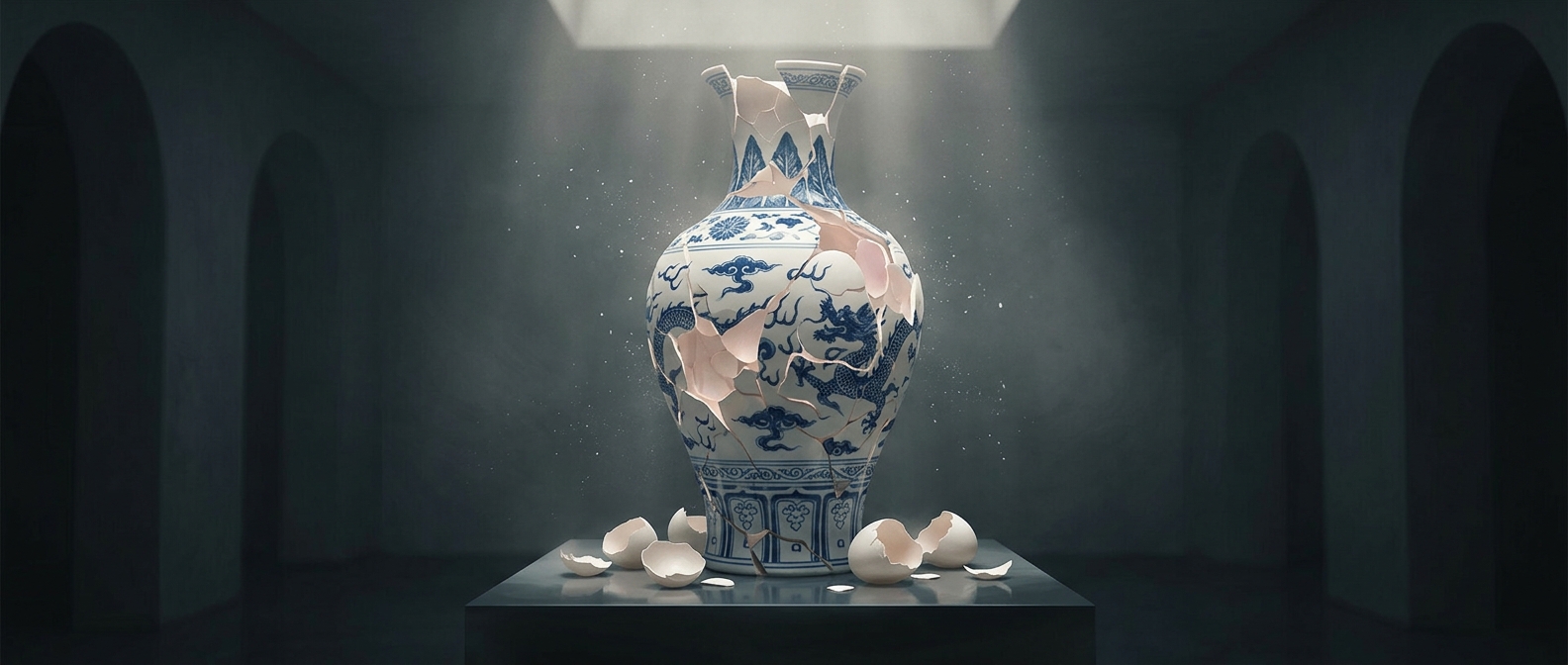
Why Europeans thought porcelain was made from eggshells
European traders could not figure out how porcelain was made, so its delicate, translucent look invited an elaborate guess: crushed eggshells buried…
Discover more
Sparta's famous soup came with a warning about the lifestyle
Plutarch describes the Spartans' black broth as a prized part of their communal meals. He also tells of a king who found it disgusting; the cook replied that…
Discover more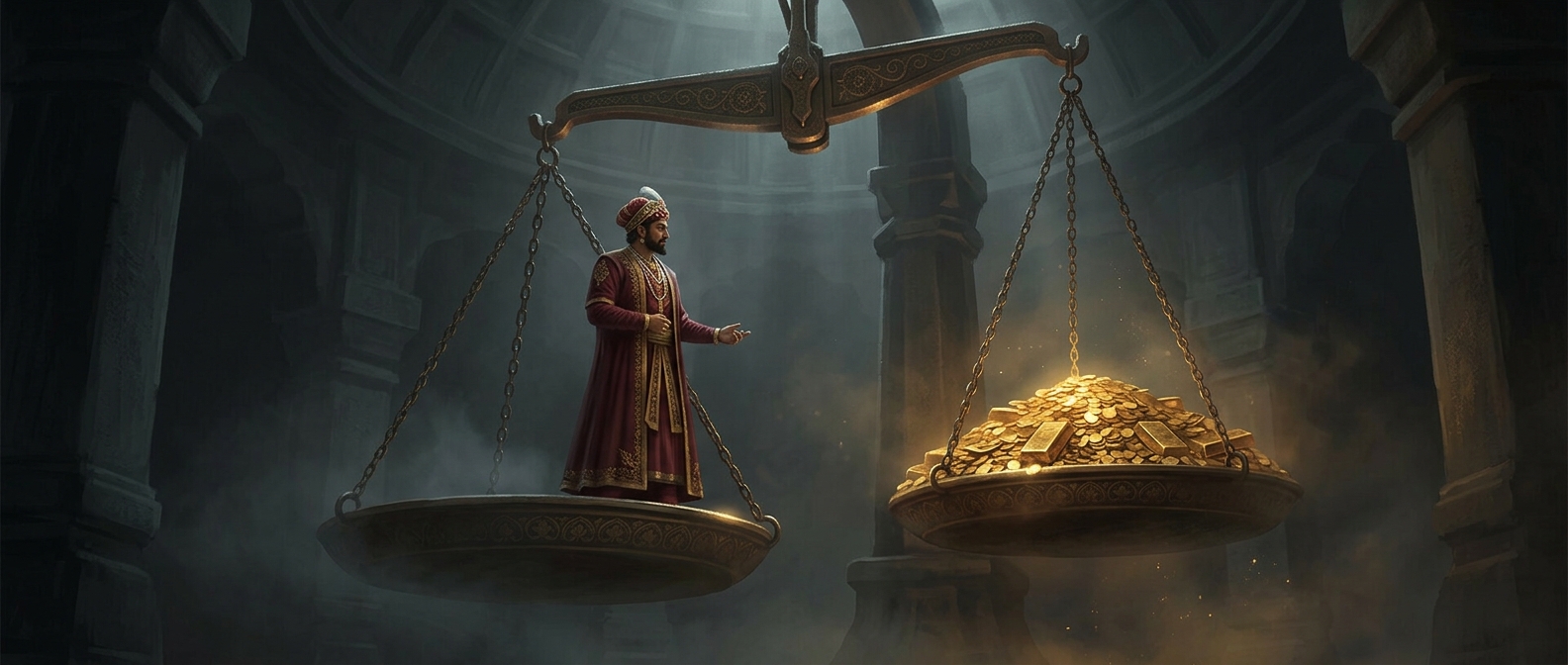
A Mughal prince's birthday put him on the scales against treasure
A painting in the British Museum records Prince Khurram being weighed against gold, silver and other metals for his fifteenth birthday in 1607. Jahangir…
Discover more
Herodotus described cinnamon guarded by giant birds
His account says birds carried cinnamon sticks to inaccessible nests. People supposedly left out heavy pieces of meat, which the birds carried up until the…
Discover more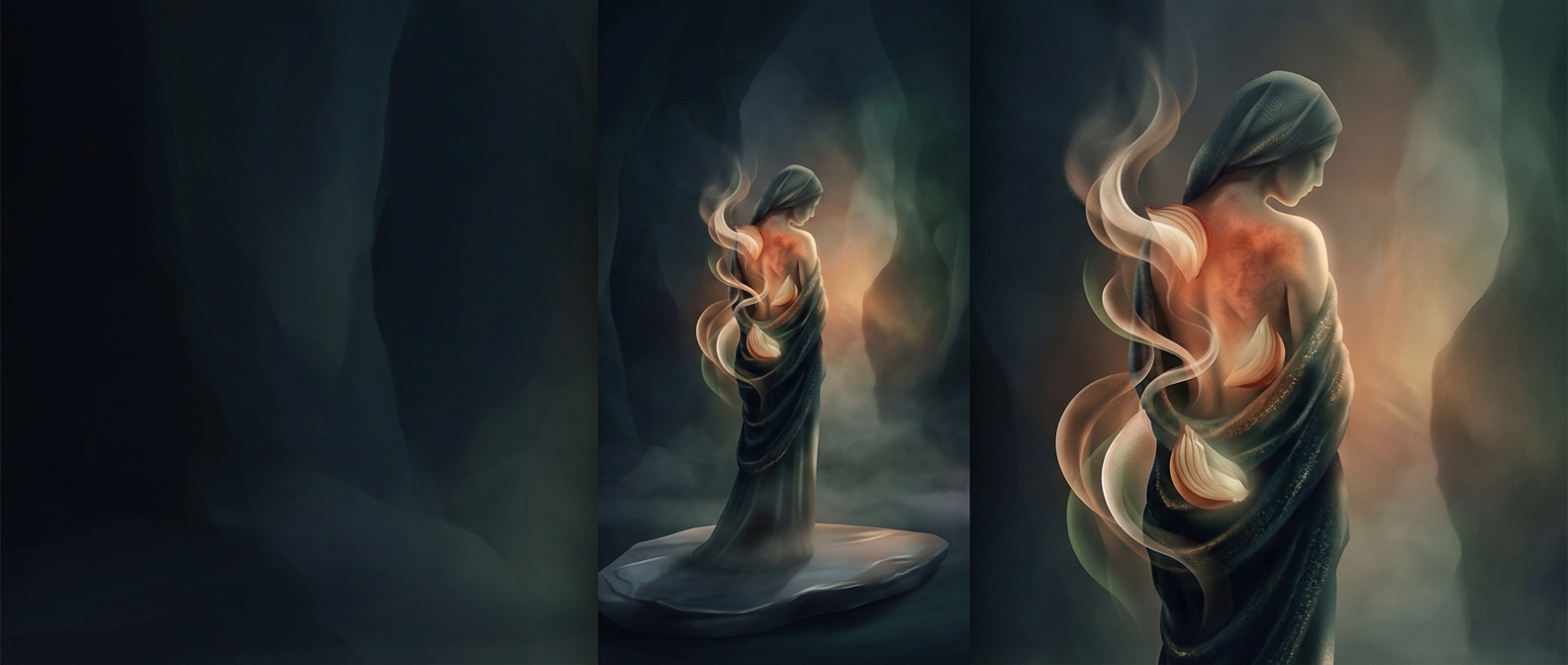
A Renaissance surgeon learned a burn remedy from a stranger
Ambroise Paré described being shown a poultice of crushed onions for burns, then trying it on patients. The revealing detail is his willingness to test advice…
Discover more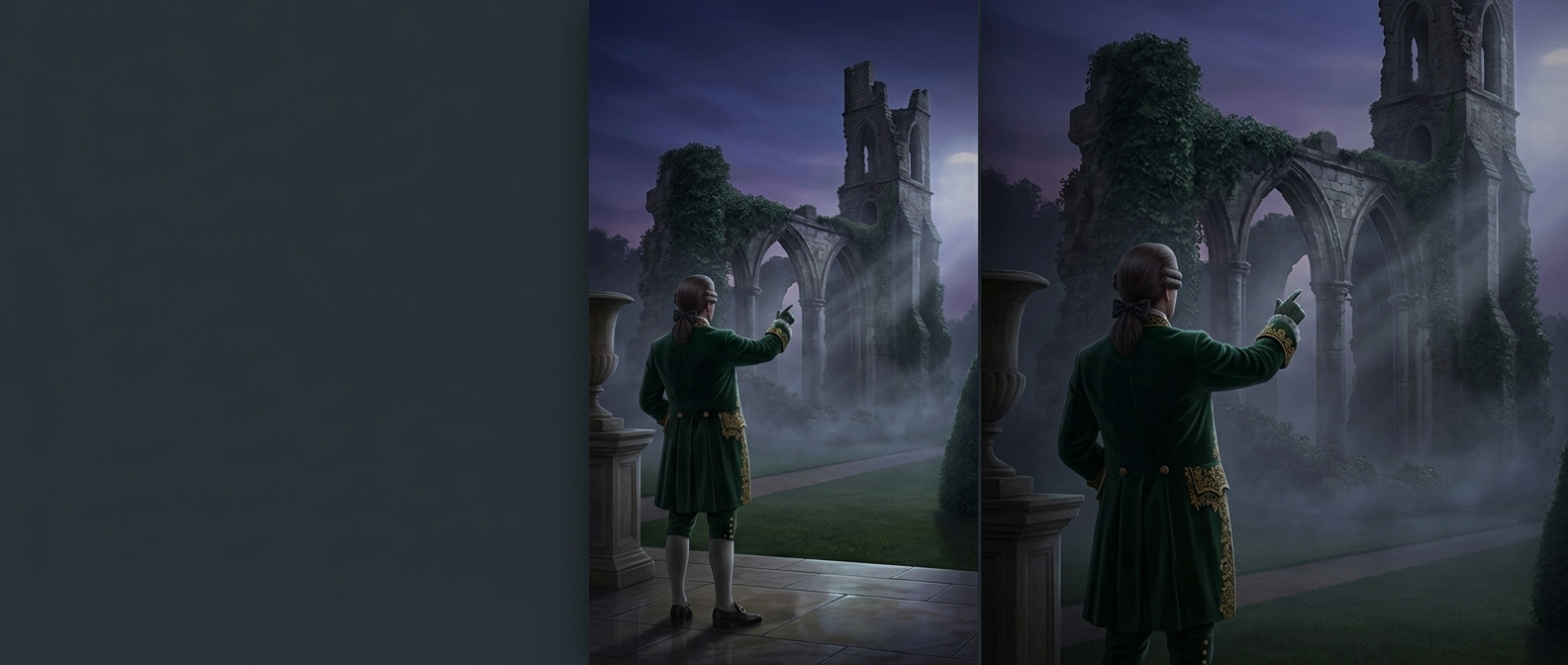
Why nobles built fake ruins in their gardens
Nobles wanted the romance of an ancient ruin without waiting for one to crumble, so they built sham castles and temples among their manicured lawns. It was…
Discover more