A journey measured in miles, not money
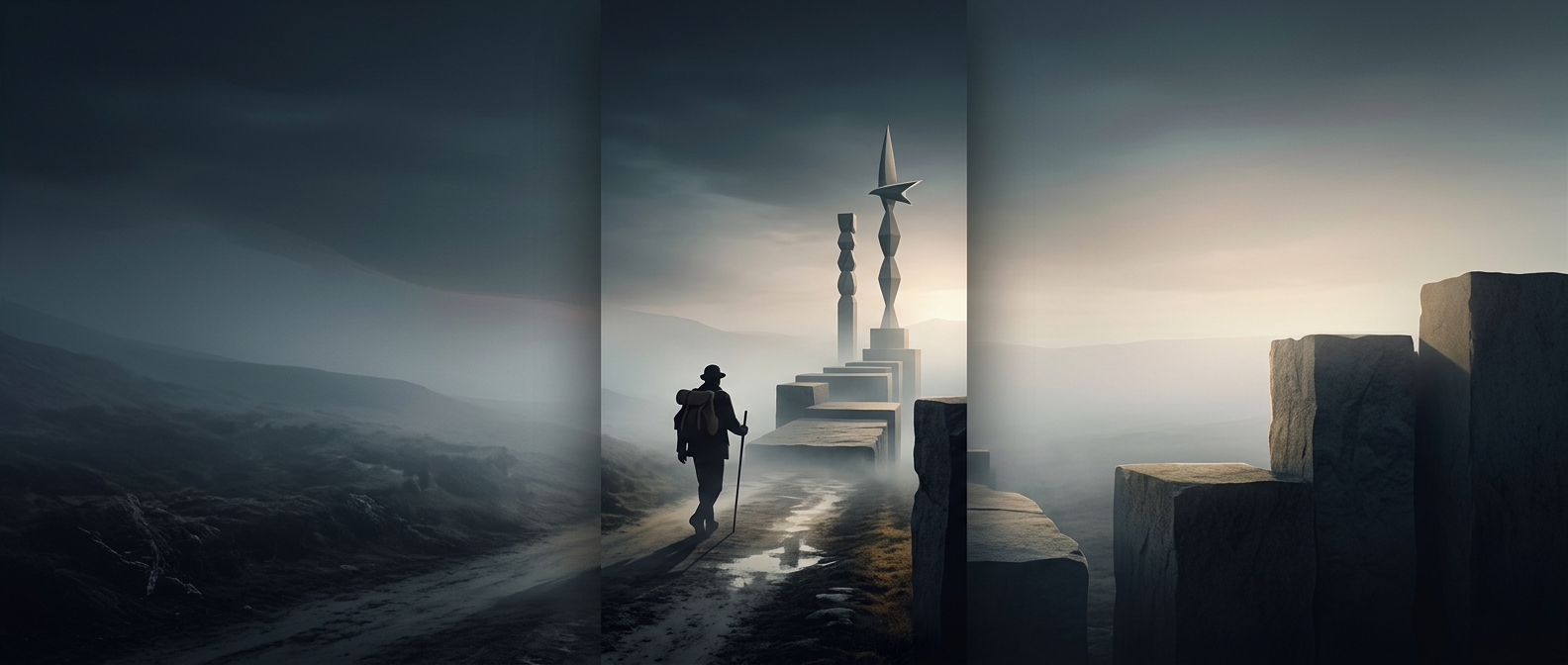
For Constantin Brancusi, the distance between his village and Paris was not just a matter of geography. Without enough money for a train ticket, he had to turn travel into a physical task: cover the distance on foot, one stretch at a time. The choice made the journey slower and harder, but it made reaching the city possible when the fare did not.
Why Paris mattered
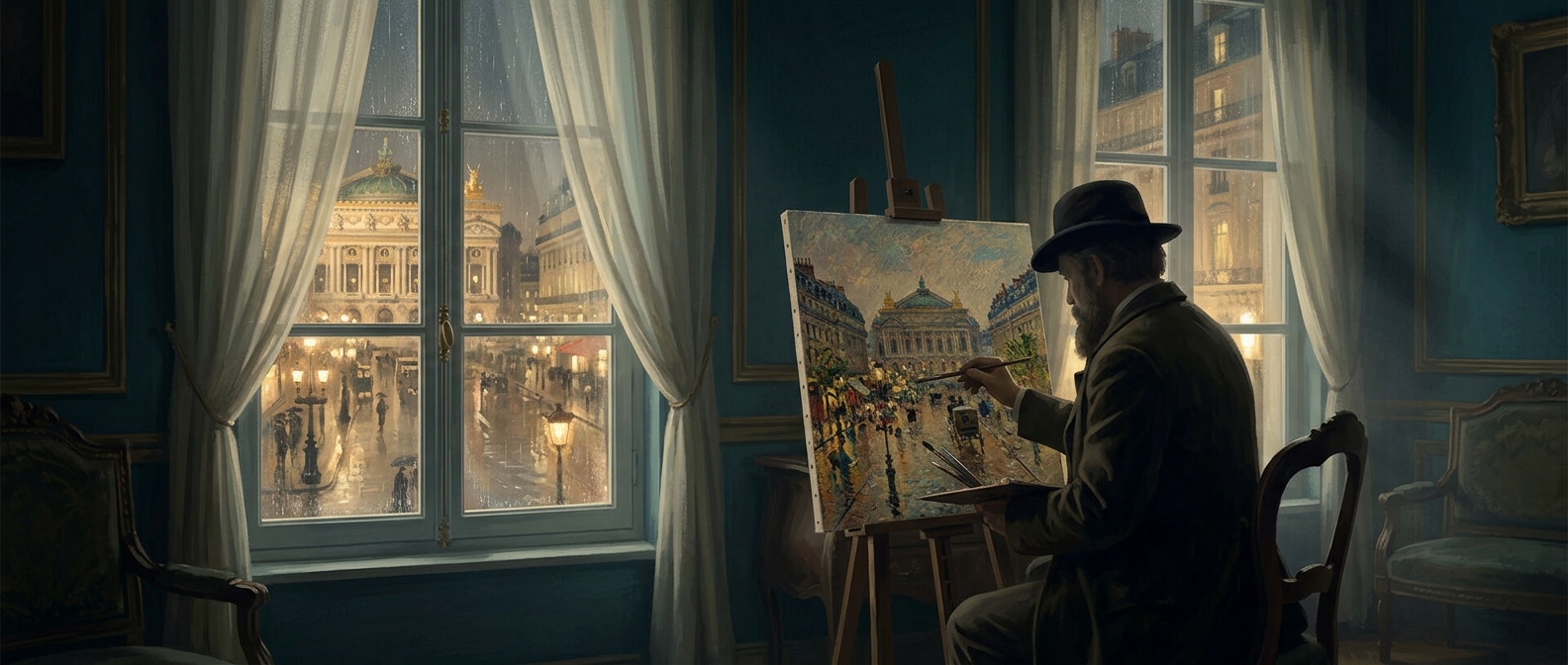
Paris was a major center of artistic life, where a sculptor could encounter studios, fellow artists, and an audience for new work. Going there meant leaving a village setting for a place with a much denser network of people and opportunities connected to art. The walk was therefore the first practical step in a larger change of surroundings—not proof that success would follow, but a way to reach the place where he hoped to pursue sculpture.
The detail is memorable because it makes ambition concrete: before Brancusi could make a life as a sculptor in Paris, he first had to get there without the fare.