When imitation became a way to make rent
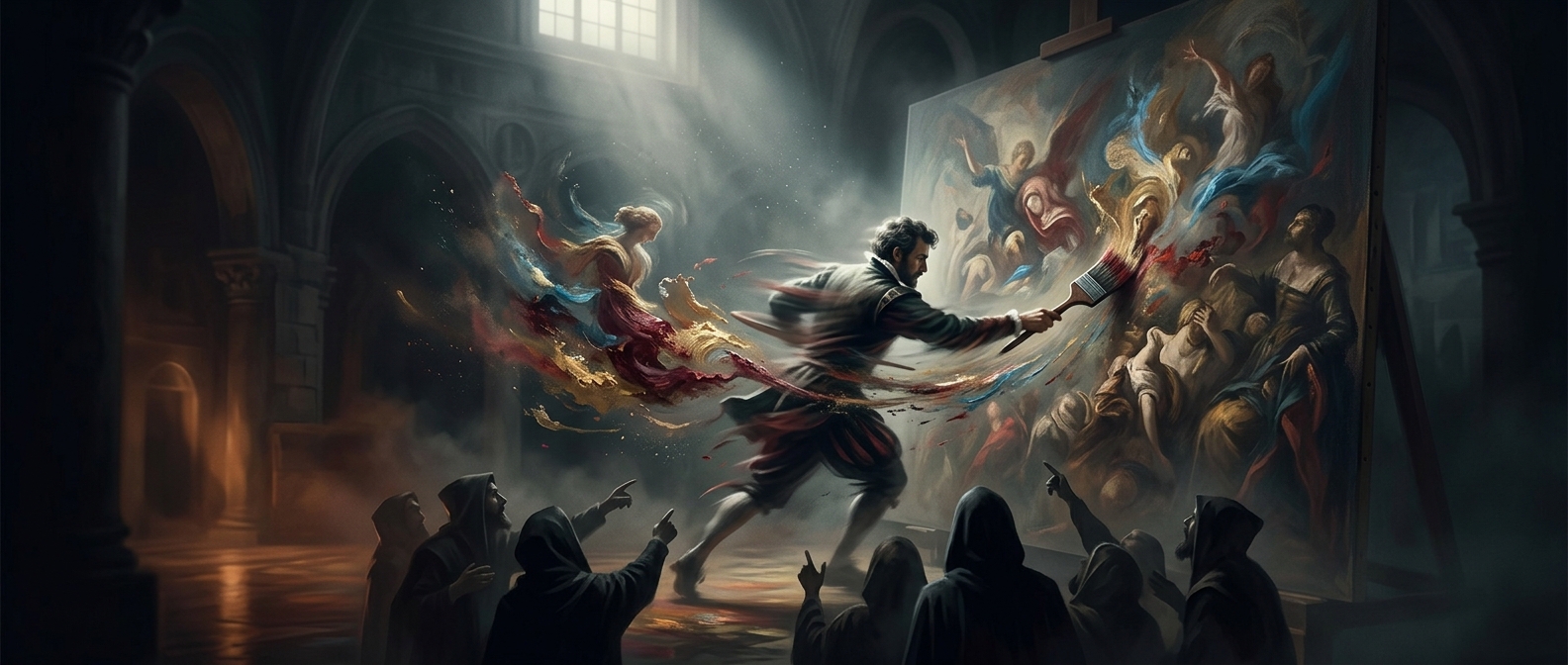
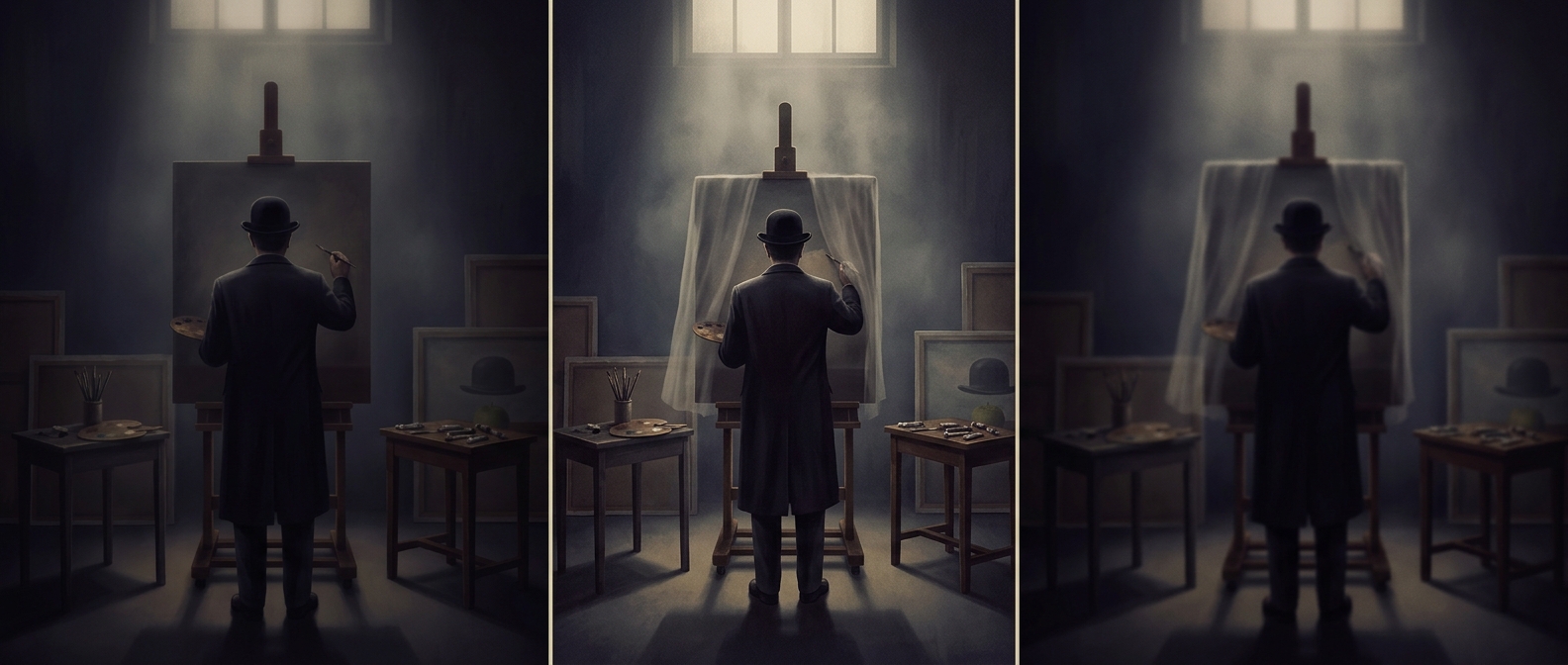
René Magritte’s career depended on making images that looked unlike anyone else’s. But when his own paintings did not bring in enough money, he turned that skill toward a different task: making paintings that could pass as someone else’s. The works were attributed to established artists including Picasso and Titian, giving them a market identity Magritte’s own work could not yet reliably provide.
That is what separates a forgery from an ordinary copy. A copy openly refers to another artist; a forgery depends on viewers believing the work is genuinely theirs. The deception lies not only in the painted surface but in the claim attached to it.
The cost of keeping an artistic career alive
The episode shows a practical tension behind Magritte’s surrealist reputation. He could make art on his own terms, but artistic ambition did not guarantee enough income to cover basic expenses. Forging paintings offered a way to bring money in while he continued pursuing his own work.
It also reveals how much an artwork’s value depends on authorship. The same act of painting could serve two opposite purposes: expressing Magritte’s distinctive imagination, or concealing it behind another artist’s name. For rent, the signature mattered as much as the image.