A monster at the far end of the trade route
For European buyers, cinnamon arrived through a chain of merchants rather than directly from the places where it grew. Traders who controlled the route had reason to keep its origin obscure: knowing where a valuable spice came from could help buyers bypass intermediaries and bargain for it themselves.
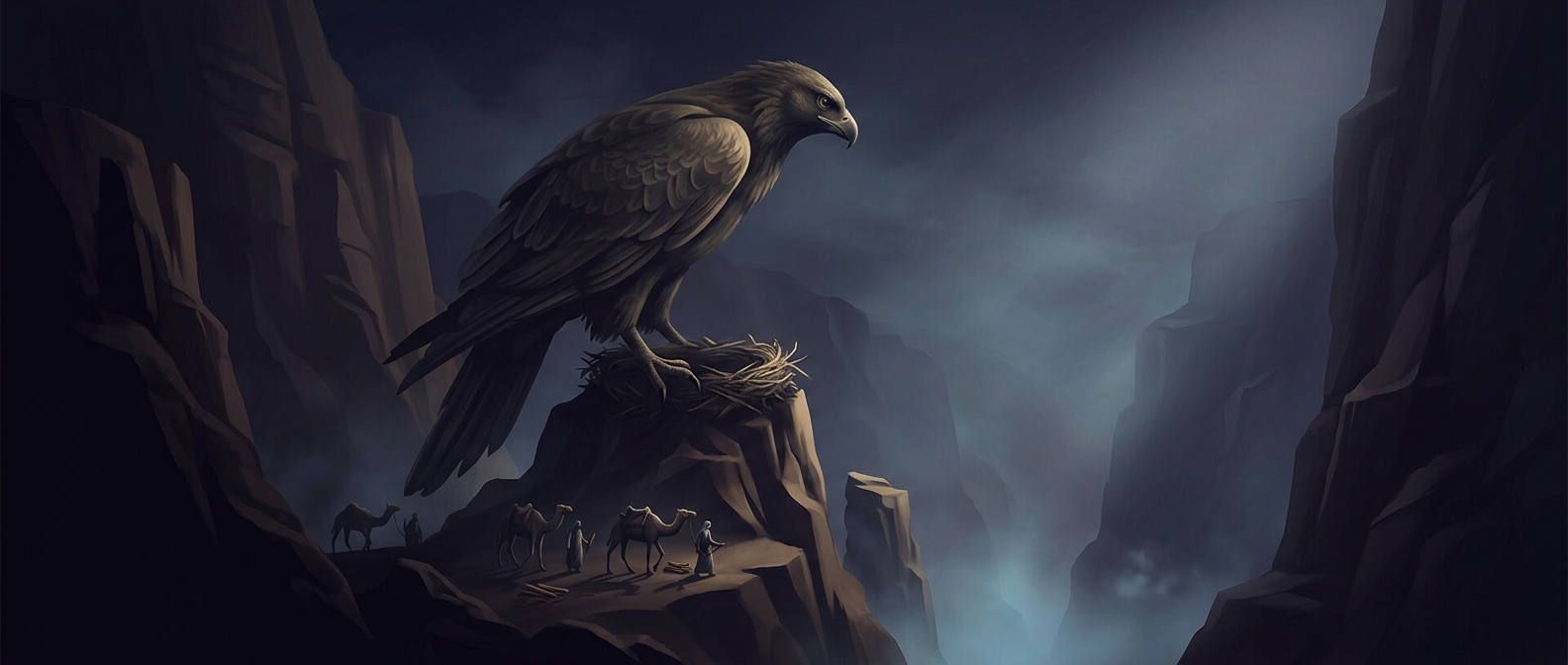
A tale about enormous, dangerous birds supplied a memorable barrier. In versions of the story, the birds nested where cinnamon grew and made gathering it perilous. The obstacle was not just distance or expense; it was a creature no ordinary buyer could confront.
How a story protected a business advantage
The bird legend made a distant supply seem even harder to reach, while giving sellers a dramatic explanation for why cinnamon was scarce and costly. It turned control of trade into apparent control of secret knowledge: merchants could present themselves as the only people able to obtain the spice despite its supposed guardian.
The tale also blurred the difference between a real commodity and an imagined route to it. Buyers could see and smell cinnamon, but the story diverted attention from the practical questions that mattered most—where it was harvested and who controlled the journey from source to market. The monster helped keep the supply chain mysterious, and mystery helped preserve the middlemen’s advantage.