Rossini’s retirement was from the opera house, not from music
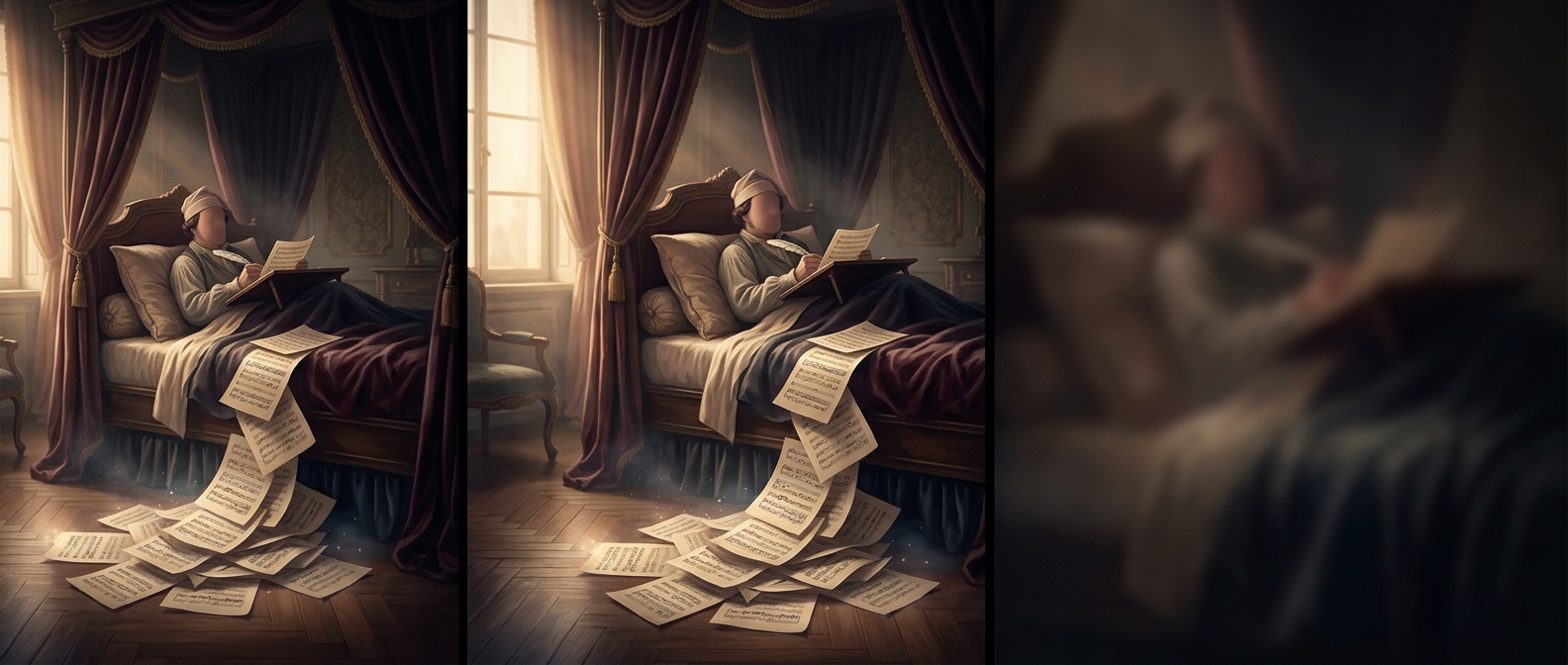
In 1829, after the premiere of William Tell, Gioachino Rossini stopped writing operas. He was 37, and his career had already made him one of Europe’s most successful composers. But “retirement” can give the wrong impression: he did not vanish from public life or abandon composition altogether. In later years he wrote shorter pieces, including piano and vocal works he jokingly grouped under the title Sins of Old Age.
A composer with a serious appetite
Rossini also became famous for his love of food. He lived in Paris for much of his later life and was closely associated with rich dishes and prized ingredients, including truffles. That reputation helped blur the line between his artistic life and his pleasures: the composer who had once filled theaters with music became a celebrated gastronome, too.
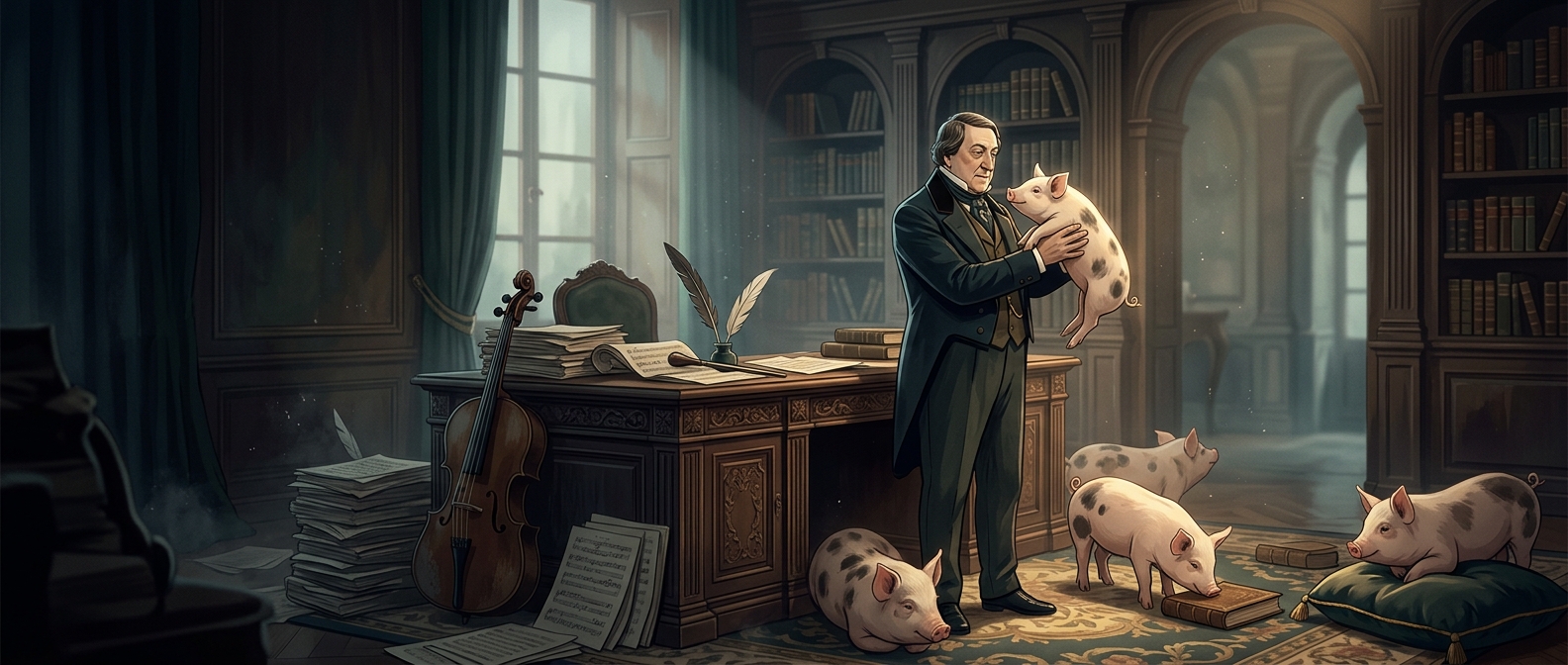
The pig-raising image, however, is comic shorthand rather than a well-established account of his work. Rossini’s second act was less about tending livestock than about stepping away from the demanding business of opera while continuing to compose and cultivating his interests at the table.
That contrast is what makes the story memorable: a man who had spent decades supplying singers with arias could choose, at the height of his success, to stop producing operas—and still find another kind of audience around the dinner table.