A garment built around the dress
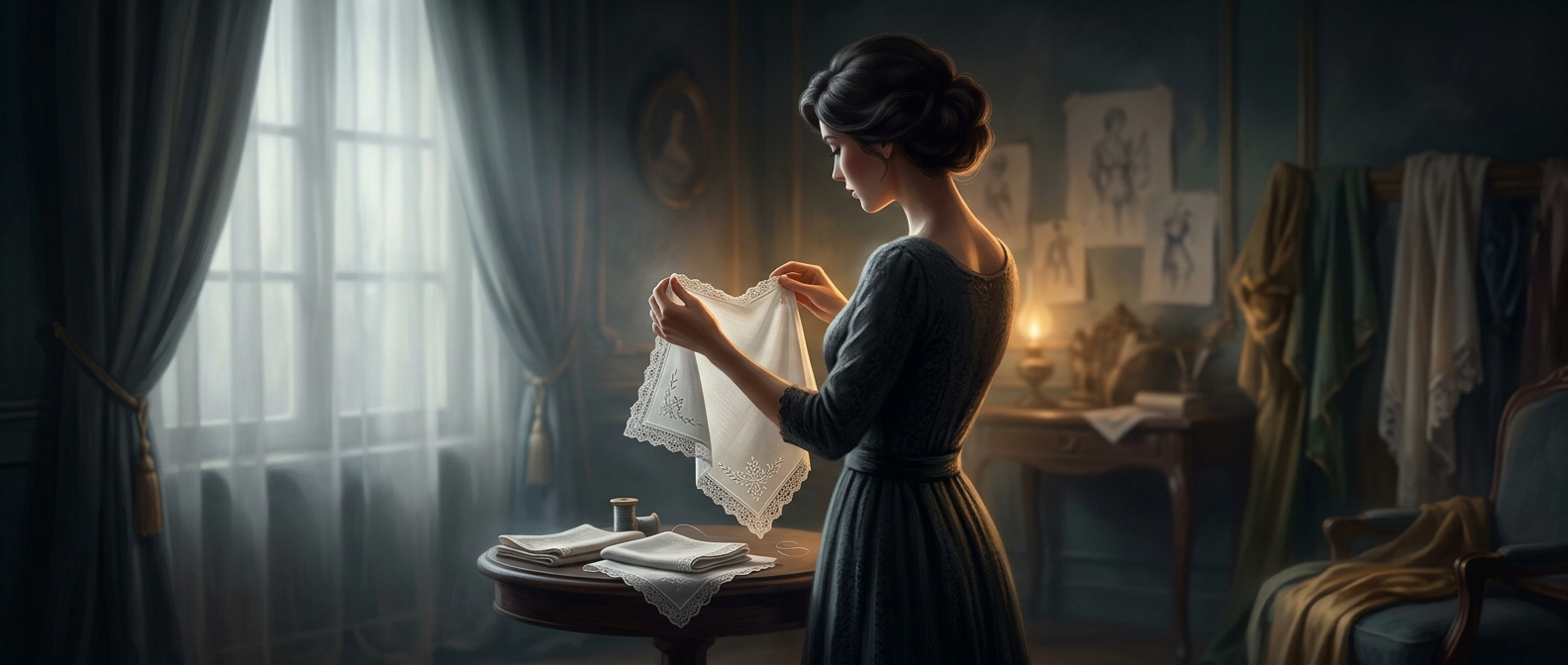
The corset was not merely underwear: it helped shape the torso and hold clothing in place. That made it difficult to hide beneath a lightweight, low-backed evening gown. Jacob’s improvised garment approached the problem from the opposite direction. Instead of forcing the body into a rigid shell, it supported the breasts with soft fabric while leaving the back largely uncovered.
That change in structure mattered. A corset distributed pressure around the torso and relied on stiff materials; Jacob’s design used shoulder straps and fabric panels to provide more localized support. It could accommodate the gown’s cut without the hard lines and bulk that had made the corset visible.
From improvisation to a patent
Jacob later patented her design in 1914, giving a nameable, reproducible form to a solution that had begun as a personal fix. A patent could describe how the garment was assembled and protect the design, but it did not instantly make the new style standard. Corsets remained in use, and different bodies, outfits, and expectations called for different kinds of support.
The lasting shift was in what underwear could be designed to do. Rather than treating support as a single task—compressing and shaping the whole torso—designers could make lighter garments for particular necklines and silhouettes. Jacob’s handkerchief-based answer was simple, but it pointed toward a more adaptable approach: build the undergarment around the clothes people want to wear, not the other way around.