A sea behind a natural dam
Around 5.3 million years ago, movements of Earth’s crust restricted the Mediterranean’s connection to the Atlantic at Gibraltar. With less ocean water entering, evaporation in the hot, dry basin outpaced replenishment. Sea levels plunged, and thick layers of salt accumulated on the seafloor. The basin was not necessarily one uniformly dry expanse: some deep areas may have held very salty water. But the Mediterranean had become radically smaller and more isolated.
How a breach became a flood
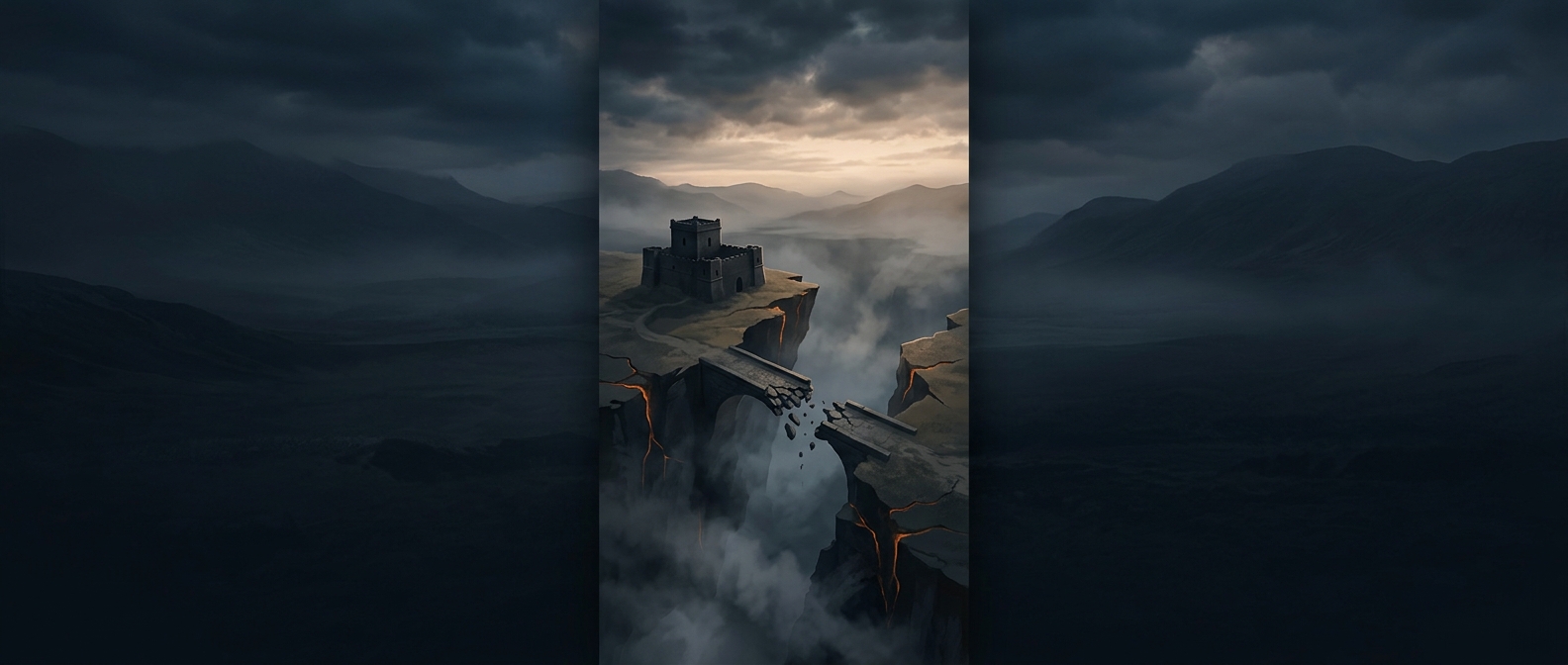
Eventually, Atlantic water crossed the rocky barrier. Once a channel opened, flowing water could scour away rock and sediment, making the opening deeper and allowing more water through. That feedback turned a narrow breach into a powerful inflow, pouring over the lowered basin like a waterfall. Geologists call this event the Zanclean flood, after the geological age that began when the Mediterranean returned to fuller marine conditions.
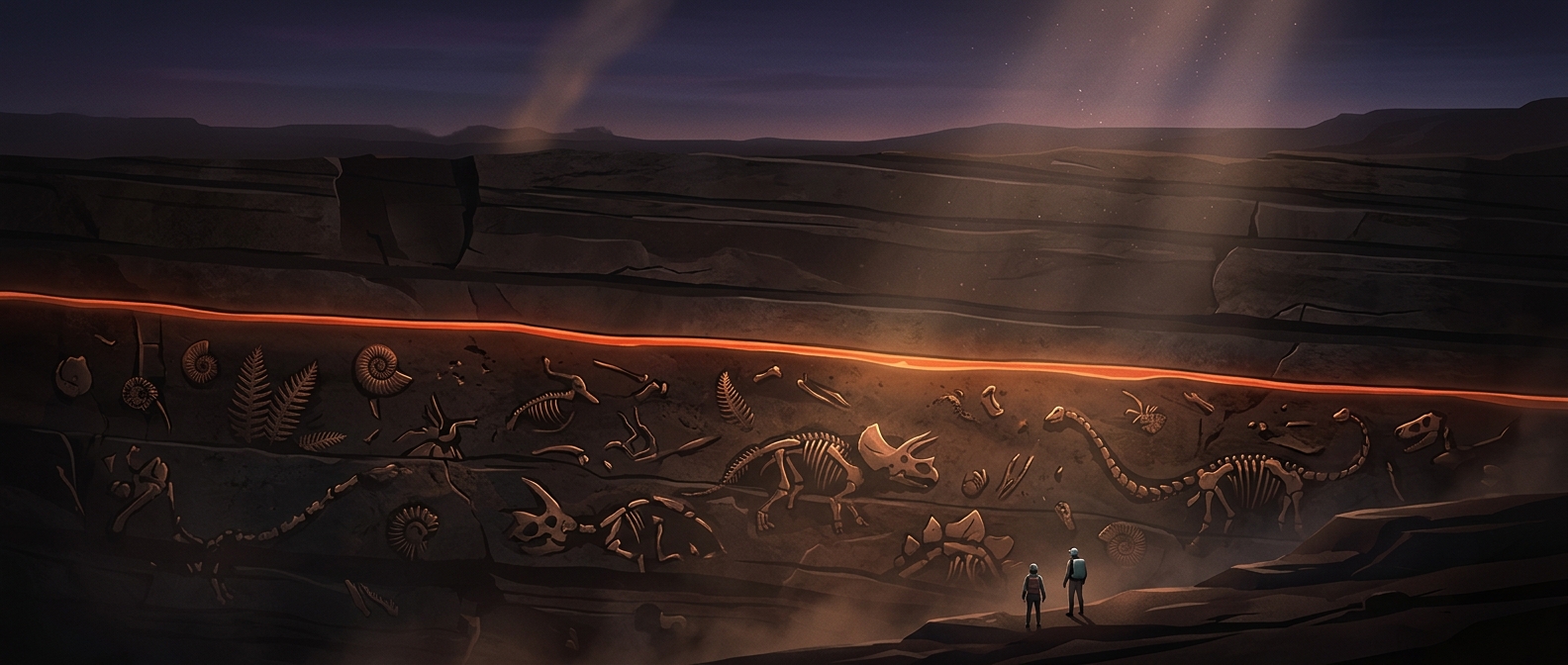
The precise pace and shape of the refilling remain subjects of scientific study, but the basic transformation is recorded in the rocks: salt deposits from the isolated basin give way to sediments laid down as marine water spread back across it. The striking implication is that a seaway can be reshaped not only by slow changes in climate or sea level, but by a single breach that rapidly reconnects two enormous bodies of water.