When Dinner Stopped Dictating Where Everyone Sat
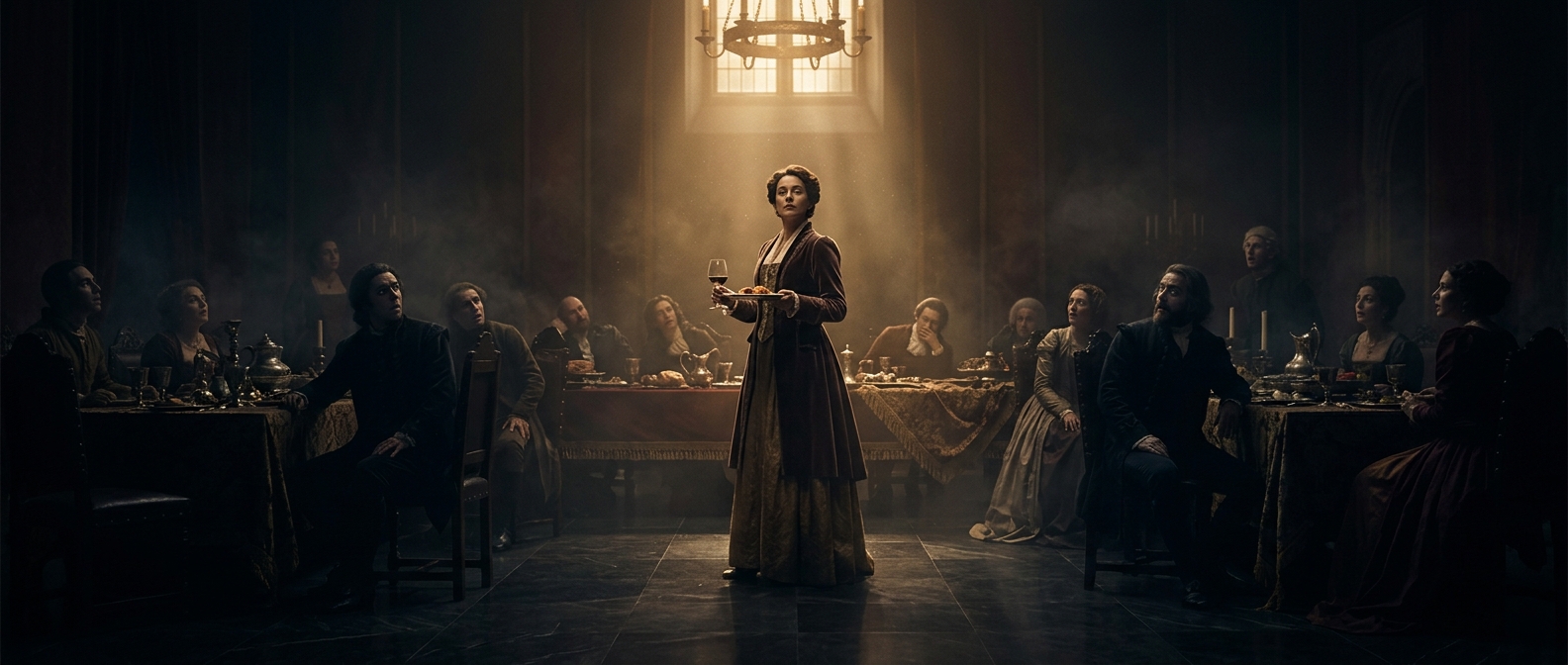
At a formal French dinner, seating was part of the message. Hosts arranged guests according to rank and relationships, and a place at the table could show who mattered. The meal unfolded around that fixed order: diners stayed put while servants brought courses to them.
A buffet changed the choreography. Food was laid out separately, so guests had to get up, approach it, and make choices for themselves. Rather than waiting for a servant to deliver each dish, they could mingle and decide what to eat. That made the meal less like a ceremony organized by the host and more like a social gathering whose movement was harder to control.
A Small Change with Social Consequences
The unsettling part was not simply that people served themselves. A formal dinner made rank visible through seating and service; a buffet loosened those cues. Guests might cross paths with people they would not have sat beside, and the host had less control over who interacted with whom. The arrangement suggested a more informal kind of sociability—one in which personal choice could matter more than a carefully assigned place.
That did not erase class distinctions or make French society equal. But it made hierarchy less rigidly legible for the duration of a meal. In a culture where eating together was also a performance of status, letting guests move freely was a change in social rules, not just table service. One plate at a time, the buffet turned dinner from a seated display of rank into a room people had to navigate for themselves.