A librarian’s place in the castle
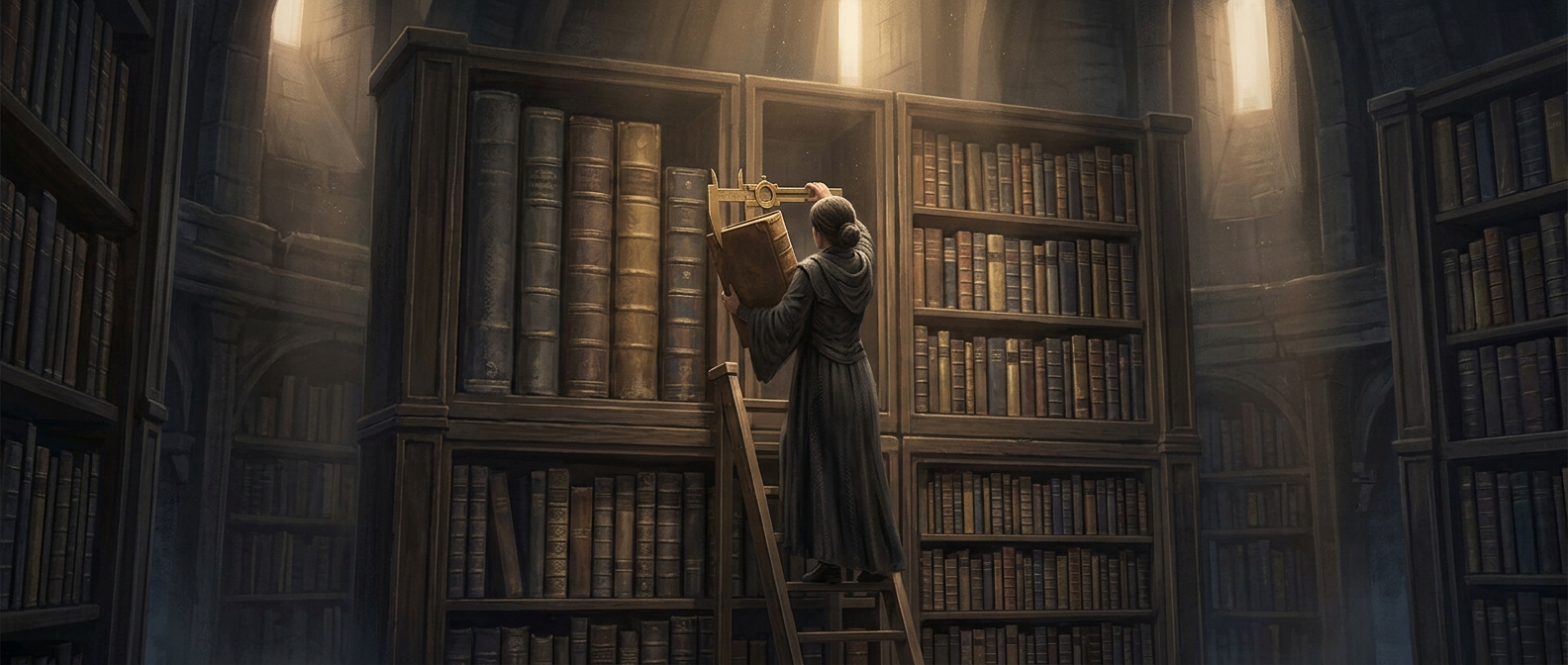
By the time Giacomo Casanova arrived at the Bohemian estate of Duchcov in 1785, the celebrated adventurer was in his sixties and had spent years moving among European courts and cities. At the castle, he served Count Joseph Karl von Waldstein as a librarian. The job gave him a settled position, but it also put him inside a household where he depended on other people to help keep daily work running.
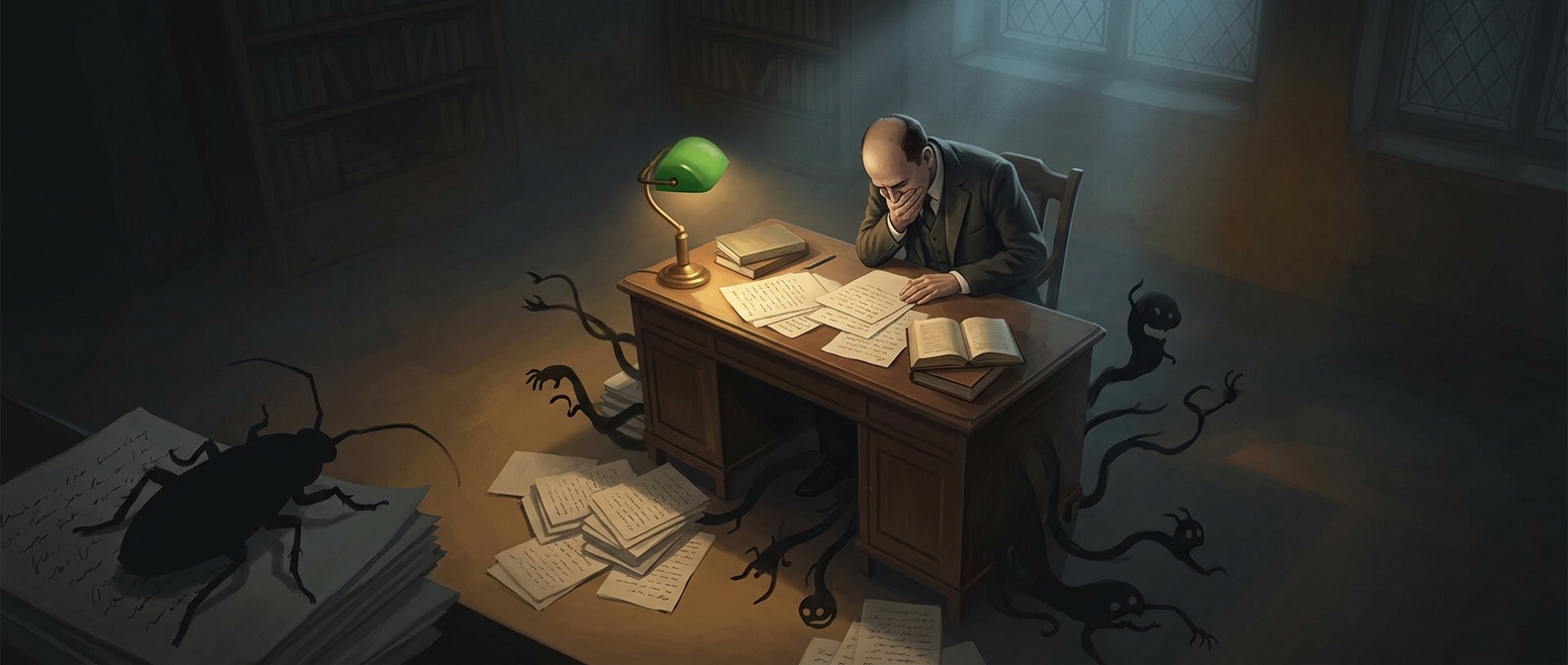
A library is not orderly simply because its books are on shelves: someone has to sort and identify them so they can be found again. Casanova’s attempt to bring order to the collection made routine cooperation part of his work—and, by his account, the staff could frustrate that effort. The complaints hint at a less glamorous kind of late-life labor: not seduction or travel, but negotiating with the people around him over how things should be done.
The story he left behind
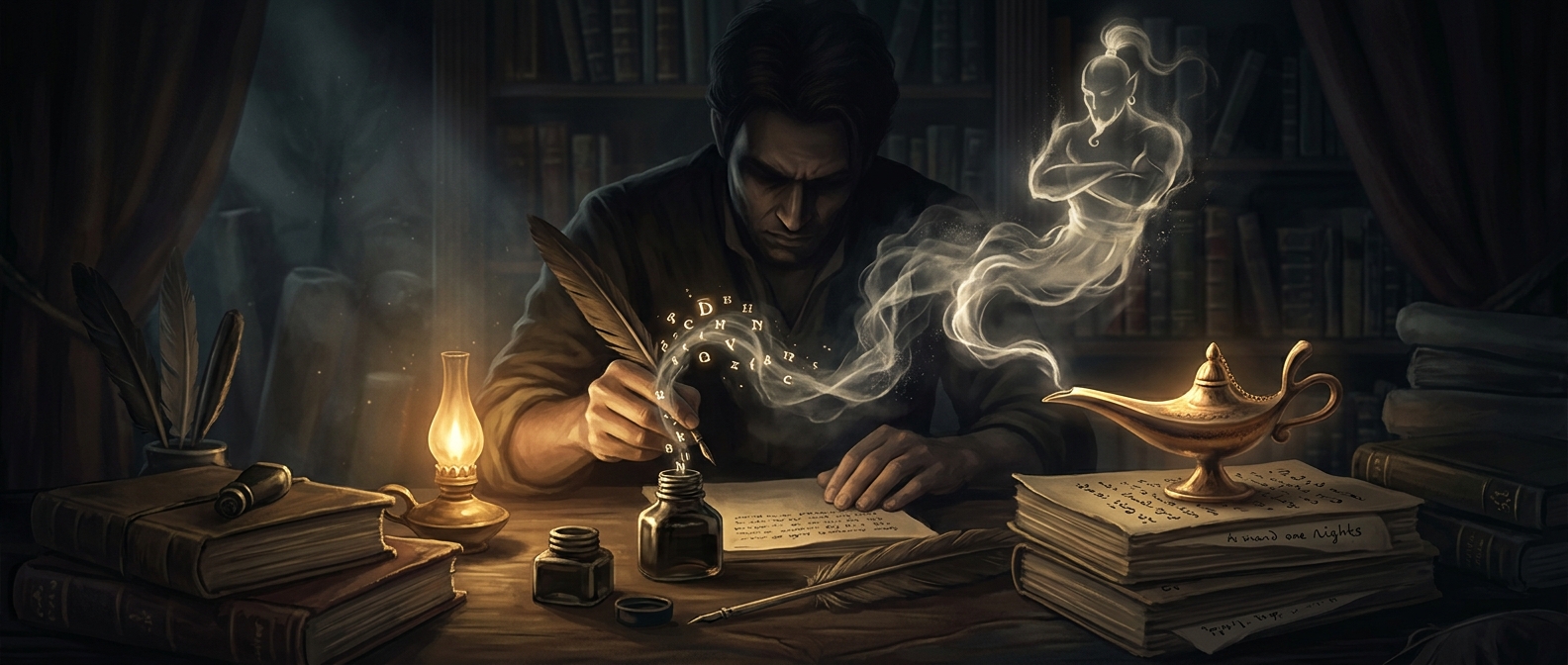
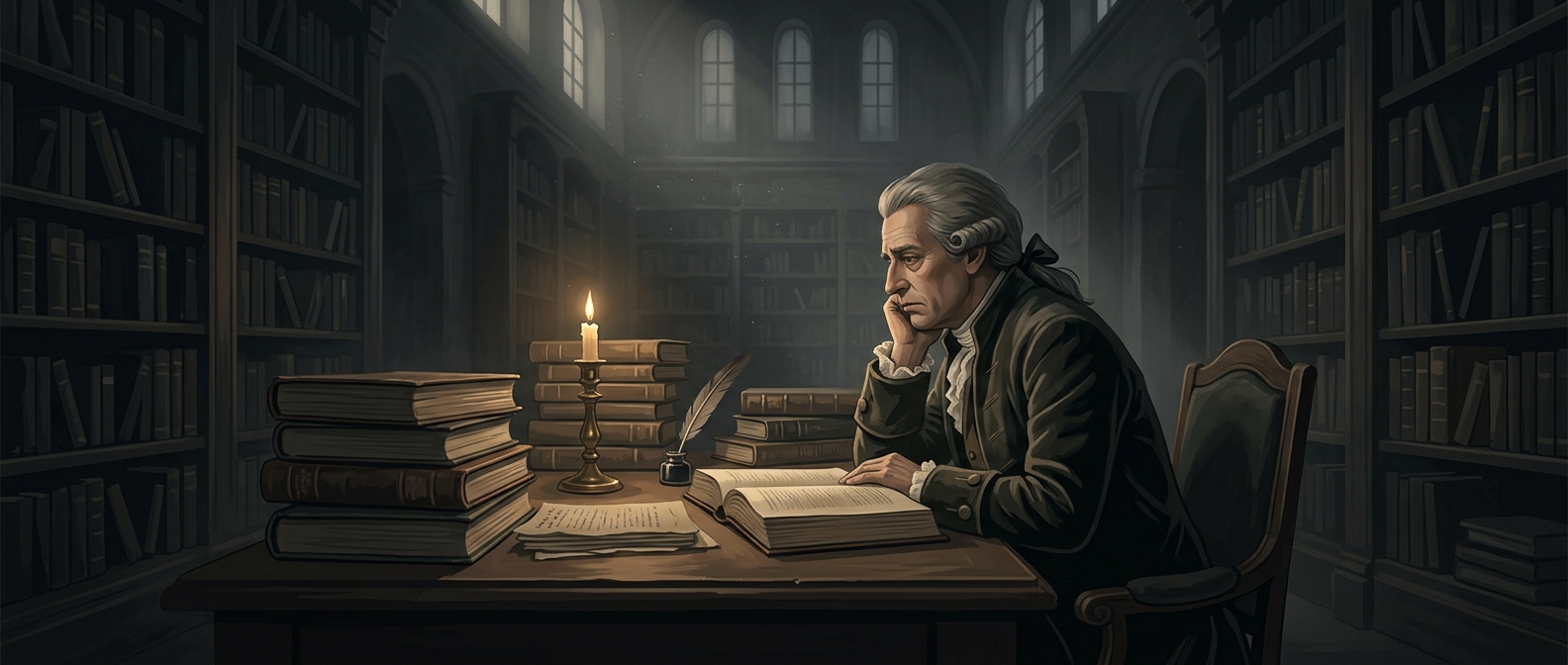
Casanova did not stop writing when his public adventures narrowed. At Duchcov, he composed the memoir now known as Histoire de ma vie (“History of My Life”), recounting the earlier decades that made his name famous. The contrast is striking: while he worked among books, he was also turning his own past into a sprawling written record.
He remained at the castle until his death in 1798. His final years therefore joined two kinds of ordering: arranging books in someone else’s library and arranging a long, unsettled life into a story.