A Seat That Put You in the Show
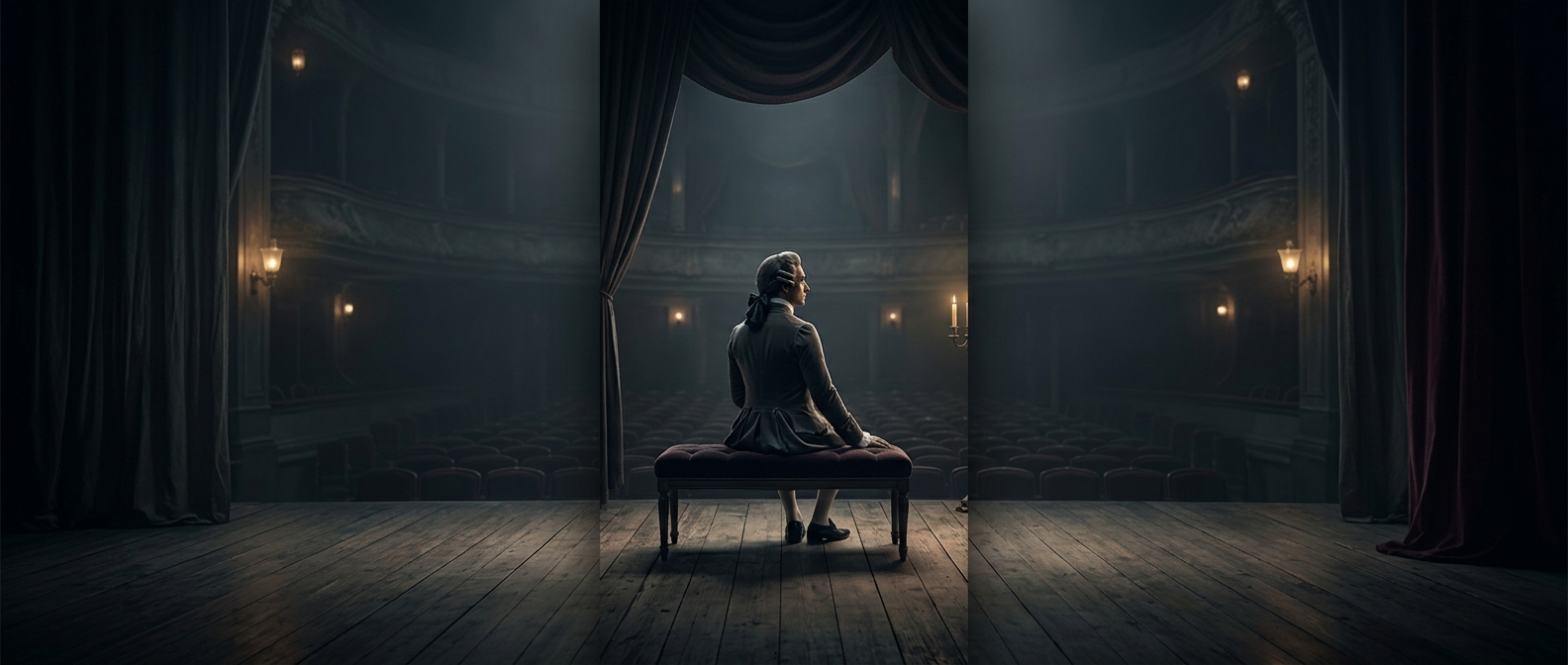
In some theaters, the stage was not a boundary between performers and audience. Wealthy patrons could pay to sit among the scenery, close enough to be seen by the rest of the house. The arrangement turned a night at the theater into a public display of rank: a prominent seat showed that its occupant could afford both the price and the attention it attracted.
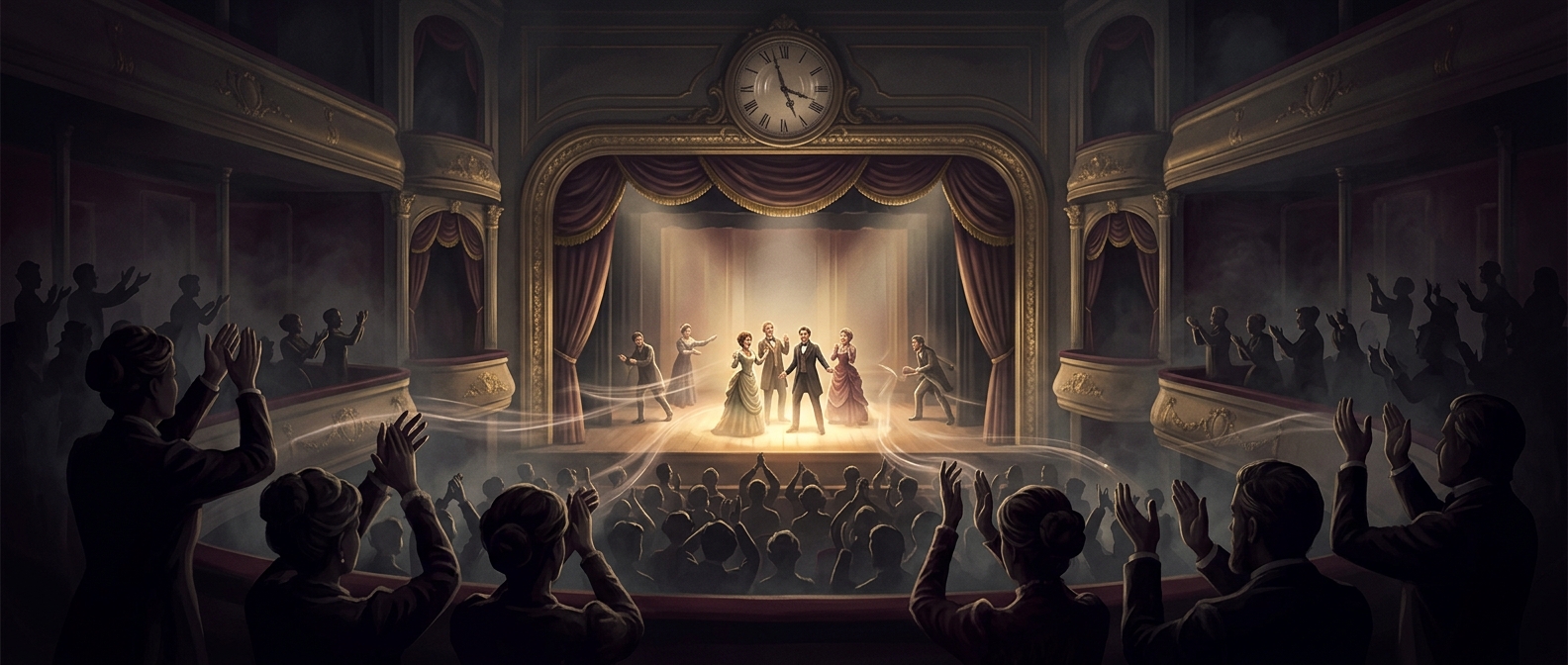
This worked because theatergoing was a social occasion as well as a way to watch a play. Patrons could make themselves part of the evening’s spectacle, while the audience watched the actors and the fashionable people sharing their space. The seat offered visibility—but not necessarily a good view of the performance.
When Status Took Up Stage Space
The arrangement had an obvious cost. A chair or a patron positioned near the actors could obstruct sightlines or crowd the playing area. Conversation and movement could also compete with the dialogue. What the seated patron gained in visibility, the performance could lose in focus.
That tension reveals the tradeoff built into such a theater: the stage was both a workplace for actors and a valuable social platform. A well-placed spectator might be watched as closely as a character, while someone in the audience had to look past that spectator to follow the play. The best seat came with its own audience—and could make everyone else’s view worse.