A blue made by separating, not simply grinding
Lapis lazuli traveled a long way before it reached a painter’s workshop. The stone was mined chiefly in what is now Afghanistan, then carried through trade networks to European markets. Turning it into ultramarine—the name means “from beyond the sea”—was a painstaking process, not a matter of crushing every blue fragment into paint.
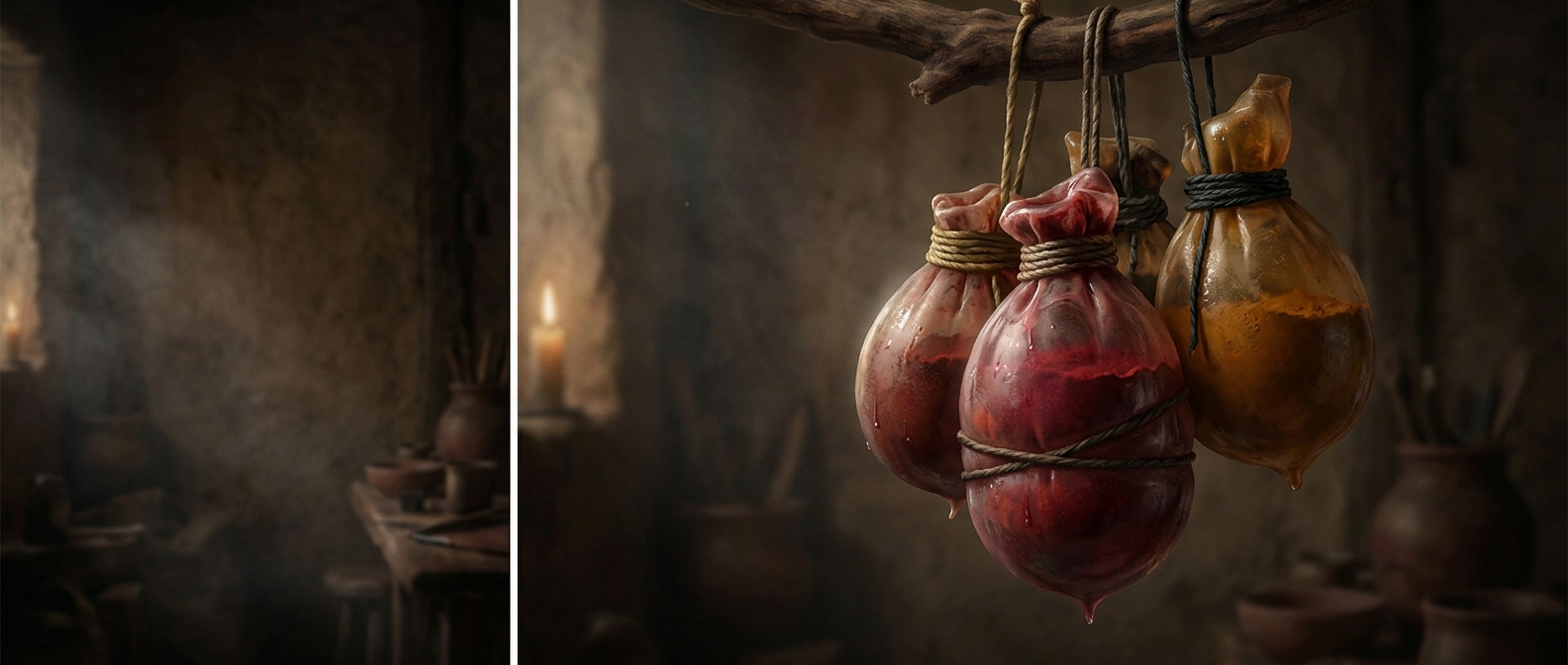
Workers ground the stone and worked it into a mixture with wax and other materials. They kneaded that mixture in a mild alkaline solution, which drew out the fine blue particles while leaving much of the unwanted material behind. Repeating the process produced further, generally less vivid grades. The best blue came from the most labor-intensive stages, and much of the original stone did not become the prized pigment.
Why painters saved it for the most important passages
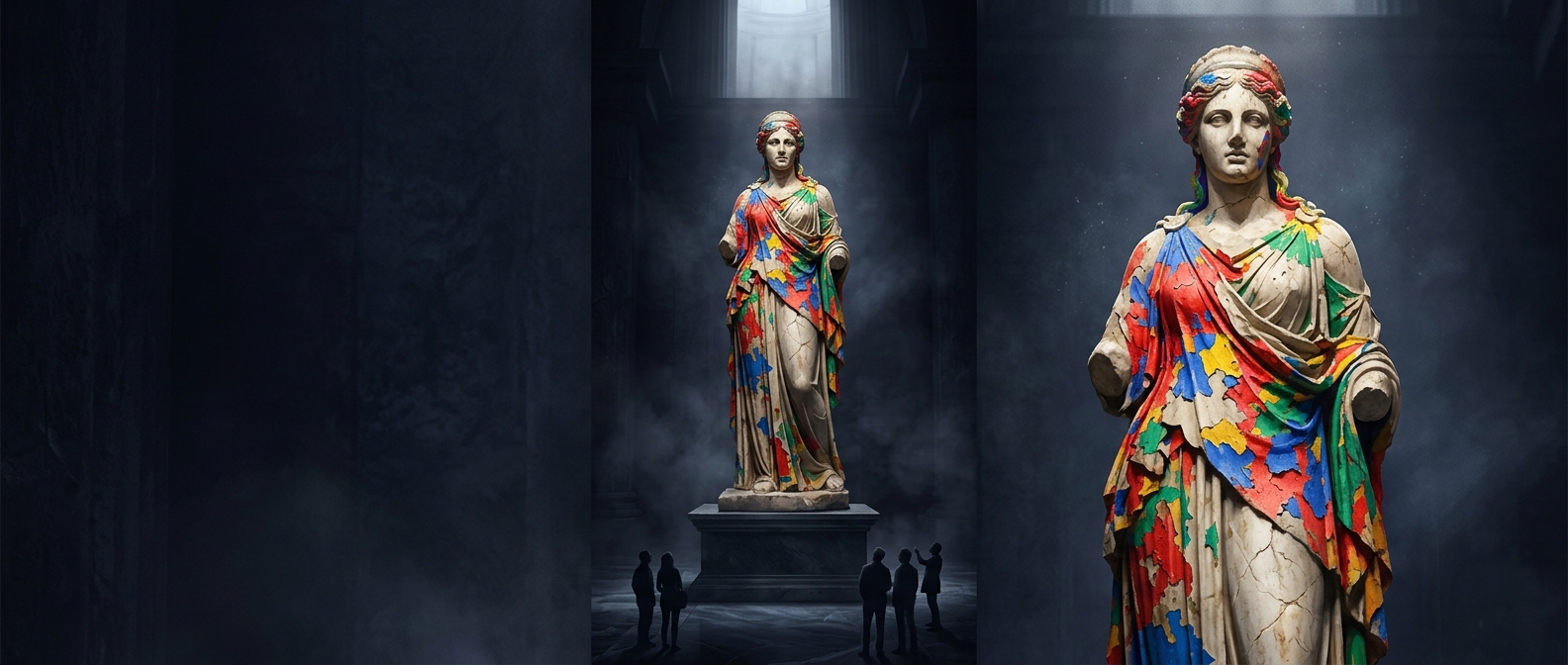
That expense shaped what viewers saw. Painters commonly reserved fine ultramarine for small, prominent areas—especially the blue robes of the Virgin Mary—while using cheaper pigments for larger backgrounds or less significant details. The color was therefore not just decoration: its cost could signal the subject’s importance and the patron’s generosity.
A commission might specify that the finest blue be used for a particular passage, making the pigment part of the bargain between patron and artist. If the painter had to buy it before receiving full payment, the expense could become a real financial burden; some artists borrowed or went into debt to fulfill such demands. In other cases, patrons supplied the pigment themselves.
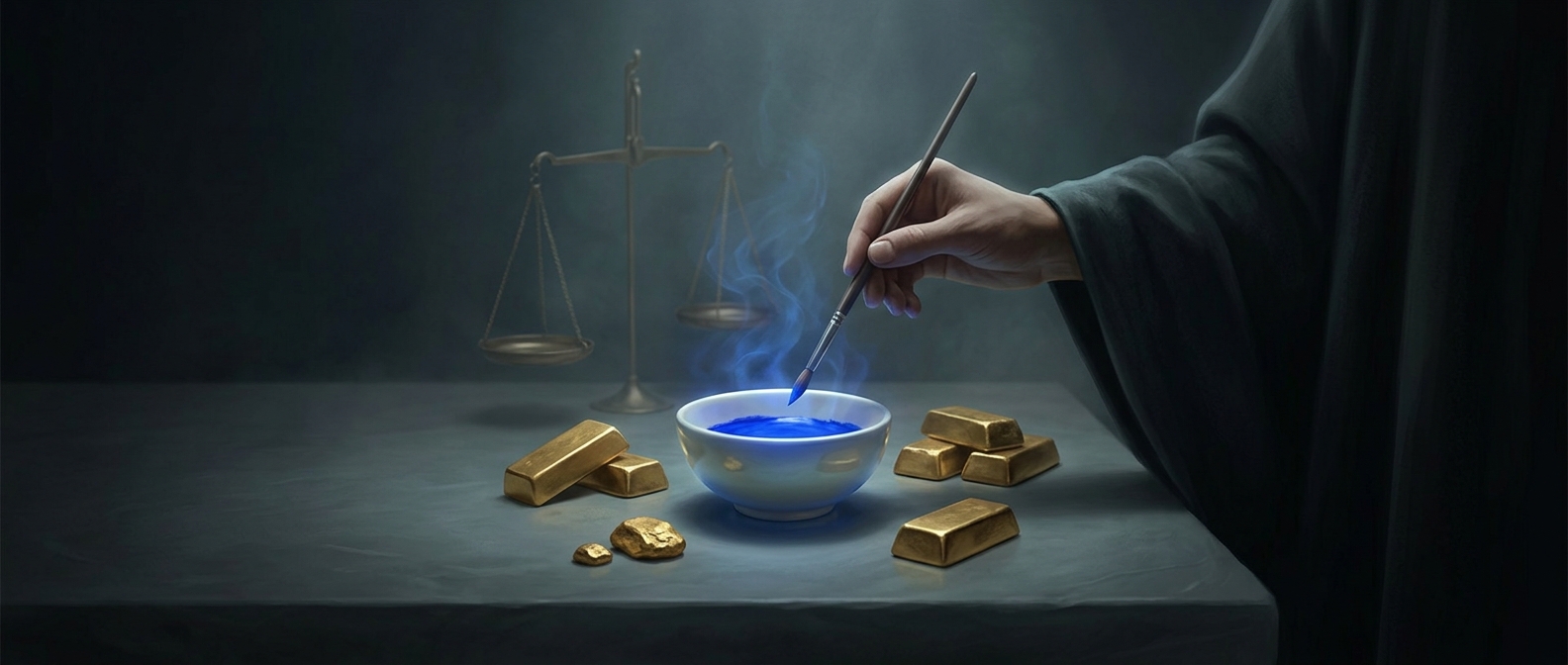
Ultramarine did not cost more than gold in every place or every moment. But at its peak, its price could rival or exceed gold’s, making a small patch of blue an unusually visible investment. A brilliant robe on a painted panel could represent not only artistic skill, but also a costly chain of mining, trade, labor, and credit.