A paint container with a built-in problem
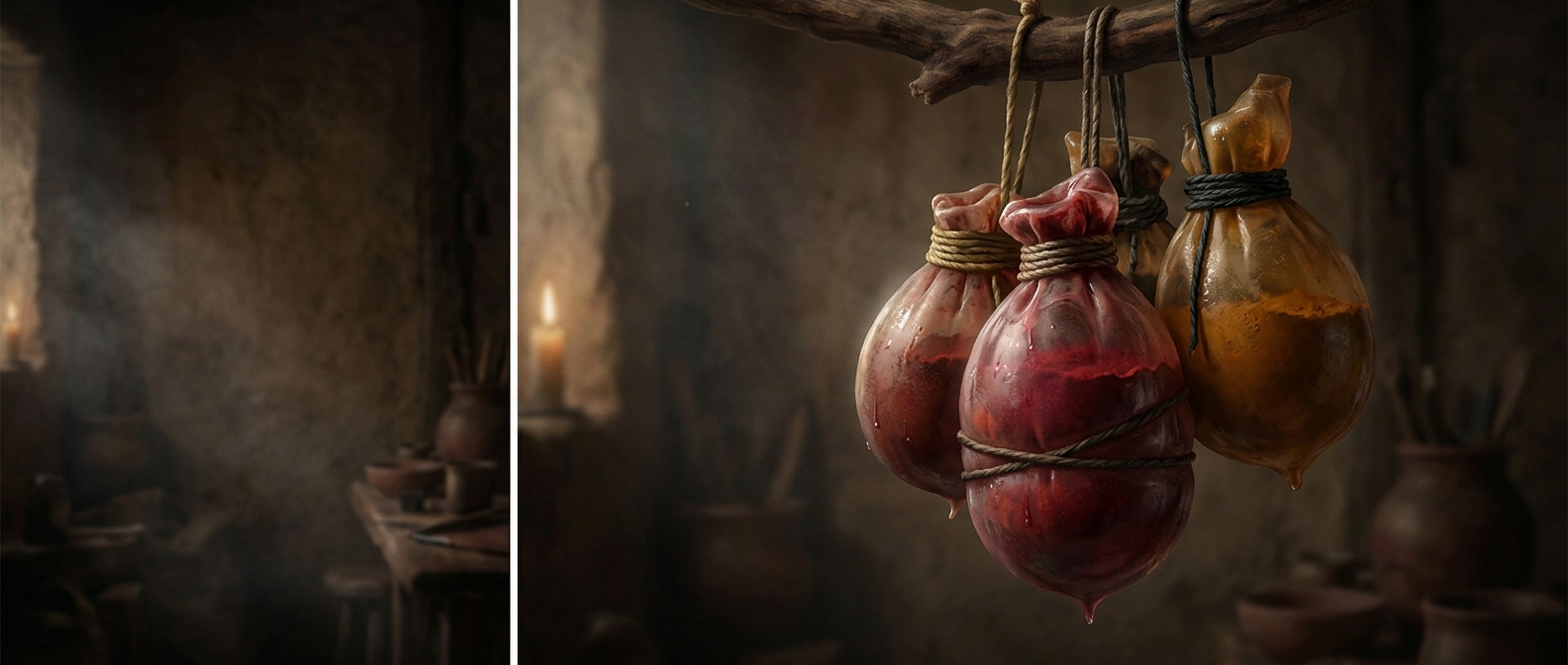
A pig bladder could hold paint and travel with an artist, but it was a poor container for repeated use. To get paint out, the painter pierced the bladder with a tack and squeezed. The opening then had to be plugged again; it was not a valve or a resealable cap. A leak or a hole that failed to close could waste paint, while air exposure could let oil paint thicken and dry.
That made carrying paint possible, but awkward. An artist had to manage both the paint and the fragile package, especially when working away from a studio. The bladder was a practical workaround, not a neat, dependable dispenser.
The tube changed the routine
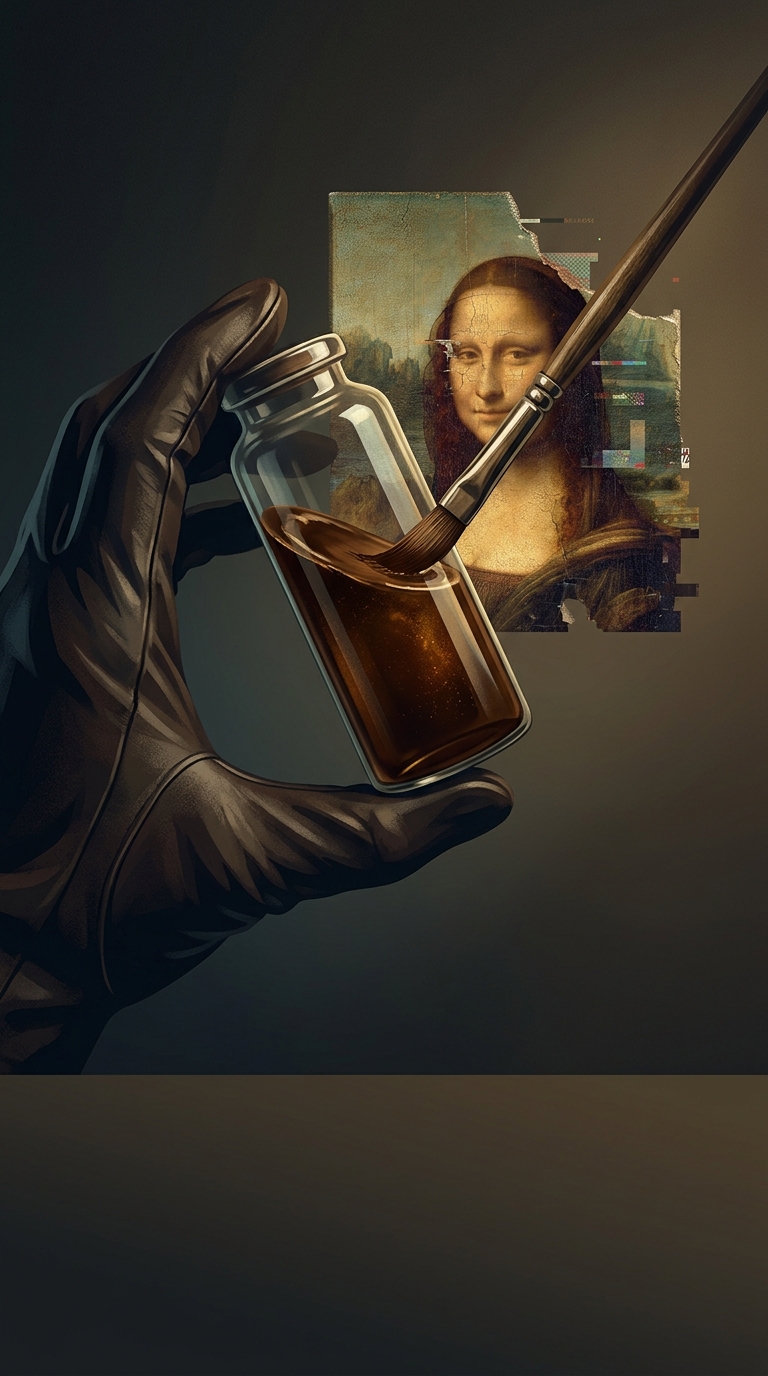
In 1841, American portrait painter John Goffe Rand patented a collapsible metal paint tube. Its screw cap could be removed to dispense paint and replaced to close the container. The flexible tube could also be squeezed, so the artist could take out a small amount without puncturing the package.
The key improvement was not simply that the new container was easier to carry. It made paint easier to open, portion, and store again. That reduced the friction of working outdoors, where setting up and preserving supplies mattered as much as transporting them.
Portability became repeatable
A bladder could get paint to a location; a capped tube made it practical to use some, close the rest, and return to it later. That small change helped make painting outside the studio more manageable—and turned portable paint from a one-time squeeze into a reusable supply.