Coubertin wanted the Olympics to unite body and mind
Pierre de Coubertin’s art competitions grew from a broader ambition: he believed the modern Games should celebrate more than athletic performance. In his view, ancient Greek ideals joined physical training with artistic and intellectual achievement. Adding arts contests was a way to make that ideal visible in the modern Olympics—not merely to decorate the sporting program.
The requirement that works relate to sport gave the contests their distinctive shape. An architect might submit a stadium design; a writer could compose a poem about an athletic contest. The connection was the point: competitors had to turn sport into a subject for creative work.
Turning artistic judgment into an Olympic contest
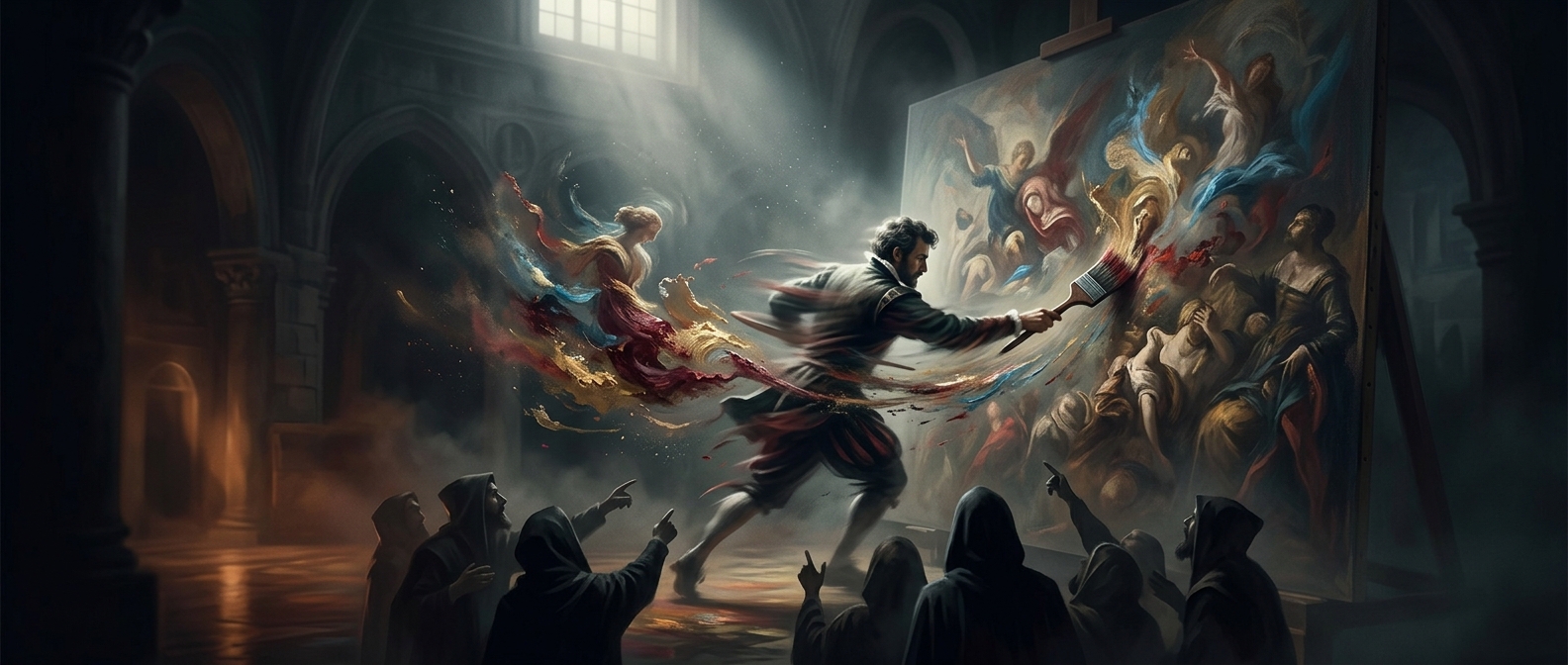
Unlike a race, an art competition has no finish line or stopwatch. Judges had to assess works and award medals, making the outcome dependent on standards of artistic merit rather than a measurable result. The five categories—architecture, literature, music, painting and sculpture—also brought different kinds of work under one Olympic framework.
That created a practical tension. The Games were built around athletes competing under shared rules, while art prizes depended on judgment and attracted creators working in professional fields. The contests therefore tested how far the Olympic model could stretch beyond sport.
Why the medals disappeared
After the 1948 Games, the IOC ended the medal competitions and replaced them with art exhibitions. The shift preserved a place for artistic work at the Olympics but removed the claim that a poem, painting or building plan could compete for a sporting medal.
For 36 years, Olympic organizers treated creative work as something that could be entered, judged and ranked alongside athletic performance. A medal-winning design or poem was not a side decoration to the Games; it was evidence of Coubertin’s attempt to make the Olympics a contest of both physical skill and creative achievement.