A garden novelty before a staple
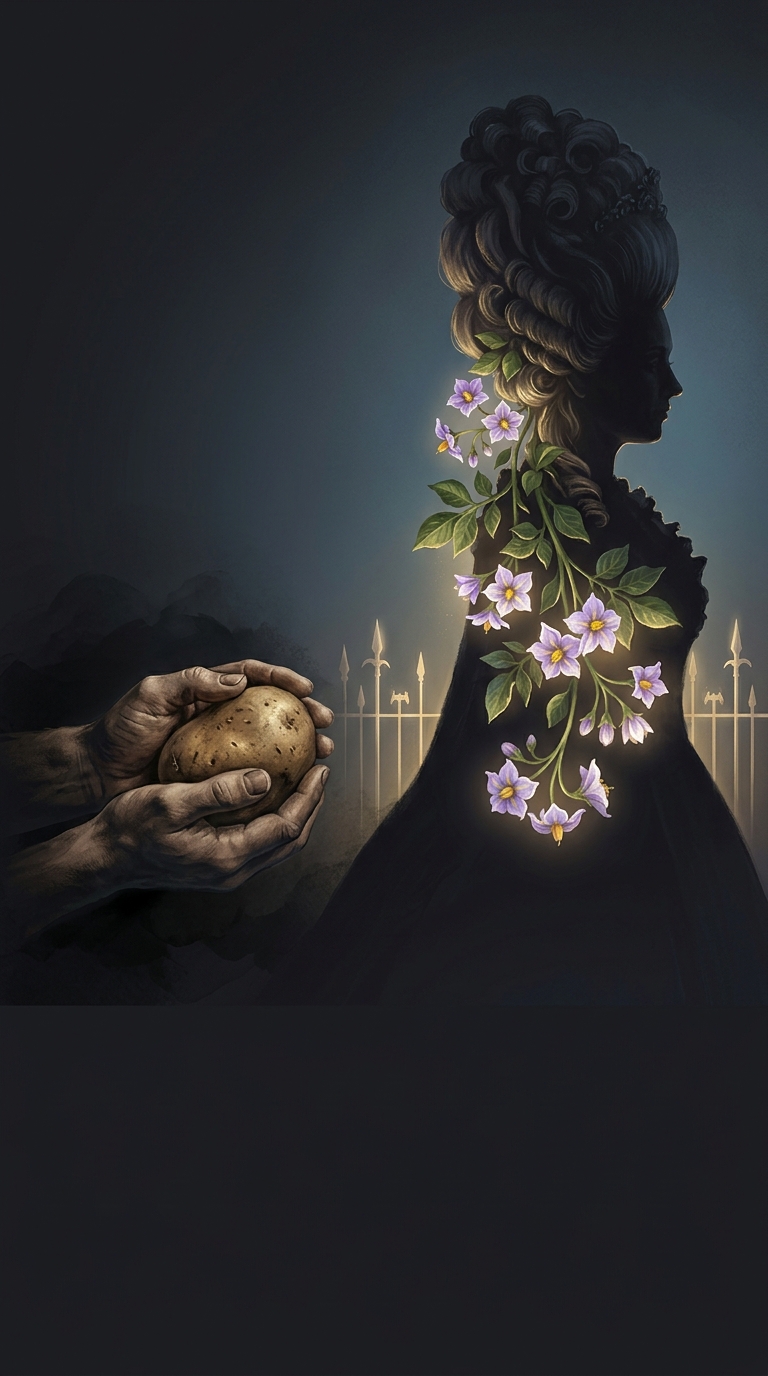
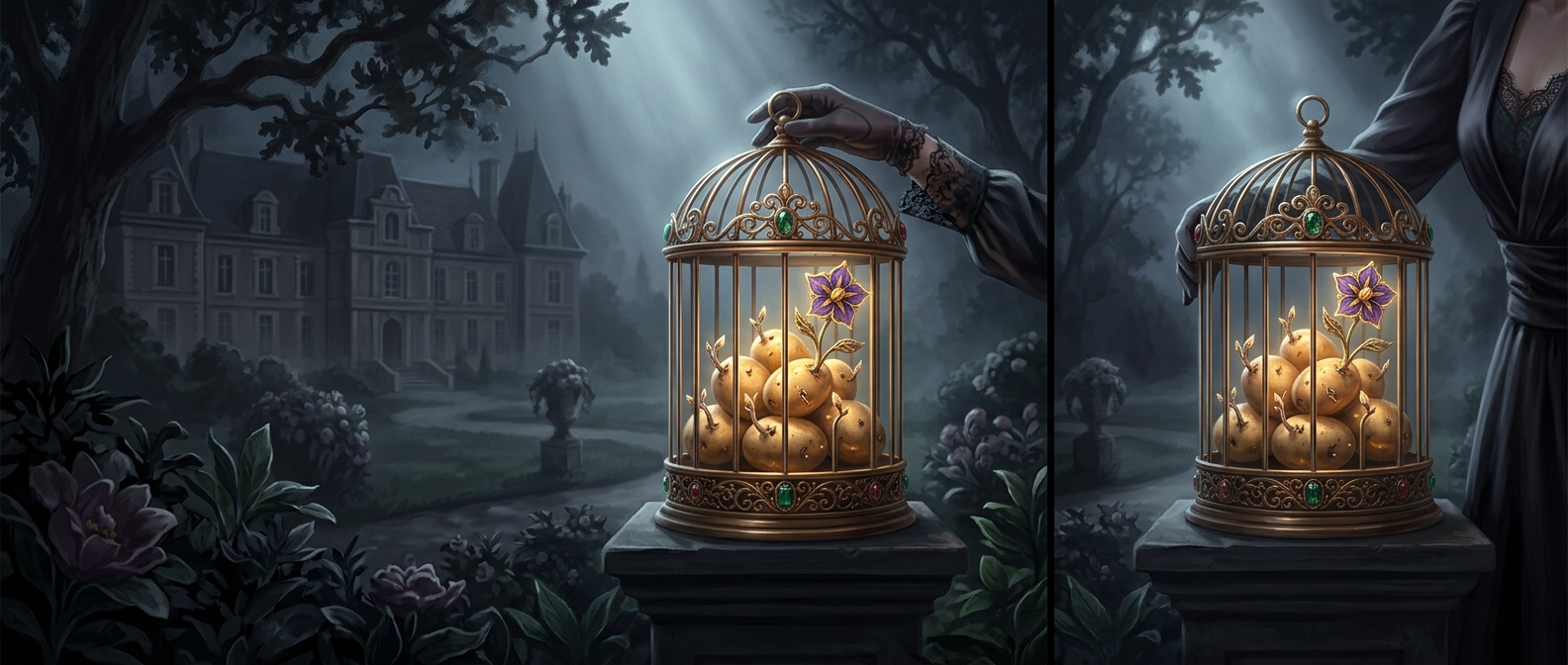
When the potato reached Europe from the Americas in the 16th century, it arrived as an unfamiliar plant, not yet as the dependable food it would become. Its small, star-shaped flowers made an appealing display in gardens; the swollen tubers hidden underground were less immediately inviting. Some European elites cultivated potatoes chiefly for their looks, treating the plant as an exotic curiosity.
The edible part was out of sight
A potato’s tuber is a thickened underground stem that stores energy for the plant. Unlike a fruit hanging in plain view, it had to be dug up, and Europeans had little reason at first to know how to grow, prepare, or judge it as food. The ornamental appeal was easy to recognize; the usefulness of the buried crop was not.
That did not mean potatoes remained merely decorative everywhere. Their acceptance as food spread unevenly, as people gained experience cultivating and cooking them. In places where established crops were more familiar, the potato had to overcome suspicion as well as compete for space in fields and kitchens.
From flower bed to food supply
The change was practical as much as cultural: the plant had to be valued for what it produced below ground. Once farmers and communities treated the tubers as a crop, the potato could serve as a source of food rather than just a garden ornament. The striking reversal is that a plant admired first for what it showed above the soil became important for the part no one could see until harvest.