How people bred the hollow out of watermelons
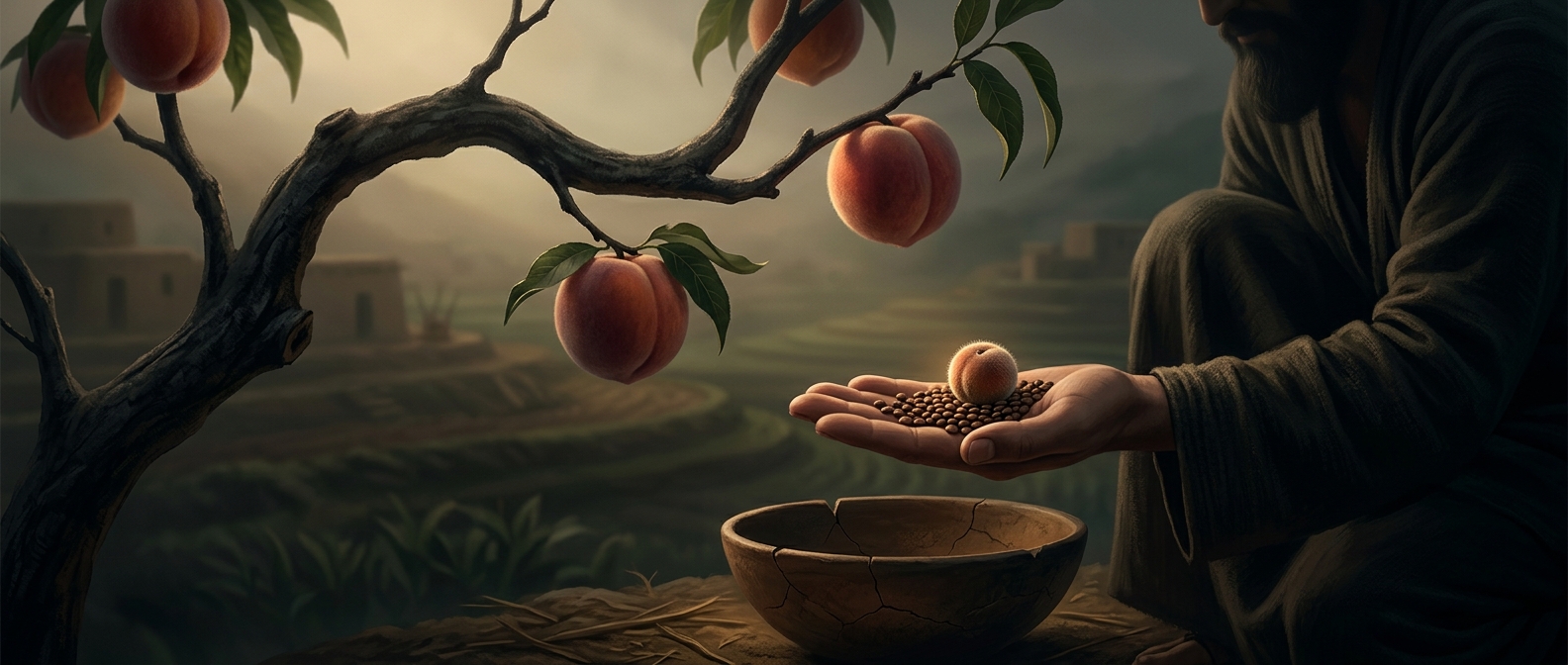
A watermelon is not a finished design handed down unchanged. Each plant grows fruit with small differences in sweetness, flesh, rind, and shape. When growers saved seeds from the melons they liked best, those differences became more common in the next crop. Repeating that choice over many generations gradually changed what a watermelon was like to eat.
From tough rind to edible flesh
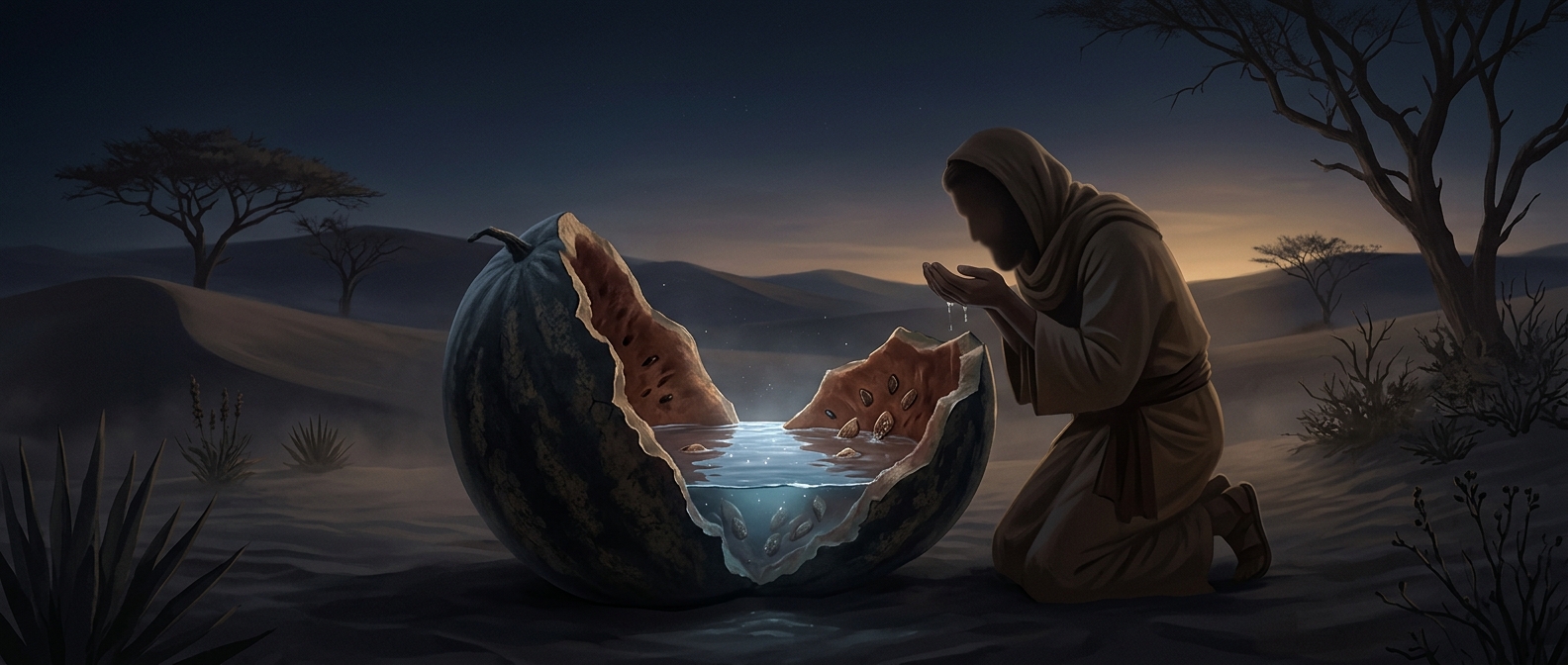
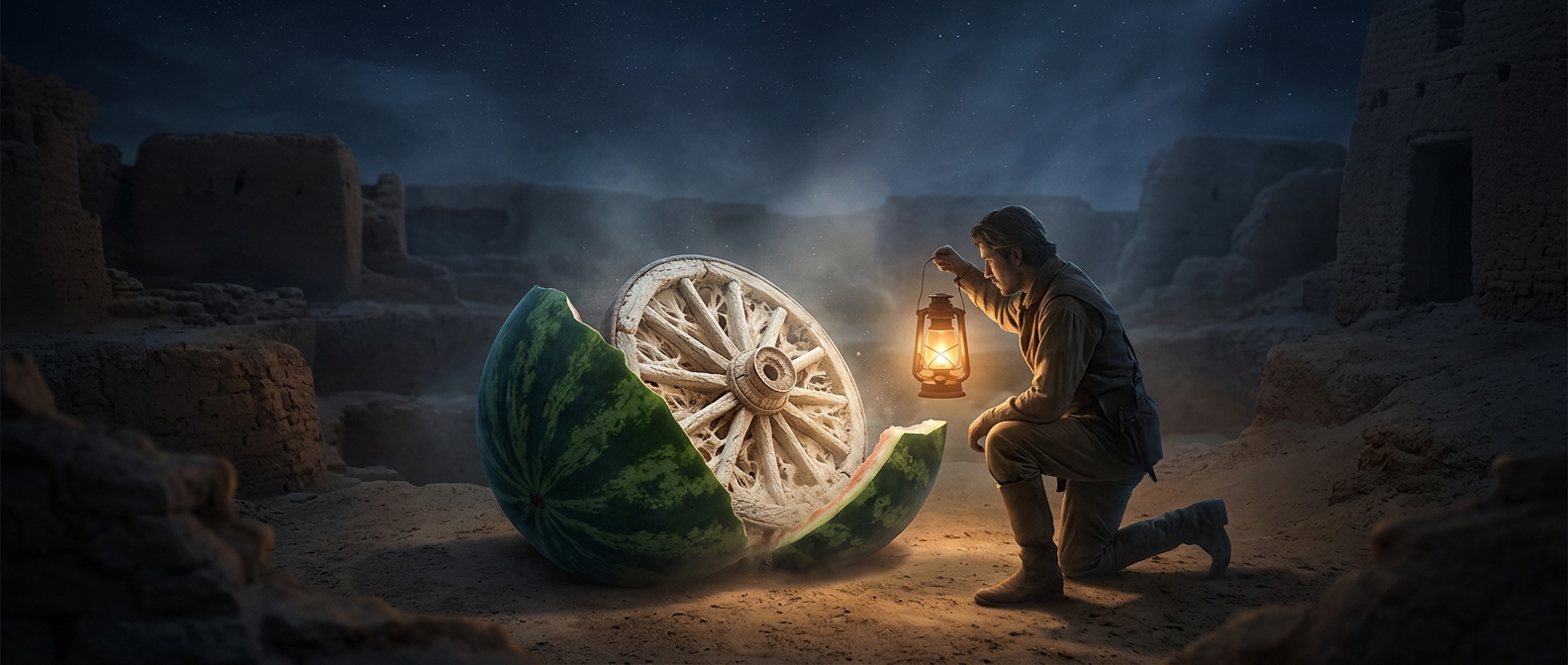
Early watermelons could have a large, thick rind surrounding relatively little pale, bland flesh; some also developed empty spaces inside. For a grower choosing which fruit to save, a melon with more solid, sweet flesh offered a clear advantage as food. Selecting its seeds shifted later crops toward a greater edible portion and a better flavor.
This was not a single transformation or a matter of one person discovering the perfect melon. The traits varied, and improvement accumulated through repeated planting and selection. The familiar red color also reflects changes in the fruit’s pigments, but sweetness and the amount of flesh were separate qualities people could favor as they chose seed.
A crop shaped by what people wanted to eat
The result is a useful example of domestication: human preferences can alter a crop without changing its basic identity. A watermelon still grows from the same kind of plant, but generations of seed-saving made its fruit more rewarding to cut open and share. The thick rind and hollow center were not simply removed; they became less characteristic as growers kept reproducing the melons with more flesh.