A falling space station was hard to aim
Skylab was America’s first space station, but by 1979 its orbit was sinking. Even high above Earth, a trace of atmosphere creates drag. As solar activity heats and expands the upper atmosphere, that drag can increase, slowing a spacecraft and making its descent harder to predict.
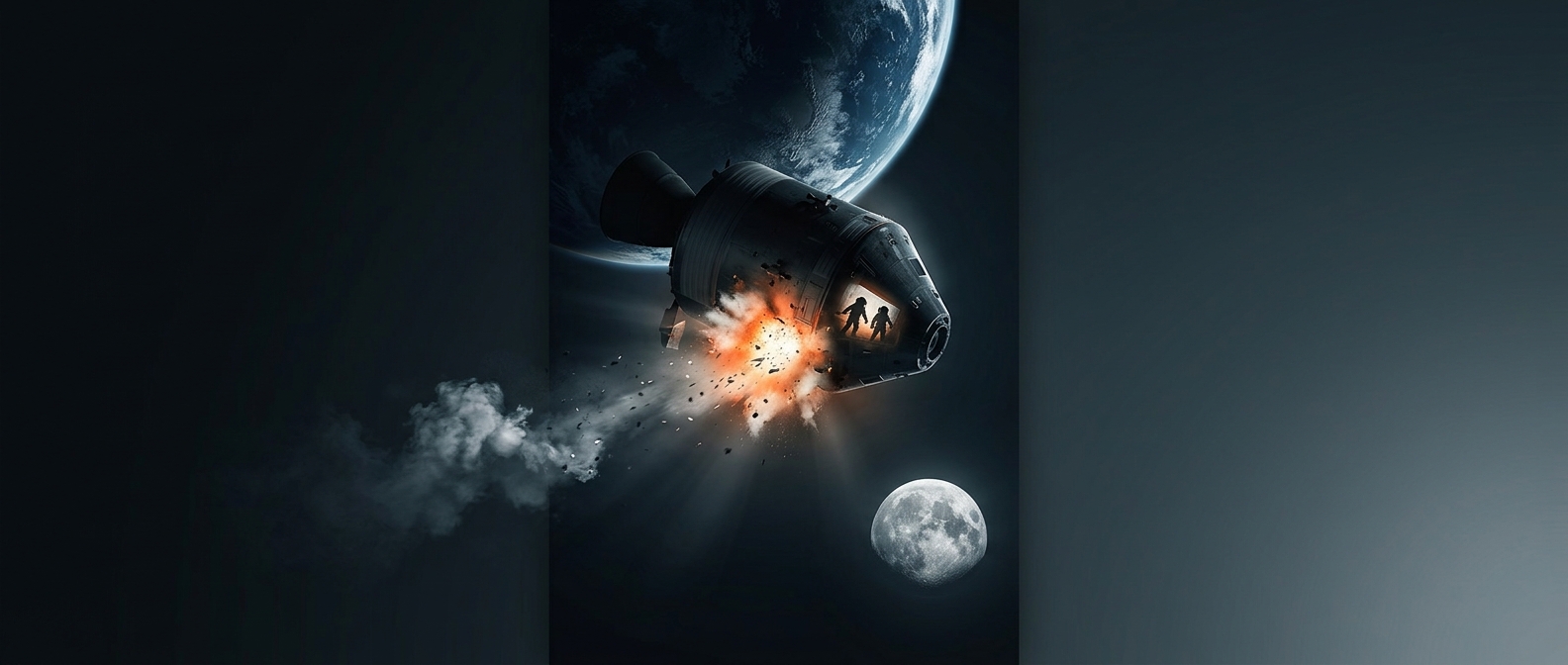
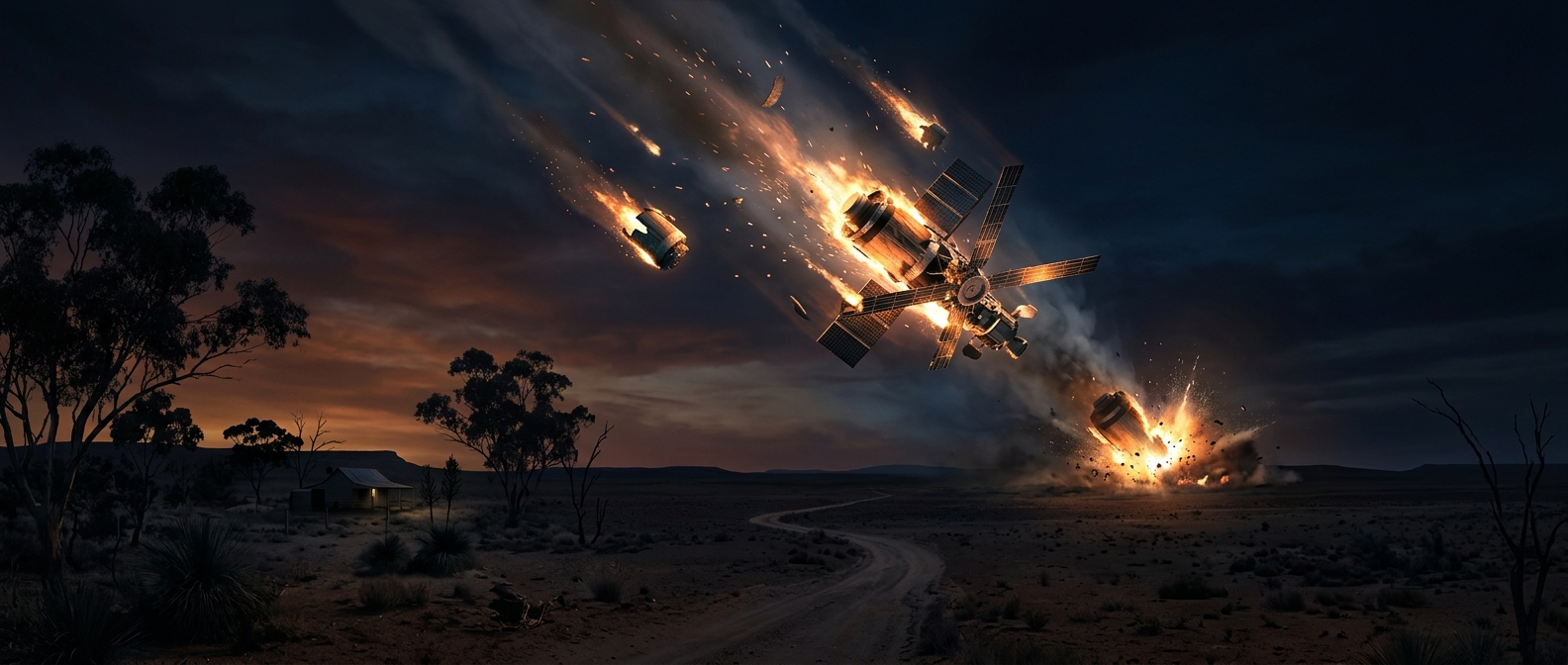
NASA had hoped to guide Skylab’s reentry toward a remote ocean area. But the station had no engine powerful enough to control its fall precisely, and uncertainty over when it would cross the thickest part of the atmosphere left a broad possible landing zone. On July 11, 1979, it broke apart during reentry; surviving pieces fell across parts of Western Australia.
The fine had a long orbit of its own
The Shire of Esperance treated the scattered wreckage as litter and issued NASA a bill for $400. The charge turned an unwelcome local event into a memorable international rebuke: a distant space agency had brought debris down in the shire, but collecting the payment was another matter.
NASA did not pay for three decades. In 2009, listeners to a U.S. radio station raised the money and settled the bill. The episode’s punchline depends on the contrast: Skylab’s hardware crossed the atmosphere in minutes, while its small municipal fine took years—and a crowd of ordinary radio listeners—to reach its destination.