A stunt built around a controlled crash
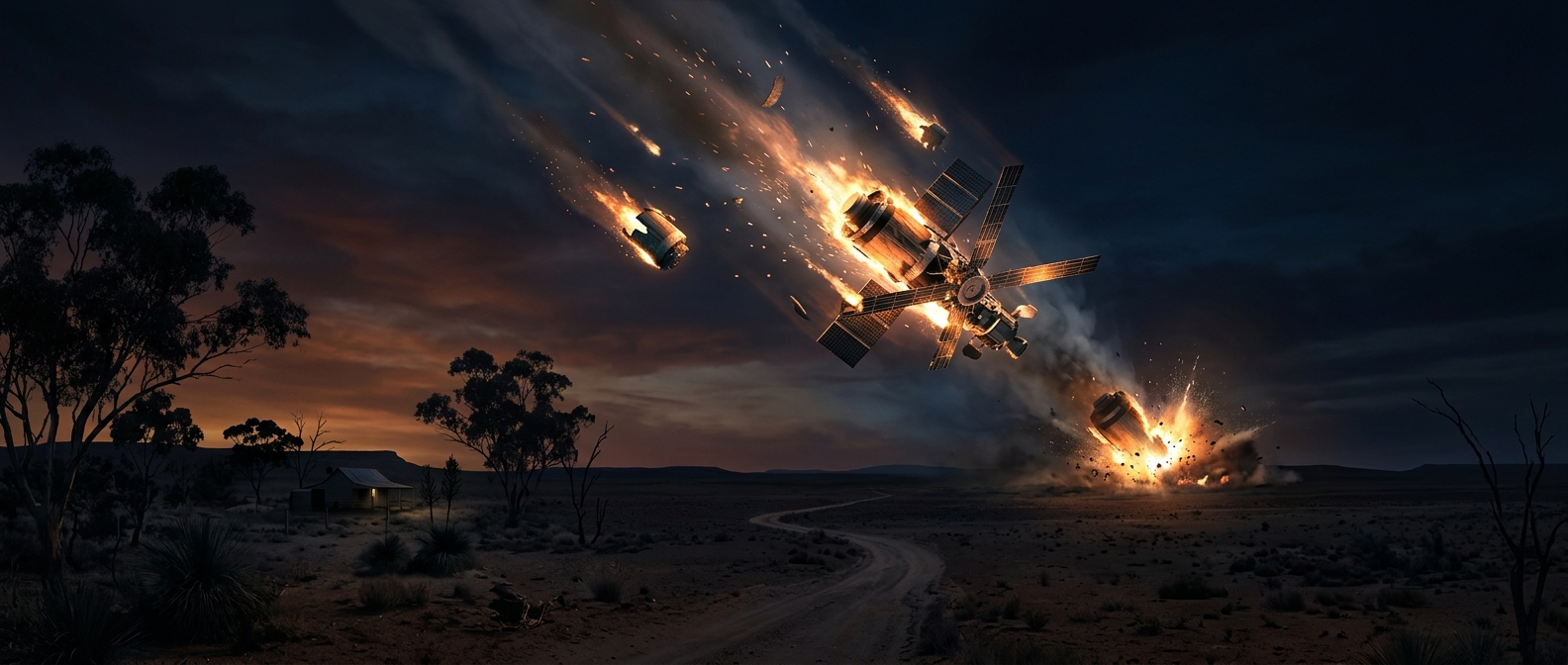
Mir was not simply allowed to fall wherever gravity took it. To end the aging station’s orbit, Russian flight controllers fired its engines to slow it down. That nudge sent it into the atmosphere over a remote stretch of the South Pacific, where air resistance would break it apart and scatter surviving pieces into the ocean.
The process could steer the station’s broad path, but it could not make a large structure arrive intact at a small, exact spot. As Mir plunged through the atmosphere, heating and aerodynamic forces tore it apart. Some debris burned up; heavier pieces continued downward, spreading the impact area rather than landing as one object.
Why a 40-foot bullseye was a long shot
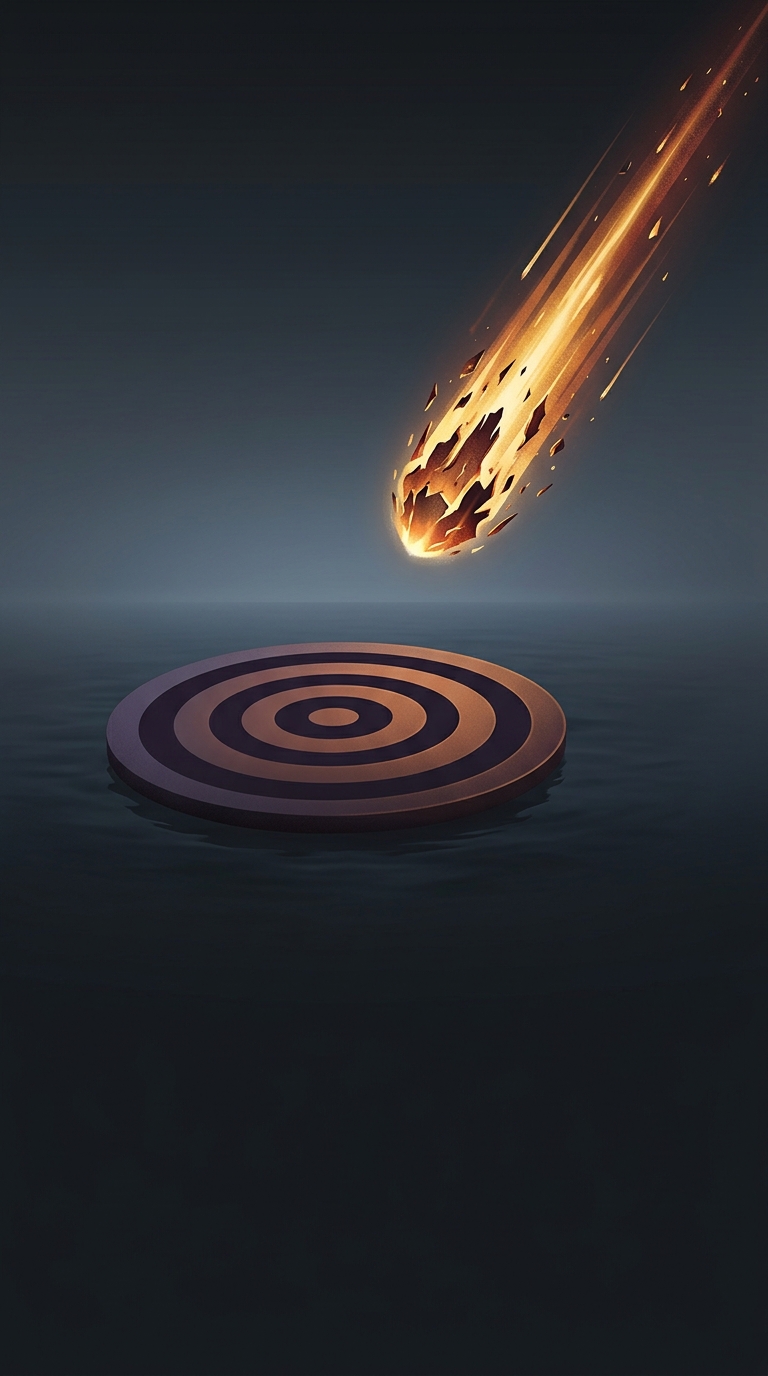
Taco Bell’s promotion made that uncertainty part of the spectacle. The company set up a floating target in the ocean and promised free tacos if any piece of Mir hit it. But a planned reentry zone is not the same thing as a pinpoint landing: controllers could aim the station toward a remote region, not reliably place fragments on a small target within it.
Mir’s debris came down in the Pacific, but none struck the bullseye. That distinction mattered to the promotion: the station could make a successful, deliberately directed descent and still miss the target. The stunt turned a difficult feat of orbital control into an unusually literal question of aim—and left the tacos dependent on a fragment finding a tiny patch of ocean.