A siege broken by water
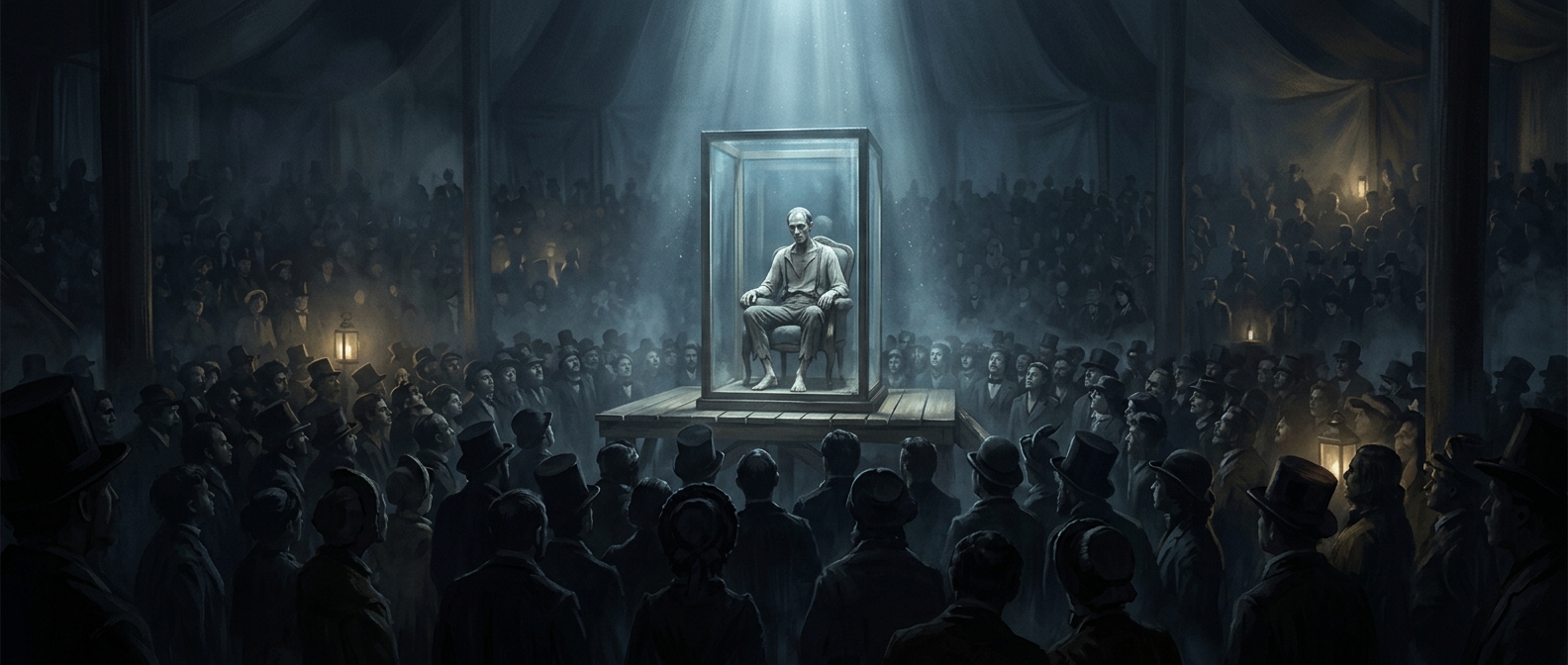
In 1574, Spanish troops surrounded Leiden during the Dutch revolt against Spanish rule. The city’s defenders were running short of food, and ordinary attacks had not ended the siege. Dutch rebels chose a drastic alternative: they opened breaches in the dikes, letting seawater spread across the low-lying countryside.
The flooding turned fields into a broad, shallow waterway. Spanish soldiers, whose positions were threatened by the rising water, withdrew as Dutch relief boats advanced. The gamble helped save Leiden, but it also submerged farmland and put nearby communities at risk. The city was freed on October 3, a date remembered as Leiden’s relief, or Leidens Ontzet.
The stew left behind
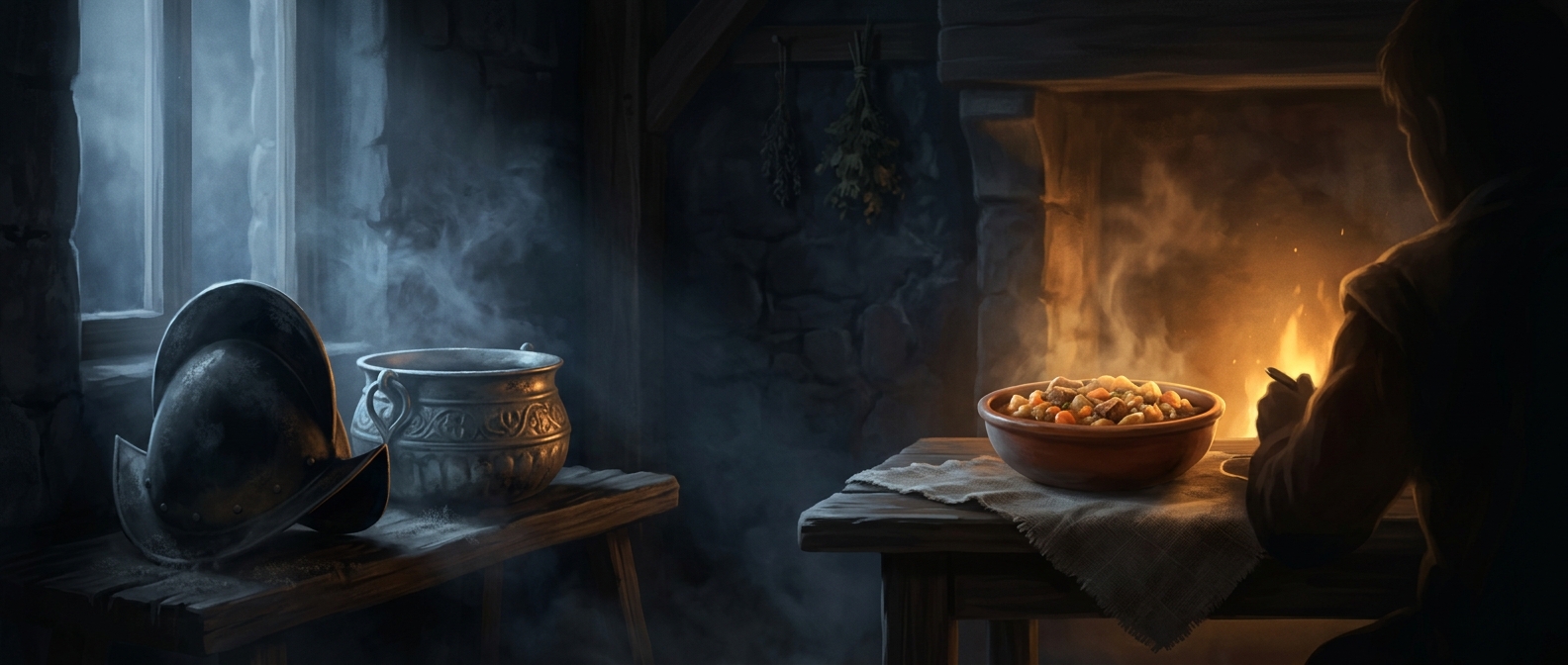
The familiar story says that after the Spanish camp was abandoned, a boy found a pot of hutspot—a thick mixture of mashed carrots, onions, and meat. Leideners adopted the dish as part of their annual commemoration. The pot’s discovery belongs to the traditional account of the liberation; the lasting custom is what matters most to the city’s celebration.
Hutspot makes the victory tangible: instead of remembering only military maneuvers and flooded land, people can point to a simple meal associated with the moment the besiegers fled. Each October, the dish connects the city’s table to the desperate choice that helped bring relief.