History
Discover facts about history. Small discoveries that change the way you see familiar things.
History

A Soviet undersea cable carried conversations into an American recorder
During Operation Ivy Bells, U.S. submarines serviced a recording device placed on a Soviet communications cable on the seafloor. In 1981, Soviet vessels…
Discover more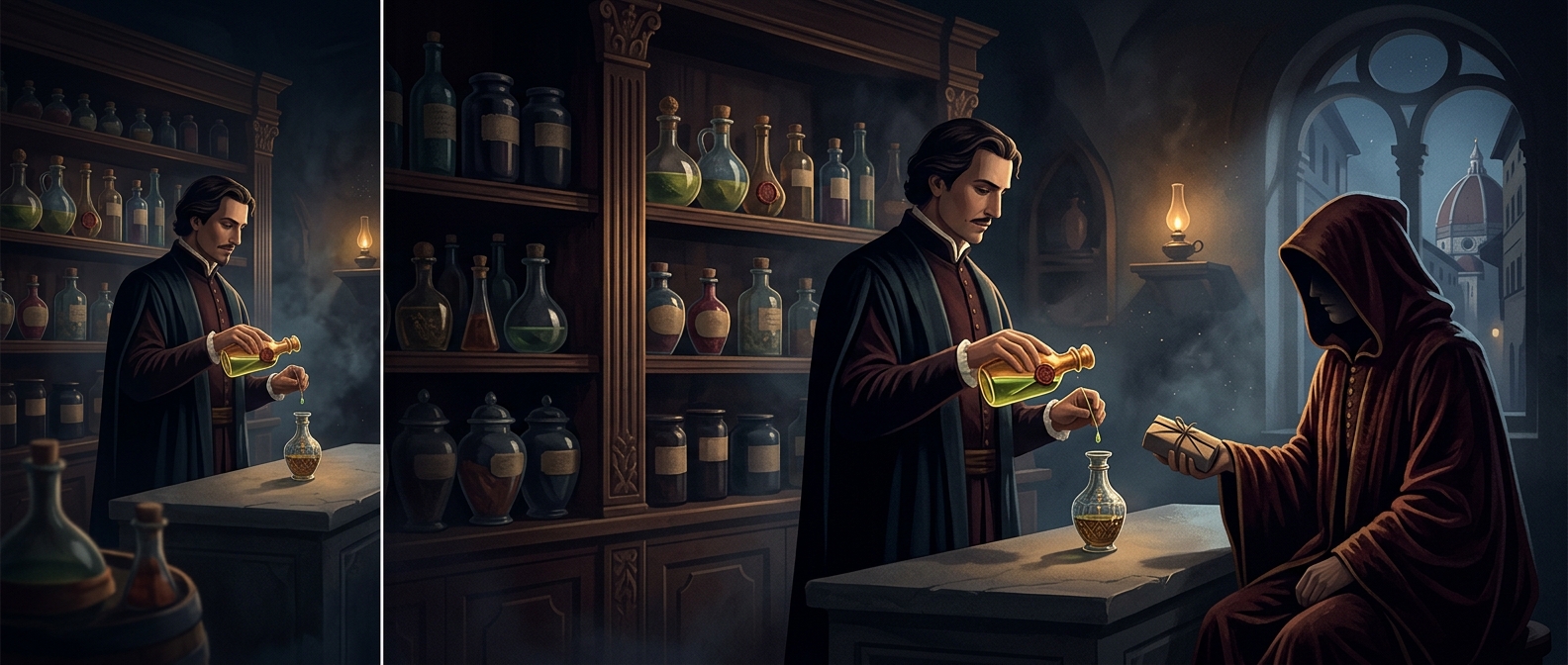
The Renaissance shop that sold cures and poisons
Apothecaries prepared their own ingredients, so the same shop could handle herbal remedies and toxic compounds. The guild regulated the people making both the…
Discover more
The Arctic flight that pushed an airplane to its limits
When oxygen tanks failed and the windshields iced over, the crew still had to keep the engine running. For more than 60 hours, they pumped antifreeze by…
Discover more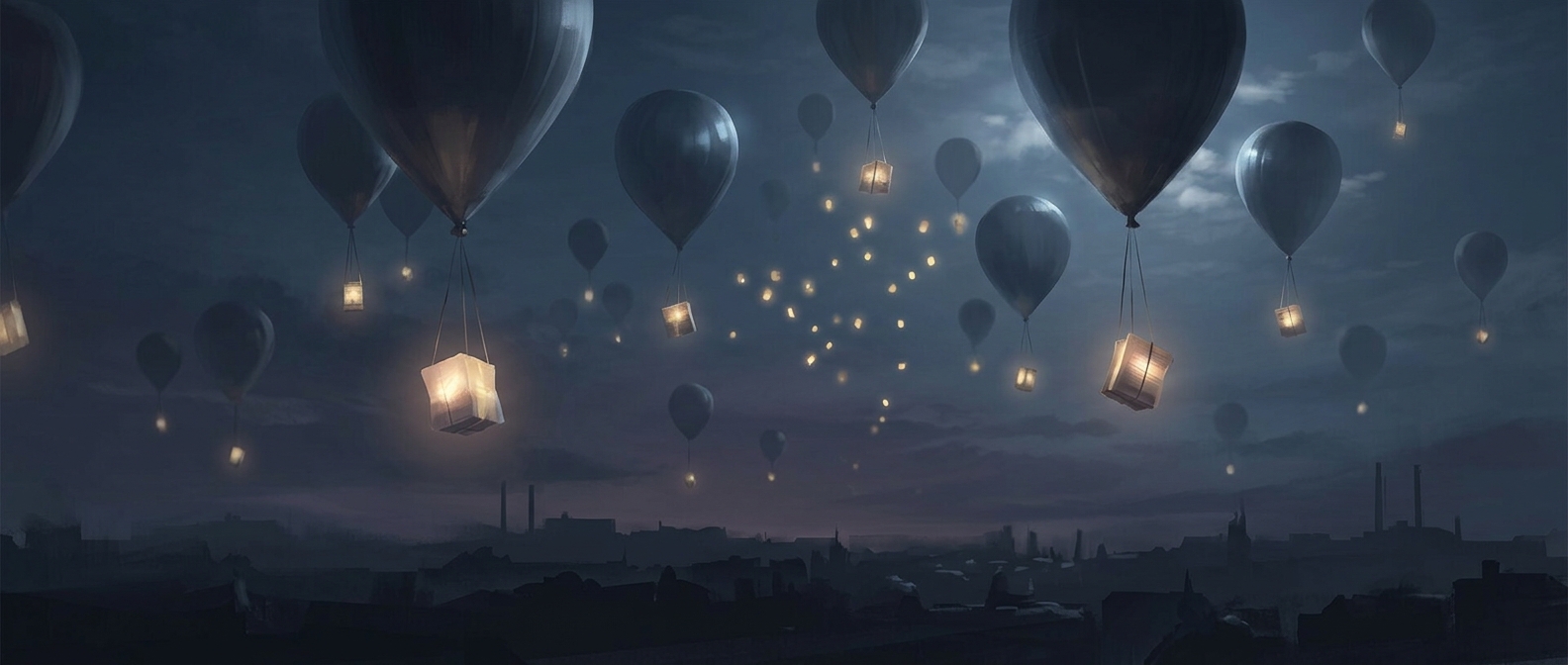
The CIA’s strange Cold War leaflet balloons
When Soviet jamming disrupted Radio Free Europe, CIA-funded operatives sent high-altitude balloons over the Iron Curtain instead. At set heights, the balloons…
Discover more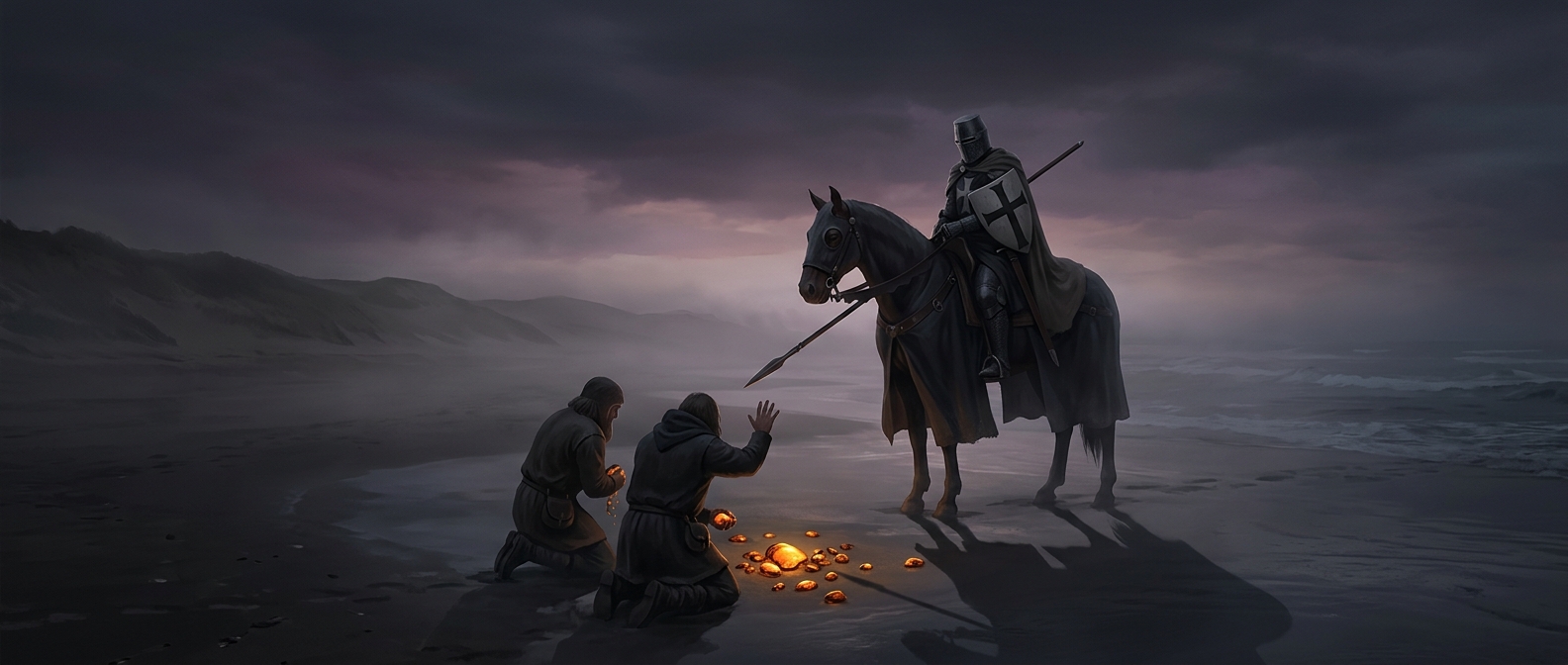
The Teutonic Order claimed a monopoly on Baltic amber
In the medieval Baltic, the order controlled amber gathering and trade, treating valuable material washed ashore as its property. Collection was supervised by…
Discover more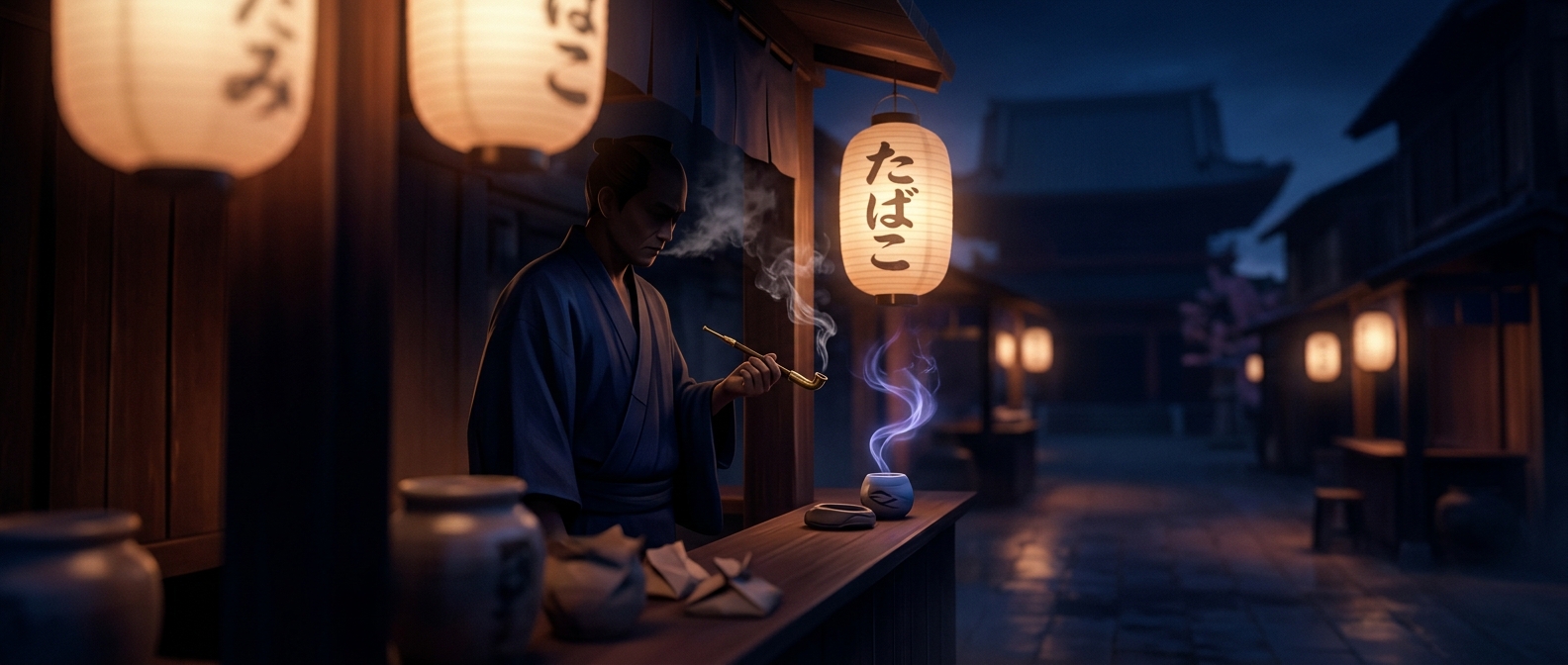
Edo's Asakusa turned a temple visit into a day out
The area around Sensō-ji drew commerce and entertainment alongside religious visitors. Stalls and attractions gave people reasons to linger after worship. A…
Discover more STACKY FOR IPHONE
A bigger world.
One discovery
at a time.
Keep discovering with Stacky. Interesting facts in an app that is always within reach.
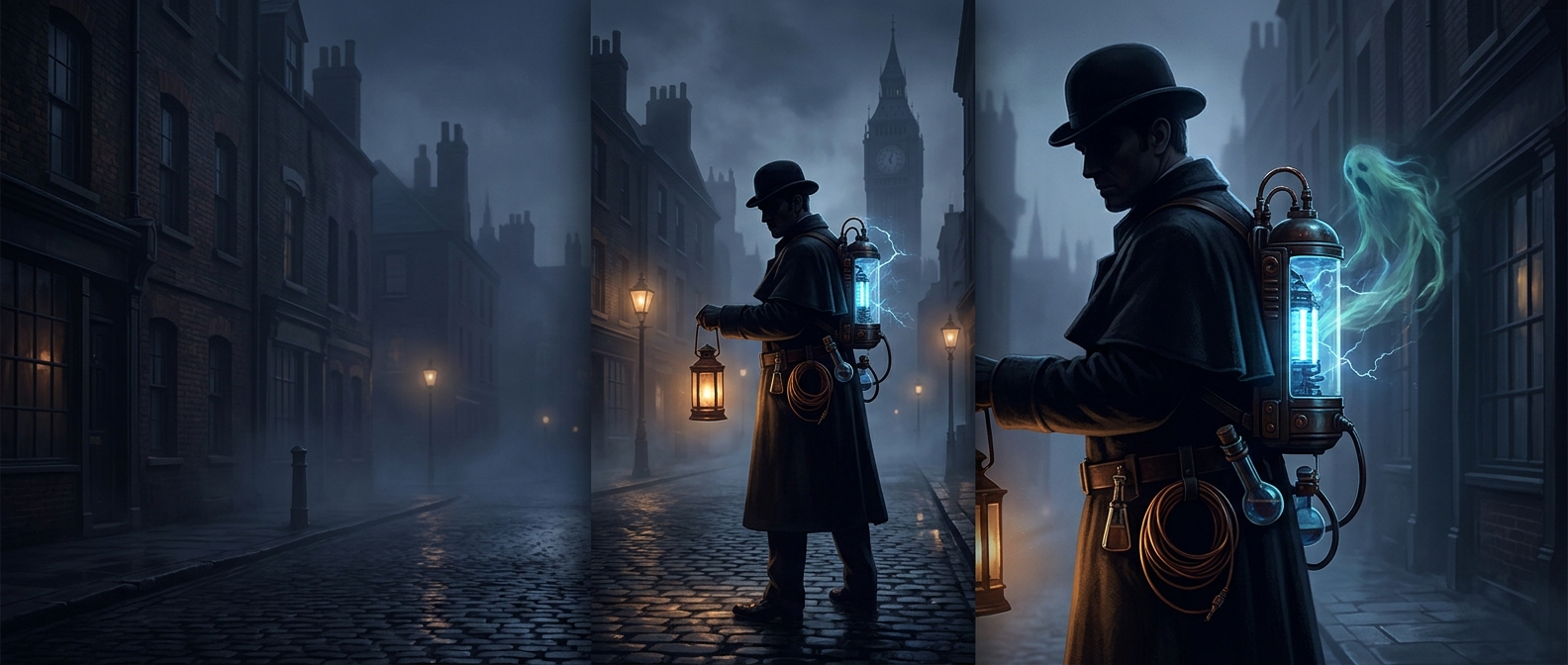
Houdini helped put a famous medium's powers on trial
Scientific American offered prize money for convincing demonstrations of psychic phenomena, and Houdini joined its investigation of the medium known as…
Discover more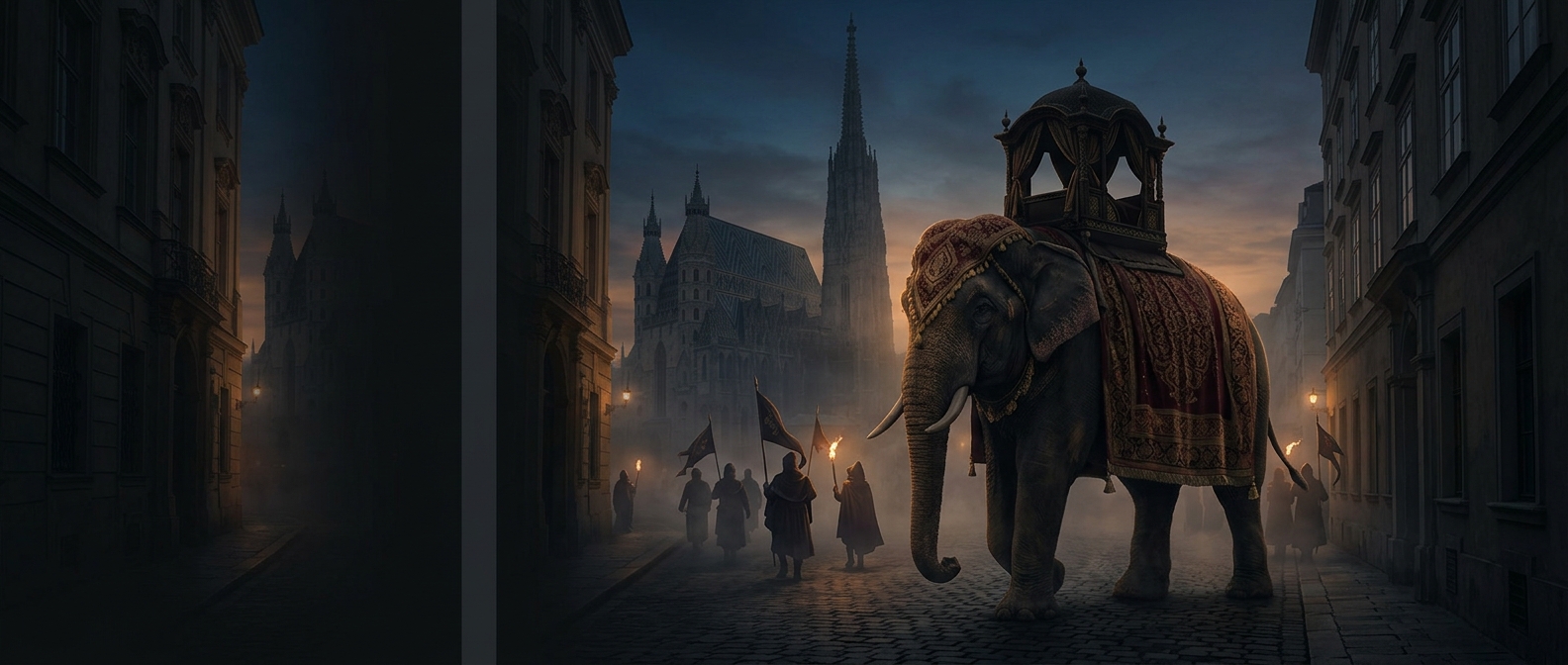
An elephant crossed the Alps on its way to the Habsburg court
Soliman reached Vienna in 1552 after a journey from Portugal through Italy. His passage made enough of an impression that places along the route commemorated…
Discover more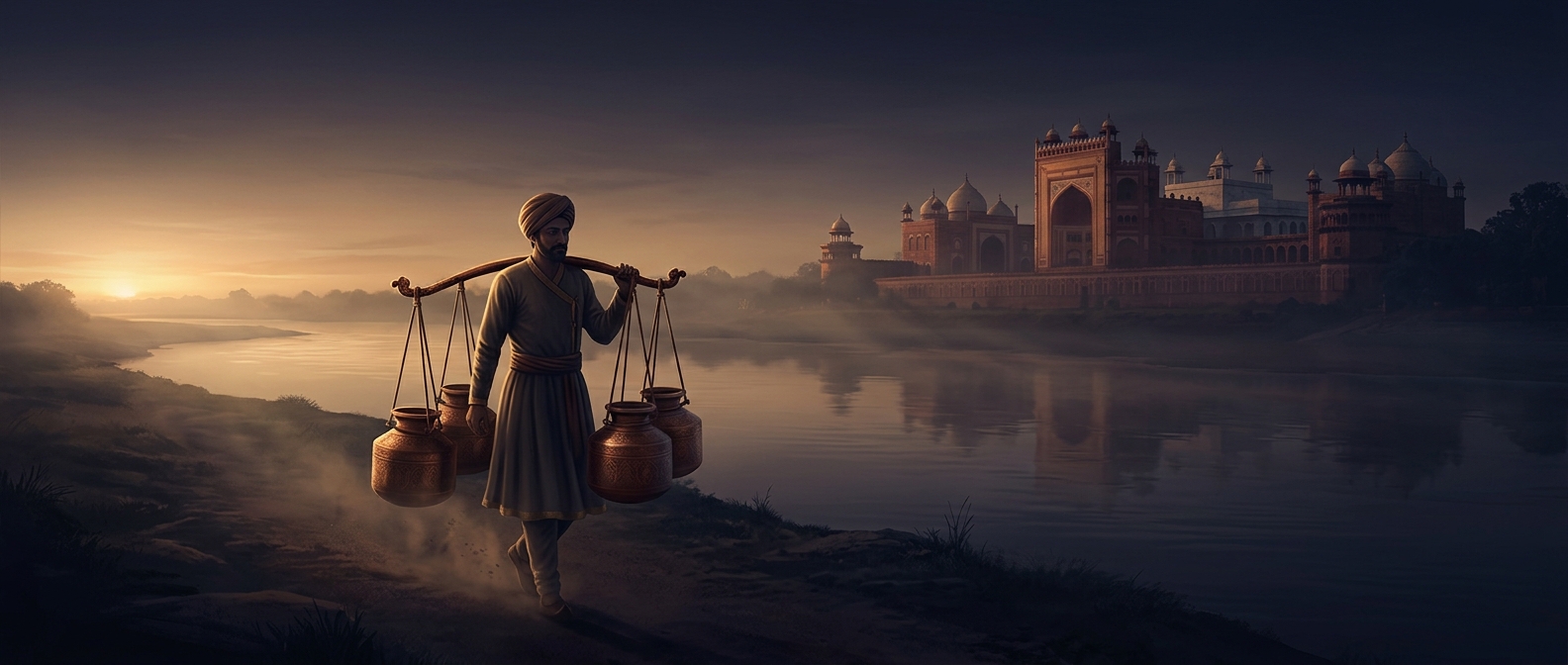
Akbar's royal kitchen required Ganges water daily
Even when his court was hundreds of miles from the river, Akbar had Ganges water hauled in for drinking. His kitchen sealed dishes in dough and sent them…
Discover more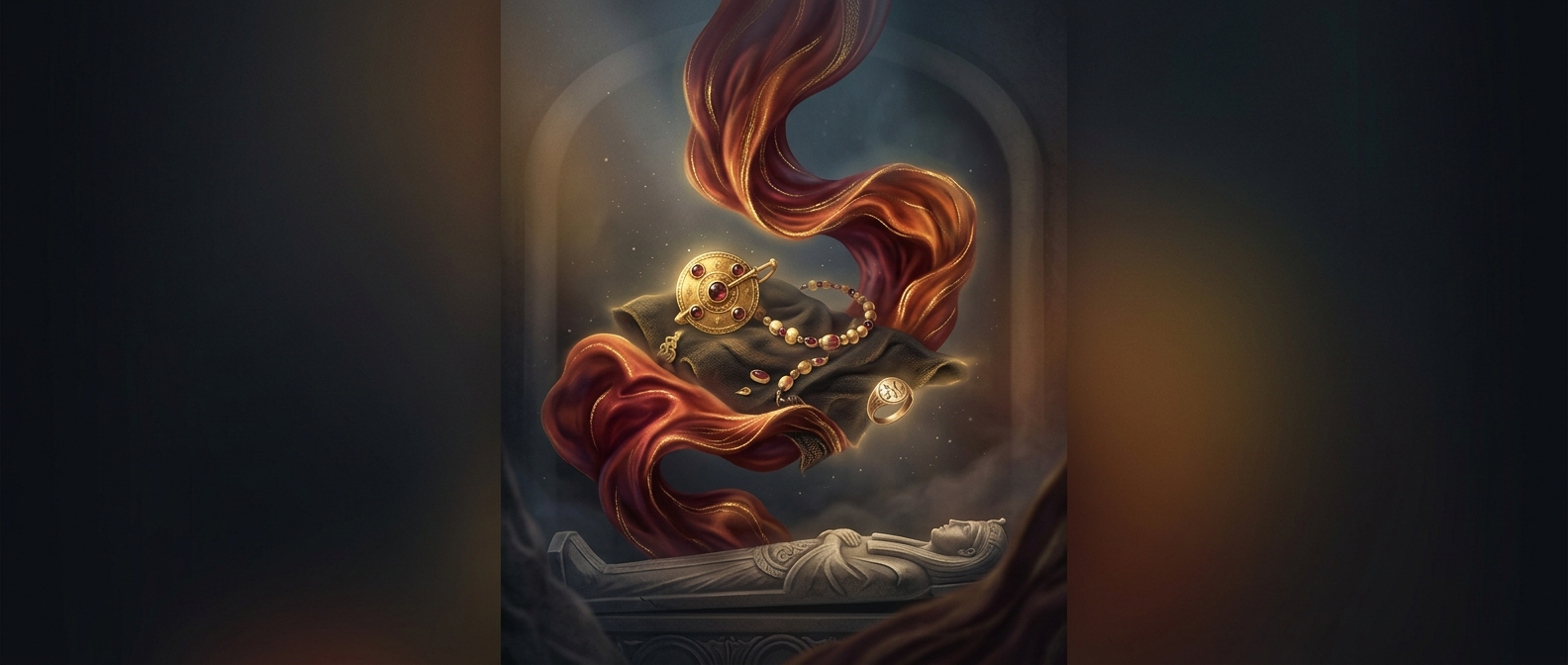
Queen Arnegunde's silk and gold wardrobe
Arnegunde was buried in Byzantine silk, violet tunics embroidered with gold, and garters fastened with silver buckles. Her wardrobe shows the luxury goods…
Discover more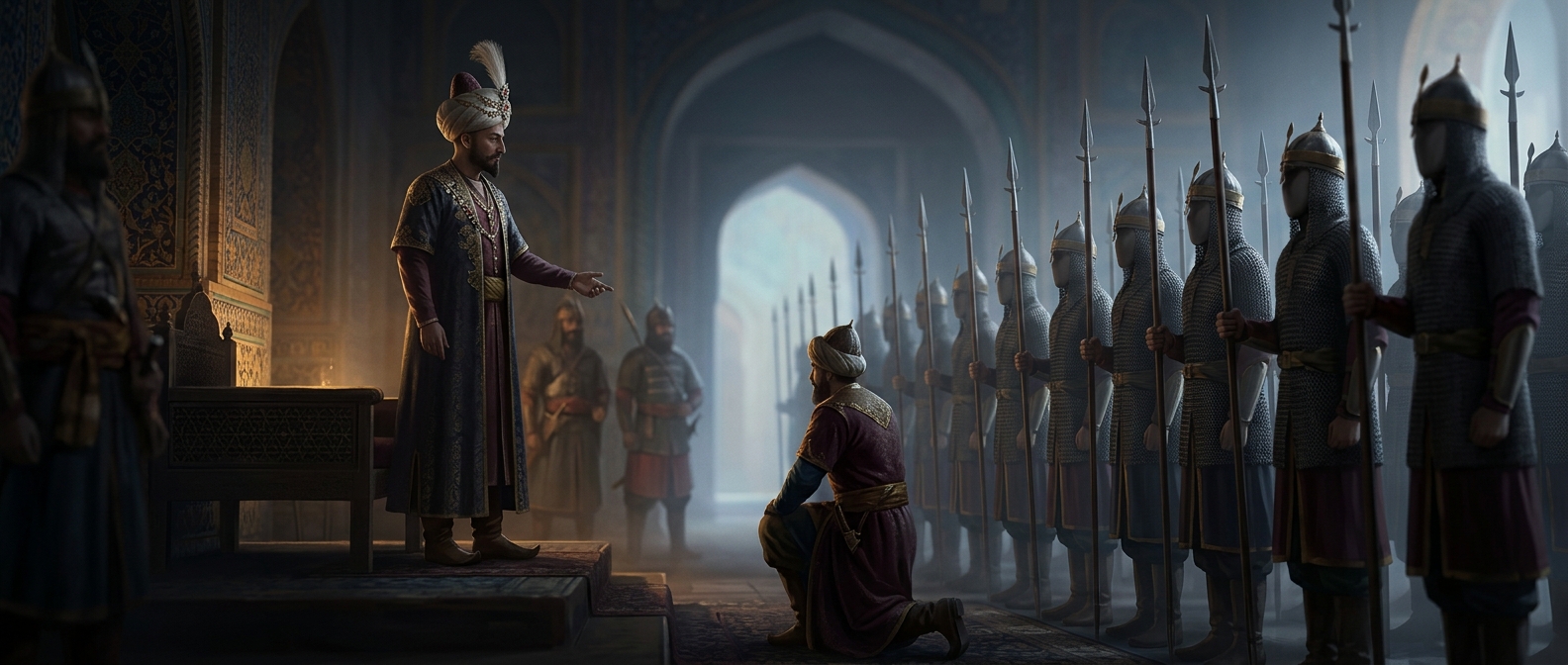
Shah Abbas I and his Georgian eunuch army
To weaken the powerful Qizilbash tribal elite, Shah Abbas built a new military and administrative class from enslaved Christian boys, who were converted to…
Discover more
Umayyad desert castles as luxury outposts
The compounds let caliphs extend their reach beyond the cities: they could host officials, support farming, and shelter troops in one place. Baths and mosaics…
Discover more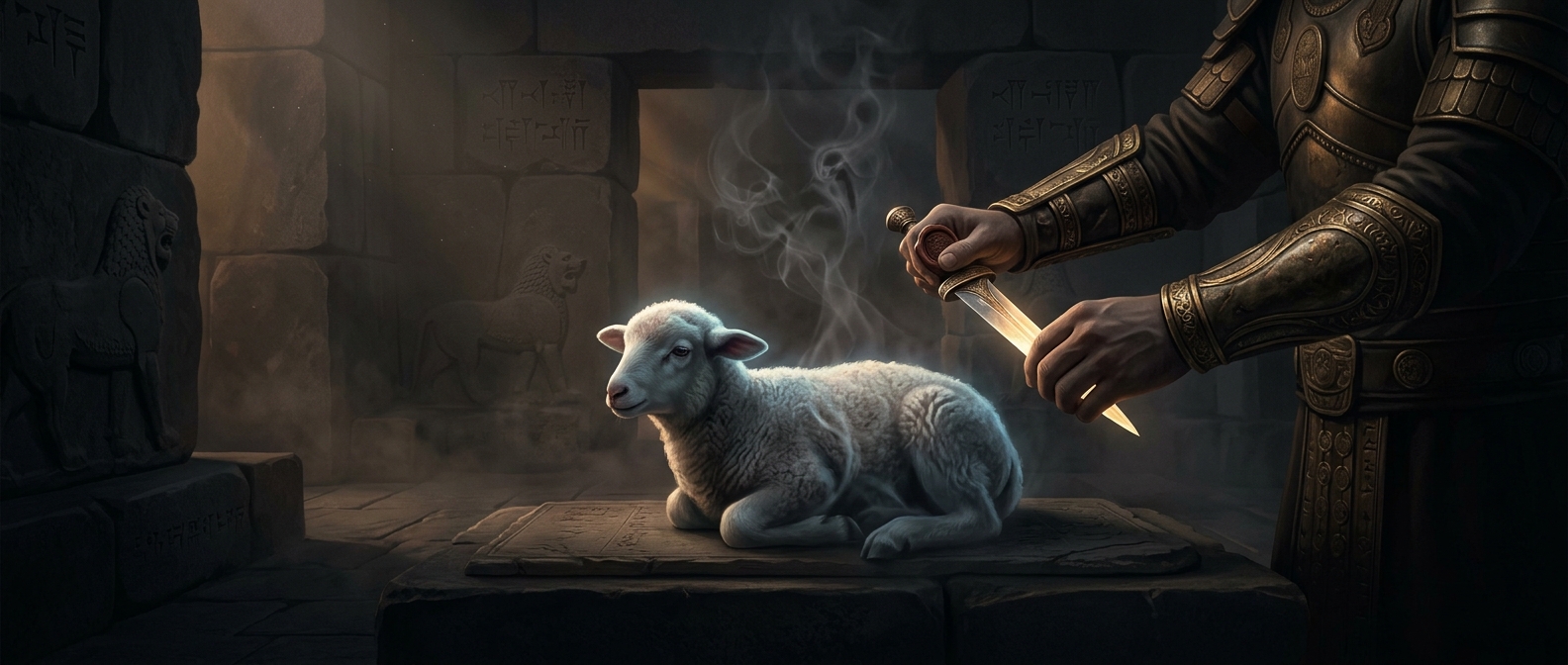
Assyrian loyalty oaths came with elaborate divine threats
Esarhaddon's succession treaty required officials to support his chosen heir and attached curses to betrayal. The text invoked disasters against oath-breakers…
Discover more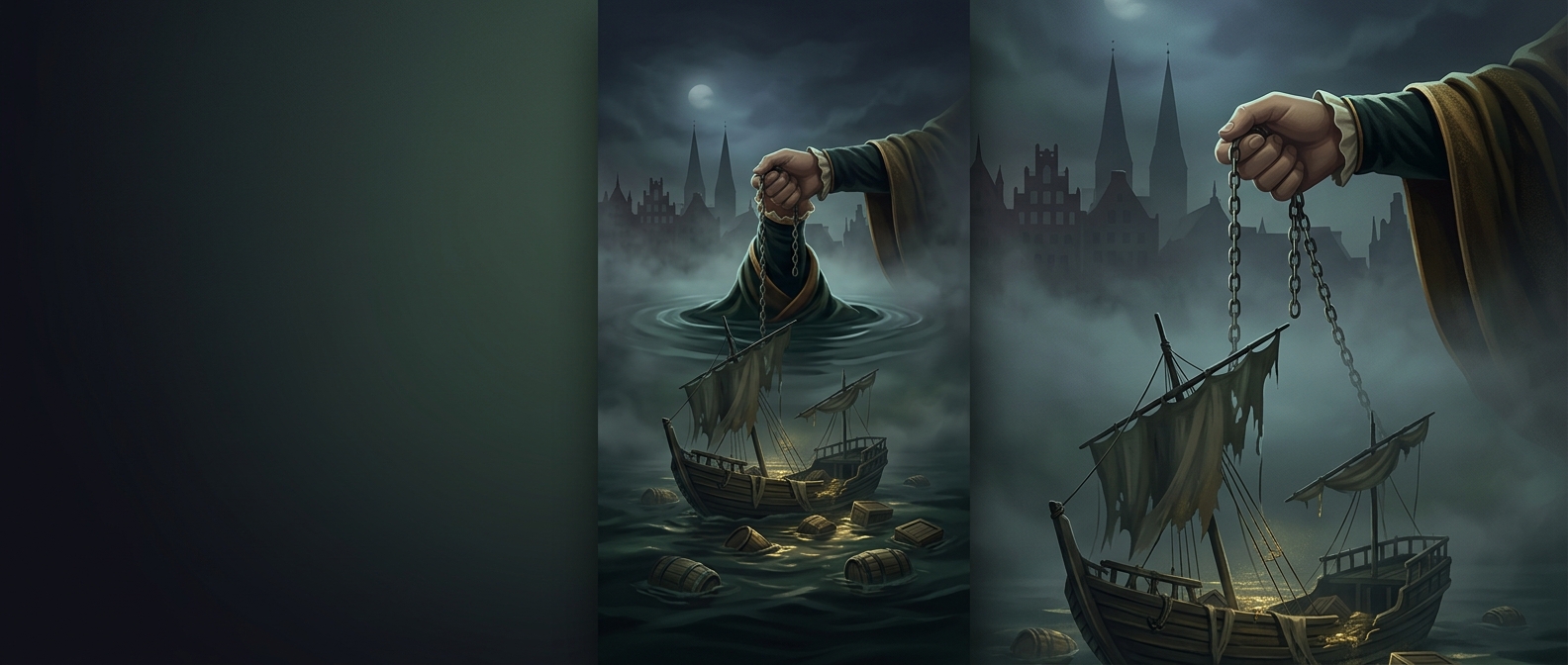
Lubeck merchants profited off Baltic shipwrecks
Under strand laws, a shipwreck’s cargo could become the local lord’s property once it washed ashore. Lübeck merchants needed paperwork to prove…
Discover more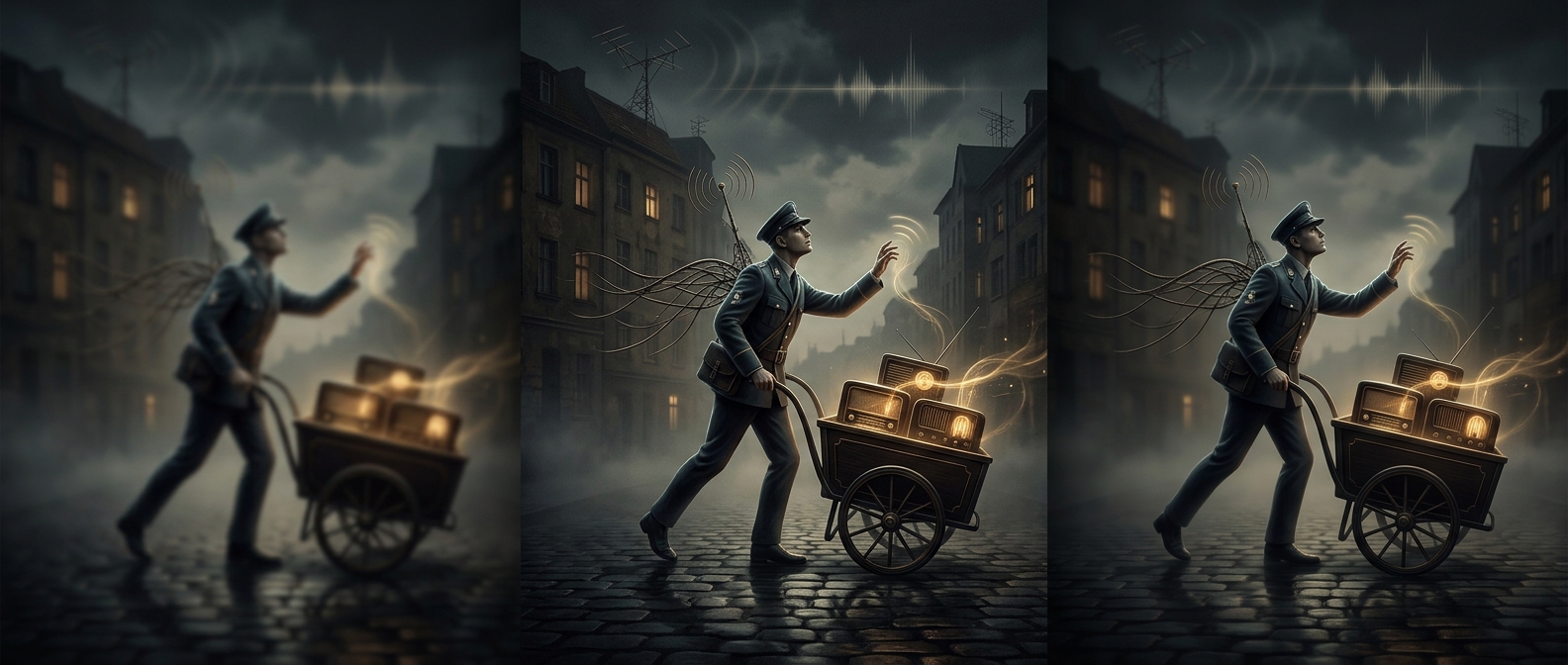
Germany's post office also controlled the radio dial
In the 1920s, the Reichspost handled broadcasting licenses, fees, transmitters, and technical operations. Receiving a broadcast was not simply a matter of…
Discover more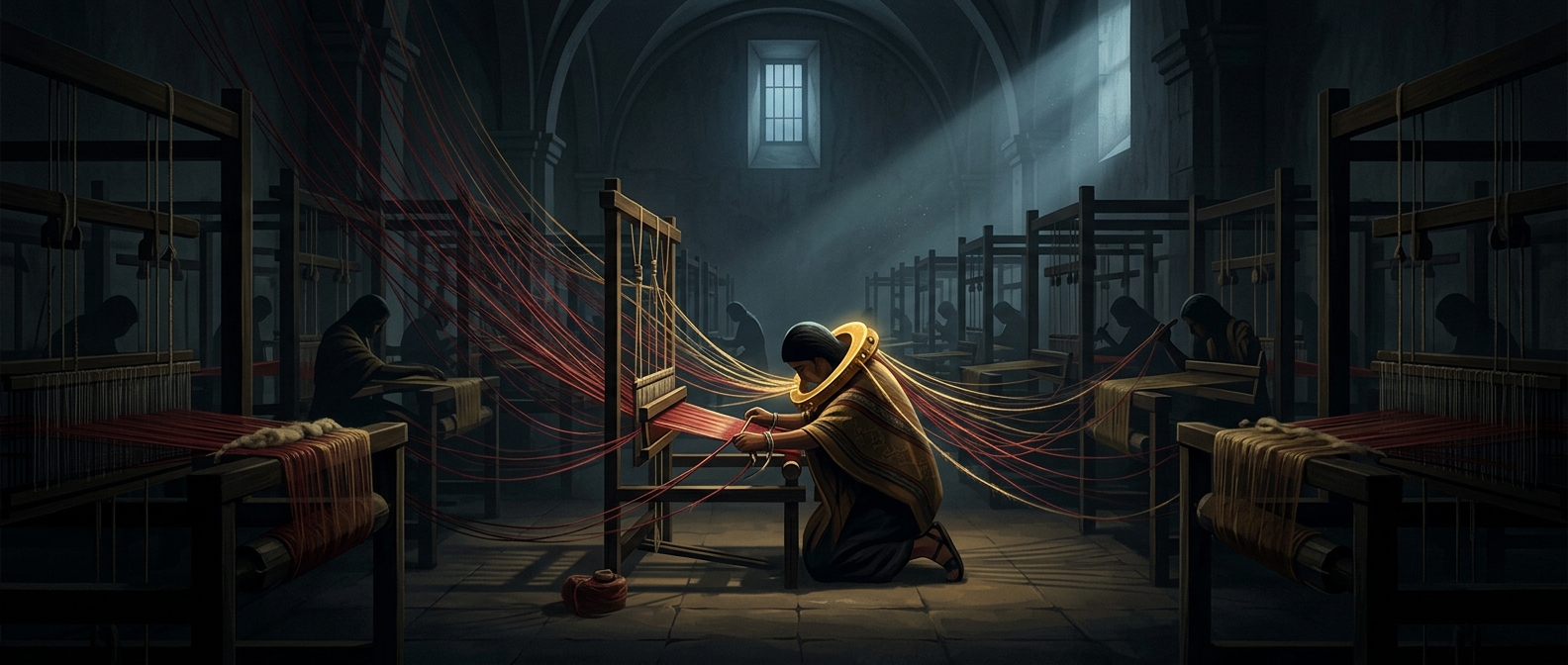
Spanish obraje sweatshops exploited indigenous weavers
Spanish colonizers repurposed the Inca labor tax into a forced workforce for locked textile workshops. Indigenous men, women, and children were made to weave…
Discover more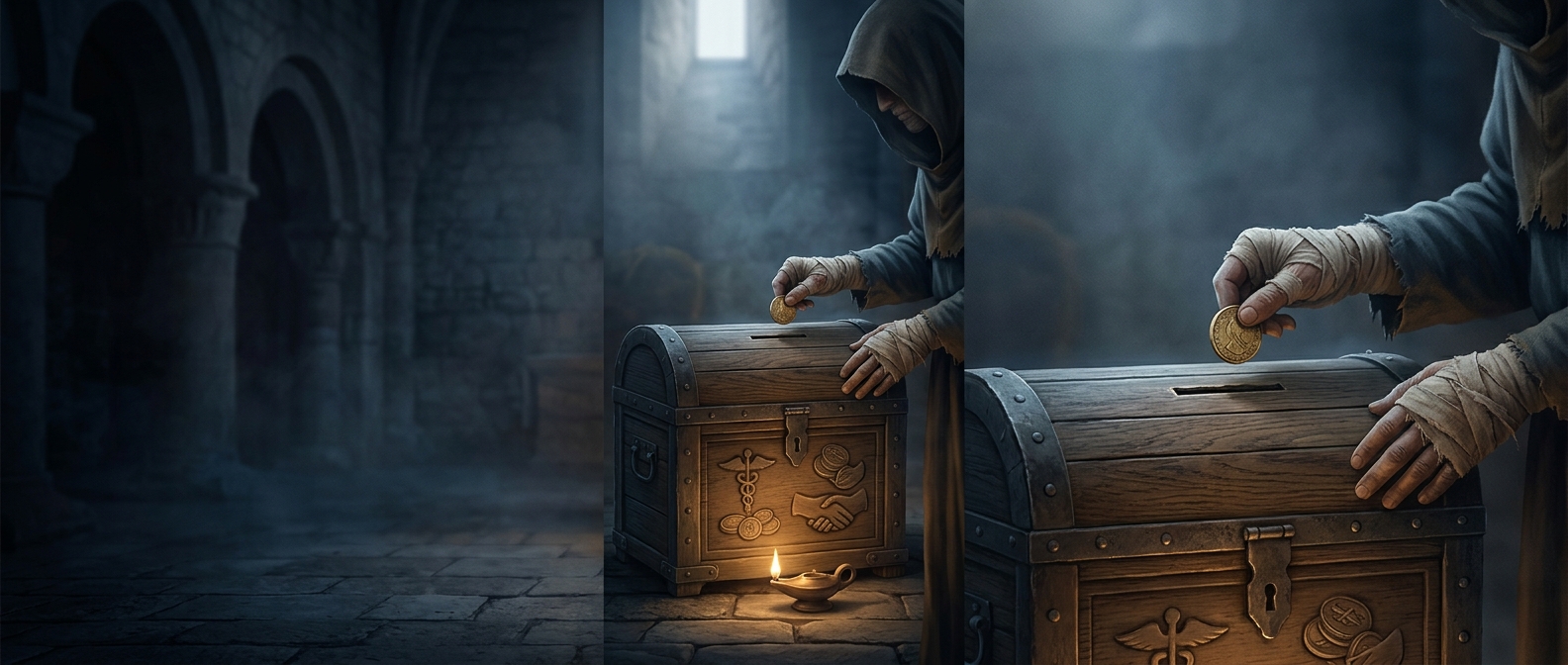
A medieval hospital could live on rent
Charitable land grants gave some hospitals an income beyond coins handed over at the door. Tenants worked or occupied the property and paid the institution,…
Discover more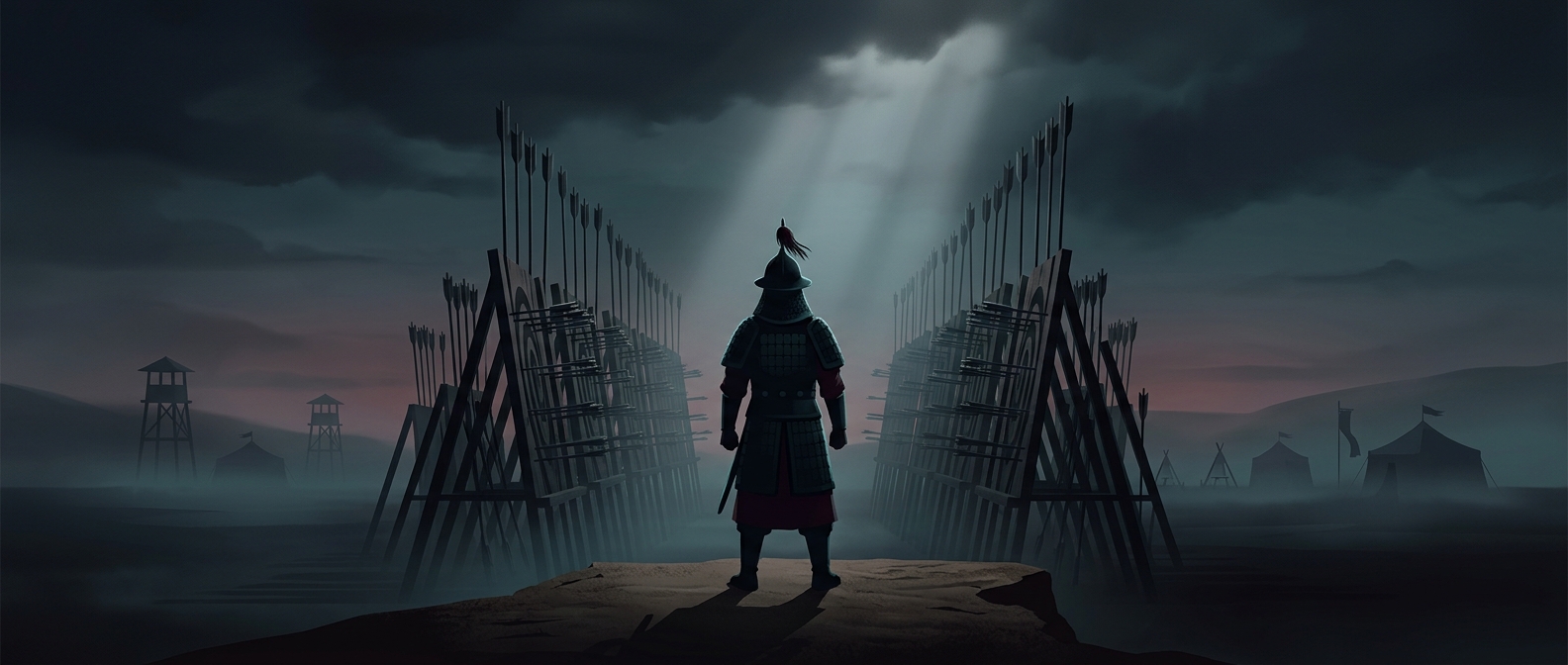
Qing soldiers faced brutal monthly archery quotas
Commanders feared the elite Eight Banner soldiers would lose their fighting skills, so they required monthly archery practice. Miss the quota, and the penalty…
Discover more
Kilwa built a trading city's monuments from coral stone
The ruins of Kilwa Kisiwani include a Great Mosque constructed with coral and lime mortar. Domes and vaults covered a major place of worship in a city tied to…
Discover more
How Petra turned deadly floods into drinking water
In a desert city, flash floods were both a danger and a rare source of water. The Nabataeans diverted them through hidden dams and terracotta pipes into…
Discover more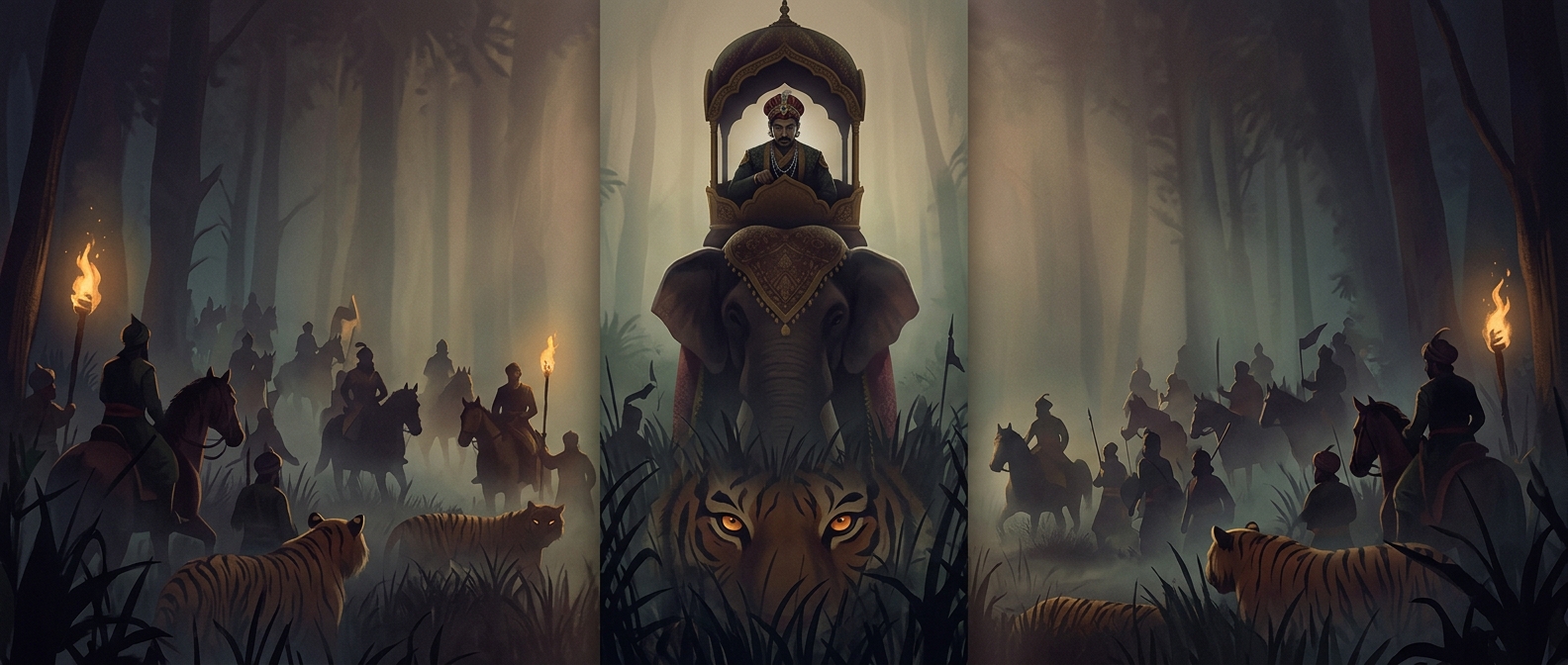
Akbar used tiger hunts to test his generals
Instead of openly mobilizing an army, Akbar used the qamargha as a live test: tens of thousands of cavalrymen formed a circle and drove thousands of animals…
Discover more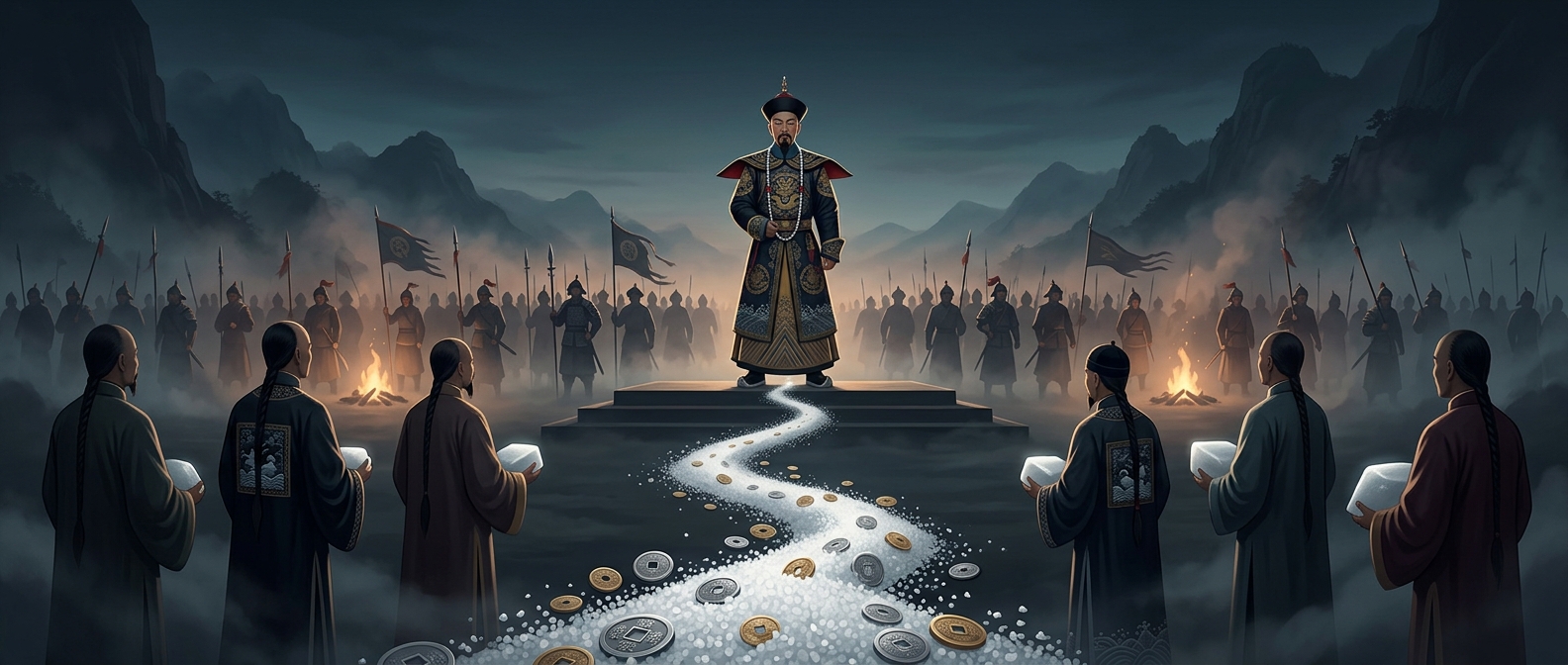
How salt merchants funded an emperor’s wars
Qing-licensed salt merchants in Yangzhou held lucrative monopolies, and their wealth helped fund Emperor Qianlong's military campaigns and southern inspection…
Discover more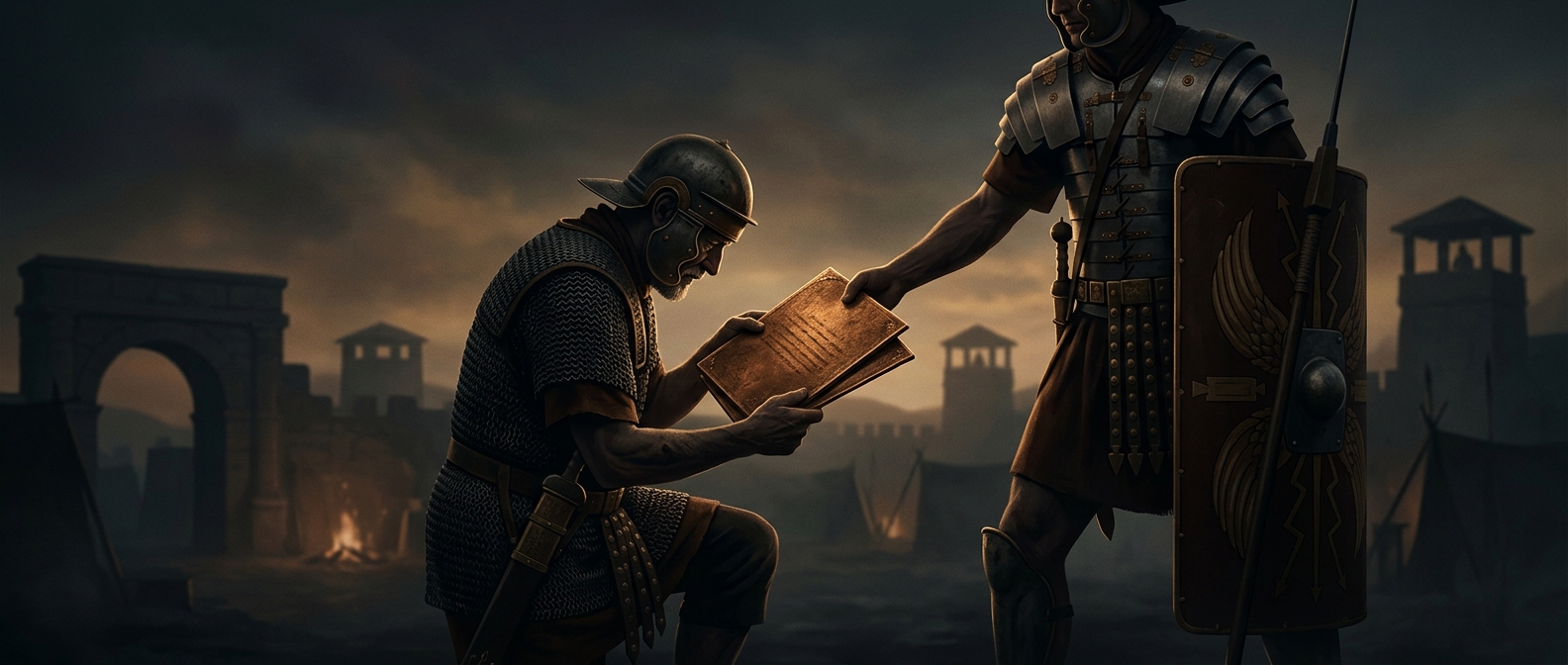
Roman soldiers got citizenship on bronze diplomas
Rome made citizenship a reward for 25 years of auxiliary service. Veterans received two inscribed bronze tablets wired together, extending citizenship to…
Discover more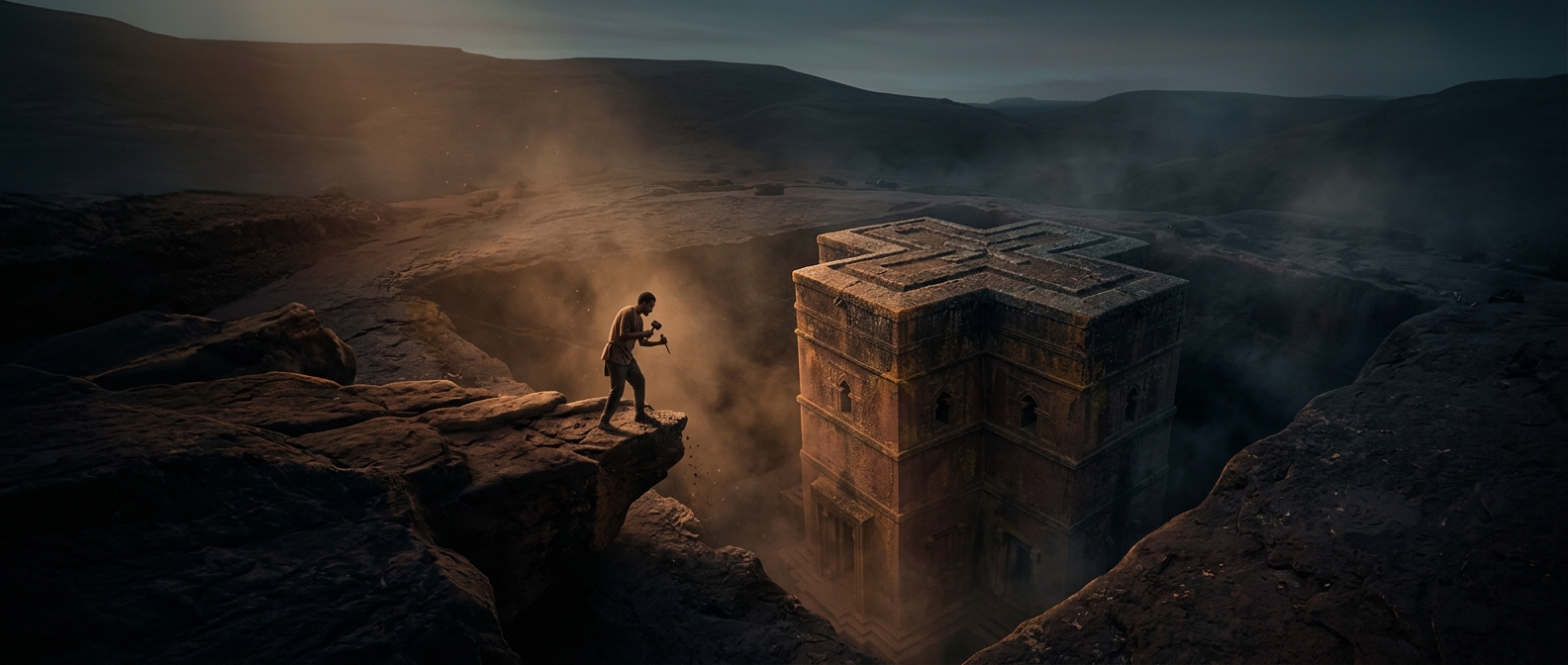
The churches carved downward into solid rock
Workers removed the volcanic bedrock around each structure instead of stacking bricks to build it. The result was 11 churches carved downward into the earth,…
Discover more