A long-distance flight with no easy way down
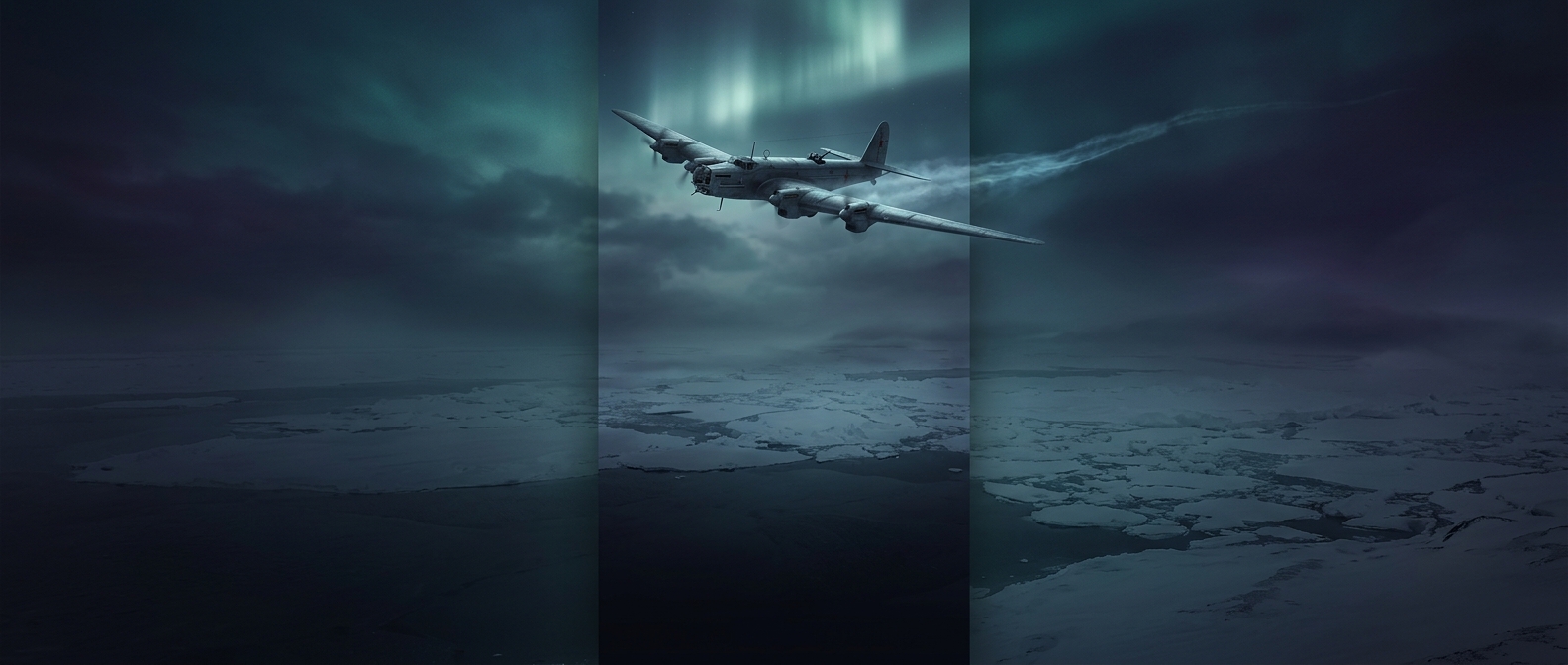
In 1937, a Soviet crew attempted a record-setting flight across the Arctic in the ANT-25, a single-engine aircraft built for exceptional range. The polar route saved distance, but it traded familiar landmarks and safer alternatives for vast stretches of cold, remote terrain. Once airborne, the crew had to keep the aircraft functioning for hour after hour, with few options if a system failed.
Why the windshield needed a hand pump
At high altitude, the crew depended on oxygen equipment, and the tanks failed. Meanwhile, moisture freezing on the windshields threatened their ability to see. The crew’s improvised defense was to pump antifreeze over the glass by hand—a repetitive task that had to continue while they also flew and monitored the airplane.
Antifreeze lowered the temperature at which water freezes, helping keep the viewing area clear. But it was not an automatic fix: someone had to keep pumping it. In a cramped aircraft on a punishingly long flight, that meant turning a mechanical problem into a sustained human workload.
Keeping the engine running became essential
The engine was the aircraft’s sole source of propulsion, so the crew could not simply shut it down to deal with other problems. They had to preserve its operation while coping with failing oxygen equipment, icing, and fatigue. The flight’s endurance therefore depended not just on the ANT-25’s range, but on the crew continually compensating when its systems could not do the job alone.
For more than 60 hours, the aircraft’s progress rested in part on a crew member repeatedly working a hand pump—an unusually literal example of human effort keeping a machine in the air.