A camera carried by the wind
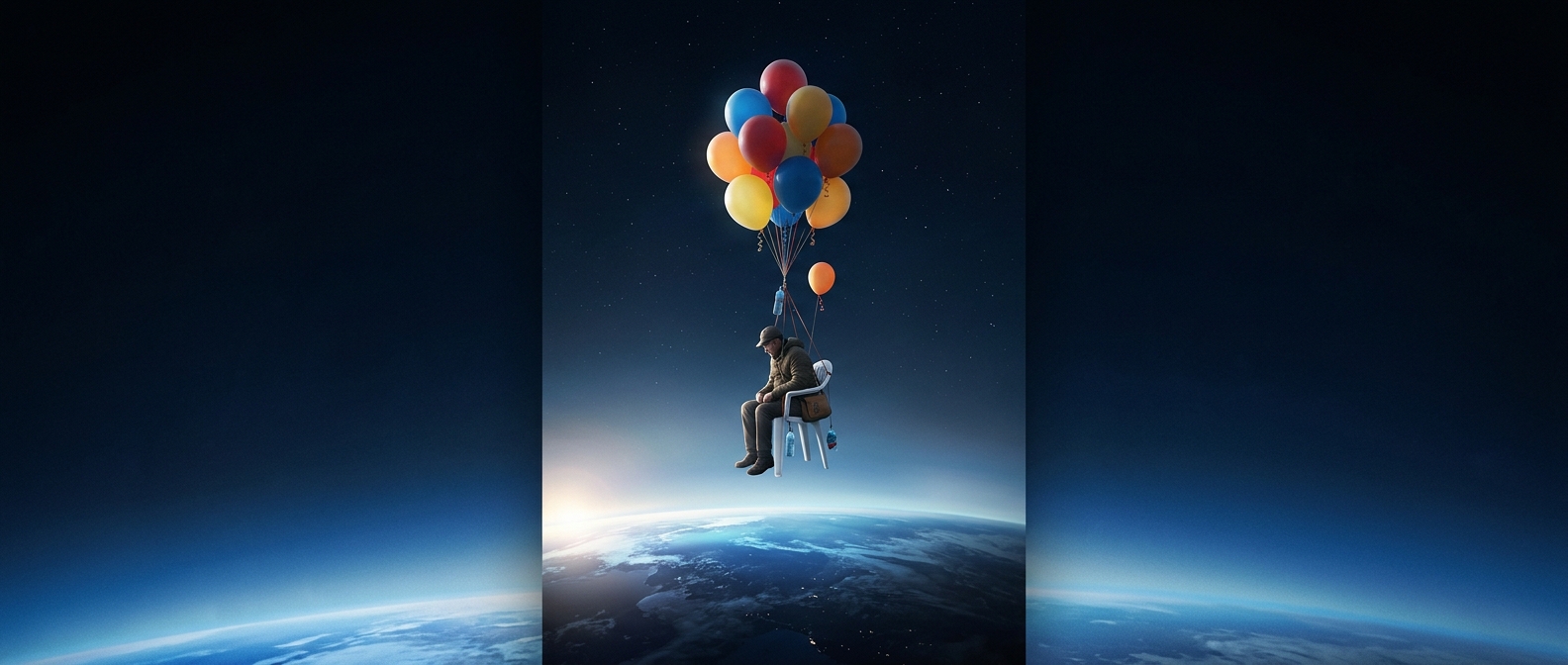
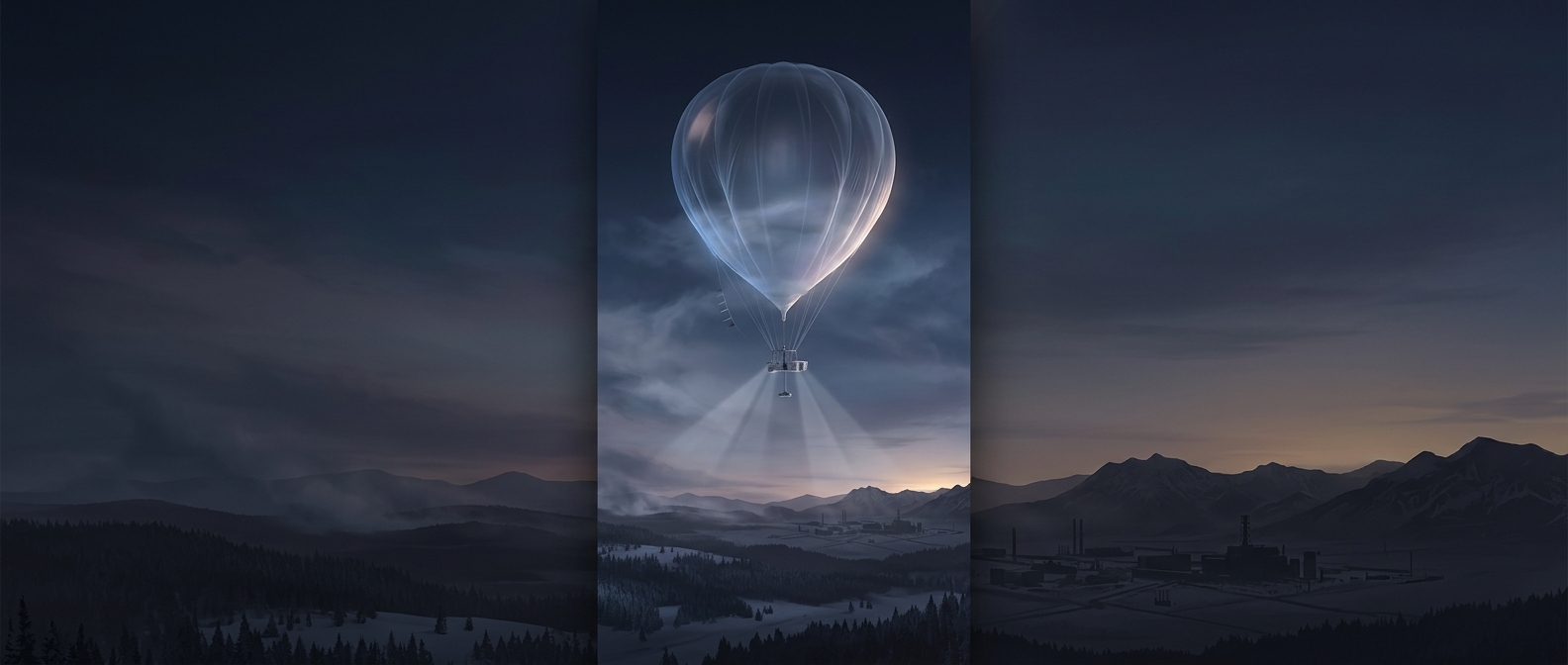
In the mid-1950s, before spy satellites could repeatedly photograph the Soviet Union, the United States tried using high-altitude balloons to carry cameras across it. The balloons rode strong upper-level winds, known as the jet stream, while automatic cameras exposed rolls of film over the territory below.
The attraction was distance: a balloon could drift far beyond the place where it was launched without an aircraft crew crossing the border. But the mission depended on a chain of events, not just getting a camera into the sky. The balloon had to follow a useful wind, stay aloft long enough to pass over important areas, and release its camera package where the film could be retrieved.
The weak link was recovery
Photographing a target was only half the job. Film had to return to American hands before anyone could develop it and learn what the camera had seen. The packages were designed to descend by parachute, but their landing places depended on winds and timing that operators could not fully control.
Soviet forces could also track or intercept the balloons. When they brought one down, they gained access not only to the camera but to the film itself. That turned the intended flow of intelligence around: instead of delivering images to the United States, a balloon could reveal what the United States was trying to observe.
A revealing failure
The CIA sent 516 balloons over Soviet territory. Most were shot down, and Soviet forces recovered film from them. The campaign demonstrated both the promise and the limits of remote surveillance: a camera might cross a guarded border without a pilot, but an image had little intelligence value if the other side could seize it first.