How a Station Roof Changed a Fall
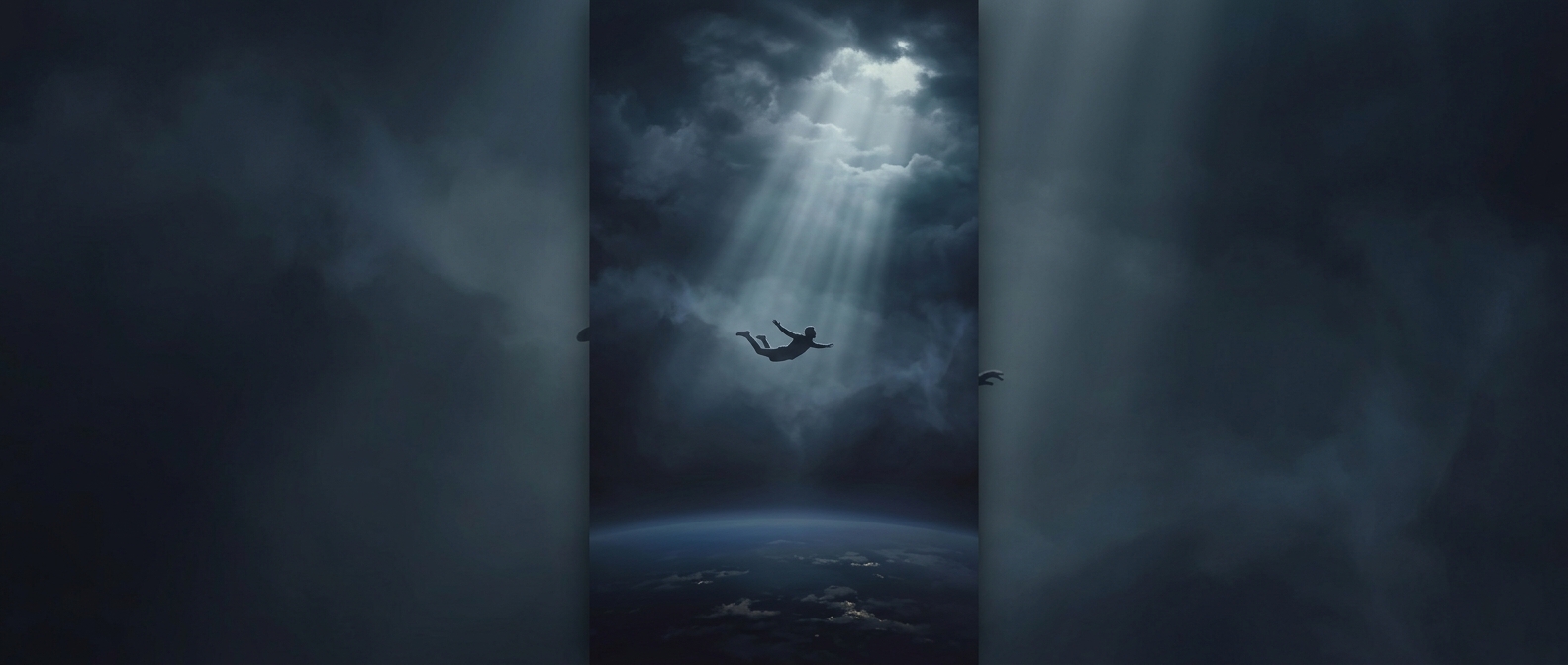
A fall from that height would ordinarily be fatal because the body reaches a speed at which a sudden stop delivers enormous force. The station roof mattered not because glass is soft, but because it failed under impact. As the panes broke and the roof gave way, the collision could unfold over more time and distance than a direct strike on solid ground. That longer stop reduced the peak force on the person.
A Roof Was Never Designed to Catch Anyone
The roof’s glass and supporting structure were built to cover the station, not to act as a safety net. But a structure that breaks can still absorb energy: some goes into cracking panes, bending or breaking supports, and moving debris. In this case, the roof’s collapse turned a single, abrupt impact into a sequence of impacts.
That distinction is crucial. Surviving did not mean the fall was gentle, or that glass is generally protective. A small change in how a person lands—or in what lies beneath a roof—can mean the difference between survival and death. The remarkable part is that an ordinary piece of building infrastructure, through its failure, created just enough give for a fall that should have ended at ground level to have a different outcome.